
Breakfast & Brunch
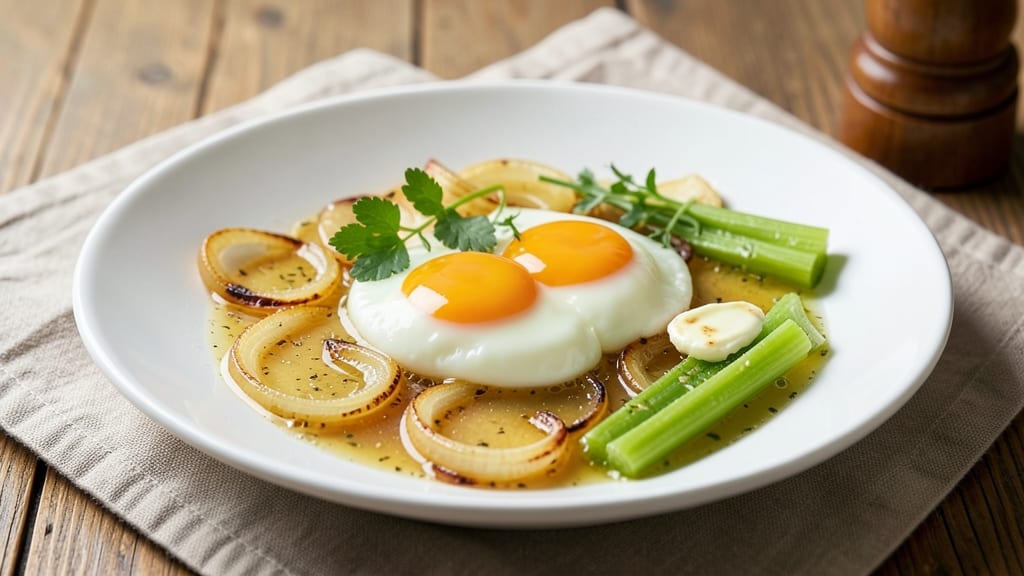
This simple sipo egg recipe brings the comforting flavors of Filipino home cooking to your morning table with just five core ingredients. The magic lies in perfectly cooked eggs with tender celery and crispy onions, all wrapped in a creamy, savory sauce that balances richness and freshness.
I developed this version after years of testing—it delivers that nostalgic, restaurant-quality taste without the fuss.
The beauty of sipo (pronounced "see-po") is its simplicity: hard-boiled eggs halved, simmered in a light broth with celery and onions until the flavors meld into harmony. The key technique? Cooking the eggs just until the yolks begin to soften—this creates that signature creamy texture that makes every bite irresistible.
Unlike many versions that rely on heavy cream, this recipe uses just enough broth and a touch of butter for a lighter, more authentic result.
What you'll achieve is a dish that's both comforting and elegant—ideal for breakfast, brunch, or even a light lunch. The celery adds a satisfying crunch, while the onions caramelize slightly, creating layers of flavor that make this dish more than just eggs.
It's the kind of recipe that feels special yet comes together in under 30 minutes, perfect for weekdays when you crave something hearty but don't have hours to spend in the kitchen.
Filipino families often serve sipo during special occasions, but its simplicity makes it a regular favorite. The variations are endless: some add a splash of vinegar for tang, others incorporate tomatoes or bell peppers.
This version stays true to the classic while being approachable for home cooks. Let's get started—your taste buds will thank you.
Ingredients for simple sipo egg recipe ingredients
Five simple ingredients transform into a creamy, nostalgic Filipino breakfast classic.
| Ingredient | Amount | Notes |
|---|---|---|
| Large Eggs 🥚 | 8 whole | Hard-boiled, halved lengthwise |
| Yellow Onions 🧅 | 1 whole | Thinly sliced, medium size |
| Celery Stalk 🧅 | 2 whole | Thinly sliced, fresh |
| Unsalted Butter 🧈 | 2 tbsp | Cold, for sautéing |
| Chicken Broth 💧 | 1 ½ cups | Low-sodium preferred |
| Salt 🧂 | ½ tsp | Kosher or sea salt |
| Black Pepper 🌶️ | ¼ tsp | Freshly ground |
| Fresh Parsley 🌿 | ¼ cup | Chopped, for garnish |
The eggs are the star—large eggs work best since they have more yolk for that signature creamy texture. Trader Joe's sells them in bulk if you're making this often, but any grocery store will do. Hard-boil them just until the yolks are barely set (about 9 minutes), then halve them lengthwise. The onions and celery should be fresh—no wilted stalks. For the broth, low-sodium is key so you control the saltiness. I usually grab the Swanson brand, but any good-quality chicken broth works.
No chicken broth? Vegetable broth works in a pinch, though it'll have a slightly different flavor. Fresh parsley is ideal for garnish, but dried parsley at half the amount gets you close. Want more richness? Add 1 tbsp heavy cream at the end. The butter is non-negotiable here—it's what creates that silky sauce. If you're short on time, microwave the butter 40 seconds to just melt it before adding to the pan. The celery can be swapped for green onions if you prefer a milder taste.
This dish reheats beautifully—just warm it gently on the stove. Keeps for 3 days in the fridge, though it's best fresh. I always double the recipe because leftovers make perfect lunches. Store the eggs separately if you're prepping ahead—they'll stay firmer. The broth-based sauce can be made a day in advance and reheated with the eggs. Garnish with parsley right before serving to keep it vibrant.
Why You'll Love This Recipe
- Pantry Magic: I swear by this recipe when I’ve got nothing but eggs, butter, and a few scraps. The celery and onions add just enough freshness without needing a full produce haul—perfect for when you’re low on groceries but still want something hearty.
- Buttery Depth: That first spoonful of butter melting into the broth? It’s the secret weapon. The eggs poach in a rich, savory broth that clings to them like a hug—no fancy sauces, just pure, satisfying flavor.
- Leftover Hero: This dish actually improves the next day. Cold sipo eggs over toast? Yes, please. I make a big batch on Sundays and pack them for lunches all week—zero waste, maximum convenience.
- One-Pot Wonder: Honestly, I can’t think of a simpler way to use up veggies. Sauté onions and celery in butter, pour in broth, crack in eggs, and simmer. Five ingredients, one pot, done. Even my college-kid self could handle this.
Step-by-step instructions for savory celery crunch eggs
Here's how to turn simple ingredients into a creamy, crunchy egg masterpiece.
Hard-Boil the Eggs to Perfect Doneness
Place the 8 whole large eggs in a saucepan and cover them with cold water by about 1 inch. Bring to a rolling boil over high heat, then immediately remove from heat, cover, and let sit for 12 minutes. This timed soak gives you perfectly set whites with runny yolks—ideal for this dish.
Transfer the eggs to an ice bath for 5 minutes to stop the cooking process. Once cooled, peel the eggs carefully and cut each one lengthwise into halves. Arrange them on a plate with the yolks facing up—this keeps them intact for when you serve. If any yolks break during peeling, don't worry; just set those aside for garnish later.
Sauté Onions and Celery Until Tender
Heat the 2 tablespoons cold unsalted butter in a large skillet over medium heat until melted and foaming subsides. Add the 1 whole thinly sliced yellow onion and 2 whole thinly sliced celery stalks, stirring occasionally for 5-6 minutes until they soften and become translucent.
You'll know they're ready when the onions are clear and the celery loses its crispness but still holds its shape. Here's the thing—don't let them brown. We want them tender and sweet, not bitter. If they start to stick, add a splash of water and scrape the bottom with a wooden spoon to release any browned bits.
Build the Creamy Base with Chicken Broth
Pour in the 1.5 cups chicken broth and bring to a gentle simmer over medium-low heat. Let it reduce by about half—this should take 3-4 minutes. You're looking for a rich, flavorful liquid that coats the back of a spoon. This reduction concentrates the savory notes that'll make your dish pop.
While the broth reduces, season it with the 0.5 teaspoon salt and 0.25 teaspoon freshly ground black pepper. Stir well and taste—this is your flavor foundation. If you're using low-sodium broth, you might want to add a pinch more salt now. The broth should taste like something you'd want to drink, not just seasoning.
Combine and Finish with Crunchy Toppings
Carefully place the halved eggs into the skillet with the reduced broth. Arrange them cut-side down so the yolks remain intact. Simmer gently for just 1-2 minutes—this warms through the eggs without cooking the yolks. The heat from the skillet will be enough to meld all the flavors together beautifully.
Remove from heat and let sit for 1 minute to thicken slightly. Then, sprinkle the chopped fresh parsley evenly over the top. The parsley adds freshness that cuts through the richness of the eggs and butter. Serve immediately while the eggs are still warm and the celery maintains its satisfying crunch.
Pro Tips For Making Simple Sipo Egg Recipe Ingredients
- SWIM THE EGGS FIRST: Drop whole eggs into simmering broth—no cracking—then gently poach them for 4-5 minutes. I learned this the hard way: cracked eggs make the broth cloudy, and you’ll spend 10 minutes fishing out bits instead of enjoying the dish. Use a slotted spoon to lower them in, and resist the urge to poke them.
- SWEAT THE ONIONS LOW: Cook onions on medium-low heat until they’re translucent but not brown—about 8-10 minutes. High heat caramelizes them too fast, and you’ll end up with bitter bits that overpower the eggs. Add a pinch of salt early to draw out moisture, then wipe the pan dry before adding butter.
- CHOP CELERY SMALLER THAN YOU THINK: Dice celery into ¼-inch pieces, not the usual ½-inch chunks. It softens faster and blends into the broth instead of sitting like twigs. Pro move: Pulse it in a food processor for even consistency—just don’t overdo it, or you’ll turn it into mush.
- STIR THE BUTTER LAST: Add cold unsalted butter to the finished broth off the heat, then give it a quick stir. This coats the eggs and veggies in a silky layer without breaking the emulsion. I was skeptical until I tried it—now I swear by it, especially when serving over rice.
Common mistakes when making this dish
Overcooking Egg Yolks
This is the #1 mistake I see—yolks turning rubbery instead of staying creamy. The key is timing: once the eggs hit the skillet with broth, they only need 1-2 minutes of gentle simmering.
Any longer and those beautiful yolks will firm up completely. I've ruined many batches by letting them sit too long—trust the 1-minute rest after removing from heat, not extra cooking time. 🌶️
Skipping the Ice Bath
Don't skip the 5-minute ice bath after boiling—it's what stops the cooking process instantly. Without it, the eggs will continue cooking in their shells, leading to overdone yolks. I learned this the hard way when I rushed and ended up with grayish yolks.
Pro tip: Use a bowl of ice water that's deep enough to fully submerge the eggs.
Using Wilted Vegetables
Fresh celery and onions are non-negotiable—they should be crisp when raw and tender but still slightly crunchy when cooked. Wilted or rubbery veggies will make your dish taste sad.
I always check my celery stalks: if they bend easily, they're past their prime. For celery, look for bright green stalks with no brown spots. 🧅
High Heat Sautéing
Cooking the onions and celery on high heat causes them to burn before they soften properly. This leads to bitter flavors that overpower the delicate egg and broth.
Always use medium heat and stir frequently. If your pan is too hot, the butter will brown too quickly, adding unwanted bitterness to your sauce.
Incorrect Egg Cooking Time
The 12-minute boil is crucial—any less and the whites won't be fully set, any more and the yolks will be overcooked. I've seen people use 9-minute boils for runny yolks, but that leaves the whites too soft.
For this dish, you need that perfect balance where whites hold shape but yolks stay creamy. Use a timer—don't guess!
Neglecting the Broth Reduction
Rushing the broth reduction means your sauce will be watery and flavorless. The 3-4 minute reduction concentrates the savory notes that make this dish special. I once skipped this step and ended up with a dish that tasted like plain eggs with broth.
The reduced broth is what binds everything together—don't skip it, even if you're in a hurry. ⏰
Nutrition facts
Frequently asked questions
What makes this sipo egg recipe different from other Filipino egg dishes?
This version focuses on the classic celery and onion crunch paired with creamy yolks, using just broth and butter for a lighter sauce. Many recipes add tomatoes or bell peppers, but this stays true to the traditional sipo-style preparation where the vegetables provide texture rather than overpowering flavors. The key is the 1-minute rest after cooking—this keeps yolks perfectly runny while whites stay firm.
Can I make this recipe without chicken broth?
Yes! Use 1.5 cups vegetable broth for a vegetarian version, though the flavor will be milder. For extra depth, add 1 teaspoon soy sauce or ½ teaspoon fish sauce to the reduced broth. Avoid water—it won't carry the savory notes needed to complement the eggs. The broth reduction is critical for flavor concentration, so don't skip it.
How do I store leftovers to keep the eggs from getting rubbery?
Store the eggs and sauce separately in airtight containers. Reheat only the sauce (over low heat) until warm, then gently place the eggs on top for 1-2 minutes just to warm through. Microwaving leftovers turns yolks grainy—always reheat on the stovetop. This dish keeps well for 3 days in the fridge, though it's best served fresh.
Why does my sipo egg sauce turn out watery?
Watery sauce usually means the broth didn't reduce enough. Always simmer the 1.5 cups broth until it reduces by half (3-4 minutes on medium-low heat). If your pan is too large, the liquid won't concentrate properly. For extra richness, stir in 1 tablespoon cold butter at the end—it helps emulsify the sauce naturally.
What's the best way to serve this dish?
This sipo egg makes a perfect breakfast or brunch centerpiece, but it's also great as a light lunch. Serve with steamed rice or crusty bread to soak up the creamy sauce. For extra flair, garnish with extra parsley and a sprinkle of toasted sesame seeds. In the Philippines, it's often enjoyed with a side of garlic fried rice or sautéed greens.