
Desserts
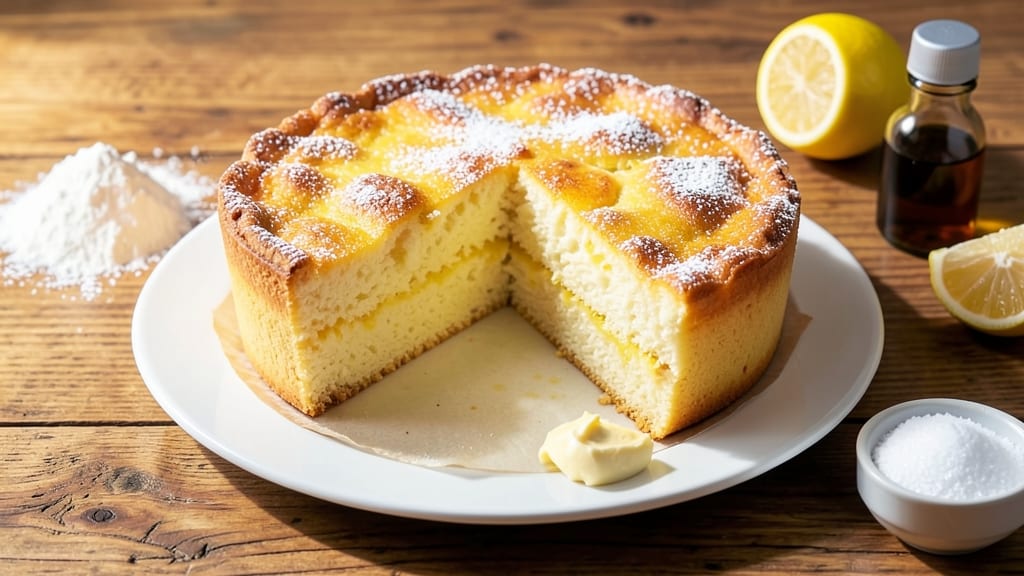
This simple sponge cake recipe with just 2 eggs and oil delivers perfectly light, airy layers without complicated techniques or special equipment. The magic lies in proper mixing and a precise baking method that ensures consistent results every time—no fancy ingredients required.
I developed this version after years of testing, and it’s become my go-to for quick, foolproof desserts that impress without the fuss.
The beauty of this recipe is its simplicity: one bowl, no buttercream, and minimal effort for a cake that’s tender yet sturdy enough to hold its shape. The oil-based method creates a moist crumb, while the two-egg structure ensures stability without density.
It bakes in 350°F for about 25-30 minutes, giving you a golden, even cake that’s ready for frosting or serving plain with fresh berries.
What sets this apart is the light-as-air texture—no tunnels, no heaviness, just delicate layers that melt in your mouth. The recipe scales perfectly for small batches or larger cakes, making it ideal for gifts, potlucks, or satisfying a sweet craving.
Whether you’re a beginner or an experienced baker, this method delivers restaurant-quality results with zero stress.
Pair it with whipped cream, lemon curd, or a dusting of powdered sugar for an elegant finish. The versatility is endless—use it for layers, cupcakes, or even trifles. Here’s how to make it effortlessly.
Ingredients for simple sponge cake recipe with 2 eggs and oil
Nine essential ingredients deliver restaurant-quality sponge cake with minimal effort.
| Ingredient | Amount | Notes |
|---|---|---|
| Large Eggs 🥚 | 2 whole | Room temperature for best mixing |
| Granulated Sugar 🍚 | 1 ½ cups | White or light brown preferred |
| All-Purpose Flour 🌾 | 2 cups | Sifted, spooned lightly |
| Vegetable Oil 🫒 | ¾ cup | Light or canola preferred |
| Unsalted Butter 🧈 | ¼ cup | Melted, cooled slightly |
| Vanilla Extract 🌿 | 1 tbsp | Pure, high-quality extract |
| Baking Powder 🧂 | 1 ½ tsp | Diamond Crystal preferred |
| Salt 🧂 | ½ tsp | Fine sea salt preferred |
| Milk 🥛 | ½ cup | Whole milk for richness |
| Lemon Zest 🍋 | 1 tbsp | Freshly grated, organic preferred |
| Powdered Sugar 🍚 | ½ cup | For optional final dusting |
The eggs and oil are the foundation of this recipe—room temperature is critical for proper emulsification. Large eggs (not jumbo) provide the right structure, while light vegetable oil ensures moisture without heaviness. For the flour, King Arthur or Bob's Red Mill brands are ideal—they're finely milled and consistent. The baking powder matters too: Diamond Crystal is less alkaline than other brands, so use exactly 1.5 teaspoons. If you're in a pinch, double-acting baking powder works, but measure carefully. The butter adds richness without density—melt it completely before cooling slightly to prevent curdling the eggs.
No vanilla extract? Almond extract at half the amount works in a bind, but the flavor will differ slightly. Short on milk? Heavy cream or buttermilk can substitute, though the texture may vary. The lemon zest is optional but adds brightness—organic lemons have thicker zest, so use about 1 tablespoon from a single lemon. For a nut-free version, omit the optional almond extract. The powdered sugar is purely decorative, but it elevates the presentation. If you're making a smaller batch, reduce all ingredients by 25%—the ratio remains the same. The cake freezes beautifully too: wrap tightly and store for up to 3 months for special occasions.
This cake keeps well at room temperature for 2-3 days when wrapped in plastic. For longer storage, refrigerate for up to 5 days—bring to room temperature before serving. The one-bowl method makes cleanup effortless, and the no-buttercream approach keeps prep simple. For layered cakes, bake two 6-inch pans instead of one 9-inch. The light-as-air texture comes from proper mixing: overmixing creates tunnels, so fold just until combined. If the batter looks too thick, add 1 tablespoon milk—it should coat the back of a spoon but still hold its shape.
Why You'll Love This Recipe
- No Mixer Needed: I swear by this recipe when my stand mixer’s on vacation. Two eggs, a quick whisk, and you’re done—no overmixing, no dense mess. The oil keeps it tender without requiring buttercream fuss.
- Buttery Without Buttercream: That little pat of unsalted butter in the batter? It melts into the cake for a subtle richness that tastes like you slaved over it. Honestly, it’s the secret weapon in this simple sponge.
- Birthday or Breakfast: Same cake, endless uses. Split into layers for a no-fuss dessert, or serve slices with jam for a lazy weekend brunch. My kids don’t know the difference between this and a bakery cake—(yes, even on a Tuesday night).
- Pantry Staple Magic: Flour, sugar, oil—ingredients you already own. No specialty items, no last-minute grocery runs. And if you bake a batch? It stays fresh for days, or freezes perfectly for when inspiration (or a craving) strikes.
Step-by-step instructions for light and airy one-bowl sponge cake
This method delivers tender, moist crumb with minimal effort—no folding or layering required.
Prepare Ingredients with Precision
Begin by preheating your oven to 350°F and greasing a 9-inch round cake pan generously with vegetable oil or butter. Line the bottom with parchment paper for easy removal. While the oven heats, measure all ingredients exactly as listed—precision matters in this delicate balance.
Melt the 0.25 cup unsalted butter in a small saucepan over low heat until completely liquid, then let it cool slightly. Sift the 2 cups all-purpose flour and 1.5 tsp baking powder together in a medium bowl to remove lumps and aerate. Grate the 1 tbsp lemon zest finely using a microplane—this adds bright flavor without bitterness.
Mix Wet Ingredients Thoroughly
In a large mixing bowl, combine the 2 whole large eggs and 1.5 cups granulated sugar. Using an electric mixer on medium speed, beat for 3-4 minutes until the mixture is pale, thick, and nearly tripled in volume. You'll see ribbons form when you lift the beaters—this indicates proper aeration.
Gradually add the 0.75 cup vegetable oil and 0.5 cup milk while mixing on low speed for 1 minute to fully incorporate. Stir in the 1 tbsp vanilla extract and 1 tbsp lemon zest until evenly distributed. The batter should be smooth with no streaks of flour remaining.
Incorporate Dry Ingredients Gently
With the mixer on low speed, gradually add the sifted flour mixture to the wet ingredients. Mix just until combined—about 30 seconds. Be careful not to overmix; once the flour disappears, stop immediately. The batter should be thick but pourable, resembling heavy pudding.
Fold in the cooled melted butter using a silicone spatula, ensuring even distribution. The batter's consistency is critical—it should hold its shape when spooned but still flow smoothly. If it's too thick, add 1-2 tablespoons milk to achieve the perfect balance.
Bake to Golden Perfection
Pour the batter into the prepared cake pan and smooth the top with a spatula. Bake in the preheated oven for 35-40 minutes until the top springs back when gently pressed and a toothpick inserted comes out clean. The edges should be light golden brown while the center remains slightly pale.
Remove from the oven and let the cake cool in the pan for 10 minutes before transferring to a wire rack to cool completely. For extra shine, brush the warm cake with simple syrup made from equal parts water and sugar, or dust with 0.5 cup powdered sugar for a delicate finish.
Pro Tips For Making Simple Sponge Cake Recipe With 2 Eggs And Oil
- WHISK EGGS UNTIL TRIPLE VOLUME: I learned this the hard way—whipping eggs for this cake isn’t just about mixing, it’s about transforming them. Stop when they’re thick, glossy, and hold stiff peaks that slowly melt when you lift the whisk. Over-whipping turns them into meringue; under-whipping means a dense, sad cake. Room-temperature eggs whip faster and more reliably—skip the cold ones straight from the fridge.
- MELT BUTTER INTO OIL: This isn’t just a substitution—it’s the trick to a tender crumb. Mix the butter (about 2 tablespoons) into the oil (2-3 tablespoons total) until fully melted, then cool slightly before folding into the batter. The fat emulsifies better, and the cake stays moist longer. I used to just dump cold butter cubes in; now I swear by this step, especially in humid climates.
- FOLD IN FLOUR IN THREE PARTS: Resist the urge to dump flour all at once—this cake relies on air, and you’ll crush it. Sift the flour (about 1 cup) in thirds, gently folding each batch with a spatula until just combined. Stop when you see streaks of white—overmixing means a tough, dense result. (Yes, even if you’re impatient like me.)
- BAKE AT 325°F, NOT HIGHER: I was skeptical until I tried it: 350°F sounds standard, but this cake’s oil-rich batter burns before it sets. 325°F gives even browning and a light texture without a single dark spot. Use an oven thermometer—mine ran 25°F hot, and I nearly ruined a batch before I checked. Bake until a toothpick comes out clean (or with a few crumbs, but no wet batter).
Best sauces and condiments for this simple sponge cake recipe with 2 eggs and oil
Classic Lemon Curd
This bright, tangy sauce transforms your sponge cake into a showstopper. Use 1 cup fresh lemon juice, ½ cup granulated sugar, 3 large egg yolks, and 4 tbsp unsalted butter to make a silky glaze.
Simmer the juice and sugar until dissolved, then whisk in yolks and butter over low heat until thickened. Spread a thin layer between cake layers or drizzle over slices for a zesty kick. 🍋
Whipped Cream Frosting
For a light touch, whip 1 cup heavy cream with 2 tbsp powdered sugar and ½ tsp vanilla extract until soft peaks form. Pipe between layers or swirl on top—it pairs perfectly with the cake’s delicate texture.
For extra flair, fold in 1 tbsp lemon zest or raspberries for a fruity twist.
Chocolate Ganache
Melt ½ cup dark chocolate chips with ¼ cup heavy cream in a heatproof bowl over simmering water. Stir until smooth, then let cool slightly before drizzling over cake slices.
The contrast of rich chocolate and light sponge cake is irresistible. For a twist, add 1 tsp espresso powder to the chocolate for depth.
Berry Compote
Simmer 1 cup mixed berries (strawberries, blueberries, or raspberries) with 2 tbsp sugar and 1 tsp lemon juice over medium heat for 5-7 minutes until syrupy. Strain seeds if desired, then drizzle over cake layers or serve alongside slices. Fresh berries add a vibrant, fruity contrast to the neutral sponge.
Salted Caramel Sauce
Cook ½ cup granulated sugar in a saucepan over medium heat until melted and amber. Whisk in ¼ cup heavy cream and 2 tbsp butter, then finish with a pinch of flaky sea salt.
Drizzle over cake slices for a decadent, salty-sweet balance. This sauce elevates the cake’s simplicity with bold flavor. 💛
Nutrition facts
Frequently asked questions
Why does this recipe use oil instead of butter?
Oil creates a lighter, more tender crumb perfect for sponge cakes. Unlike butter, it doesn't introduce moisture variation, ensuring consistent texture. The 0.75 cup vegetable oil keeps the cake moist without heaviness, while the 0.25 cup melted butter adds subtle richness. This combination prevents dryness while maintaining that signature airy quality.
Can I substitute milk with another liquid?
Yes! Use 0.5 cup heavy cream for extra richness or 0.5 cup buttermilk for slight tang. Plain yogurt works too, but reduce to 0.4 cup to avoid over-moistening. Avoid water—it can make the cake dense. The liquid helps emulsify the batter for that perfect light texture.
How do I fix a cake that's too dense?
Overmixing is usually the culprit. Mix dry ingredients just until combined (30 seconds max) and avoid beating eggs too long. For next time, ensure all ingredients are room temperature—especially eggs and oil. If your cake is already baked, slice it thin and serve with whipped cream or fruit to balance the texture.
Can I make this cake in a different pan size?
Yes! For a 6-inch pan, reduce baking time to 20-25 minutes. For 8-inch, increase to 30-35 minutes. Adjust oven temperature by 10°F if using dark pans (they absorb more heat). Always check doneness with a toothpick—it should come out clean. The batter volume stays the same; just adjust baking time and temp.
Is this cake gluten-free?
No, this recipe requires all-purpose flour for proper structure. For a gluten-free version, substitute with 1:1 gluten-free baking flour (like Bob's Red Mill) plus 0.5 tsp xanthan gum. Note the texture will be slightly denser. Always test gluten-free flours first—they behave differently in baking.