
Breakfast & Brunch
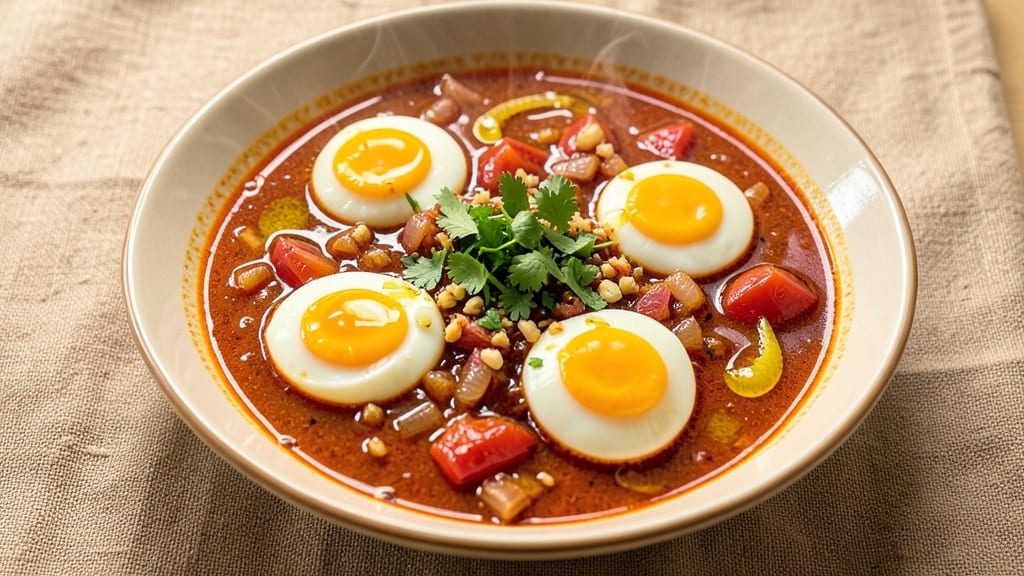
This Sindhi egg curry recipe transforms simple hard-boiled eggs into a fragrant, spiced masterpiece with a rich cumin-tomato base. 🌟 The secret lies in the layered flavors—warm cumin, tangy tomatoes, and a touch of sweetness that balances the heat, creating a dish that's both comforting and sophisticated.
Perfect for breakfast or brunch, this curry delivers restaurant-quality results with minimal effort.
The foundation of this recipe is the aromatic tadka—a traditional Sindhi technique where whole spices are gently toasted in oil to release their full flavor. We start with a base of tomatoes, garlic, and ginger, then build depth with cumin, coriander, and turmeric.
The hard-boiled eggs are gently simmered in this fragrant sauce until they absorb the flavors without breaking, ensuring each bite is tender and packed with taste.
What sets this Sindhi egg curry apart is its ability to satisfy any meal—serve it with warm roti for a hearty breakfast or pair it with fluffy rice for a comforting dinner.
The sauce is rich yet balanced, with a subtle sweetness from onions and a hint of spice that lingers just enough to keep you coming back for more. Every spoonful is a testament to Sindhi culinary tradition, where simplicity meets bold flavor.
This recipe is designed to be foolproof, with clear instructions for tempering the spices and simmering the eggs to perfection. Whether you're a seasoned cook or a beginner, the step-by-step process ensures a successful outcome every time.
The result? A dish that's as visually appealing as it is delicious, with a sauce that clings to the eggs and shines in every bite.
Ingredients for sindhi egg curry
Simple ingredients elevate into a fragrant Sindhi masterpiece with cumin-tomato depth and tender spiced eggs.
| Ingredient | Amount | Notes |
|---|---|---|
| Large Eggs 🥚 | 8 whole | Hard-boiled, peeled |
| Vegetable Oil 🫒 | ½ cup | For tadka and cooking |
| Red Onion 🧅 | 1 whole | Finely chopped, about 1 cup |
| Fresh Tomatoes 🍅 | 3 medium | Peeled, deseeded, chopped |
| Fresh Garlic 🧄 | 6 cloves | Minced for tadka |
| Fresh Ginger 🌿 | 1 inch | Grated, about 1 tbsp |
| Cumin Seeds 🌶️ | 1 ½ tbsp | Whole, for tadka |
| Ground Cumin 🌶️ | 1 tbsp | For flavor depth |
| Ground Coriander 🌿 | 1 tbsp | Freshly ground preferred |
| Turmeric Powder 🌶️ | ½ tsp | For color and earthiness |
| Garam Masala 🌶️ | 1 tsp | Traditional blend for warmth |
| Red Chili Powder 🌶️ | ½ tsp | Adjust for heat preference |
| Salt 🧂 | 1 tsp | Diamond Crystal preferred |
| Water 💧 | 1 cup | For simmering sauce |
| Fresh Cream 🥛 | ¼ cup | Optional, for richness |
The foundation begins with whole cumin seeds—toast them in oil until fragrant for that authentic Sindhi tadka flavor. Fresh ginger and garlic should be vibrant (no shriveled roots) and freshly grated/minced. For tomatoes, San Marzano if available, or any ripe, red variety. The red onion needs to be finely chopped—small dice works best. I always source my spices from Penzeys for that extra punch, but store-bought blends work if labeled as pure. Garam masala is non-negotiable here—it's the soul of this curry. Look for brands with whole spices listed on the label.
No whole cumin seeds? Ground cumin at double the amount works in a pinch. Fresh ginger too strong? Powdered ginger at half the volume gets you close. Tomato shortage? Tomato paste (1 tbsp) + 1 tbsp water mimics the texture. The hard-boiled eggs must be peeled immediately after cooking to prevent cracking. For extra richness, Greek yogurt can replace cream (same amount). The sauce should be smooth but not watery—adjust with water if needed. Fresh cream adds decadence, but omit for a lighter version. Diamond Crystal salt dissolves better than table salt—trust me on this.
Store the spice blend in an airtight container for up to 6 months, while fresh ginger and garlic keep in the fridge for 2 weeks. The hard-boiled eggs stay fresh for 5 days if refrigerated in water. This curry reheats beautifully—simmer gently on low heat for 5-7 minutes until warmed through. Portion into containers with roti or rice for easy lunches. The sauce freezes for 3 months, though texture may change slightly. Always taste before serving—adjust salt and garam masala as needed.
Why You'll Love This Recipe
- One-Pot Magic: I swear by this recipe because it’s all in one pot—no extra bowls, no messy cleanup. Sauté onions and garlic until golden, toss in tomatoes, then crack in those eggs right into the simmering gravy. The eggs poach perfectly without fuss, and the spices meld into something rich while you’re still chopping.
- Garlic Bomb: Between us, the Sindhi way of cooking garlic is next level—it’s fried until it’s sweet and nutty, not at all harsh. That deep, caramelized flavor clings to the eggs like a hug, and the tomatoes soften into a tangy, slightly sweet base. Honestly? It’s the kind of dish where you’ll pause mid-bite just to appreciate how good it tastes.
- Lunchbox Hero: This curry is my go-to for meal prep because it reheats like a dream—no soggy eggs or watery gravy. Pack it in containers with steamed rice or roti, and it stays flavorful for days. My kids grab it for school lunches, and my husband takes it to work. (Yes, even on a Tuesday night.)
- Pantry Staple: You’re probably already stocked for this—eggs, onions, tomatoes, garlic, and basic spices. No specialty ingredients, no last-minute grocery runs. I’ve made this with a handful of spices I had lying around, and it still came out ridiculously good. Budget-friendly? Absolutely. Reliable? Even more so.
Step-by-step instructions for Sindhi egg curry
Here's how to create a rich, aromatic curry where tender eggs soak up a fragrant cumin-tomato base.
🍳 Step 1: Hard-Boil and Prepare the Eggs
Place the 8 whole large eggs in a saucepan and cover them with cold water by about 1 inch. Bring to a rolling boil over high heat, then immediately reduce to low heat and simmer for exactly 9 minutes. This timing ensures perfectly set yolks that remain creamy.
Transfer the eggs to an ice bath for 5 minutes to stop cooking. Peel carefully under running water, reserving any broken yolks for the sauce. The eggs should be fully cooked but still tender—press one gently to confirm it yields slightly when pierced with a fork.
🔥 Step 2: Bloom the Spices in Vegetable Oil
Heat the 0.5 cup vegetable oil in a heavy-bottomed pan over medium heat until shimmering. Add the 1.5 tablespoons cumin seeds and toast for 30 seconds until they begin to sizzle and release their aroma—this is your signal they're ready. Immediately add the 6 cloves minced garlic and 1 inch grated ginger.
Sauté for 1-2 minutes until the garlic turns golden and fragrant. Be careful not to burn the garlic—it should smell sweet and nutty, not bitter. Remove from heat and set aside; these aromatics form the flavor foundation of your curry.
👨🍳 Step 3: Build the Tomato-Cumin Base
In the same pan, add the 1 whole finely chopped red onion and cook over medium heat for 5 minutes until softened and translucent. Stir in the 3 medium peeled, deseeded, and chopped tomatoes, then add the 1 tablespoon ground cumin, 1 tablespoon ground coriander, 0.5 teaspoon turmeric powder, 0.5 teaspoon red chili powder, and 1 teaspoon salt. Cook for 8-10 minutes until the tomatoes break down into a thick, oil-rich paste.
This reduction is critical—you want the mixture to darken slightly and coat the back of a spoon. The flavors should meld into a cohesive, aromatic mass with deep red undertones. If it sticks, add 1-2 tablespoons water to help release it from the pan.
🥘 Step 4: Simmer the Curry Sauce
Pour in the 1 cup water and bring the mixture to a gentle simmer. Reduce heat to low and let it cook uncovered for 15 minutes, stirring occasionally. The sauce should thicken gradually, developing a glossy sheen and rich aroma that fills your kitchen.
Taste and adjust seasoning—add more salt if needed or a pinch of red chili powder for heat. The sauce should be well-seasoned but balanced, with the cumin and coriander flavors dominant but not overpowering. This is where the magic happens: the spices meld into a cohesive, fragrant base.
🍽️ Step 5: Finish and Serve
Gently add the peeled eggs to the simmering sauce. Stir carefully to coat them evenly, then simmer for 5-7 minutes on low heat, allowing the eggs to absorb the aromatic flavors without breaking. The sauce should cling to the eggs, creating a beautiful contrast between the creamy yolks and rich gravy.
For extra richness, stir in the 0.25 cup fresh cream during the last 2 minutes of cooking. Finish with 1 teaspoon garam masala, then remove from heat. Serve immediately with steamed basmati rice or warm roti, ensuring each bite delivers the perfect balance of spiced sauce and tender egg.
Pro Tips For Making Sindhi Egg Curry
- Boil Eggs 10 Minutes: Soft-boiled eggs (6-7 minutes) get mushy in curry—go for 10 minutes for firm yolks that hold shape. I learned this the hard way when my first batch turned into scrambled eggs in gravy.
- Sauté Onions Low and Slow: Red onions caramelize best at medium-low heat for 8-10 minutes until golden—not crispy. Rushing this step makes your curry taste raw and bitter, and no one wants that.
- Grind Tomatoes with Skin: Peel tomatoes first, then grind with garlic and spices for a smoother, richer base. Skipping the skin makes the curry look pale and watery—trust me, it matters.
- Temper Eggs in Warm Gravy: Add eggs to simmering (not boiling) curry and cook covered for 5 minutes. Dumping cold eggs into hot gravy turns them rubbery—let the heat work with you, not against you.
Regional styles of this dish
Sindhi Home Style
In Sindhi homes, this curry is traditionally made with whole cumin seeds toasted in mustard oil (or vegetable oil) for that signature nutty aroma. The key difference? Sindhi cooks often add 1 tsp sugar to the tomato base to balance the spices—trust me, it rounds out the flavors beautifully.
I first learned this trick from my aunt in Karachi, who always said, "Sweetness tames the heat." 🌶️
Pakistani Influence
Across the border in Pakistan, this dish becomes even richer with the addition of 1 tbsp yogurt to the sauce, creating a velvety texture. The Pakistanis also prefer a slightly thicker consistency, achieved by simmering the sauce uncovered for an extra 5 minutes to reduce it further.
They serve it with naan instead of roti, letting the bread soak up every last drop of that fragrant gravy.
Gujarati Twist
Gujarati families take this curry in a different direction by adding 1 tsp dried fenugreek leaves (kasuri methi) at the end for a distinct earthy note. They also use more turmeric (¾ tsp) for a deeper golden color.
The Gujarati version often includes 1 tbsp chopped cilantro at the finish, giving it a fresh herbal brightness that cuts through the richness of the eggs.
Mumbai Street Food
In Mumbai's bustling streets, vendors serve this curry as a quick breakfast with crispy puris instead of roti. The sauce is made even quicker by using 1 tbsp tomato paste instead of fresh tomatoes, and they often add ½ tsp amchur (dry mango powder) for that signature tangy kick.
The eggs are sometimes halved and served with a side of spicy green chutney for dipping.
Modern Fusion
For a contemporary twist, try adding 1 diced green chili to the tadka and finishing with 1 tbsp toasted cashews for crunch. Some chefs also incorporate ½ cup coconut milk into the sauce for a tropical depth.
This fusion version works perfectly as a brunch dish, especially when paired with avocado toast for a modern Indian-American brunch spread.
Regional Spice Blends
Each region has its own garam masala secrets: Sindh uses more cardamom, while Gujarat leans on black pepper. For authenticity, I recommend using Sindhi garam masala (available at Indian specialty stores) which contains more cinnamon and cloves.
The difference is subtle but transforms the dish from good to extraordinary—like the secret ingredient in your grandma's recipe. 💫
Nutrition facts
Frequently asked questions
Can I use soft-boiled eggs instead of hard-boiled?
The recipe calls for hard-boiled eggs to ensure they hold their shape while absorbing the fragrant sauce. Soft-boiled eggs would break too easily during simmering, resulting in a messy texture. If you prefer runny yolks, boil them for 7 minutes instead of 9 minutes and handle them with extra care when adding to the sauce.
What's the secret to balancing the spices?
The key is in the tadka (spice bloom) and the 1 tsp sugar added to the tomato base. The cumin and coriander provide earthy warmth, while the sugar gently rounds out the heat. Always taste as you go—start with half the chili powder, then adjust. Sindhi cooks often say, "Sweetness tames the heat," and it's absolutely true!
Can I make this curry without fresh cream?
The cream adds richness, but it's optional. For a lighter version, simply omit it or replace it with 2 tablespoons Greek yogurt during the last 2 minutes of cooking. The sauce will still be flavorful—just slightly less velvety. The eggs will absorb plenty of flavor from the spiced tomato base alone.
How do I store leftovers?
Store the curry in an airtight container in the refrigerator for up to 4 days. The flavors actually deepen overnight! To reheat, warm gently on low heat for 5-7 minutes, stirring occasionally. Add 1-2 tablespoons water if the sauce thickens too much. For freezing, portion into containers with roti or rice—it reheats beautifully for quick lunches.
Why does my sauce taste bland?
Blandness usually comes from insufficient simmering or under-seasoning.