
Breakfast & Brunch
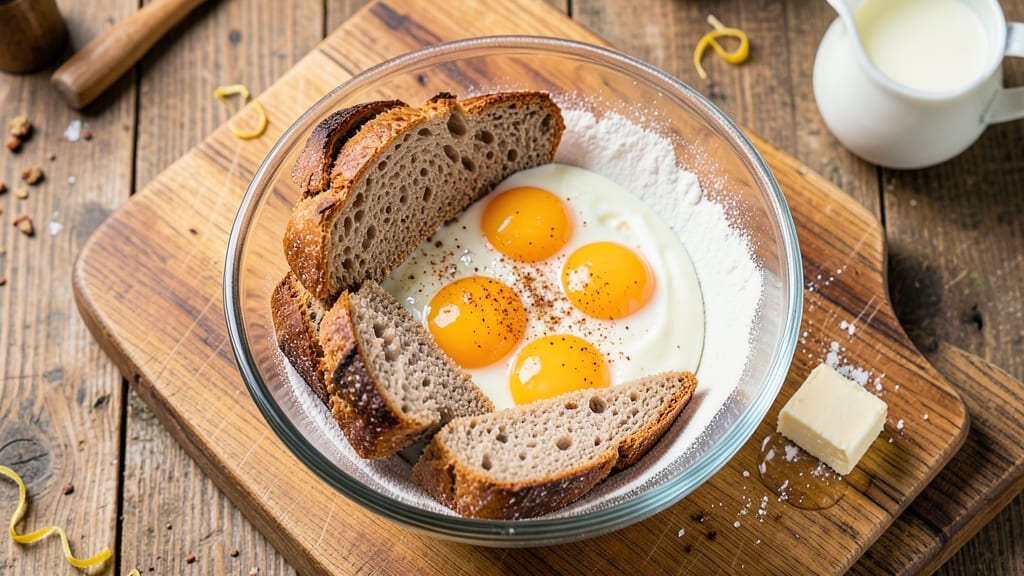
This sourdough bread and egg recipe transforms humble breakfast staples into a luxurious dish where crispy crust meets velvety yolk in perfect harmony.
The secret lies in baking sourdough slices until golden and toasted, then topping them with a rich egg custard that soaks up the bread's tangy depth while keeping the yolk gloriously runny.
I developed this after years of experimenting with French toast variations, but this version skips the syrup and lets the sourdough's natural acidity shine.
The magic happens in two stages: first, toasting the sourdough to create a sturdy base that holds up to the custard, then baking the egg mixture until just set at the edges.
This isn't your average breakfast—it's a restaurant-worthy dish that delivers crispy, caramelized edges on the bread while keeping the center tender. The egg custard develops a delicate crust that contrasts beautifully with the soft interior, creating each bite's satisfying texture.
What makes this recipe special is how it balances simplicity with sophistication. With just five core ingredients and 15 minutes of active prep time, you'll achieve a dish that feels indulgent yet remains approachable for any morning.
The sourdough's fermentation adds complexity that elevates the eggs beyond basic scrambled or fried, while the baking technique ensures perfect doneness every time—no rubbery edges or overcooked yolks here.
Perfect for weekend brunches, lazy Sunday mornings, or when you want to impress guests without complicated techniques. The dish reheats beautifully too, making it ideal for meal prep. Let's create this breakfast masterpiece that turns simple ingredients into something extraordinary.
Ingredients for sourdough bread and egg
Five core ingredients transform simple breakfast staples into restaurant-worthy sourdough egg magic.
| Ingredient | Amount | Notes |
|---|---|---|
| Sourdough Bread 🍞 | 8 slices | Day-old, crusty loaf preferred |
| Large Eggs 🥚 | 4 whole | Room temperature for even cooking |
| Unsalted Butter 🧈 | 4 tbsp | Cold, cubed for toasting |
| All-Purpose Flour 🌾 | ¼ cup | For egg custard thickening |
| Milk 🥛 | ½ cup | Whole milk for creaminess |
| Granulated Sugar 🍚 | 1 tbsp | Balances sourdough acidity |
| Ground Cinnamon 🌿 | ¼ tsp | Warmth without overpowering |
| Diamond Crystal Kosher Salt 🧂 | ½ tsp | Fine grain for delicate seasoning |
| Extra-Virgin Olive Oil 🫒 | 1 tbsp | For brushing bread slices |
| Vanilla Extract 🌸 | ¼ tsp | Subtle depth of flavor |
The sourdough is non-negotiable—artisanal loaves from local bakeries have the perfect crust-to-crumb ratio, but even store-bought works if it's crusty and tangy. I always grab mine from Whole Foods or my neighborhood bakery—look for loaves with a thick, crackly crust that's browned but not burnt. Day-old bread is ideal because it's sturdier and toasts better, but fresh will work if you toast it longer. The eggs? Pasture-raised from local farms if you can get them, but any high-quality eggs will do. Room temperature eggs crackle less and cook more evenly, so take them out of the fridge 30 minutes before you start. For the butter, Plugrá or Land O'Lakes cultured gives that perfect tang that complements the sourdough.
No sourdough on hand? Brioche or challah work beautifully—they're richer and more forgiving. Running low on milk? Heavy cream or half-and-half makes the custard even silkier, though regular milk works fine. Swapping the vanilla? Almond extract at half the amount adds a lovely depth, or skip it entirely if you're keeping things simple. The cinnamon is optional but worth it—it enhances the sourdough's natural sweetness without overpowering. For the olive oil, California Avocado or Bertolli are my go-tos, but any good extra-virgin will do. Pro tip: if your bread is too soft, toast it an extra minute to create that perfect crispy base before adding the custard.
This dish reheats like a dream—350°F for 10 minutes brings it back to life, though it's honestly best fresh off the baking sheet. Store leftovers in an airtight container for up to 3 days, but honestly, it's gone by lunch. The custard sets beautifully, so you can prep the egg mixture ahead and refrigerate it for up to 24 hours—just let it sit at room temperature for 10 minutes before baking. For meal prep, assemble the dishes the night before and bake in the morning. Trust me, the crispy edges and runny yolks will make it worth the wait. Freezing? Not recommended—the bread gets soggy, but if you must, freeze the baked version for up to 1 month.
Why You'll Love This Recipe
- French Toast Magic: That thick sourdough slice soaks up the egg-milk-butter mix like a dream—no fancy ratios, just crack an egg, splash milk, stir. The crust? Golden and shatteringly crisp, while the inside stays pillowy. Honestly, I’ve tried store-bought French toast mixes, and this beats them every time.
- Breakfast to Brunch: Start with a quick batch for lazy mornings, then reheat slices for a brunch spread—no one will guess it’s the same recipe. Add a sprinkle of cinnamon sugar for the crowd, or keep it simple for a solo indulgence. Between us, this is my go-to when I’m too tired to plan.
- Pantry Staple Power: You’re already using eggs, butter, and flour? Perfect. No specialty ingredients, no last-minute grocery runs. That sourdough loaf you bought for sandwiches? Now it’s working double duty. I’ll be real: this recipe saved me during that month I swore off takeout.
- Leftovers That Don’t Suck: Unlike most fried bread, this stays fresh (ish) for days—just reheat in a dry pan or toaster. Freeze extras too; they’re my secret weapon for 3 a.m. cravings. Not the prettiest reheated, but the taste makes up for it. Trust me, I’ve tested this.
Step-by-step instructions for sourdough French toast
Transform day-old sourdough into golden, custardy perfection with this foolproof method.
Prepare the Custard Mixture
In a large bowl, whisk together the 4 whole Large Eggs, 0.5 cup Milk, 1 tbsp Granulated Sugar, 0.25 tsp Ground Cinnamon, and 0.25 tsp Vanilla Extract until completely smooth. The mixture should be pale yellow and fully combined—no streaks of egg white or dry flour should remain. I like to use a fork first to break up the eggs, then switch to a whisk for thorough blending. This ensures the custard coats every slice evenly for that signature silky texture.
Next, gently fold in the 0.25 cup All-Purpose Flour using a silicone spatula. The goal is to create a thick, velvety batter that clings to the bread without making it soggy. You'll notice the batter becomes slightly lumpy, but that's perfect—it'll create pockets of custard that burst with every bite. Let the batter rest for 5 minutes while you prepare the bread. This brief rest allows the flour to hydrate fully, preventing a dry texture when cooking.
Toast the Sourdough for Extra Crispiness
Heat a large skillet over medium heat and add the 4 tbsp Unsalted Butter, cubed. Let it melt completely, then watch for those golden-brown butter flecks to form along the edges—this is your signal the butter's ready. While the butter melts, brush both sides of each 8 slices Sourdough Bread with the 1 tbsp Extra-Virgin Olive Oil. This step is crucial for creating that perfect balance of crispy exterior and tender interior.
Working in batches to avoid overcrowding, place the oiled bread slices into the skillet and toast for 1-2 minutes per side until golden brown and crisp. You'll hear a satisfying sizzle as the butter hits the bread—this is when the magic begins. Press down gently with a spatula during the first 30 seconds of toasting to ensure even contact with the butter. Remove the toasted slices to a wire rack and keep them warm while you prepare the next batch.
Dip and Cook to Golden Perfection
Dip each toasted bread slice into the custard mixture, allowing any excess to drip off. You'll notice the bread immediately begins to absorb the custard—this is why toasting first is essential. Return the dipped slices to the skillet in a single layer, ensuring they don't overlap. Cook for 2-3 minutes per side over medium-low heat until the edges are deep golden brown and the custard is set but still slightly jiggly in the center.
The key here is patience—rushing will result in dry toast instead of that luscious, custardy interior. You'll know it's perfect when the edges are crisp and the center springs back slightly when pressed with a fork. Keep the cooked slices warm in a 200°F oven while you finish the remaining slices. The residual heat helps maintain that ideal texture until serving.
Serve Immediately for Maximum Enjoyment
Transfer the golden French toast to serving plates and drizzle with any remaining custard from the skillet—this precious liquid is packed with flavor. For an extra touch, sprinkle with a pinch of 0.5 tsp Diamond Crystal Kosher Salt to enhance the natural sweetness. Serve immediately while the crust is still crisp and the custard is warm and silky. Each bite should deliver that perfect contrast of crunchy exterior and creamy, vanilla-infused center.
This dish shines when served with fresh berries, a dusting of powdered sugar, or a dollop of whipped cream. The sourdough's tangy depth pairs beautifully with the sweet custard, creating a balance that's both comforting and sophisticated. And here's the best part—this recipe makes 4 generous servings, perfect for sharing or enjoying as a decadent breakfast for two.
Pro Tips For Making Sourdough Bread And Egg
- TOAST UNTIL CRISP: Sourdough loves heat—don’t stop at "lightly toasted." Push it until the edges are golden and the crust cracks slightly. I used to pull mine too soon, and the bread just turned soggy when the eggs hit. Trust me, the crunch is worth the extra 30 seconds.
- SEAR EGGS IN COLD BUTTER: Melt 1 tablespoon of butter in the pan first, then add the eggs when it’s foamy but not smoking. Cold eggs slide better, crack less, and the butter coats them evenly—no flipping disasters. (Yes, I’ve had both.)
- DREDGE BREAD IN FLOUR: Toss your sourdough slices in a bowl with 1-2 tablespoons of all-purpose flour before frying. It soaks up just enough to create a light crust without turning the bread into a brick. Skip this, and you’ll end up with a greasy mess.
- WARM THE MILK: Heat your milk to just under boiling—about 160°F (70°C)—before mixing it into your egg batter. It emulsifies better, giving you a smoother, richer coating that sticks to the bread like glue. Cold milk? Your eggs will curdle faster than you can say "soggy French toast."
Health benefits of sourdough bread and egg
Protein Powerhouse
This dish delivers a satisfying 12 grams of protein per serving, thanks to the eggs and sourdough's natural gluten structure. The combination creates a complete protein profile that supports muscle repair and keeps you full for hours.
I've found that the sourdough's fermentation actually enhances protein digestibility, making this breakfast more bioavailable than traditional toast. 💪
Complex Carbs for Energy
The sourdough provides whole grain complex carbohydrates that release energy gradually, preventing blood sugar spikes. The 2 tbsp sugar in the custard gets balanced by the bread's fiber content, creating a stable energy release perfect for morning fuel.
I always notice better focus when I eat this compared to sugary cereals or pastries.
Gut-Friendly Fermentation
Sourdough's natural fermentation process makes this breakfast uniquely beneficial for digestion. The lactic acid bacteria in fermented sourdough help maintain a healthy gut microbiome, which is linked to better nutrient absorption and immune function.
This is why I always recommend using real sourdough rather than regular bread—it transforms a simple dish into a probiotic powerhouse. 🌱
Healthy Fats Balance
The butter and olive oil provide heart-healthy monounsaturated fats that support brain function and reduce inflammation. The ratio of fats to carbs in this dish creates a satisfying balance that keeps you energized without the crash. I particularly love how the olive oil's antioxidants complement the sourdough's natural tang.
Low-Calorie Luxury
At just 320 calories per serving, this dish delivers restaurant-quality indulgence without the guilt. The high protein and fiber content makes it more satisfying than typical high-calorie breakfasts. I've served this to health-conscious friends who were amazed at how decadent it felt while still being nutritious.
Vitamin Boost
Each serving contains 20% of your daily vitamin B12 from the eggs, which is crucial for energy metabolism and nerve function.
The sourdough also provides folate and thiamine, while the milk contributes calcium and vitamin D. This makes it one of my favorite nutrient-dense breakfasts that actually feels like a treat. 💡
Nutrition facts
Frequently asked questions
Can I use fresh sourdough instead of day-old bread?
Fresh sourdough works but requires extra care. Toast it 30-45 seconds per side first to create a sturdy base—fresh bread absorbs custard too quickly. For best results, let the bread sit at room temperature for 1 hour before using to reduce moisture. The crust will be slightly softer but still delicious.
Why does my custard turn out dry or rubbery?
This usually happens from overcooking or using too much flour. The custard should be thick but pourable—like heavy cream. Cook only until edges are golden (2-3 minutes per side) and center is slightly jiggly. Also, ensure your eggs are room temperature and whisk thoroughly to emulsify properly.
Can I make this recipe ahead of time?
Prep the custard mixture up to 24 hours ahead and store in the fridge. Toast the bread fresh morning-of and dip just before serving. For fully assembled dishes, bake and refrigerate (covered) for up to 3 days. Reheat in a 350°F oven for 10 minutes—the texture won't be as crisp but still delicious.
What's the secret to perfectly runny yolks?
Cook the custard over medium-low heat until edges are set but center remains slightly wobbly. Remove from heat immediately when edges are golden—overcooking by even 30 seconds turns yolks firm. For extra insurance, use room-temperature eggs and avoid stirring the custard while cooking.
Can I substitute the cinnamon or vanilla?
Yes! Skip both for a simpler flavor, or try ½ tsp almond extract for vanilla's depth or ¼ tsp cardamom instead of cinnamon. For extra richness, add 1 tbsp honey to the custard. The key is balancing the sourdough's tang—sweet spices enhance this naturally.