
Breakfast & Brunch
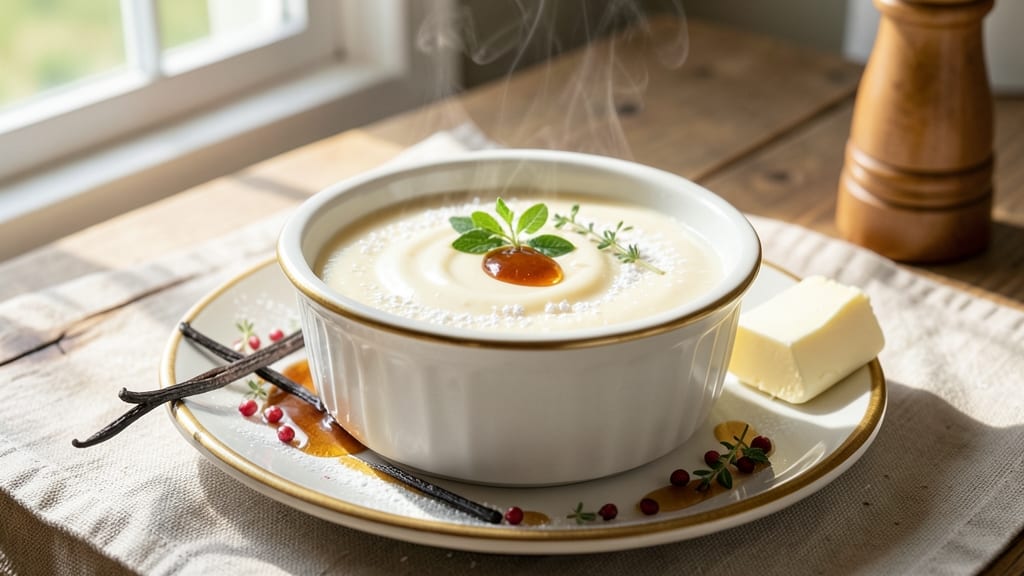
This Southern egg custard recipe delivers the ultimate breakfast experience—creamy, custardy egg centers with a golden, toasted crust that's impossible to resist. 🌟 The secret lies in balancing rich eggs, warm milk, and a touch of sugar, baked until the edges caramelize while the interior remains silky.
I've perfected this technique over years of weekend mornings, where the aroma alone brings everyone to the table.
The magic happens when you whisk eggs, milk, and vanilla together until smooth, then bake in a preheated oven until the edges are golden and the center jiggles slightly.
The recipe is simple but requires patience—35 minutes at 350°F transforms basic ingredients into a dish that tastes like a Southern brunch classic. A sprinkle of cornmeal or cinnamon adds texture and warmth, while bourbon takes it to another level.
What you'll end up with is a dish that's rich, velvety, and perfectly balanced—each bite delivers that silky yolk magic with a toasted crust that holds up to syrup or ice cream.
It's the kind of recipe that feels indulgent yet comes together effortlessly, making it ideal for lazy weekends or special breakfasts. The best part? Leftovers reheat beautifully, so you can enjoy this Southern comfort food all week long.
Serve it warm with maple syrup, a dollop of whipped cream, or even a scoop of vanilla ice cream for the ultimate dessert-to-breakfast experience. Here's how to make it—foolproof and full of Southern charm.
Ingredients for southern egg custard
Eight eggs, warm milk, and a touch of sugar—this Southern classic transforms simple ingredients into silky yolk magic.
| Ingredient | Amount | Notes |
|---|---|---|
| Large Eggs 🥚 | 8 whole | Room temperature for best blending |
| Whole Milk 🥛 | 2 cups | Warm slightly for smoother custard |
| Granulated Sugar 🍚 | ½ cup | Light brown adds caramel notes |
| Pure Vanilla Extract 🌿 | 2 tsp | High-quality for authentic flavor |
| Unsalted Butter 🧈 | ½ cup | Cold, cubed for crust perfection |
| All-Purpose Flour 🌾 | ¼ cup | For thickening and crust texture |
| Cornmeal 🌽 | 2 tbsp | Fine, for golden crust crunch |
| Ground Cinnamon 🌶️ | 1 tsp | Optional, for warm spice notes |
| Bourbon (optional) 🥃 | 1 tbsp | For depth, use good-quality |
| Salt 🧂 | ½ tsp | Kosher or sea salt preferred |
| Maple Syrup 🍁 | ¼ cup | For serving, Grade B preferred |
| Heavy Whipping Cream (optional) 🥛 | ¼ cup | For topping, lightly whipped |
The eggs are the star here, so farm-fresh or high-quality store-bought makes all the difference. I always grab Carton Gold or Pete and Gerry's from the grocery store—they're rich and hold up better to baking. Warm the milk slightly before mixing (just until it's cozy to the touch)—this helps the custard set beautifully. For the butter, Land O'Lakes or Plugrá work perfectly, but don't skip the cold cubes. They melt into the crust, creating that golden, toasted edge that's impossible to resist. If you're feeling fancy, grab a bottle of Grade B maple syrup—it's darker and more flavorful than the regular stuff, perfect for drizzling over the top.
No bourbon? Substitute with extra vanilla or a splash of rum—just don't skip the alcohol entirely, as it helps balance the richness. Running low on cornmeal? Fine yellow cornmeal or even crushed graham crackers work in a pinch, though the texture will be slightly different. The flour is non-negotiable for thickening, but if you're gluten-free, use a 1:1 gluten-free blend. For the sugar, light brown adds subtle caramel notes, but white works just fine. Pro tip: Warm the sugar with the milk for a smoother custard—it dissolves better and adds to that silky texture. And if you're making this ahead, whip the cream just before serving so it stays fluffy.
This custard reheats beautifully—just pop it in the oven at 325°F for 10-15 minutes until warmed through. Store leftovers in the fridge for up to 3 days, covered tightly. For make-ahead magic, prep the custard the night before and bake it fresh in the morning—the flavors deepen overnight. Freeze for up to 2 months by wrapping tightly in plastic and foil. When reheating from frozen, add 5 extra minutes to ensure it's fully warmed through. And if you're serving a crowd, double the recipe—it disappears faster than you can say 'silky yolk magic.'
Why You'll Love This Recipe
- Five-Ingredient Magic: I swear by this recipe—just eggs, milk, sugar, vanilla, and butter. That’s it. No fancy gadgets, no confusing steps, just pure, creamy magic in a bowl.
- Vanilla Butter Bliss: The moment that rich vanilla and melted butter swirl into the warm custard? My taste buds do a happy dance. It’s that perfect balance of sweet, buttery comfort without being cloying.
- Breakfast or Dessert: Serve it warm with toast for breakfast or chill it overnight for a no-bake dessert. Honestly, I’ve even drizzled honey over it for a quick afternoon pick-me-up.
- Leftovers = Gold: This custard actually tastes better the next day—thick, velvety, and ready to go. I make a big batch on Sundays so I can grab a jar anytime, no reheating required. Budget-friendly and foolproof.
Step-by-step instructions for Southern egg custard
Here's how to make that legendary Southern custard with a golden crust and silky yolk center.
👨🍳 Step 1: Whisk Eggs and Milk for Perfect Blending
In a large mixing bowl, whisk together the 8 whole Large Eggs until the yolks and whites are fully combined and the mixture is pale yellow. This ensures even cooking and that signature silky texture. Slowly pour in the 2 cups Whole Milk while whisking constantly to prevent curdling—you want a smooth, lump-free batter.
Add the 0.5 cup Granulated Sugar, 2 tsp Pure Vanilla Extract, and 0.5 tsp Salt, whisking until everything is fully dissolved. If using, stir in the 1 tbsp Bourbon (optional)—this adds depth but isn't required. Here's the thing: room-temperature eggs blend better, so if they're straight from the fridge, let them sit for 10 minutes before starting. The batter should be smooth and slightly thicker than heavy cream.
🍳 Step 2: Temper and Thicken the Mixture
Place a medium saucepan over medium heat and add the 0.5 cup Unsalted Butter (cold, cubed) and 2 tbsp Cornmeal. Stir constantly for 2-3 minutes until the butter melts and the cornmeal starts to toast lightly—this creates the golden crust. Remove from heat and slowly pour in the egg mixture while whisking vigorously. This tempering step prevents curdling and ensures a silky texture.
Return the pan to low heat and stir continuously for 5-7 minutes until the mixture thickens enough to coat the back of a spoon. You'll see it go from runny to a pudding-like consistency—this is when it's ready. If using 1 tsp Ground Cinnamon, sprinkle it in now and stir until dissolved. The mixture should be smooth, thick, and ready for baking.
🔥 Step 3: Bake Until Golden and Set
Preheat your oven to 325°F. Pour the custard mixture into a 9-inch round cake pan or similar oven-safe dish. Bake for 40-45 minutes until the center is just set (it should still wobble slightly like jelly) and the edges are golden brown. Here's the trick: the custard should pull away from the sides of the pan but still have a slight jiggle in the center—this ensures that silky, creamy texture.
If the top browns too quickly, tent the pan with foil. The custard is done when it reaches 160°F internally and has a firm but slightly jiggly center. Overcooking will make it rubbery, so watch closely in the last 5 minutes. Let it cool in the pan for 10 minutes before unmolding—this helps it hold its shape.
🍽️ Step 4: Serve with Maple Syrup and Optional Cream
Run a knife around the edges to loosen, then invert the custard onto a serving plate. If it doesn't release easily, let it sit another 5 minutes—it should come out whole with a golden, toasted crust. Serve warm with 0.25 cup Maple Syrup drizzled on top for that classic Southern touch. For extra indulgence, top with a dollop of lightly whipped 0.25 cup Heavy Whipping Cream (optional)—it adds a cool contrast to the warm custard.
Slice into 6 equal portions and enjoy immediately. The contrast of the warm, custardy center with the crispy edges and sweet syrup is pure Southern comfort. Leftovers? Store in the fridge for up to 3 days, but they won't last that long—this custard disappears fast!
Pro Tips For Making Southern Egg Custard
- Whisk Until Ribbons Form: I learned this the hard way—skipping this step means your custard will fight you later. Beat the eggs and sugar until the mixture coats the back of a spoon and leaves clear ribbons when the whisk is lifted. That’s your signal the sugar’s dissolved properly and the eggs are properly emulsified, so the custard sets smooth as silk instead of grainy.
- Use Room-Temp Eggs: Cold eggs from the fridge will make your custard take forever to thicken, and you’ll end up with a sad, watery mess. Take the eggs out 30 minutes before you start—yes, even if you’re impatient like me—and let them warm up to room temperature. The custard will thicken faster and hold its shape like it’s supposed to.
- Steam, Don’t Boil: This isn’t the prettiest method, but it’s the tastiest. Once your custard is in the baking dish, place it in a larger pan with about an inch of hot water (not boiling) and cover it with foil. The gentle steam coaxes the custard to set evenly without curdling or forming a skin on top. I know, I know—it looks weird—but trust the process.
- Toast the Vanilla: Skip this, and your custard will taste sweet but flat. Warm the vanilla extract in a small saucepan over low heat for 30 seconds—just until it’s barely steaming, then let it cool before adding it to the custard. The heat deepens the vanilla’s aroma and flavor, making it smell like a Southern grandmother’s kitchen instead of a generic bottle. (Your future self will thank you.)
Essential equipment for southern egg custard
Oven Essentials
Your oven is the heart of this custard, so I recommend using a 9-inch round cake pan or similar oven-safe dish for even baking. Preheat to 325°F—this lower temperature ensures a silky center while browning the edges.
I use a Wilton Perfect Results Cake Pan because its nonstick coating prevents sticking, making unmolding effortless. For even heat distribution, place your pan on the middle rack of your oven. If your oven runs hot, reduce the temperature to 320°F to avoid over-browning. 🔥
Mixing Tools
A whisk is your best friend for blending the eggs and milk smoothly. I prefer a Ball Whisk with silicone handles—it’s durable and reaches every corner of the bowl. For measuring, grab a stainless steel measuring cup and spoons for accuracy.
A medium-sized mixing bowl (at least 3-quart capacity) gives you room to whisk without splashing. Pro tip: Use a fine-mesh strainer if you want extra-smooth custard by straining out any potential lumps before baking. 🥄
Heat Control
Temperature control is key to that perfect silky yolk magic. A digital instant-read thermometer (like the Thermoworks Thermapen) helps monitor the custard’s internal temperature—it should reach 160°F at the center. For the butter and cornmeal step, a medium saucepan with sloped sides makes stirring easier.
If you’re nervous about curdling, use a double boiler (a heatproof bowl over simmering water) instead of direct heat for tempering the eggs. This method is foolproof for beginners. ⚡
Serving Gear
Serve your custard with style using a sharp offset spatula to loosen it from the pan and a serving plate with a lip to catch drips. For garnishing, a small squeeze bottle (like a OXO Good Grips) makes drizzling maple syrup effortless.
If you’re adding whipped cream, a hand mixer (like the KitchenAid KHM5221OB) whips it up in seconds. For leftovers, store in an airtight container to keep it fresh for up to 3 days. 🍽️
Optional Upgrades
Want to take your custard to the next level? A stand mixer (like the KitchenAid Artisan Series) speeds up whisking, especially for larger batches. For a toasted crust, sprinkle extra cornmeal on top before baking.
If you love bourbon, invest in a high-quality bottle like Buffalo Trace—it adds depth without overpowering. And for presentation, a clear glass dome keeps the custard warm and looks elegant on the table. 💫
Nutrition facts
Frequently asked questions
Why does my custard come out rubbery instead of creamy?
Overbaking is the #1 culprit—your custard should jiggle slightly in the center when done (160°F internally). Remove it from the oven when the edges are golden but the middle still has a gentle wobble. If it's already rubbery, try reducing your oven temp to 320°F next time and checking it 5 minutes before the original time.
Can I make this custard without cornmeal?
Swap the 2 tbsp cornmeal for 2 tbsp fine breadcrumbs or 2 tbsp crushed graham crackers for a different texture. For a gluten-free option, use 2 tbsp almond flour. The key is maintaining the same ratio—just toast your substitute with the butter first to create that golden crust.
How do I fix curdled custard?
If your custard separates, don't panic! Strain it through a fine-mesh sieve into a clean bowl to remove any lumps, then whisk vigorously for 1-2 minutes to re-emulsify. For extra insurance, place the bowl over a pot of simmering water (double boiler) and whisk constantly until smooth. This works best if caught early—once baked, separated custard won't recover.
Can I make this ahead of time?
Yes! Prepare the custard mixture up to 24 hours ahead and refrigerate it in an airtight container. When ready to bake, whisk briefly to recombine, then proceed with the baking instructions. For best results, bake it fresh in the morning—this lets the flavors develop overnight. Leftovers keep well in the fridge for 3 days and freeze beautifully for up to 2 months.
What's the best way to reheat leftover custard?
Pop it in a 325°F oven for 10-15 minutes covered with foil until warmed through. For microwave reheating, use 30-second intervals on low power, stirring between each interval until heated. Never microwave from frozen—thaw overnight in the fridge first. The oven method preserves that perfect silky texture best.