
Breakfast & Brunch
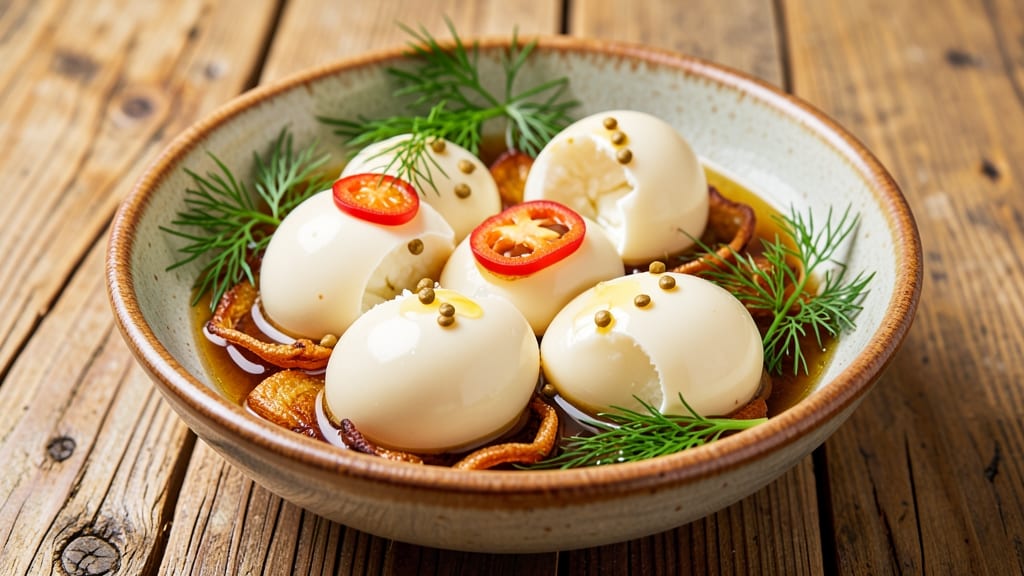
This spicy dill pickled eggs recipe transforms simple hard-boiled eggs into a tangy, fiery condiment that elevates sandwiches, charcuterie boards, and more. The secret lies in the precise balance of vinegar, spices, and fresh dill—creating a bright, heat-kissed flavor that develops over time.
I’ve perfected this method to ensure every bite delivers that perfect harmony of tangy, spicy, and herby notes without overpowering the eggs.
The process begins with curing the eggs in a simple brine, then transferring them to a flavorful marinade of vinegar, mustard, and a carefully measured blend of cayenne and black pepper. Fresh dill infuses the liquid with its signature aroma, while garlic and red pepper flakes add depth.
This isn’t just a condiment—it’s a versatile, restaurant-quality addition that turns ordinary meals into something extraordinary.
What makes this recipe stand out is the 30-minute prep followed by a 48-hour marinating period, which allows the flavors to meld into a cohesive, addictive bite. The result?
Eggs with a crisp, slightly firm texture and a bold, tangy-spicy coating that pairs perfectly with sandwiches, burgers, or even as a standalone snack. No fancy equipment is needed—just a few pantry staples and patience for the best results.
Once ready, these pickled eggs keep in the fridge for up to 2 weeks, making them an ideal make-ahead dish for meal prep or entertaining.
The foolproof technique ensures consistent flavor and texture every time, so you can confidently serve them at gatherings or enjoy them as a quick, flavorful bite. Let’s get started!
Ingredients for spicy dill pickled eggs
Twelve eggs and ten pantry staples transform into a restaurant-quality condiment with bold tangy-spicy dill flavor.
| Ingredient | Amount | Notes |
|---|---|---|
| Large Eggs 🥚 | 12 whole | Hard-boiled, peeled, room temperature |
| White Vinegar 💧 | 2 cups | Distilled white vinegar preferred |
| Water 💧 | 1 cup | Filtered or distilled |
| Kosher Salt 🧂 | ½ cup | Diamond Crystal preferred |
| Yellow Mustard 🍯 | ¼ cup | Smooth, no lumps |
| Fresh Dill 🌿 | ½ cup | Finely chopped, stems removed |
| Garlic Cloves 🧄 | 6 cloves | Minced, fresh preferred |
| Cayenne Pepper 🔥 | 1 ½ tsp | Adjust for heat preference |
| Black Peppercorns 🌶️ | 1 tsp | Crushed, freshly ground |
| Red Pepper Flakes 🌶️ | 1 tsp | For additional heat |
| Granulated Sugar 🍚 | 1 tbsp | Balances acidity |
| Olive Oil 🫒 | 2 tbsp | Extra-virgin, for coating |
The eggs are the foundation, so start with large eggs—they hold up best to the curing process. Freshness matters: use eggs no older than two weeks for optimal texture. For the brine, Diamond Crystal kosher salt dissolves more cleanly than table salt, but use what you have. The vinegar should be distilled white vinegar—apple cider vinegar adds unwanted sweetness. Fresh dill is non-negotiable here; dried dill lacks the bright, aromatic punch. Whole Foods or Trader Joe's carry excellent fresh dill year-round, and it’s worth the extra cost for this recipe.
No fresh dill? Dried dill at one-third the amount works, but the texture and flavor won’t be the same. Running short on mustard? Substitute 1 tbsp prepared horseradish for a sharper bite. The cayenne can be adjusted—start with 1.5 tsp for mild heat, then increase to 2 tsp for serious spice. For a smokier profile, swap half the red pepper flakes for smoked paprika. The olive oil coating is crucial; it prevents the eggs from drying out during the curing process. If you’re avoiding oil, use 1 tbsp melted vegan butter instead.
Store the cured eggs in an airtight container submerged in their marinade for up to 2 weeks in the fridge. The flavor intensifies over time, so wait 48 hours before tasting. For longer storage, transfer eggs and marinade to a freezer-safe container, leaving 1 inch of headspace. They’ll keep for 3 months frozen—thaw in the fridge overnight before serving. The marinade can be reused for 2-3 batches if strained and stored separately. Portion into small jars for easy snacking or serving.
Why You'll Love This Recipe
- No-Fuss Prep: I swear by this—just hard-boil eggs, crack them into jars, and pour the tangy mix over them. No peeling, no fussing, and honestly? The hardest part is waiting for the vinegar to work its magic.
- Tangy Heat Magic: That yellow mustard and vinegar combo? It’s like a little flavor explosion—bright, spicy, and just enough kick to make your taste buds dance. The dill ties it all together with that fresh, herby punch.
- Weeknight Superstar: I keep a jar of these in the fridge for lazy nights—slice them over sandwiches, toss in salads, or just snack straight from the jar. They’re my go-to when I don’t want to think too hard about dinner.
- Budget Hack: Eggs are cheap, vinegar is cheap, and this recipe stretches for days. I make a big batch, and by the time I’m done eating them, I’ve barely spent a thing—just pure flavor for pennies.
Step-by-step instructions for spicy dill pickled eggs
This method delivers perfectly balanced tangy heat with crisp textures every time.
Prepare the Eggs for Pickling
Place the 12 whole large eggs in a saucepan and cover with cold water by about 2 inches. Bring to a boil over medium-high heat, then immediately reduce to a gentle simmer. Cook for exactly 10 minutes—set a timer. The eggs are done when they've stopped vigorously bubbling.
Transfer the eggs to an ice bath for 10 minutes to stop the cooking process completely. This shock treatment ensures clean peeling. Once cooled, peel each egg carefully, removing any residual membrane. For best results, work with room-temperature eggs—they peel more easily. Arrange the peeled eggs in a single layer in a quart-sized glass jar or airtight container.
Create the Spicy Dill Brine
In a medium saucepan, combine the 2 cups white vinegar, 1 cup water, 0.5 cup kosher salt, 1 tbsp granulated sugar, 1.5 tsp cayenne pepper, 1 tsp black peppercorns, and 1 tsp red pepper flakes. Bring to a full boil over medium-high heat, stirring until the salt and sugar dissolve completely. The mixture should be clear with no visible salt crystals.
Remove from heat and let the brine cool to room temperature—about 20 minutes. While cooling, finely chop the 0.5 cup fresh dill and mince the 6 garlic cloves. Stir these into the cooled brine along with the 0.25 cup yellow mustard and 2 tbsp olive oil. The mustard helps emulsify the oil for a silky texture, while the dill and garlic infuse their bright flavors.
Assemble and Preserve the Eggs
Pour the cooled brine over the eggs in the jar, ensuring they're completely submerged. The liquid should cover the eggs by at least 1 inch. Seal the jar tightly and refrigerate for at least 24 hours before eating—this allows the flavors to fully meld and the eggs to absorb the spicy dill marinade.
For best results, let the eggs pickle for 3-5 days in the refrigerator. The longer they sit, the more intense the flavor becomes. Check the brine level occasionally—if it evaporates below the eggs, add a little more vinegar or water to keep them fully submerged. The eggs are ready when the brine takes on a vibrant green hue from the dill and the heat from the cayenne becomes noticeable.
Serve and Enjoy
Remove the eggs from the jar and pat dry with paper towels. The skins should be slightly translucent with a delicate pink tint. Serve immediately or store in the refrigerator for up to 2 weeks. These eggs make an excellent addition to sandwiches, salads, or as a standalone appetizer with crusty bread.
When serving, taste the brine first—it should be tangy with a sharp kick of heat and bright dill aroma. If the heat is too intense, reduce the cayenne next time to 1 tsp. The perfect balance comes from letting the eggs marinate until the flavors harmonize, creating a dish that's both complex and satisfying.
Pro Tips For Making Spicy Dill Pickled Eggs
- Boil Eggs Until Cold: Don’t pull them out at the first sign of doneness—wait until they’re ice-cold before peeling. I learned this the hard way: warm eggs peel like glue, but cold ones slip right out clean. Run them under cold water for 5 minutes after boiling, or plunge the pot into an ice bath.
- Use 1:1 Vinegar-Water Ratio: The brine needs equal parts vinegar and water to balance acidity and flavor. Too much vinegar? The eggs turn rubbery. Too little? They won’t pickle properly. Stick to 1 cup vinegar, 1 cup water per 4 eggs, and adjust salt afterward.
- Skip the Mustard Until Tasting: Add the yellow mustard after the eggs have soaked for at least 24 hours—it’s more about flavor than structure. If you toss it in early, the heat can mellow out too fast. Save it for the final day or two, or right before serving if you’re impatient.
- Add Spice Gradually: Start with half the chili flakes or cayenne you think you need. I’ve burned my mouth more times than I’ll admit by going all-in upfront. Taste the brine before sealing the jar—you can always add more spice later, but you can’t take it out.
Wine and beer pairings for spicy dill pickled eggs
Crisp White Wine
For these spicy dill pickled eggs, a dry Riesling or Sauvignon Blanc cuts through the heat beautifully. The bright acidity and citrus notes in a Washington State Riesling or New Zealand Sauvignon Blanc complement the tangy-spicy profile.
I love chilling a bottle of Chateau Ste. Michelle Riesling—its crisp finish balances the cayenne and dill perfectly. 🍷
Hoppy Beer Pairing
A Belgian Witbier like Hoegaarden or Stella Artois adds a refreshing contrast with its coriander and citrus undertones. The effervescence cleanses your palate between bites of spicy eggs. For a bolder option, try a German Helles Lager—its mild malt sweetness softens the heat while letting the dill shine.
Craft IPA Balance
If you prefer beer, an American Pale Ale with moderate bitterness works well. I recommend Deschutes Mirror Pond Pale Ale—its piney hop notes stand up to the cayenne while the malt rounds out the tang.
Avoid overly hoppy IPAs, as they can clash with the delicate dill flavor. A 6-8% ABV range keeps the pairing balanced.
Non-Alcoholic Option
For a refreshing non-alcoholic match, try a sparkling ginger beer like Fever-Tree or a cucumber-mint infused soda. The effervescence and subtle spice mirror the pickled eggs' heat, while the herbal notes enhance the dill.
I also love San Pellegrino Aranciata for its citrusy brightness that complements the tangy profile. 💫
Nutrition facts
Frequently asked questions
Can I use brown eggs instead of white eggs for this recipe?
Brown eggs work perfectly and add a subtle visual contrast to the vibrant green dill brine. The flavor and texture remain identical, so don't hesitate to use what you have. The pickling process treats all egg types equally—just ensure they're fresh for best results.
How do I adjust the heat level for picky eaters?
Start by reducing the cayenne to 1 tsp instead of 1.5 tsp, or omit it entirely for a milder version. You can also decrease the red pepper flakes to 0.5 tsp while keeping the black peppercorns for depth. The mustard and dill will still provide bright, tangy flavor without the heat.
What if my eggs turn gray or develop a sulfur smell?
This happens when eggs are overcooked or improperly stored before pickling. For future batches, ensure your eggs are hard-boiled for exactly 10 minutes and cooled immediately in ice water. Use eggs no older than 2 weeks, and store them in the fridge until ready to pickle. If this happens to your current batch, discard the eggs—they're unsafe to eat.
Can I make this recipe without mustard?
Yes, but the texture will be slightly less silky. Substitute with 1 tbsp prepared horseradish or 1 tsp Dijon mustard (if you have it). The horseradish adds sharpness while the Dijon provides a similar tangy depth. The mustard helps emulsify the oil, so without it, the brine may separate slightly.
How long can I store the pickled eggs in their marinade?
The eggs will keep perfectly in the refrigerator for up to 2 weeks submerged in their marinade. After that, the flavor may weaken, but they remain safe to eat. For longer storage, transfer eggs and marinade to a freezer-safe container, leaving 1 inch of headspace. They'll maintain quality for 3 months frozen—thaw overnight in the fridge before serving.