
Breakfast & Brunch
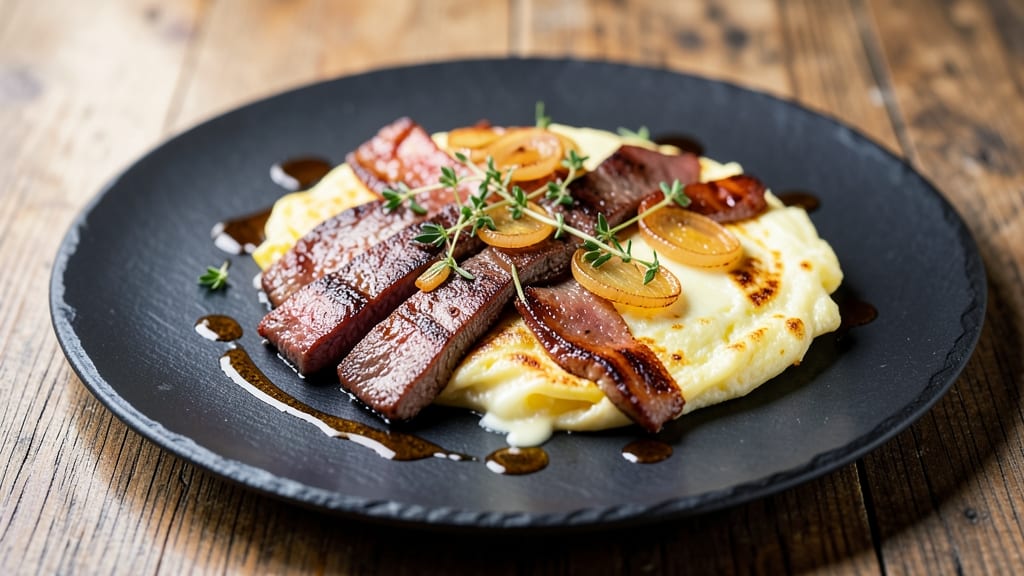
This steak and egg omelette recipe transforms breakfast into a gourmet experience with perfectly caramelized steak bites wrapped in fluffy, golden egg clouds. The secret lies in high-heat searing for the steak and precise egg whisking—both techniques ensure restaurant-quality results at home.
I've perfected this dish over years of testing, and it's become my go-to for weekend brunches that impress without requiring advanced skills.
The process starts with thinly sliced steak that develops a rich crust while staying tender inside, then folds into warm, custardy eggs cooked just until set. This isn't your average omelette—it's a balanced meal with protein, fat, and texture harmony.
The key is timing: sear the steak first while prepping the eggs, then assemble everything in one pan for maximum flavor transfer.
What you'll end up with is a plated dish that looks as impressive as it tastes—crisp steak edges contrasting with silky egg centers, all held together by a perfect fold. The aroma alone will have everyone gathering around the table.
This recipe delivers a complete meal in under 20 minutes, making it ideal for lazy mornings or special occasions when you want to elevate breakfast.
Serve with a side of roasted potatoes or a fresh salad to round out the meal, or keep it simple with toasted sourdough. The beauty of this dish is its adaptability—use ribeye for richness, flank steak for tenderness, or even leftover roast beef.
Let's make this luxurious breakfast that feels like dinner.
Ingredients for steak and egg omelette
Nine simple ingredients create a luxurious breakfast that feels like dinner.
| Ingredient | Amount | Notes |
|---|---|---|
| Ribeye Steak 🥩 | ½ lb | Thinly sliced against grain |
| Large Eggs 🥚 | 6 whole | Room temperature for fluffiness |
| Unsalted Butter 🧈 | 2 tbsp | High smoke point preferred |
| Shallot 🧅 | 1 small | Mince finely for sweetness |
| Fresh Thyme Leaves 🌿 | ¼ cup | Chopped, for garnish |
| Kosher Salt 🧂 | ½ tsp | Fine grain preferred |
| Freshly Ground Black Pepper 🌶️ | ¼ tsp | Cracked peppercorns |
| Extra-Virgin Olive Oil 🫒 | 1 tbsp | For searing steak |
| Heavy Cream 🥛 | 2 tbsp | Optional for richness |
| Flour 🌾 | 1 tbsp | All-purpose, for dredging |
The steak is everything here. Ribeye delivers the best flavor and texture—thinly sliced against the grain so it cooks fast and stays tender. Most butchers will slice it for you, but if you're doing it yourself, ask for 1/8-inch thick slices. I grab mine from Whole Foods when I want extra-marbled cuts, but the regular supermarket steak works perfectly fine. Look for slices with good fat distribution—those white streaks are your friend. If you can't find ribeye, flank steak or leftover roast beef will work in a pinch, just slice them thinner.
No fresh thyme? Dried thyme at half the amount works, but fresh is worth hunting down at the grocery store's produce section—it's usually near the basil. The heavy cream is optional but adds that restaurant-quality richness. Skip it if you're watching calories, but trust me, it's worth the extra tablespoon. For the eggs, room temperature is key—cold eggs won't whip up fluffy. Pop them in a bowl of warm water for 5 minutes if they're straight from the fridge. The olive oil should be light and fruity—none of that bitter stuff. If you're feeling fancy, infuse it with thyme while the steak sears.
Steak keeps best wrapped in paper towels in the fridge for 2 days, but use it within 24 hours for peak texture. Fresh thyme stays good for about 5 days if you wrap the stems in damp paper towels and store in a bag. The eggs? Use within 3 weeks of purchase for best results. Make this ahead? Sear the steak, cool it completely, then refrigerate. Reheat gently in the pan with a splash of water to keep it moist. The eggs should be cooked fresh—this isn't a dish that reheats well, but the steak holds up beautifully for leftovers.
Why You'll Love This Recipe
- One-Pan Magic: I swear by this recipe because it’s the kind of meal that feels fancy but takes zero effort. Sear the ribeye in the same pan you’ll cook the eggs—no extra dishes, no stress. Just butter, shallots, and thyme singing together while you crack eggs into the mix.
- Rich, Unexpected Pairing: Between us, ribeye and eggs aren’t a combo you’d expect, but it’s ridiculously good. The steak adds depth—the shallots caramelize into sweetness, the thyme brightens it up, and the eggs soak up all the buttery, savory goodness. It’s like a hug in a plate.
- Weeknight to Weekend: Honestly, this works for everything. Too tired for dinner? Toss it together in 15 minutes. Hosting friends? Double the batch—it’s impressive but still simple. Even my picky teen devours it. (Yes, even on a Tuesday night.)
- Leftovers That Don’t Suck: Most steak leftovers turn into sad, dry sandwiches. Not this. The omelette keeps the steak tender, and you can reheat slices in a pan with a splash of water—crispy edges, creamy centers, every time. Plus, it’s cheaper than ordering takeout. Win.
Step-by-step instructions for steak and egg omelette
This method delivers perfectly caramelized steak bites paired with silky egg clouds—every bite is balanced and luxurious.
Prepare the Steak Bites
Pat the 0.5 lb ribeye steak dry with paper towels and slice it thinly against the grain into ¼-inch strips. This ensures tender bites that cook quickly. Season each piece generously with 0.5 tsp kosher salt and 0.25 tsp freshly ground black pepper. Let them sit at room temperature for 10 minutes while you prep the rest.
Heat 1 tbsp extra-virgin olive oil in a nonstick skillet over medium-high heat until shimmering. Add the steak strips in a single layer and cook undisturbed for 1-2 minutes until they develop a deep golden crust. Flip and cook another 1-2 minutes until medium-rare (130-135°F internal temp). Transfer to a plate and tent loosely with foil to keep warm.
Create the Egg Mixture
In a medium bowl, whisk together the 6 whole large eggs until just combined—no need to overbeat. Add 2 tbsp heavy cream (if using) and mix gently. Season with an additional pinch of kosher salt and black pepper to taste. The mixture should be smooth and homogenous, with no streaks of white.
Finely mince the 1 small shallot and stir it into the egg mixture along with 0.25 cup chopped fresh thyme leaves. This adds subtle sweetness and aromatic depth. Let the mixture rest for 5 minutes while you prepare the pan—this helps the eggs come together more smoothly.
Cook the Omelette Bases
Melt 1 tbsp unsalted butter in a 10-inch nonstick skillet over medium-low heat. Pour in about ¼ of the egg mixture, tilting the pan to spread it evenly. Cook gently for 2-3 minutes until the edges begin to set and the bottom looks lightly golden. Use a spatula to gently lift the edges, letting any uncooked egg flow underneath.
Once the top is mostly set but still slightly runny in the center (about 3 minutes total), fold the omelette in half and slide it onto a plate. Repeat with the remaining egg mixture, making 4 total omelette halves. Keep them warm in a 200°F oven while you assemble.
Assemble and Finish
Place 2 omelette halves on each plate and top each with ¼ of the steak bites, arranging them artfully. Drizzle lightly with any pan juices from the steak. For extra richness, sprinkle with additional chopped thyme leaves and a final crack of black pepper. Serve immediately while the eggs are still warm and the steak is juicy.
Here's the thing—this dish shines when served right away. The contrast between the tender, caramelized steak and the fluffy egg clouds is what makes it special. If you're making this for a crowd, keep the omelettes warm in the oven and assemble just before serving.
Pro Tips For Making Steak And Egg Omelette
- CRISP THE STEAK FIRST: I used to try to cook the steak and eggs simultaneously—big mistake. Sear the ribeye until it’s medium-rare (about 3-4 minutes per side for a 1-inch cut) before touching the eggs. The residual heat keeps it warm while you finish the omelette, and you won’t end up with a sad, overcooked slab of meat.
- SWEEP THE PAN DRY: After cooking the steak, let it rest on a plate while you wipe the pan thoroughly with a paper towel—no oil left behind. That butter for the omelette needs to sizzle properly, and leftover drippings will make it greasy instead of golden. Trust me, the difference in texture is night and day.
- WHISK EGGS LIKE A MANIAC: Cold eggs from the fridge won’t blend smoothly, and you’ll end up with a lumpy omelette. Crack them into a bowl, add a splash of cold water (just 1 tablespoon), and whisk vigorously for 30 seconds—you’re not making a cocktail, but you’re also not half-assing it. The water helps emulsify the yolks for a silky finish.
- SALT THE SHALLOTS: I skipped this for years, but finely mincing the shallot and tossing it with a pinch of salt 10 minutes before cooking draws out moisture—no more soggy omelette. If you’re impatient like me, just pat them dry with a towel afterward, but salting first guarantees better texture. (Yes, even if you’re in a hurry.)
Wine and beer pairings for this dish
Red Wine Pairings
A bold Chianti Classico from Tuscany is my go-to for this dish—its bright acidity and cherry notes cut through the richness of the steak while complementing the eggs' delicate flavor.
Look for a Sangiovese-based wine with 12-14% ABV to match the meal's intensity. I love Castello di Volpaia Chianti Classico for its balance of earthiness and fruitiness. 🍷
Light Beer Options
For beer lovers, a crisp Belgian Witbier like Hoegaarden adds a refreshing contrast with its citrus and coriander notes. The effervescence cleanses your palate between bites of rich steak and fluffy eggs.
Another great choice is a German Pilsner—its herbal hop character pairs beautifully with the thyme in the omelette. 🍺
White Wine Alternatives
If you prefer white wine, a dry Riesling from Germany offers the perfect balance—its slight sweetness and crisp acidity enhance the shallot and thyme flavors. I recommend Dr. Loosen Blue Slate Riesling for its mineral notes that complement the dish's savory elements.
Chill it to 45-50°F before serving for optimal flavor.
Cocktail Pairings
For a brunch twist, serve with a Bloody Mary—the smoky, spicy kick contrasts perfectly with the steak's richness. Use high-quality vodka like Belvedere and add a dash of Worcestershire sauce and celery salt for depth.
The acidity in the tomato juice also helps cut through the fat in the steak. 🍹
Non-Alcoholic Choices
Don't drink alcohol? A sparkling ginger beer like Feather's adds a zesty, effervescent lift that mirrors the dish's fresh ingredients. The ginger's warmth also pairs well with the thyme and shallot.
For a more traditional option, try a sparkling apple cider—its crisp acidity and subtle sweetness complement the omelette beautifully.
Nutrition facts
Frequently asked questions
Can I use leftover steak instead of fresh?
Yes, but with care! Reheat leftover steak gently in a pan with a splash of water to keep it moist—never microwave. For best results, slice it thinner than fresh steak since it may have lost some moisture. This works particularly well with tender cuts like flank steak or roast beef.
How do I make the eggs extra fluffy?
Whisk the eggs vigorously for 30 seconds until fully combined, then let the mixture rest for 5 minutes before cooking. Use room-temperature eggs and avoid overmixing—they'll be light and airy, not dense. The heavy cream (if using) also adds luxurious fluffiness.
What if I don't have fresh thyme?
Use ½ tsp dried thyme instead, but toast it first in a dry pan for 30 seconds to intensify the flavor. Another option: swap for ½ tsp dried rosemary or ¼ tsp garlic powder for a different aromatic twist.
Can I make this ahead of time?
Only the steak component! Cook and cool the steak completely, then refrigerate for up to 2 days. Reheat gently in a pan before assembling. The omelettes must be made fresh—they lose texture when reheated, but the steak stays delicious cold or warmed.
What's the best way to fold the omelette?
Use a long spatula to gently lift one edge and fold it over the center, then flip the whole omelette to create a neat half-moon shape. For extra security, press lightly with the spatula to seal the edges. Practice makes perfect—don't stress if it's not perfect!