
Beverages
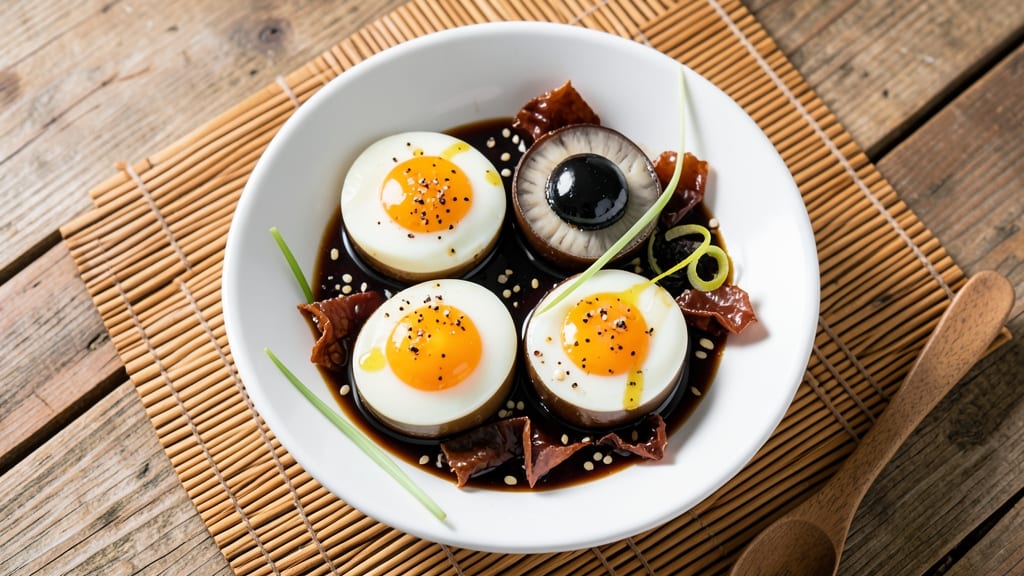
This steam egg with century egg recipe transforms a simple egg into a luxurious dish that balances delicate silkiness with the bold, umami richness of century eggs—a traditional Chinese delicacy.
The contrast between the velvety steamed egg and the deep, savory century egg creates a sensory experience that's both elegant and deeply satisfying. What makes this dish extraordinary is how the century egg's unique texture and flavor elevate the steamed egg beyond ordinary breakfast fare.
The steaming process is where precision matters most—achieving that silky, custard-like center requires the right water ratio and timing, while the century egg adds a layer of complexity with its dark, marbled exterior and intensely briny yolk.
This fusion dish isn’t just about technique; it’s about celebrating the harmony between two distinct culinary traditions. Whether you’re preparing century eggs from scratch or using store-bought ones, the result is a dish that feels both sophisticated and deeply comforting.
What you’ll end up with is a plated masterpiece where the steamed egg’s delicate texture meets the century egg’s bold, almost funky depth. The contrast in flavors and textures—creamy versus firm, mild versus intense—creates a balance that’s impossible to resist.
This dish is perfect for special occasions, but its simplicity makes it approachable for everyday cooking once you master the technique.
Pair it with lightly pickled vegetables or a drizzle of chili oil to enhance the umami notes, and serve with steamed rice to soak up every last bit of that rich, briny yolk.
The key to success lies in the preparation—getting the steaming just right while letting the century egg’s flavors shine. Let’s bring this celestial yolk fusion to life.
Ingredients for steam egg with century egg
Eight essential ingredients transform ordinary eggs into a luxurious celestial yolk fusion dish.
| Ingredient | Amount | Notes |
|---|---|---|
| Fresh Eggs 🥚 | 8 whole | Large, room temperature preferred |
| Century Eggs 🥚 | 4 whole | Store-bought or homemade, marbled exterior |
| Light Soy Sauce 🍶 | ¼ cup | High-quality, low-sodium preferred |
| Shaoxing Wine 🍷 | 2 tbsp | Dry, aromatic variety |
| Sesame Oil 🫒 | 1 tbsp | Toasted, for finishing |
| White Peppercorns 🌶️ | ½ tsp | Freshly cracked for aroma |
| Rock Sugar 🍬 | 1 tbsp | Or substitute granulated sugar |
| Fresh Ginger 🧄 | 1 inch | Thinly sliced, peeled |
| Green Onions 🧅 | 4 whole | Thinly sliced, for garnish |
| Jasmine Rice 🍚 | 1 cup | Uncooked, for serving |
| Chili Oil 🌶️ | 1 tbsp | Homemade or store-bought |
| Water 💧 | 4 cups | Filtered, for steaming |
Century eggs are the soul of this dish—look for deep marbling and firm texture at specialty Asian markets like H Mart or 99 Ranch Market. If making your own, the preservation process (lye brine) takes 30-60 days, but store-bought versions work beautifully. The fresh eggs should be large and organic—Peters Family Farm or local farms ensure the best quality. Shaoxing wine adds depth; Kikkoman or Lee Kum Kee brands deliver consistent quality. For the steaming process, use a heatproof bowl that fits snugly in your steamer basket—Le Creuset or Cuisinart brands are ideal.
No Shaoxing wine? Dry sherry at half the amount works in a pinch. Substitute century eggs with duck eggs for extra richness, though texture will differ. The rock sugar can be swapped for brown sugar if unavailable, though it won't caramelize as beautifully. For a milder heat profile, reduce chili oil to 0.5 tbsp or use Sichuan peppercorn oil instead. Fresh ginger loses potency quickly—freeze it in ice cube trays if you won't use it all. The jasmine rice should be long-grain and unscented for optimal texture when served alongside.
Century eggs keep for 2-3 weeks in the fridge once opened, stored in their brine. Fresh eggs should be used within 1 week of purchase for best results. The steaming water can be reused once—just bring it back to a rolling boil between batches. For make-ahead convenience, prepare the century egg mixture up to 2 days ahead and refrigerate; steam just before serving. The chili oil and sesame oil can be stored in the pantry for up to 6 months once opened, while the Shaoxing wine improves with age—decant for 30 minutes before using for optimal aroma.
Why You'll Love This Recipe
- Five-Ingredient Magic: I swear by this recipe when I’m too tired to overthink dinner. Crack fresh eggs into a bowl, peel century eggs (already prepped in minutes), toss in soy sauce, a splash of Shaoxing wine, and a drizzle of sesame oil—then steam. That’s it. No chopping, no frying, no stress.
- Umami Bomb: Between us, the century egg’s deep, funky richness paired with the fresh egg’s silky texture is chef’s kiss. The light soy sauce and Shaoxing wine cut through the intensity just enough to make it addictive—not overpowering, just perfect. Honestly, I’ve had people ask what kind of secret sauce I’m using.
- Lunchbox Hero: This dish reheats like a dream, so I make a big batch on Sundays and pack it for work. Cold or at room temp, the flavors hold up—no sad, rubbery eggs here. My coworkers actually look forward to my leftovers, which, let’s be real, is a win.
- Budget Flex: Century eggs might sound fancy, but they’re cheaper than you’d think—especially if you buy them in bulk. Fresh eggs? Always affordable. A few drops of sesame oil and a splash of wine elevate it without breaking the bank. I’ll be real: this is my go-to when I’m trying to stretch groceries further.
Step-by-step instructions for celestial yolk fusion
Master this technique and you'll achieve the perfect balance of tender fresh eggs and rich century egg depth.
Prepare the Century Eggs for Steaming
Crack the 4 whole Century Eggs into a heatproof bowl, reserving any marbled exterior for garnish. The century egg's unique texture comes from its long preservation process, so we're using it here primarily for its intense umami flavor rather than its traditional texture. Gently separate the yolks from the whites and place them in a separate bowl.
Add the 1 tbsp Rock Sugar and 0.25 cup Light Soy Sauce to the century egg mixture. The sugar will help balance the century egg's natural saltiness while enhancing its complex flavor profile. Mix gently to combine, being careful not to overwork the delicate yolks. Set aside while you prepare the fresh eggs.
Assemble the Fresh Egg Mixture
In a separate bowl, whisk together the 8 whole Fresh Eggs until just combined. Add the 2 tbsp Shaoxing Wine and 0.5 tsp freshly cracked White Peppercorns. The Shaoxing wine adds aromatic depth while the peppercorns provide a subtle, warm spice that complements the century egg's earthy notes. Mix well but avoid creating too many air bubbles - we want a smooth, cohesive texture.
Gently fold the century egg mixture into the fresh egg mixture using a silicone spatula. The century egg's rich, marbled texture will create beautiful visual contrast when steamed. Fold just until fully incorporated - about 15 gentle turns. This layering technique ensures each bite contains both fresh and preserved egg elements.
Steam the Egg Mixture to Perfection
Bring the 4 cups Water to a gentle simmer in a steamer basket set over a pot. The water should be hot but not boiling vigorously - you want to create steam, not a boiling water bath. Once steaming, carefully place the egg mixture in the center of the steamer basket.
Cover with a clean kitchen towel and steam for 12-15 minutes until the mixture is just set but still slightly jiggly in the center. You want it to hold its shape when gently shaken but remain tender rather than fully firm. The exact time depends on your altitude and stove heat - watch closely during the last 2 minutes to avoid overcooking.
Finish and Serve with Jasmine Rice
Remove the steamed egg mixture from the steamer and transfer to a serving plate. Drizzle with 1 tbsp Sesame Oil and 1 tbsp Chili Oil, then sprinkle with the sliced 1 inch Fresh Ginger and 4 whole Green Onions. The chili oil adds a subtle heat that cuts through the richness, while the ginger and green onions provide fresh contrast.
Serve immediately alongside 1 cup cooked Jasmine Rice. The delicate floral notes of the jasmine rice complement the complex umami flavors of the century egg while providing a neutral base for each bite. Each forkful should deliver the perfect marriage of tender fresh egg and deep, preserved century egg flavor with aromatic ginger and subtle heat.
Pro Tips For Making Steam Egg With Century Egg
- CRACK EGGS LAST MINUTE: Only crack the fresh eggs into the bowl when the century eggs are already prepped and ready to steam—otherwise, they’ll sit in the fridge too long and turn rubbery. I learned this the hard way after making a batch where the eggs lost their silky texture by the time I got to cooking.
- PEEL CENTURY EGGS WET: Soak century eggs in warm water for 10 minutes before peeling—it slides the skin off like butter. Dry peeling is a mess, and you’ll end up with bits of membrane in your dish. Trust me, your future self will curse you if you skip this.
- STEAM ON MEDIUM-HIGH: Don’t go full blast—medium-high heat ensures the eggs cook evenly without splattering everywhere. Too low, and they’ll turn out soggy; too high, and you’ll have a sticky disaster. Find that sweet spot where the steam is aggressive but controlled.
- SAVE THE YOLK: If your century egg’s yolk breaks while peeling, don’t toss it—mash it into the soy sauce and wine mixture. It adds richness and balances the dish. Waste not, want not, especially when you’ve already spent money on good century eggs.
Troubleshooting your steam egg with century egg
Century Egg Texture Issues
If your century eggs feel too soft or mushy when cracked, they may be overripe or improperly preserved. Look for eggs with firm, marbled exteriors—these indicate proper preservation. Store-bought century eggs from H Mart or 99 Ranch Market typically have the right texture.
If yours are too soft, reduce the amount used in the mixture by 25% to avoid altering the steamed egg's texture. 🥚
Steamed Egg Overcooked
An overcooked steamed egg will be rubbery rather than silky. The key is 12-15 minutes of steaming—no longer! If you notice the edges setting too quickly, lower the heat slightly or reduce the water by ½ cup to create a more intense steam environment.
Use a Le Creuset steamer basket for even heat distribution. Always check doneness by gently shaking the bowl—it should wobble slightly in the center. ⏰
Century Egg Flavor Overpowering
The century egg's intense umami can dominate if not balanced properly. To mellow its flavor, increase the rock sugar to 1.5 tbsp or add 1 extra tbsp Shaoxing wine to the mixture.
If using homemade century eggs, soak them in ½ cup cold water for 10 minutes before cracking to reduce saltiness. The fresh egg base should still shine through—aim for a 3:1 ratio of fresh egg to century egg in the mixture. 🌶️
Steamer Basket Leaks
If your steamer basket leaks, the egg mixture will cook unevenly. Ensure your bowl fits snugly in the basket—Le Creuset or Cuisinart brands have tight-fitting lids that prevent leaks. If needed, wrap the bowl in parchment paper before placing it in the basket.
Never overfill the basket, as excess water can seep in. Keep the water at a gentle simmer (small bubbles) rather than a rolling boil to minimize steam loss. 💧
Egg Mixture Separating
If the egg mixture separates during steaming, it’s likely due to overmixing or temperature fluctuations. Whisk the fresh eggs just until combined (no bubbles) and fold the century egg mixture gently—no more than 15 turns.
Keep the steamer water at a consistent simmer—fluctuations cause the proteins to break down unevenly. If separation occurs, gently stir the mixture once during steaming to recombine. ✨
Century Egg Brine Residue
Excess brine from century eggs can make the mixture too salty. Drain the century eggs thoroughly and rinse briefly under cold water before cracking. Pat them dry with a paper towel to remove any surface moisture.
If the mixture still tastes too salty, add 1 extra tbsp Shaoxing wine or ½ tsp rock sugar to balance the flavors. The wine’s acidity helps cut through the saltiness naturally. 💡
Nutrition facts
Frequently asked questions
Can I substitute duck eggs for the fresh eggs in this recipe?
Yes, duck eggs work beautifully! Their richer yolk will enhance the umami depth of the century egg, creating an even more luxurious texture. Use the same quantity, but expect the steaming time to be slightly longer—14-16 minutes instead of 12-15. The yolk will be creamier and more pronounced, making it perfect for this fusion dish.
What if I don’t have Shaoxing wine? Can I use something else?
Use dry sherry at half the amount (1 tbsp instead of 2) or white wine vinegar (1 tsp) for acidity. For a non-alcoholic option, try rice vinegar + 1 tsp sugar to mimic the wine’s depth. The key is balancing the century egg’s saltiness—any substitution should add brightness rather than overpowering the umami.
How do I store leftover steamed egg mixture?
Store leftovers in an airtight container in the fridge for up to 2 days. Reheat gently in a steamer (not microwave) for 3-4 minutes to restore its silky texture. Avoid reheating more than once, as the texture will become grainy. For longer storage, freeze portions for up to 1 month—thaw overnight in the fridge before reheating.
Why does my steamed egg look pale instead of golden?
A pale steamed egg usually means it didn’t cook long enough or the water wasn’t hot enough. Aim for a gentle simmer (small bubbles) and steam for the full 12-15 minutes. For extra color, add ½ tsp turmeric to the egg mixture before steaming—it enhances the golden hue without altering flavor. The century egg’s dark yolk will still provide contrast on the plate.
Can I make this recipe without a steamer basket?
Yes! Use a large pot with a heatproof plate or colander that fits inside. Place a clean kitchen towel at the bottom to prevent sticking, then pour 2 inches of water into the pot. Bring to a simmer, then place your egg mixture bowl on top. Cover and steam for 12-15 minutes. The key is maintaining even steam—keep the water at a gentle simmer (not boiling).