
Beverages
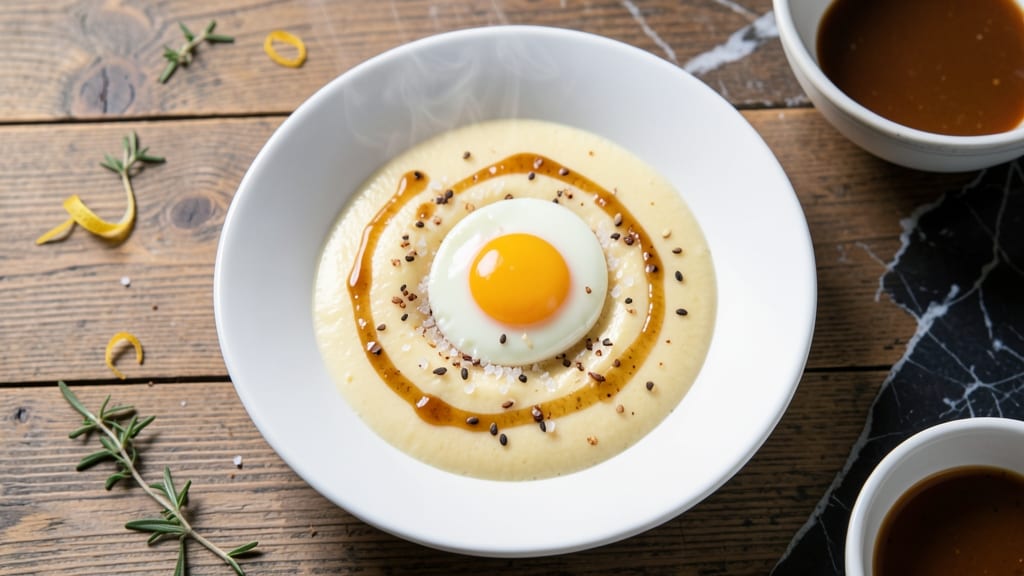
This steamed eggs with milk recipe delivers a luxurious texture—silky custard inside with a delicate golden crust on top. The technique transforms simple eggs and milk into a restaurant-worthy dish that’s surprisingly easy to master at home.
I’ve refined this method over years to ensure perfect doneness every time, whether you prefer it firm or jiggly.
The secret lies in precise steaming: gentle heat transforms the egg-milk mixture into velvety silk while the top develops a delicate sheen. This method works for both classic Chinese milk eggs and lighter Japanese-inspired variations.
The result is a dish that’s creamy, slightly sweet, and subtly aromatic—ideal for breakfast or dessert.
What makes this recipe stand out is its versatility. Serve it plain as a delicate custard, or enhance it with a sprinkle of cinnamon, sesame seeds, or fresh herbs.
The texture is what truly impresses—firm enough to hold its shape yet tender enough to melt in your mouth. Once you try homemade, store-bought versions won’t compare.
Perfect for special occasions or a simple treat, this dish requires just a few ingredients and minimal effort. The process is foolproof, and the results are consistently luxurious. Let’s create something extraordinary with just eggs, milk, and patience—no fancy equipment needed.
Ingredients for steam egg with milk
Four eggs and a cup of milk transform into restaurant-quality steamed custard with golden perfection.
| Ingredient | Amount | Notes |
|---|---|---|
| Large Eggs 🥚 | 4 whole | Fresh, room temperature preferred |
| Whole Milk 🥛 | 1 cup | Full-fat for optimal creaminess |
| Granulated Sugar 🍚 | 1 tbsp | Adjust for sweetness preference |
| Diamond Crystal Kosher Salt 🧂 | ¼ tsp | Fine grain preferred |
| Unsalted Butter 🧈 | ¼ tbsp | Cold, cubed for topping |
| Sesame Seeds 🌾 | 1 tsp | Toasted for garnish |
| Ground Cinnamon 🌿 | ¼ tsp | Optional for subtle warmth |
| Fresh Dill Sprigs 🌿 | 2 whole | For aromatic garnish |
| Water 💧 | 1 cup | For steaming setup |
| Heavy Cream 🥛 | ¼ cup | Optional for extra richness |
| Rice Vinegar 🍶 | ½ tsp | For delicate acidity |
The quality of your eggs makes all the difference—pasture-raised eggs yield the richest texture, but any high-quality eggs will work. Whole milk is essential for that velvety finish; skim or almond milk will produce a lighter result. For the best experience, source milk from local dairies or premium brands like Organic Valley. The butter should be unsalted to control the final seasoning, and European-style butter like Plugrá adds extra richness. Keep all ingredients at room temperature for even cooking—cold eggs and milk create uneven textures.
No sesame seeds? Toasted poppy seeds or crushed pistachios work beautifully as alternatives. Short on butter? Coconut oil or ghee provides a similar golden sheen. For a lighter texture, replace half the milk with heavy cream, but be prepared for a slightly shorter steaming time. The rice vinegar is optional but adds a subtle brightness that balances the richness. If you prefer a sweeter profile, increase the sugar to 1.5 tablespoons. For those avoiding dairy, full-fat coconut milk can replace the milk and cream, though the texture will be slightly denser.
Steamed eggs keep beautifully in the refrigerator for up to 3 days when stored in an airtight container submerged in water. For best results, reheat gently in a steamer for 5-7 minutes to restore their silky texture. The butter topping should be added fresh before serving to maintain its crispness. Freeze for up to 1 month by wrapping each custard tightly in plastic wrap and submerging in water before freezing. Thaw overnight in the refrigerator before reheating. Garnishes like sesame seeds and dill can be added fresh after reheating for maximum aroma.
Why You'll Love This Recipe
- I’ll be real: I used to hate making custards because of the leftovers mess. Not this. The recipe scales perfectly—double it for a crowd, halve it for two—and what’s left? Just as good cold the next day. Plus, whole milk and eggs are already budget staples, so you’re not breaking the bank for something this indulgent.
- Five-Ingredient Magic: I swear, this recipe is the kind of thing that makes you question why you ever cooked anything complicated. Just eggs, milk, sugar, salt, and butter—no fancy gadgets, no last-minute grocery runs. Honestly, I’ve made it while chatting on the phone, and it still turned out exactly right.
- Silky-Smooth Payoff: That first bite? Pure cloud-like perfection. The eggs stay tender and custardy while the milk caramelizes just enough to add this subtle, creamy sweetness—like a cross between a crème brûlée and a soft-boiled egg, but way better. Between us, it’s the kind of dish that makes you pause mid-spoonful.
- Breakfast or Dessert?: Here’s what sold me—this works for both. Serve it warm with toast for a lazy Sunday morning, or chill it overnight and top with a sprinkle of cinnamon for an after-dinner treat. My college-aged son now texts me when he’s craving something "fancy but easy," and this is always his go-to.
Step-by-step instructions for steamed eggs with milk
Master the delicate balance of silken texture and crispy golden tops with precise technique.
Prepare the Steaming Base
Combine the 1 cup water and 1 cup whole milk in a heatproof bowl that fits snugly over a saucepan. Place this bowl inside a larger pot filled with about 2 inches of boiling water, ensuring the bottom of the bowl doesn't touch the water. The indirect heat creates gentle, even steam without direct contact that could break the eggs.
Bring the water in the larger pot to a gentle simmer—you should see fine, wispy steam rising but not a rolling boil. This controlled environment is crucial for achieving that signature velvety texture. Keep the heat at medium-low throughout the cooking process to maintain consistent temperature.
Whisk Egg Mixture to Perfection
In a separate bowl, whisk together the 4 whole large eggs, 1 tablespoon granulated sugar, and ¼ teaspoon Diamond Crystal kosher salt until completely combined and smooth. The sugar helps create that delicate crispy top while the salt enhances the overall flavor profile. I like to whisk for about 30 seconds to ensure no streaks remain.
Gradually whisk in the ½ teaspoon rice vinegar and ¼ cup heavy cream (if using) until fully incorporated. The vinegar adds subtle acidity that brightens the rich egg flavor, while the cream contributes luxurious mouthfeel. The mixture should be homogenous and slightly thickened—this consistency is essential for achieving the signature silk-like texture.
Steam the Eggs to Velvety Texture
Strain the egg mixture through a fine-mesh sieve directly into the prepared steaming bowl to remove any potential lumps. Place the bowl back over the simmering water and cover with a tight-fitting lid. Steam for exactly 12-14 minutes—this precise timing ensures the eggs reach that perfect set without becoming rubbery.
You'll know they're ready when the edges begin to set slightly but the center still has a gentle wobble—like warm custard. The steam creates a gentle cooking environment that transforms the liquid eggs into a silken mass with a delicate, almost custard-like consistency. Avoid peeking during this time as the temperature fluctuations can affect the texture.
Create the Golden Crisp Top
Remove the bowl from the steaming setup and let it rest for 2 minutes before carefully removing the lid. Sprinkle the ¼ teaspoon unsalted butter (cubed) evenly over the surface, then dust with 1 teaspoon sesame seeds and ¼ teaspoon ground cinnamon for aromatic depth.
Place the bowl under a preheated broiler for 1-2 minutes until the top develops a beautiful golden-brown crust. Watch carefully—this step requires close attention to achieve that perfect contrast between the crisp exterior and silken interior. The butter adds richness while the sesame seeds provide texture and subtle nuttiness.
Garnish and Serve Immediately
Remove from the broiler and immediately garnish with the 2 fresh dill sprigs, gently pressing them into the surface. The dill adds a bright, herbal note that complements the rich egg mixture. Serve immediately while the top is still crisp and the interior maintains its luxurious silk-like texture.
Each serving should reveal a beautifully set egg with a delicate golden crust on top and a smooth, custard-like interior. The contrast in textures and temperatures makes this dish truly special—warm, crispy top with cool, silken egg beneath. For best results, serve with a side of steamed rice or fresh fruit to balance the richness.
Pro Tips For Making Steam Egg With Milk
- Use Room-Temperature Eggs: Cold eggs from the fridge drop straight to the bottom of your milk mixture like a rock, making them harder to steam evenly. Let them sit out for 20-30 minutes before cracking—this lets the whites hold their shape better and gives you that silky, cloud-like texture everyone loves.
- Salt the Milk First: I learned this the hard way—adding salt after the eggs are steaming just makes the water taste flat. Dissolve the kosher salt (about ½ teaspoon) directly into the warm milk before pouring it over the eggs. The salt infuses evenly, and the eggs absorb that clean, balanced flavor instead of tasting like they’re swimming in plain liquid.
- Steam on Medium-Low Heat: High heat turns your steam egg into a scrambled mess. Keep the heat at a gentle simmer—you should see tiny bubbles breaking the surface, not a rolling boil. If you’re unsure, hold your hand a few inches above the pot: it should feel warm but not scorching. This keeps the whites tender and the yolks creamy.
- Butter the Pan Before Steaming: A thin layer of melted butter (about 1 tablespoon) on the bottom of your pot prevents the eggs from sticking when you lift them out. Use a silicone spatula to coat the sides too—this makes the cleanup easier and gives the eggs a subtle richness that dry pans can’t match. (Yes, even if you’re not serving it with toast.)
Serving suggestions for steam egg with milk
Breakfast Showstopper
Serve these steamed eggs as the centerpiece of a luxurious breakfast spread. The delicate golden crust and silky interior make them perfect alongside Japanese-style steamed rice or warm brioche.
I like to plate them with a drizzle of honey and a sprinkle of flaky sea salt—the contrast of textures and temperatures is pure indulgence. 🥢
Dessert Delight
For a sophisticated dessert, reduce the sugar to ½ tablespoon and add ½ teaspoon vanilla extract to the egg mixture. Serve chilled with a dollop of whipped cream and fresh berries.
The subtle sweetness and creamy texture make it feel like a gourmet custard tart without the fuss. Perfect for brunch or a light afternoon treat!
Herbal Infusions
Elevate the dish with aromatic garnishes. Fresh mint leaves or basil add brightness, while edible flowers like nasturtiums bring a pop of color. I also love a pinch of za'atar for Middle Eastern flair—its sesame-citrus notes complement the egg beautifully. Garnish just before serving to preserve freshness.
Savory Variations
Transform this into a savory dish by omitting sugar and adding 1 teaspoon soy sauce and ½ teaspoon grated ginger to the egg mixture. Top with scallions and a drizzle of chili oil for a Chinese-inspired milk egg twist.
The umami depth makes it a fantastic appetizer or light lunch option.
Pairing Perfection
Complement with green tea like Sencha or jasmine to balance the richness. For a boozy pairing, a crisp Sake or dry Riesling enhances the dish's delicate flavors. Avoid heavy wines—they can overpower the subtle egg-milk profile. A simple lemon wedge on the side adds freshness to each bite.
Make-Ahead Magic
Prepare the egg mixture in advance and refrigerate for up to 24 hours before steaming. Reheat gently in a steamer for 8-10 minutes to restore texture. I often make a double batch on Sundays for quick breakfasts all week.
Store garnishes separately and add them fresh before serving to keep flavors vibrant. ✨
Nutrition facts
Frequently asked questions
Why does my steamed egg with milk turn out rubbery instead of silky?
Overcooking is the most common cause—steam for exactly 12-14 minutes only! Use a gentle simmer (fine wispy steam) and avoid peeking. Also, ensure your egg mixture is properly whisked and strained to remove lumps. Cold ingredients or uneven heat distribution can also create rubbery texture.
Can I make this recipe without a steamer basket?
Use a heatproof bowl that fits snugly over a saucepan with 2 inches of simmering water. The key is indirect steam—never let the bowl touch the water. A metal colander or even a double boiler setup works perfectly for achieving that signature texture.
What's the difference between this and Chinese milk eggs?
This recipe creates a delicate custard texture while traditional Chinese milk eggs are firm and marbled with preserved egg yolk. Our version uses steaming with milk for silkiness, while Chinese milk eggs involve long preservation in brine. Both are delicious but serve different culinary purposes!
How do I adjust the recipe for a firmer texture?
Increase steaming time by 2-3 minutes (up to 16 minutes) and reduce the milk by ¼ cup. For extra firmness, whisk in 1 tablespoon cornstarch with the eggs. The sugar amount can stay the same—it primarily affects the top crust, not the interior firmness.
Can I use plant-based milk instead of dairy?
Yes, but expect a lighter texture. Use full-fat coconut milk (1:1 ratio) for best results, as it has similar fat content. Avoid almond milk—it's too thin and won't create the same silken consistency. The flavor will be subtly different but still delicious when paired with complementary garnishes.