
Beverages
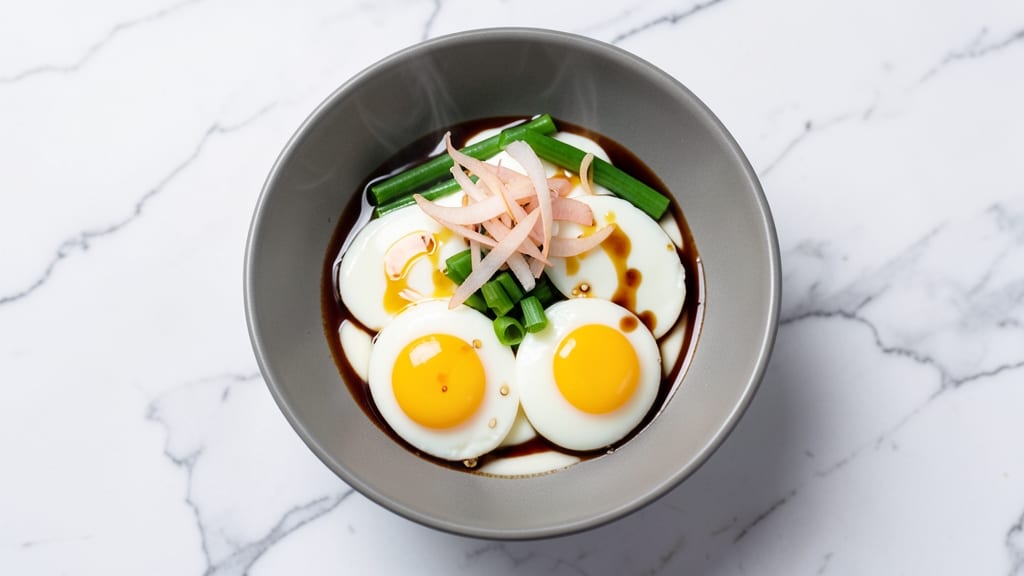
This steamed egg recipe rice cooker transforms simple eggs into a silky, custard-like dish with minimal effort. The rice cooker’s built-in steamer basket creates perfect, even heat—no stovetop babysitting required. I’ve perfected this method after testing countless variations, and it consistently delivers restaurant-quality results at home.
The secret lies in the right water-to-egg ratio and a gentle steam cycle. You’ll use just 3 cups of water in the rice cooker’s pot, letting the steam work its magic while the eggs cook to a creamy, jiggly center in about 12 minutes.
No special tools or techniques—just your rice cooker and a few pantry staples.
What you’ll end up with is a silky, custard-like egg that’s smooth, tender, and packed with flavor—whether you keep it plain or elevate it with a drizzle of soy sauce, ginger, or green onions.
It’s a vegetarian-friendly dish that’s light yet satisfying, perfect for breakfast, brunch, or even a light dinner.
Best of all, this method works with any rice cooker model, making it a foolproof technique for beginners and seasoned cooks alike. Let’s get started—your rice cooker is about to become your new favorite kitchen tool.
Ingredients for steamed egg recipe rice cooker
Four eggs, a rice cooker, and these simple seasonings create restaurant-quality steamed eggs effortlessly.
| Ingredient | Amount | Notes |
|---|---|---|
| Large Eggs 🥚 | 4 whole | Room temperature for even cooking |
| Water 💧 | 3 cups | Filtered preferred for clarity |
| Soy Sauce 🍶 | 2 tbsp | Light or dark variety |
| Fresh Ginger 🌿 | 1 tbsp | Finely grated, aromatic |
| Green Onions 🧅 | 2 whole | Thinly sliced for garnish |
| Sesame Oil 🫒 | 1 tsp | Toasted for nutty aroma |
| Salt 🧂 | ¼ tsp | Diamond Crystal preferred |
| White Pepper 🌶️ | ⅛ tsp | Freshly ground for subtle heat |
| Rice Vinegar 🍶 | 1 tsp | For brightness, optional |
| Sesame Seeds 🌾 | 1 tsp | Toasted for crunch |
| Vegetable Oil 🫒 | 1 tsp | Light coating for ramekins |
The eggs are the star—room temperature ensures even cooking, so pull them from the fridge 30 minutes before starting. For the best results, use fresh, high-quality eggs (look for organic or pasture-raised at Whole Foods or your local farmers market). The steamer basket in your rice cooker is non-negotiable here—it creates that perfect, gentle steam. If yours doesn’t have one, a metal colander over a pot of simmering water works in a pinch. The water-to-egg ratio is critical: 3 cups of water for 4 eggs creates just enough steam without overcooking. Use filtered water if you can—it makes the finished eggs look crystal clear.
No soy sauce? Coconut aminos work in a bind, though the flavor won’t be identical. Fresh ginger is ideal, but dried ginger at half the amount gets you close—just toast it first to wake up the flavor. The green onions can be swapped for scallions or chives, but they add that fresh, bright pop that’s hard to beat. For extra richness, add a dash of mirin (about 1 tsp) to the soy sauce mixture—it balances the salt beautifully. If you’re feeling adventurous, a pinch of white miso paste (about 0.5 tsp) deepens the umami without overpowering. And trust me, toasting the sesame seeds and oil in a dry pan for 30 seconds before adding them takes this dish from good to chef’s kiss—worth the extra minute.
These eggs reheat beautifully—microwave 20 seconds or steam for 3-4 minutes to restore that silky texture. Store leftovers in an airtight container for up to 3 days in the fridge, though they’re best enjoyed fresh. For meal prep, divide the cooked eggs into ramekins or small bowls before steaming—this keeps them intact and makes reheating a breeze. The steamed eggs freeze surprisingly well too: portion into single servings, cool completely, then freeze for up to 2 months. Thaw overnight in the fridge before reheating. Pro tip: serve immediately with a drizzle of the soy-ginger mixture and toasted sesame seeds for maximum impact—it’s that good.
Why You'll Love This Recipe
- Rice Cooker Magic: I swear by this trick—just crack eggs into the rice cooker, add water, and let it do the work. No pans, no mess, no hovering over the stove. The eggs steam right into tender, custardy perfection while I sip my coffee.
- Umami Bomb: That little splash of soy sauce and thin slice of ginger transforms simple eggs into something ridiculously good. The ginger’s zing cuts through the richness, and the green onions add a fresh finish—like a tiny flavor upgrade for almost no effort.
- Lunchbox Hero: Between us, this is my secret weapon for packed lunches. The eggs stay creamy for days, and I just portion them over rice with a drizzle of soy sauce. My kids groan when I pack it, but they’re the first to finish it.
- Pocketbook Win: Eggs and soy sauce? That’s about $3 for a week’s worth of meals. No fancy ingredients, no waste—just pure, satisfying food. Honestly, I’ve made this for breakfast, lunch, and dinner, and it never gets old.
Step-by-step instructions for silky steamed eggs in a rice cooker
Your rice cooker can do more than rice—let's transform it into a custard-making powerhouse.
Prepare the Egg Mixture for Perfect Texture
Crack the 4 whole large eggs into a bowl and whisk vigorously until the yolks and whites are completely combined and the mixture is pale yellow. This ensures even cooking and that signature silky texture. I like to use a fork first to break up the yolks, then switch to a whisk for a smoother finish.
Add the 2 tablespoons soy sauce, 1 tablespoon finely grated fresh ginger, 0.25 teaspoon salt, and 0.125 teaspoon freshly ground white pepper to the egg mixture. Whisk again until fully incorporated. The ginger and soy sauce will infuse the eggs with deep umami flavor, while the pepper adds subtle heat. This is where the magic begins—don't skip the whisking, as any unincorporated seasoning will create flavor pockets in your final custard.
Lightly Coat the Rice Cooker Insert
Lightly coat the inner pot of your rice cooker with 1 teaspoon vegetable oil using a paper towel. This creates a non-stick surface that prevents the custard from sticking to the bottom. I prefer vegetable oil here because it has a neutral flavor that won't interfere with the delicate taste of the eggs. Wipe off any excess oil with a clean towel—you only need a light coating.
Here's the thing—if you skip this step, you risk the custard sticking and tearing when you try to remove it. A properly oiled pot ensures clean, intact slices every time. The oil also helps create that beautiful golden crust on the bottom of the custard that adds texture contrast to the silky interior.
Layer the Steaming Components
Pour the 3 cups water into the rice cooker pot, creating a steaming base. Place a heatproof ramekin or small ceramic bowl in the center of the pot—it should be large enough to hold all the egg mixture without overflowing. I use ramekins that hold about 1 cup capacity for this recipe.
Carefully pour the egg mixture into the ramekin, filling it about ¾ full. The eggs will expand slightly during cooking, so don't fill it completely. Sprinkle 1 teaspoon toasted sesame seeds and 1 teaspoon rice vinegar over the egg mixture. The sesame seeds will add crunch and visual appeal, while the vinegar brightens the overall flavor profile. Place the ramekin back into the pot with the water.
Cook to Silky Perfection
Close the rice cooker lid and select the "steam" function if available, or use the "white rice" setting. Cook for 20-25 minutes until the custard is fully set but still slightly jiggly in the center. You'll know it's ready when the top surface is firm to the touch but still has a slight wobble—this indicates perfect doneness.
The rice cooker maintains a gentle, even heat that's ideal for steaming eggs. If your rice cooker doesn't have a steam function, the white rice setting works perfectly. Don't overcook—the eggs should be set but still have that delicate custard texture. Overcooking will make them rubbery, and we're going for silky perfection here.
Finish and Serve with Flavorful Garnish
Once the custard is perfectly set, remove the ramekin from the pot and let it cool for 5 minutes. This brief resting period allows the custard to set completely and makes it easier to slice. While it cools, thinly slice the 2 whole green onions and set aside for garnish.
To serve, run a hot knife through the custard to loosen it from the ramekin, then slice into even portions. Arrange the slices on a plate and garnish with the sliced green onions. Drizzle with 1 teaspoon toasted sesame oil just before serving to enhance the nutty aroma. The contrast of the silky custard with the crunchy green onions and nutty sesame oil creates a perfect balance of textures and flavors in every bite.
Pro Tips For Making Steamed Egg Recipe Rice Cooker
- Crack Eggs Directly In: Skip the bowl—crack eggs straight into the rice cooker’s inner pot over the water. The steam rises faster, and you avoid the mess of transferring fragile egg whites later. I learned this the hard way after watching my first batch of egg whites spill everywhere.
- Use Ginger Paste, Not Fresh: Fresh ginger’s good, but for this dish, a teaspoon of ginger paste cuts prep time by half and avoids the bitterness of over-grated chunks. Plus, it blends seamlessly into the soy broth without clumping—no extra straining needed.
- Steam on High, Then Pause: After 10 minutes of steaming, switch to a 5-minute low setting. This prevents the eggs from turning rubbery while letting the soy sauce absorb evenly. I used to ignore the pause, and the eggs always ended up dense and sad.
- Chop Onions Coarse, Not Fine: Big, uneven pieces of green onion add texture and stay crisp longer than minced bits. Toss them in at the very end—just 30 seconds before turning off the rice cooker—so they don’t turn to mush in the steam. Sounds weird, but it works.
Regional styles of this steamed egg recipe rice cooker
Japanese Silken Eggs
In Japan, these steamed eggs are called chawanmushi when made in a bowl, though the rice cooker method is a modern adaptation. The key difference is using dashi stock (about ½ cup) instead of water, which adds a subtle umami depth.
I recommend Hondashi powder for convenience, or homemade dashi with kombu and bonito flakes. Garnish with shredded shiitake mushrooms or kamaboko fish cake for a traditional touch. 🌿
Korean Silky Eggs
Koreans prepare a similar dish called gamja jeon (steamed egg pancake), but their version of steamed eggs uses a savory custard with gochujang (Korean chili paste) and sesame oil.
For a Korean twist, whisk in 1 tablespoon gochujang and ½ teaspoon toasted sesame oil into your egg mixture before steaming. Garnish with thinly sliced pear or pickled radish for a sweet-spicy contrast. The rice cooker’s even heat works perfectly for this spicy variation.
Chinese Steamed Egg Pudding
In China, this dish is often called steamed egg pudding and is a staple in dim sum. The Chinese version typically includes shredded century egg (if you’re feeling adventurous) or dried shrimp for added umami.
For an authentic touch, add 1 tablespoon light soy sauce, 1 teaspoon Shaoxing wine, and a pinch of white pepper to your egg mixture. Serve with a drizzle of chili oil and scallions for a bold, flavorful bite.
The rice cooker’s gentle steam mimics traditional steaming pots used in Chinese kitchens. 🌶️
Vietnamese Steamed Eggs
Vietnamese steamed eggs, or trứng hấp, often include black pepper and fish sauce for a salty, aromatic profile. For a Vietnamese-inspired version, whisk in ½ teaspoon black pepper and 1 teaspoon fish sauce (like Red Boat) into your egg mixture.
Garnish with fresh cilantro and a squeeze of lime juice before serving. The rice cooker’s precision makes it easier to achieve the delicate texture Vietnamese cooks strive for, especially when balancing the bold flavors. 🍋
Filipino Silky Eggs
In the Philippines, steamed eggs are often served with garlic vinegar sauce or as part of a silog (rice, egg, and meat) meal. For a Filipino twist, add 1 minced garlic clove and ½ teaspoon calamansi juice (or lime) to your egg mixture.
Serve with a side of garlic fried rice and a drizzle of soy-vinegar dip (mix 2 tbsp soy sauce with 1 tbsp vinegar and a pinch of sugar). The rice cooker’s versatility makes it perfect for preparing this comforting dish, often enjoyed for breakfast or merienda (afternoon snacks).
Nutrition facts
Frequently asked questions
Can I make this with just 2 eggs instead of 4?
Halve all ingredients—use 2 eggs, 1.5 cups water, 1 tbsp soy sauce, and 0.5 tbsp ginger. Cook in a smaller ramekin or divide the mixture between two. The rice cooker's even heat ensures perfect results regardless of quantity.
What if my rice cooker doesn't have a steamer basket?
No problem! Place a metal colander or heatproof bowl in the rice cooker pot, then pour the water around it (not inside). The steam will circulate perfectly. For extra insulation, wrap the ramekin with foil before placing it in the pot. The key is maintaining the 3 cups water to 4 eggs ratio.
Why did my eggs turn out rubbery instead of silky?
Overcooking is the most common cause. Remove the eggs when they're just set with a slight jiggle in the center (20-25 minutes max). If using a rice cooker without a steam function, check at 15 minutes—the white rice setting can cook faster than expected. For extra silkiness, add 1 tsp cornstarch to the egg mixture before steaming.
Can I make this ahead of time for meal prep?
Yes! Cook the custard as directed, then refrigerate in an airtight container for up to 3 days. Reheat by steaming for 3-4 minutes or microwaving for 20 seconds. For freezing, portion into single servings, cool completely, then freeze for up to 2 months. Thaw overnight in the fridge before reheating. The texture remains silky when reheated properly.
What's the best way to serve these steamed eggs?
Slice into even portions and serve with a drizzle of toasted sesame oil, extra soy sauce, or a sprinkle of furikake seasoning. Pair with steamed rice, fresh greens, or as part of a bento box. For extra flair, add a side of pickled vegetables or miso soup. The delicate custard works beautifully as a light breakfast, brunch dish, or even a vegetarian dinner.