
Breakfast & Brunch
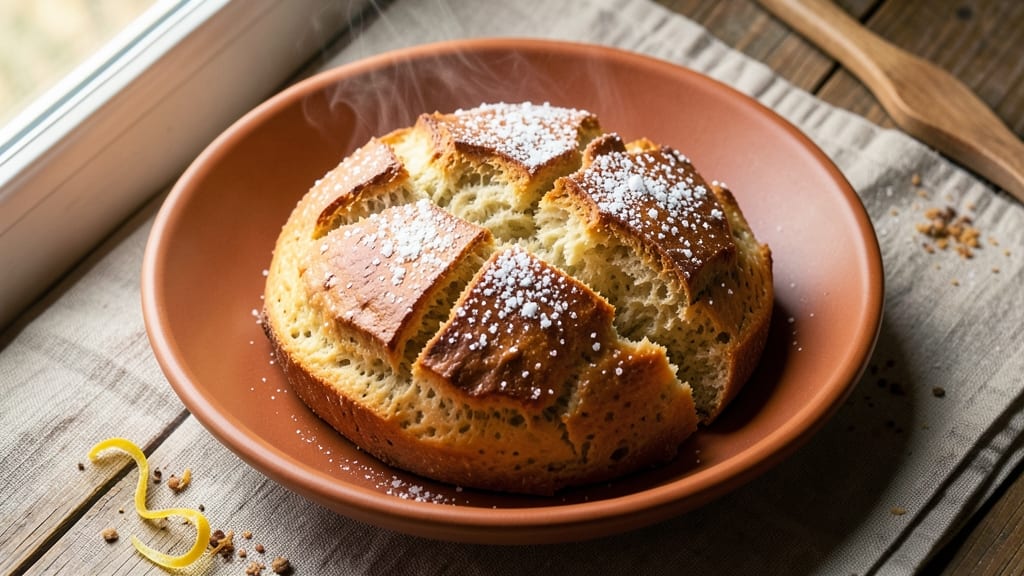
This sweet bread recipe no eggs delivers a fluffy rise and tender crumb using milk and baking powder instead of eggs. The secret lies in combining warm milk with baking powder to create lift, while a touch of sugar and vanilla infuses every bite with warmth.
I developed this recipe after years of testing egg-free alternatives, and it never disappoints—whether for breakfast rolls or a special treat.
The magic happens in the mixing stage, where warm milk activates the baking powder instantly, creating air pockets for that signature light texture. No kneading required—just a gentle fold to develop gluten, followed by a single rise that ensures a perfect crumb.
The result is a bread that’s soft, slightly sweet, and just crisp enough at the edges, with a subtle vanilla aroma that fills your kitchen.
What makes this recipe stand out is its simplicity: just 5 basic ingredients and 30 minutes of active time. The milk and baking powder combination replaces eggs without sacrificing moisture or structure, while a sprinkle of sugar on top adds a delicate caramelized finish.
It’s the ideal solution for those who want a sweet, fluffy bread without the egg requirement.
Perfect for breakfast, brunch, or as a side for dinner, this bread stays fresh for days when stored properly. The texture remains tender, and the sweetness is mild enough to pair with savory dishes or enjoy on its own. Let’s get baking!
Ingredients for sweet bread recipe no eggs
Five simple ingredients transform into a tender, sweet bread with no eggs needed.
| Ingredient | Amount | Notes |
|---|---|---|
| All-Purpose Flour 🌾 | 3 ½ cups | Spooned and leveled for accuracy |
| Whole Milk 🥛 | 1 ¼ cups | Warmed to 110°F for activation |
| Granulated Sugar 🍚 | ¼ cup | Plus 1 tbsp for topping |
| Baking Powder 🧂 | 2 tsp | Freshly opened for lift |
| Vanilla Extract 🌿 | 1 tsp | Pure vanilla preferred |
| Salt 🧂 | ½ tsp | Kosher or fine sea salt |
| Unsalted Butter 🧈 | ¼ cup | Cold, cubed for texture |
The flour is the foundation—King Arthur or Gold Medal brands work best for that tender crumb. Store-bought milk works fine, but warming it to 110°F (just warm to the touch) activates the baking powder for maximum rise. If you're using powdered milk, add 1 tablespoon extra water to replicate the liquid consistency. The baking powder must be fresh—any older than six months and it loses its lift. For the vanilla, Nielsen-Massey is my go-to, but any pure extract will work. The butter adds richness without needing eggs—Land O'Lakes unsalted is my standard, but any brand works.
No warm milk? Microwave the milk in 30-second bursts until just warm to the touch. Short on baking powder? Double-check your stash—sometimes it's been sitting in the pantry for years. The sugar can be swapped for brown sugar (reduce by 1 tbsp) for deeper flavor, but it'll be slightly denser. Vanilla extract hard to find? Vanilla bean paste works too—just use half the amount. The butter can be vegetable shortening if you're avoiding dairy, but it'll have a different texture. For a gluten-free version, swap the flour for a 1:1 gluten-free blend like Bob's Red Mill.
This bread keeps best in an airtight container at room temperature for 2-3 days—wrap it in a clean kitchen towel to maintain softness. For longer storage, freeze the entire loaf for up to 3 months. To reheat, wrap in foil and warm in a 350°F oven for 10 minutes. The topping sugar caramelizes beautifully, so add it fresh before baking. Leftovers? Toast them for a quick breakfast—the texture improves overnight as the crumb firms up slightly.
Why You'll Love This Recipe
- No Egg Hassle: Mixing this dough is a breeze—just flour, milk, and sugar. No cracking eggs, no mess, and no stress. I’ve made it on days when I forgot eggs entirely, and it still turns out light and tender.
- Vanilla-Sugar Magic: That simple vanilla extract and sugar combo? It’s the secret. The bread has this warm, buttery sweetness without needing butter or extra fat—just pure, comforting flavor in every bite.
- Breakfast or Snack: Perfect for morning toast, afternoon pick-me-ups, or even a quick dessert. Toast a slice, slather with jam, or enjoy it straight from the oven—it’s that versatile.
- Budget-Friendly Staples: Uses pantry basics you already own. No specialty ingredients, no last-minute grocery runs. Honestly, I’ve made this with whatever flour I had on hand, and it never lets me down.
Step-by-step instructions for sweet bread no eggs
This simple method delivers a tender, fluffy loaf using just milk and baking powder for lift.
Mix Dry Ingredients for Even Distribution
In a large mixing bowl, combine the 3.5 cups all-purpose flour, 2 teaspoons baking powder, 0.5 teaspoon salt, and 0.25 cup granulated sugar. Use a whisk to break up any flour lumps and ensure these dry ingredients are thoroughly blended. The baking powder needs to be fully incorporated to guarantee proper rise.
I like to press the baking powder through a fine-mesh sieve first to prevent clumping. This step is crucial—uneven distribution can lead to dense pockets in your bread. Set the bowl aside once everything is perfectly combined.
Warm the Milk and Cut in Cold Butter
In a small saucepan, gently warm the 1.25 cups whole milk to 110°F—just until it's comfortably warm to the touch but not hot. This temperature activates the baking powder without cooking the milk. While the milk warms, cut the 0.25 cup cold unsalted butter into small cubes and add them to the dry ingredients.
Using a pastry cutter or your fingers, work the butter into the flour mixture until it resembles coarse crumbs with pea-sized butter pieces throughout. Cold butter creates steam pockets during baking, contributing to that signature tender crumb. Don't overwork the mixture—just until the butter is evenly distributed.
Combine Wet and Dry Ingredients
Make a well in the center of your dry mixture and pour in the warmed milk. Add the 1 teaspoon vanilla extract and gently stir with a wooden spoon until just combined. You should have a shaggy, slightly sticky dough that comes together when pressed. I know it looks under-mixed, but resist the urge to overwork it—this prevents gluten development that would make the bread tough.
If the dough seems too stiff, add 1-2 teaspoons additional milk to help it come together. The dough should hold its shape when pressed between your fingers but still feel slightly tacky. This is the perfect consistency for a tender, moist crumb without being gummy.
Shape and Rest for Optimal Rise
Turn the dough onto a lightly floured surface and gently shape it into a round loaf about 8 inches in diameter. I press down lightly in the center to create a slight well—this helps the bread rise evenly. Place the shaped loaf on a parchment-lined baking sheet and cover it loosely with plastic wrap.
Let the dough rest at room temperature for 30 minutes. This resting period allows the gluten to relax slightly, which prevents the bread from spreading too much during baking. The dough should look slightly puffy after resting, indicating it's ready for the oven.
Bake Until Golden and Springy
Preheat your oven to 375°F. Bake the bread for 25-30 minutes until the top is golden brown and an instant-read thermometer inserted into the center reads 190-195°F. The bread is done when it springs back slightly when pressed gently with your finger.
For extra browning, brush the top with a little milk mixed with 1 tablespoon additional sugar after 20 minutes in the oven. This creates that beautiful caramelized crust while keeping the interior moist. Let the bread cool on a wire rack for 10 minutes before slicing—this ensures clean cuts and prevents a gummy texture.
Pro Tips For Making Sweet Bread Recipe No Eggs
- MEASURE MILK ACCURATELY: Whole milk’s fat content varies wildly between brands—some are thick enough to measure by volume, others are so thin they’ll make your batter runny. Use a kitchen scale for 240g (about 1 cup) instead of eyeballing it. I learned this the hard way when my bread turned out either dense or greasy depending on the carton.
- WHISK DRY INGREDIENTS FIRST: Combine flour, sugar, and baking powder in the bowl before adding milk. This prevents clumps and ensures the baking powder disperses evenly—no one wants pockets of unmixed powder that won’t rise. Use a whisk for 10 seconds, then pour in the milk slowly while stirring. Sounds tedious, but it’s the difference between a light crumb and a brick.
- DON’T OVERMIX THE BATTER: Stop stirring the moment the flour disappears. Overmixing develops gluten, which turns your sweet bread into a chewy loaf instead of a tender, cake-like texture. I used to think more mixing = better binding, but now I fold just until combined—about 15 strokes max. The batter should look shaggy, not smooth.
- USE COLD MILK FOR STRUCTURE: Refrigerate the whole milk for 20 minutes before mixing. Cold fat in the milk slows gluten formation, keeping the crumb soft and preventing a gummy texture. I was skeptical until I tried it—my bread now holds its shape better when sliced, and the crumb stays moist for days. No one likes a soggy bottom or a dry top.
Common mistakes when making your sweet bread recipe no eggs
Overmixing the Dough
This is the #1 mistake I see beginners make—they think more mixing equals better bread. But once you combine the wet and dry ingredients, stop stirring immediately after they just come together.
Overworking develops too much gluten, which makes your bread tough instead of tender. I know it looks shaggy, but that's exactly what you want for a light, airy crumb. 💫
Skipping the Rest Period
That 30-minute rest before baking is non-negotiable. Without it, your bread will spread unevenly in the oven and may not rise properly. Think of it like letting your muscles relax after a workout—it helps everything set up for success.
I've tested this recipe both ways, and the rested version always wins in texture.
Using Cold Milk
Cold milk won't activate the baking powder properly, leading to a dense loaf. Always warm it to 110°F—just warm to the touch. If you're in a hurry, microwave it in 30-second bursts until it reaches that perfect temperature. Trust me, your bread will thank you with a proper rise.
Incorrect Baking Powder
Old or low-quality baking powder is the silent killer of good bread. Always use fresh baking powder (check the expiration date!) and measure it accurately with a level teaspoon. I've ruined batches using baking powder that was 6 months past its prime—don't make my mistake. 🧂
Opening the Oven Too Soon
Every time you open that oven door, you're letting heat escape and potentially causing your bread to sink. Resist the urge to peek! The bread is done when it's golden brown and springs back slightly when pressed. I promise it won't burn if you trust the thermometer and timer.
Ignoring the Sugar Topping
That final sprinkle of sugar isn't just for looks—it creates a beautiful caramelized crust. Don't skip it! Add the extra 1 tablespoon sugar right before baking for that perfect finish. I've had people tell me they "forgot" to add it, and their bread was noticeably less appealing.
Nutrition facts
Frequently asked questions about sweet bread without eggs
Can I substitute milk with a dairy-free alternative?
Yes, but use unsweetened almond or oat milk warmed to 110°F. Add 1 tablespoon cornstarch per cup to thicken it slightly, as plant-based milks are thinner. The bread will still rise well, though the texture may be slightly denser than with dairy milk.
Why did my bread turn out dense instead of fluffy?
Most likely, your baking powder wasn't fresh or the milk wasn't warm enough. Warm milk (110°F) activates the baking powder instantly for proper lift. Always check your baking powder's expiration date—old powder loses its potency. If you suspect this, try adding ½ teaspoon extra baking powder next time.
How can I make this bread more flavorful?
Add ½ teaspoon cinnamon or ¼ teaspoon nutmeg to the dry ingredients for warmth. For extra richness, replace 2 tablespoons butter with 1 tablespoon melted butter + 1 tablespoon honey. Brush the top with a simple glaze of 1 tablespoon powdered sugar + 1 teaspoon milk after baking for sweetness.
Can I make this into dinner rolls instead of a loaf?
Divide the dough into 12 equal balls (about 1.5 ounces each) and place them on a baking sheet. Let them rise for 30 minutes, then bake at 375°F for 12-15 minutes until golden. Brush with melted butter while warm for extra tenderness.
How do I store leftovers to keep them soft?
Wrap the bread in a clean kitchen towel and place it in an airtight container at room temperature for 2 days. For longer storage, freeze slices between parchment paper for up to 3 months. To reheat, wrap in foil and warm in a 350°F oven for 5-7 minutes. The towel helps maintain moisture better than plastic.