
Breakfast & Brunch
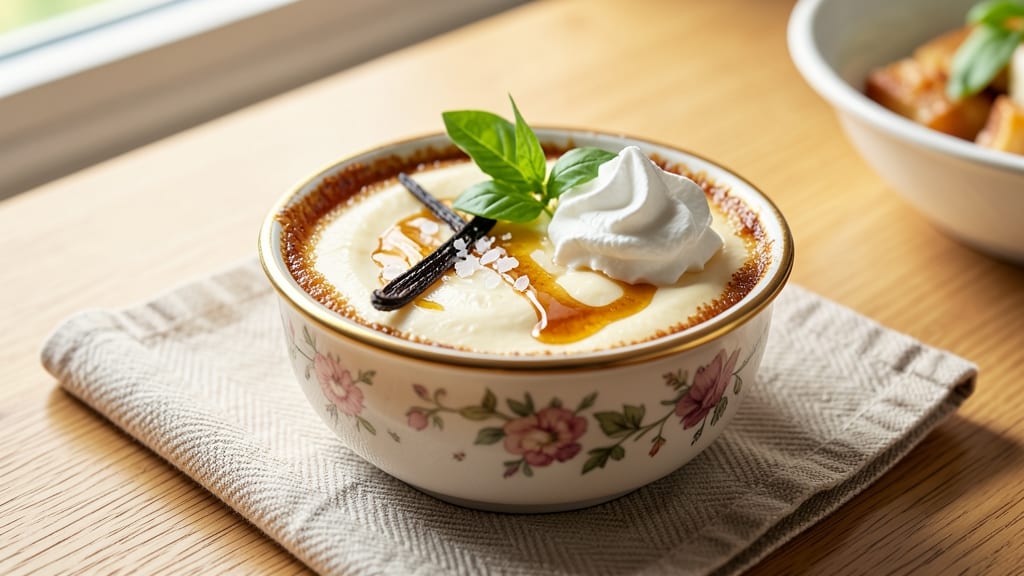
This sweet egg custard recipe delivers the perfect balance of silky vanilla and rich caramel—every bite is a velvety revelation. The secret lies in precise egg-to-milk ratios and gentle heat, creating a texture that's impossibly smooth yet just set enough to hold its shape.
I've perfected this technique over years of testing, ensuring no lumps, no graininess, just pure, luxurious custard that tastes like a cross between crème brûlée and flan.
The foundation starts with a golden caramel base that adds depth without overpowering the delicate vanilla flavor. Quality matters here—use full-fat milk for richness and vanilla beans instead of extract for authentic aroma.
This recipe works equally well baked in ramekins or made stovetop in a double boiler, giving you flexibility for any occasion.
What you'll end up with is a custard so creamy it practically melts in your mouth, with a subtle caramel undertone that lingers. The vanilla infusion creates that signature comforting flavor, while the gentle setting process ensures it's firm enough to slice but still tender.
Serve chilled with fresh berries or a sprinkle of toasted nuts for added texture.
Perfect for breakfast brunch or dessert tables, this custard impresses with its restaurant-quality texture while remaining simple enough for home cooks. The method is foolproof once you understand the key ratios and heat control—no special equipment needed beyond what you likely already own.
Ingredients for sweet egg custard
Six ingredients, two techniques—caramel base meets velvety vanilla custard perfection.
| Ingredient | Amount | Notes |
|---|---|---|
| Large Egg Yolks 🥚 | 6 whole | Room temperature preferred |
| Whole Milk 🥛 | 2 cups | Full-fat for richness |
| Granulated Sugar 🍚 | ¾ cup | White or light brown |
| Vanilla Beans 🌿 | 2 whole | Seeds scraped for infusion |
| Unsalted Butter 🧈 | 4 tbsp | Cold, cubed for caramel |
| Granulated Sugar 🍚 | ¼ cup | Extra for caramel base |
| Pinch 🧂 | 1 pinch | Diamond Crystal kosher salt |
| All-Purpose Flour 🌾 | 1 tbsp | For thickening (optional) |
| Heavy Cream 🥛 | ½ cup | Optional for extra silkiness |
The vanilla beans make all the difference. Madagascar Bourbon beans from Penzeys or your local specialty shop are ideal, but any quality vanilla bean works. Scrape the seeds carefully—no need to go overboard, just enough to infuse the milk. For the caramel, use a heavy-bottomed saucepan and watch it like a hawk. Butter matters here too—European-style unsalted (like Plugrá) adds more flavor than regular. If you're baking, grab ramekins with a diameter of about 3 inches—they're perfect for individual portions.
No vanilla beans? Pure vanilla extract at half the amount gets you close, though it lacks the depth. Running short on butter? Coconut oil works in a pinch, but it changes the flavor slightly. The flour is optional—skip it if you prefer a lighter texture, but it helps if you're making this ahead and want to thicken slightly. For the milk, whole milk is non-negotiable—skim will make the custard too thin. Want extra richness? Replace half the milk with heavy cream. The sugar can be swapped for maple syrup or honey (reduce by 1 tbsp), but white sugar keeps it classic.
Caramelized sugar sets fast—work quickly but don't rush. Once the custard is set, it keeps 3-4 days in the fridge, but it's best within 2 days. For serving, chill thoroughly before unmolding. Store leftovers covered with plastic wrap pressed directly on the surface to prevent a skin. If making ahead, underbake slightly (about 8 minutes less) and finish in the fridge—it'll set perfectly. Freezes beautifully for up to 3 months if wrapped tightly in plastic.
Why You'll Love This Recipe
- Here’s what sold me: I make a big batch on Sundays, then use it all week. Pour it into ramekins for a fancy brunch, swirl it into pancakes for a lazy morning, or dollop it over toasted brioche. Even my coffee-drinking husband sneaks bites straight from the pot.
- Just Four Ingredients: I swear, this is one of those "how did I live without this" recipes. Whole milk, yolks, sugar, and a scraped vanilla bean—that’s it. No fancy gadgets, no last-minute grocery runs. The custard practically makes itself while you stir.
- Velvet Smooth Magic: That first spoonful? Chef’s kiss. The butter melts into the warm milk, the sugar dissolves into pure silk, and the vanilla? Oh, it’s not just extract—it’s the real deal, split open and scraped. Rich, creamy, and just sweet enough to make you close your eyes.
- Breakfast to Dessert: Here’s what sold me: I make a big batch on Sundays, then use it all week. Pour it into ramekins for a fancy brunch, swirl it into pancakes for a lazy morning, or dollop it over toasted brioche. Even my coffee-drinking husband sneaks bites straight from the pot.
Step-by-step instructions for sweet egg custard
This custard delivers velvety vanilla richness with a golden caramel base—here's how to make it shine.
Create the Golden Caramel Base
In a medium saucepan, combine the 4 tablespoons unsalted butter and ¼ cup granulated sugar. Place over medium heat and let it melt completely, swirling occasionally. Once fully melted, increase heat to medium-high and cook without stirring until the mixture turns a deep golden brown color—this should take about 5-7 minutes.
Here's the thing—this caramel base is what gives your custard its signature depth. Watch closely as it transforms from pale yellow to rich amber. If it starts to smoke or darken too quickly, reduce the heat slightly. Once golden, immediately remove the pan from heat and stir in the 1 tablespoon all-purpose flour and 1 pinch salt to create a smooth paste. This prevents lumps and adds structure to the custard.
Infuse the Milk with Vanilla
While the caramel cools slightly, split and scrape the seeds from the 2 whole vanilla beans. Add the seeds and empty pods to the 2 cups whole milk in a separate saucepan. Bring to a gentle simmer over medium heat, then reduce to low heat and let steep for 10 minutes. This infusion ensures every bite carries that authentic vanilla aroma.
I like to keep the pods in the milk even after steeping—they continue releasing flavor as the custard cooks. After the 10 minutes, remove the pods and set the milk aside. The mixture should smell intensely vanilla and be slightly warm to the touch. If you prefer an even stronger vanilla flavor, you could extend the steeping time to 15 minutes, but 10 is perfect for balanced sweetness.
Temper the Egg Yolks
In a large heatproof bowl, whisk together the 6 whole egg yolks and ¾ cup granulated sugar until smooth and pale. This is where precision matters—tempering prevents scrambled eggs. Slowly pour about ½ cup of the warm vanilla-infused milk into the yolk mixture while whisking constantly. This gradual addition ensures the eggs heat up gently without curdling.
Once the initial mixture is smooth, continue whisking and slowly add the remaining 1½ cups of warm milk in a thin stream. The goal is to raise the temperature of the eggs gradually so they cook evenly in the next step. The mixture should be completely smooth with no streaks of raw egg. If you're using the ½ cup heavy cream, whisk it in now along with the milk for extra silkiness.
Cook the Custard to Perfection
Return the tempered egg mixture to the saucepan with the caramel base. Place over low heat and stir constantly with a wooden spoon or silicone spatula, scraping the bottom of the pan to incorporate any caramelized bits. Cook for 8-10 minutes until the custard thickens enough to coat the back of a spoon—it should leave a clear trail when you run your finger through it.
This is the moment that matters: the custard should be thick but still slightly fluid, not set like pudding. If it thickens too quickly, remove it from heat immediately. For extra insurance, strain the custard through a fine-mesh sieve into a clean bowl to remove any potential lumps. The finished custard should be glossy with a rich, golden hue from the caramel base.
Chill and Serve
Transfer the custard to a shallow dish or individual serving cups. Press plastic wrap directly onto the surface to prevent a skin from forming. Refrigerate for at least 4 hours or overnight—this chilling time is crucial for developing the perfect texture. The custard should be set but still creamy when served.
When ready to serve, let the custard sit at room temperature for 10-15 minutes before spooning. This slight warming makes it more approachable. The final result should be silky smooth with pockets of caramelized sweetness and that unmistakable vanilla depth. Serve chilled with fresh berries or a sprinkle of toasted nuts for contrast.
Pro Tips For Making Sweet Egg Custard
- Whisk yolks cold: Grab those egg yolks straight from the fridge and whisk them with the sugar over an ice bath while you heat the milk. I learned this the hard way—room-temperature yolks curdle faster, and nobody wants lumpy custard. The cold slows the cooking process just enough to give you a smoother finish.
- Scrape the vanilla: Don’t just slice the vanilla bean and toss it in. Scrape out the seeds with the tip of a knife and crush them lightly before adding them to the warm milk. The seeds release more flavor, and the pods infuse the custard without turning it into vanilla-flavored mush.
- Temper the eggs: Slowly drizzle the hot milk into the yolk mixture while whisking constantly—no pouring like you’re making pancakes. I used to rush this, and the custard would break every time. A steady, thin stream keeps the eggs from scrambling, and the result is silky, not grainy.
- Butter the ramekins: Use a pastry brush to coat the inside of your ramekins with melted butter, then dust with a light layer of sugar. This isn’t just for looks—it creates a crisp, caramelized crust when baked. Skip this, and you’ll end up with sad, soggy edges.
Common mistakes when making this dish
Overheating the Custard
One of the biggest mistakes is letting the custard overheat during cooking. When the mixture reaches 160°F or higher, the eggs will curdle, creating that dreaded grainy texture. I've learned this the hard way—once, I got distracted and let the custard bubble, resulting in scrambled eggs instead of silky perfection.
Always use a thermometer to monitor the temperature, aiming for 150-160°F maximum. If it starts thickening too quickly, remove it from heat immediately. 🌡️
Skipping the Tempering Step
Adding cold milk directly to raw egg yolks is a recipe for disaster. The temperature shock causes the proteins to coagulate instantly, creating lumps that ruin the smooth texture. I recommend tempering the eggs by slowly adding warm milk while whisking constantly.
This gradual process ensures the eggs heat up evenly without scrambling. If you're in a rush, at least warm the eggs slightly in the bowl over a double boiler before adding the milk. 🥚
Ignoring the Caramel Base
The caramel base isn't just for flavor—it's the foundation of the custard's texture. If you skip it or cook it too dark, your custard will lack that rich, golden depth. I've made this mistake by walking away from the caramel, only to return to find it burned.
Keep the heat at medium-high and watch closely—it should be deep golden brown, not black. Once it reaches the perfect color, immediately remove it from heat and stir in the flour and salt to prevent lumps. 🍚
Underestimating Chilling Time
Rushing the chilling process is a common mistake that leads to a custard that's too soft or doesn't set properly. The custard needs at least 4 hours in the fridge to develop its ideal texture. I once served it after only 2 hours, and it was too runny.
Plan ahead—this isn't a dish you can whip up last minute. For best results, make it the night before and let it chill overnight. The longer it sets, the firmer and creamier it becomes. ❄️
Using Low-Quality Ingredients
Cutting corners on ingredients can ruin the custard's flavor and texture. I've tried using skim milk or vanilla extract instead of vanilla beans, and the results were noticeably inferior. The full-fat milk is essential for richness, and the vanilla beans provide depth that extract can't match.
Invest in good-quality ingredients—it makes all the difference. If you're on a budget, use Madagascar Bourbon vanilla beans from Penzeys or your local specialty store. The extra cost is worth the flavor. 🌿
Not Straining the Custard
Even with perfect technique, tiny lumps can form during cooking. Skipping the straining step means you might end up with an otherwise perfect custard marred by a few gritty bits. I always strain mine through a fine-mesh sieve into a clean bowl before chilling.
This extra step ensures a silky-smooth texture every time. If you're short on time, at least whisk vigorously to break up any potential lumps before straining. 🧈
Nutrition facts
Frequently asked questions
Can I make this custard without vanilla beans?
Yes, but the flavor will be less complex. Use 2 teaspoons pure vanilla extract instead of the beans, but infuse it in the warm milk for 10 minutes to maximize flavor. For a budget-friendly option, 1 teaspoon vanilla extract + ½ teaspoon almond extract adds depth. Just remember—whole vanilla beans create that signature aroma you can't replicate with extract alone.
How do I know when the custard is fully set?
The custard should be firm enough to hold its shape when gently shaken but still slightly jiggly in the center. For baked versions, it should pull away cleanly from the edges of the ramekins. If it's too soft after chilling, return it to the fridge for another 1-2 hours. Over-chilling can make it grainy, so aim for 4-6 hours total.
Can I make this custard without baking?
For a stovetop version, cook the custard in a double boiler until it reaches 160°F (thickens to 170°F), then pour into individual glasses or a shallow dish. Chill for 4+ hours to set. The texture will be slightly firmer than baked custard but still creamy. This method works great for individual servings and avoids the risk of overbaking.
Why did my custard turn out grainy?
Graininess usually means the eggs overheated or weren't tempered properly. Always cook on low heat and use a thermometer to stay below 160°F. If it happens, strain immediately through a fine-mesh sieve to remove any lumps. For next time, whisk the egg yolks and sugar until completely smooth before adding milk, and temper slowly.
What's the best way to serve this custard?
Serve chilled with fresh berries (raspberries or blackberries pair beautifully) or a sprinkle of toasted nuts for texture. For a restaurant touch, drizzle with warm caramel sauce or dust with powdered sugar. The custard's rich vanilla flavor also makes it perfect for breakfast—pair with coffee or tea. Store leftovers covered in the fridge for up to 4 days.