
Desserts
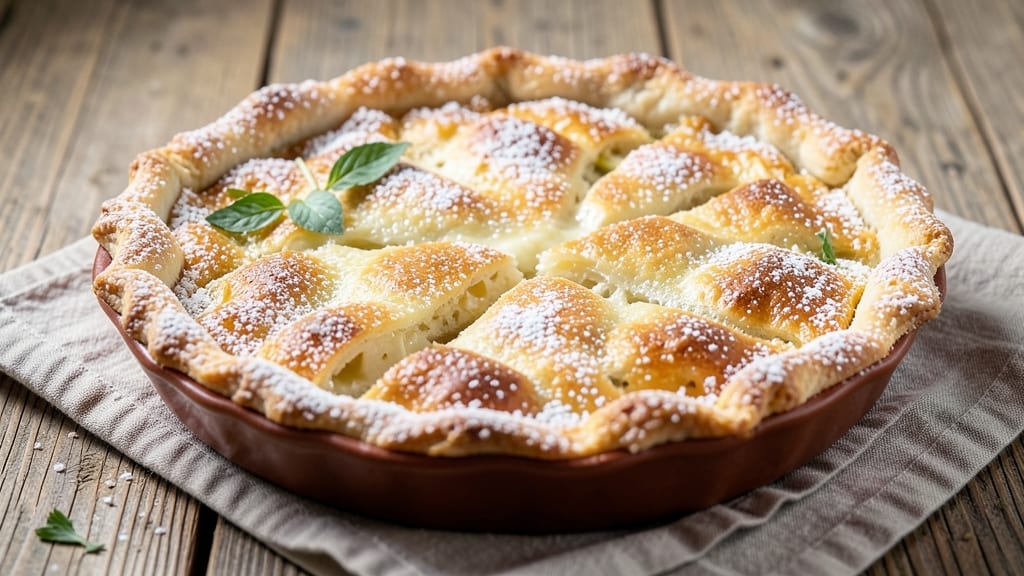
This sweet pie crust recipe with egg delivers the perfect balance of flaky layers and golden-brown crunch—ideal for apple pies, pecan tarts, or cheesecake bases. 🌟 The egg acts as a natural binder while creating that signature tender, melt-in-your-mouth texture that separates this from standard crusts.
I’ve refined this over years of baking, ensuring it holds up to both blind baking and filled pies without losing its structural integrity.
The secret lies in cold butter cut into the flour mixture, which creates those signature flakes, while the egg adds just enough moisture to bind without making the crust tough.
This isn’t your grandmother’s crust—it’s a modern take that’s easier to handle than traditional recipes, thanks to a food processor shortcut for mixing. The result? A crust that’s crisp on the edges, tender in the middle, and golden enough to impress even the most critical dessert lovers.
Whether you’re baking a classic apple pie or a decadent pecan tart, this crust forms the foundation of a showstopping dessert. The egg ensures it stays cohesive during blind baking, while the butter creates those irresistible layers that make every bite worth savoring.
Ready in under an hour, it’s the kind of recipe that transforms a simple dessert into something extraordinary.
For extra flakiness, chill the dough for at least 30 minutes before rolling, and don’t overwork it—this crust relies on gentle handling to maintain its delicate texture.
The egg also helps create a slightly richer flavor, making it perfect for sweet fillings that need a sturdy yet tender base. Let’s get baking!
Ingredients for sweet pie crust recipe with egg
Golden flakes and tender layers start with these simple, quality ingredients—just eight staples for a crust that impresses.
| Ingredient | Amount | Notes |
|---|---|---|
| All-Purpose Flour 🌾 | 2 ½ cups | Sifted for light texture |
| Unsalted Butter 🧈 | 1 cup | Cold, cubed into small pieces |
| Large Egg 🥚 | 1 whole | Room temperature for binding |
| Granulated Sugar 🍚 | ¼ cup | Fine for even distribution |
| Diamond Crystal Kosher Salt 🧂 | ½ tsp | Fine grain preferred |
| Large Ice Cubes ❄️ | ½ cup | For chilling butter quickly |
| Cold Water 💧 | ¼ cup | Only if dough is too dry |
| Vanilla Extract 🌸 | ½ tsp | Pure, not imitation |
| Ground Cinnamon 🌿 | ½ tsp | Optional for warmth |
| Large Egg Yolk 🥚 | 1 whole | For egg wash (optional) |
| Heavy Cream 🥛 | 1 tbsp | For egg wash (optional) |
The butter is non-negotiable here—European-style unsalted butter (like Plugrá or Land O’Lakes) has the highest fat content for flakiness. Grab it from Whole Foods or Trader Joe's if you want the best, but any cold, cubed butter works. Keep those cubes frozen until you're ready to mix—ice cubes in a bowl help chill them faster. The flour? King Arthur or Gold Medal are my go-tos—they bake evenly. And yes, sift it—this isn't optional for that signature lightness. Pro tip: measure flour by weight if you have a kitchen scale (2.5 cups = ~300g) for foolproof accuracy.
No cold butter? Freeze your cubed butter for 15 minutes—it works in a pinch. Short on vanilla? Almond extract at half the amount adds depth. The egg yolk wash is optional but worth it—beat it with cream for that glossy finish. For a nutty twist, swap half the flour for almond flour. And if your dough feels too dry, add cold water 1 tbsp at a time—never warm water. The cinnamon? Only add if you're using it for a filling—it can overpower the crust's delicate flavor.
This dough needs at least 30 minutes in the fridge—don't skip it. Wrap it tightly in plastic and store for up to 3 days. For longer storage, shape into a log, wrap, and freeze for up to 3 months. Thaw in the fridge overnight. The egg wash keeps for 2 days covered in the fridge. And if you're prepping for a crowd, double the recipe—just remember, two batches need two chilling sessions to prevent sticking.
Why You'll Love This Recipe
- No-Fuss Mixing: The butter stays cold, the sugar dissolves fast—just pulse in a food processor or cut by hand. No waiting for dough to rest, no rolling out stress. Honestly, I’ve made this while my coffee brewed and still had time to read the paper.
- Buttery-Sweet Magic: That single egg binds it perfectly while the sugar caramelizes just enough to give every bite a subtle, golden crunch. Not too sweet, not too rich—just that perfect balance where you’ll want to eat the crust first.
- Double-Duty Crust: Use it for pies, of course, but I’ve also pressed it into a skillet for a quick dessert or even wrapped around cheese for a no-bake snack. Between us, it’s my go-to when I need something fast but still feels special.
- Pantry-Friendly Flex: You’re already using staples—flour, butter, sugar—so no weird ingredients to track down. And because it’s egg-based, it stays fresh longer than most pie doughs. I’ve had leftovers last a solid week in the fridge, ready to roll whenever.
Step-by-step instructions for sweet pie crust with egg
Here's how to make the perfect flaky, golden crust with that extra crunch you crave.
👨🍳 Step 1: Cut and Chill the Butter
Cut the 1 cup Unsalted Butter into ½-inch cubes and place them on a parchment-lined plate. Freeze for 15 minutes to firm up. The colder the butter, the flakier your crust will be. I like to use my hands to press the cubes flat slightly—this creates more surface area for the flour to coat, which prevents tough spots.
While the butter chills, sift the 2.5 cups All-Purpose Flour into a large mixing bowl. Add the 0.25 cup Granulated Sugar, 0.5 tsp Diamond Crystal Kosher Salt, 0.5 tsp Vanilla Extract, and 0.5 tsp Ground Cinnamon. Whisk gently to combine. The sugar and cinnamon give this crust that sweet, aromatic edge that makes it perfect for sweet pies.
🥘 Step 2: Mix Dry Ingredients with Cold Butter
Add the chilled butter cubes to the flour mixture and toss gently with a fork or your fingers. Work quickly—you want the butter to stay cold. The goal is to distribute the butter evenly throughout the flour without breaking it up too much. I like to use my fingers to press the butter cubes into the flour, creating pockets that will melt and create steam during baking.
Here's a pro tip: If you see any flour sticking to the butter, dip your fingers in ice water and rub them on the butter cubes. This keeps everything cold and prevents the butter from melting prematurely. The butter should look like it's coated in flour but still maintains its shape—this is your visual cue that you're on the right track.
🍳 Step 3: Add the Egg and Ice Cubes
Crack the 1 whole Large Egg into the bowl and add 0.5 cup Large Ice Cubes one at a time. Use a fork to mix gently, pressing the ice cubes into the butter and flour. The ice cubes act as tiny chilling agents, keeping the butter cold while the egg binds everything together. You'll notice the mixture starts to come together into a shaggy dough.
If the dough feels too dry after mixing (it might happen if your kitchen is humid), add 0.25 cup Cold Water, 1 tablespoon at a time, until it just comes together when pressed. The dough should hold its shape when you squeeze a handful but still feel cool to the touch. If it's too sticky, chill it for 10 minutes before proceeding.
⏰ Step 4: Shape and Chill the Dough
Turn the dough out onto a lightly floured surface and gently pat it into a 1-inch thick disk. Wrap it tightly in plastic wrap and refrigerate for at least 2 hours, or up to 48 hours. Chilling is crucial—it allows the gluten to relax and the butter to firm up, which prevents the crust from shrinking during baking. I usually do this step overnight for maximum flakiness.
Here's where patience pays off: The longer you chill, the better the texture. If you're in a hurry, you can freeze the dough for 30 minutes as a shortcut, but don't skip this step entirely. The cold dough is also easier to roll out without tearing, which saves you from frustration later.
🔥 Step 5: Roll, Layer, and Bake for Golden Perfection
Preheat your oven to 375°F. On a lightly floured surface, roll the chilled dough into a 12-inch circle, about ⅛-inch thick. For extra flakiness, I like to fold the dough in half, then in half again (like a letter), and roll it out. This creates more layers that will separate beautifully during baking.
Transfer the rolled dough to a parchment-lined baking sheet and prick it all over with a fork to prevent puffing. For that extra crunch, brush the crust with a mixture of 1 whole Large Egg Yolk and 1 tbsp Heavy Cream (whisked together). Bake for 18-22 minutes until the edges are golden brown and the crust is firm to the touch. Watch closely after 15 minutes—ovens vary!
Pro Tips For Making Sweet Pie Crust Recipe With Egg
- CHILL THE BUTTER FIRST: Cold butter is non-negotiable here—pull it straight from the fridge and cut it into ¼-inch cubes while it’s still firm. I used to skip this, and my crust ended up greasy and tough; now it’s flaky every time.
- WEIGH THE FLOUR: Scoop and level that flour? Nope. Use a kitchen scale for 1:1 accuracy—this crust relies on the right balance of dryness and moisture. I learned this the hard way when my first batch turned out dense and chewy.
- MIX JUST UNTIL COMBINED: Once the butter and flour are mixed, stop as soon as you see pea-sized crumbs—overworking makes the crust tough. A quick pulse in a food processor or gentle toss by hand keeps it tender.
- EGG TEMP MATTERS: Cold egg yolk (straight from the fridge) binds better than room temp, but don’t skip the whites—they add structure. Whisk them separately, then fold in last to avoid overmixing. (Yes, even if you’re impatient like me.)
Wine and beer pairings for this recipe
Sweet Wine Pairings
For this sweet, buttery crust, I reach for Moscato d'Asti—a lightly sparkling Italian white with honeyed notes and citrus zest that complements the crust’s vanilla and cinnamon flavors. The effervescence cuts through the richness, while its subtle sweetness mirrors the crust’s caramelized edges.
Look for a chilled bottle from Italian vineyards like Saracco or Saracco Picolit for that perfect balance. 🍷
Rich Dessert Reds
A Portuguese Ruby Port (like Graham’s Six Grapes) is my go-to for pairing with filled pies—its dark fruit and chocolate undertones enhance the crust’s sugar and butter without overpowering.
Serve it slightly warmed to release its aromatic complexity. For a drier option, try a Zinfandel from California with its jammy blackberry notes that pair beautifully with spiced crusts.
Beer for Crust Lovers
Craft Belgian Witbier (like Hoegaarden) brings a refreshing contrast with its coriander and citrus flavors, cleansing the palate between bites of crust. For a malty option, a Belgian Dubbel (such as Westmalle Dubbel) with its caramel and raisin notes mirrors the crust’s sweetness.
Avoid heavy stouts—they’ll clash with the delicate butter and sugar. 🍺
After-Dinner Digestifs
Finish with a limoncello or amaretto to echo the crust’s vanilla and citrus. I love Disaronno Amaretto—its almond and apricot notes complement the cinnamon warmth. For a non-alcoholic option, sparkling pomegranate juice adds a festive touch without overpowering the dessert’s flavors.
Seasonal Adaptations
In fall, pair with Spätlese Riesling (German or Austrian) for its honeyed apple notes that match apple or pumpkin pies. For summer, a Sauvignon Blanc with its zesty lime and grapefruit accents cuts through the crust’s richness.
Always serve wine slightly chilled—45-50°F for whites, 60-65°F for reds—to enhance their flavors. ✨
Nutrition facts
Frequently asked questions
Why does this crust use an egg?
The egg acts as a natural binder that creates a more cohesive dough while adding subtle richness. Unlike traditional crusts, this version stays tender yet sturdy enough for blind baking or filled pies. The egg also helps create that signature golden-brown color when brushed on top. Without it, the crust might crumble more easily.
Can I make this crust without a food processor?
Use your fingers or a pastry cutter to work the cold butter into the flour until it resembles coarse crumbs. The key is keeping everything cold—press butter cubes into the flour mixture rather than chopping. This method takes a bit more elbow grease but yields equally flaky results.
How do I prevent the crust from shrinking?
Never skip the 2-hour chill time—this relaxes the gluten and prevents shrinking. Roll the dough gently on a lightly floured surface, and avoid overworking it. For extra insurance, wrap the rolled crust in parchment before baking to maintain its shape.
What's the best way to store leftover crust?
Wrap the dough tightly in plastic and refrigerate for up to 3 days. For longer storage, freeze the shaped disk for up to 3 months. Thaw overnight in the fridge before rolling. Baked crusts keep well at room temperature for 2 days or can be reheated in a 350°F oven for 5 minutes.
Can I use this crust for savory pies too?
While designed for sweet fillings, you can adapt it for savory pies by reducing the sugar to 1 tablespoon and omitting the vanilla/cinnamon. The egg still provides excellent binding for quiches or pot pies. Just be sure to brush with egg wash before baking for that golden finish.