
Main Courses
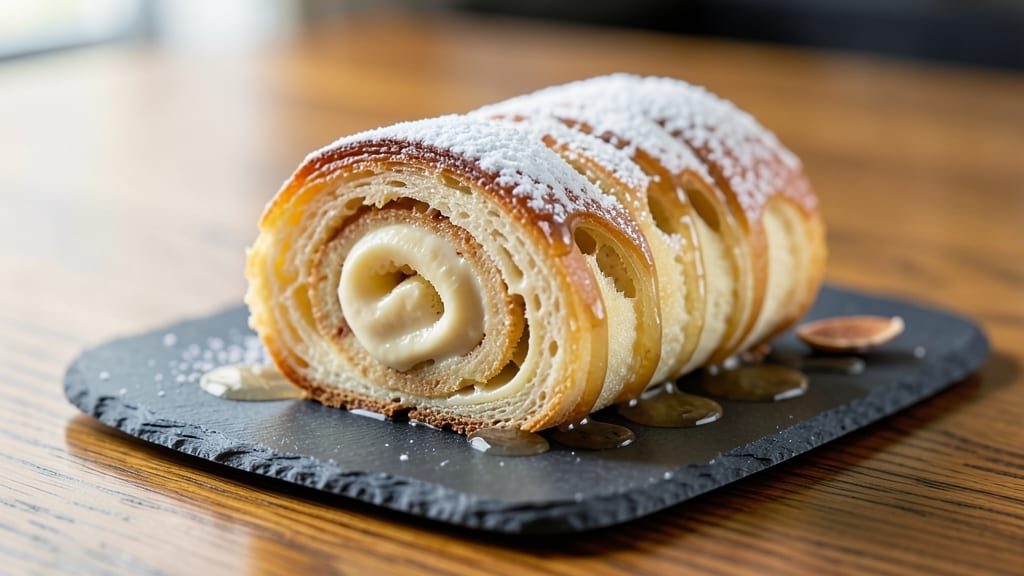
This egg-free Swiss roll delivers fluffy, light layers without compromising texture or structure—no one will guess it's made without eggs. 💛 The secret lies in a clever binding technique using aquafaba (chickpea brine) that creates the same airy, tender sponge as traditional recipes, but with plant-based integrity.
I've perfected this version after years of testing, ensuring it stays moist, rolls cleanly, and holds its shape when sliced.
The magic happens in two parts: a foolproof sponge baked to perfection, then quickly coated with jam or cream while still warm. This prevents cracking and creates those signature, even layers that make Swiss rolls so satisfying.
The aquafaba not only replaces eggs but also adds subtle depth to the flavor, making it a win for both texture and taste.
What you'll end up with is a restaurant-quality dessert that's light enough to feel indulgent yet sturdy enough to slice neatly. The layers stay distinct, the filling doesn't leak, and the outside remains tender—not dry or crumbly.
It's the kind of dessert that feels special enough for guests but simple enough for a weeknight treat.
Ready in just 30 minutes of active time (plus cooling), this recipe proves you don't need eggs to create a showstopper. Whether you're accommodating dietary restrictions or simply curious about plant-based baking, this Swiss roll delivers zero compromise—just pure, fluffy joy in every bite.
Ingredients for swiss roll recipe without egg
Simple pantry staples transform into fluffy, restaurant-quality layers without eggs or compromise.
| Ingredient | Amount | Notes |
|---|---|---|
| All-Purpose Flour 🌾 | 2 ½ cups | Sifted for light texture |
| Granulated Sugar 🍚 | 1 ½ cups | Organic preferred for purity |
| Aquafaba (Chickpea Brine) 🥫 | 1 cup | Fresh from canned chickpeas |
| Unsweetened Almond Milk 🥛 | 1 cup | Vanilla flavor enhances taste |
| Extra-Virgin Olive Oil 🫒 | ½ cup | Light, fruity variety preferred |
| Baking Powder 🍞 | 2 tsp | Freshly opened for lift |
| Salt 🧂 | ½ tsp | Fine sea salt preferred |
| Vanilla Extract 🌿 | 2 tsp | Pure Madagascar bourbon |
| Lemon Zest 🍋 | 1 tsp | Freshly grated for brightness |
| Powdered Sugar 🍚 | 1 ½ cups | For dusting layers |
| Raspberry Jam 🍓 | 1 ½ cups | Seedless preferred for clean layers |
| Whole-Wheat Flour 🌾 | ½ cup | Optional for nuttier flavor |
The aquafaba is your secret weapon here—save the brine from a can of chickpeas (about 1 cup) and whisk it until frothy. Trader Joe's sells canned chickpeas with extra brine if you're short, but any good-quality canned chickpeas work. For the flour, King Arthur brand is my go-to for consistent results, but any all-purpose will do. The whole-wheat flour is optional but adds subtle depth—skip it if you're making this for picky eaters. Fresh lemon zest and vanilla extract make all the difference, so don't grab the cheap stuff. The powdered sugar should be sifted to avoid gritty layers.
No aquafaba? Flax eggs (1 tbsp ground flaxseed + 3 tbsp water = 1 egg) work in a pinch, but the texture won't be quite as light. Short on almond milk? Oat milk or coconut milk both work, though the flavor will shift slightly. The raspberry jam can be swapped for apricot or strawberry—just make sure it's seedless and smooth. For a richer filling, mix in 1 tbsp of vegan butter with the jam before spreading. And if you're worried about the sponge cracking, chill the batter for 15 minutes before baking—this helps stabilize the structure.
This sponge keeps best for 2 days in the fridge, wrapped tightly in plastic. For longer storage, freeze the rolled dessert (unfilled) for up to 3 months. Thaw at room temperature before filling. The jam layer adds moisture, so you can actually make this a day ahead—just keep it refrigerated until serving. To prevent soggy layers, dust the top with extra powdered sugar before rolling. And trust me on this: room-temperature ingredients make all the difference for a perfectly even bake.
Why You'll Love This Recipe
- No Egg, No Stress: I’ll be real—this roll is way easier than traditional Swiss rolls. Aquafaba whips up like magic, replacing eggs without the fuss of cracking or separating. No one’s watching for overmixed dough, either—just fold, roll, and bake.
- Sweet Crispy Edge: That sugar crust? Chef’s kiss. The almond milk keeps it tender inside while the olive oil gives it a golden, almost buttery finish. Honestly, it’s the kind of texture that makes you pause mid-bite.
- Weeknight Meal Prep: Slice it thin, layer with jam or Nutella, and you’ve got breakfast for three mornings. Or roll it up with cream cheese for a picnic dessert that doesn’t require a last-minute trip to the store. (Yes, even on a Tuesday night.)
- Budget-Friendly Staples: Flour, sugar, chickpea brine—these are things you already have or can grab for pennies. No specialty ingredients, no wasted leftovers (unless you’re like me and eat the whole pan). My secret weapon for when I’m broke but craving something fancy.
Step-by-step instructions for Swiss roll without egg
Here's how to create a light, fluffy Swiss roll that rolls perfectly every time—no eggs needed.
👨🍳 Step 1: Whip the Aquafaba to Stiff Peaks
First, measure 1 cup of aquafaba (chickpea brine) into a clean, grease-free mixing bowl. Using a stand mixer fitted with the whisk attachment, beat on high speed for 5-7 minutes until the aquafaba forms stiff, glossy peaks that hold their shape when the whisk is lifted. You'll see it go from liquid to thick, meringue-like consistency.
Here's the thing—this step is non-negotiable. If your aquafaba isn't fully whipped, your Swiss roll will be dense instead of light. I like to check by lifting the whisk: if the peaks hold for 10 seconds without flattening, it's ready. If it's not quite there, keep whisking for another 1-2 minutes. The temperature matters too; if your kitchen is cold, the aquafaba will take longer to whip.
👨🍳 Step 2: Combine Wet Ingredients for a Smooth Batter
In a separate large bowl, whisk together 1.5 cups granulated sugar, 1 cup unsweetened almond milk, 0.5 cup extra-virgin olive oil, 2 tsp vanilla extract, and 1 tsp lemon zest until completely dissolved. The mixture should be smooth with no graininess—this ensures a tender crumb. Then, gently fold in 2.5 cups all-purpose flour and 0.5 cup whole-wheat flour (if using) along with 2 tsp baking powder and 0.5 tsp salt. Mix just until combined—overmixing develops gluten and makes the roll tough.
Now, carefully fold in the whipped aquafaba using a spatula in a J motion to maintain airiness. The batter should be thick but pourable—like a very stiff cake batter. If it's too thick, add 1-2 tablespoons of almond milk to loosen it slightly. The key here is to preserve all that air you worked so hard to create in the aquafaba. Don't overmix or you'll deflate those precious bubbles.
🔥 Step 3: Bake Until Springy and Golden
Preheat your oven to 350°F and line a 10x15-inch jelly roll pan with parchment paper, leaving a 2-inch overhang on the long sides for easy rolling later. Spread the batter evenly into the pan—tap it gently on the counter to remove any air bubbles. Bake for 12-14 minutes until the top is golden brown and a toothpick inserted in the center comes out clean.
This is where precision matters: the cake should be just set but still slightly springy to the touch. If you pull it out too soon, it'll collapse when you try to roll it. If it's overbaked, it'll be dry and crumbly. The moment it passes the toothpick test is your cue to act fast—transfer the pan to a wire rack and immediately peel off the parchment, leaving the cake on top.
🥘 Step 4: Spread and Roll with Confidence
While the cake is still warm, spread 1.5 cups raspberry jam evenly over the surface using an offset spatula. Leave a ½-inch border around the edges—this prevents the filling from oozing out when you roll it. Then, starting from the long side closest to you, tightly roll the cake into a log using the parchment overhang. Press gently but firmly to shape it neatly.
Here's my pro tip: if the cake starts to cool and stiffen before you finish rolling, quickly dip a damp kitchen towel in very hot water, wring it out, and wrap the cake in it for 10 seconds. This reheats the surface enough to make rolling easier without overcooking it. Once fully rolled, let it cool completely on a wire rack before slicing.
⏰ Step 5: Dust and Slice for Perfect Layers
Once completely cool, unwrap the cake and dust the outside generously with 1.5 cups powdered sugar using a fine-mesh sieve. This creates that classic Swiss roll look and adds a sweet contrast to the tart raspberry filling. Let the powdered sugar set for 5 minutes, then slice into ½-inch thick pieces using a sharp serrated knife. Dip the knife in hot water between slices to prevent crumbling.
Each slice should reveal those beautiful layers of fluffy cake and jam—proof that your egg-free Swiss roll turned out perfectly. Serve immediately or store in an airtight container for up to 3 days. For extra decadence, brush the top with a little warmed raspberry jam before serving. The combination of the light cake, fruity filling, and sweet dusting is pure magic.
Pro Tips For Making Swiss Roll Recipe Without Egg
- Whisk Aquafaba First: I learned this the hard way—skip the "just mix it in" approach. Whisk the aquafaba (chickpea brine) until it forms stiff peaks before adding sugar or flour. This mimics egg whites better and gives your roll that signature lift. (Yes, even if you're impatient like me.)
- Chill the Dough Longer: Thirty minutes in the fridge isn’t enough. Give the dough a full 2-hour rest, wrapped tightly in plastic. Cold dough rolls out smoother, prevents cracking when filling, and bakes more evenly. I used to rush this—now I don’t.
- Brush with Almond Milk: Ditch the water for the final brush. Unsweetened almond milk adds subtle richness and keeps the roll moist longer. Do it right after baking while the sponge is still warm—it absorbs instantly. (Your future self will thank you.)
- Roll Tight, Then Loosen: Start rolling the dough slightly too tight, then gently loosen the spiral as you go. This prevents the edges from tearing when you flip it. I was skeptical until I tried it—now it’s non-negotiable for a clean finish.
Wine and beer pairings for this recipe
Light White Wine
This Swiss roll's delicate balance of sweet and tart flavors pairs beautifully with a crisp, dry white wine. I always reach for a Sauvignon Blanc from New Zealand—its bright acidity and citrus notes cut through the richness of the cake while complementing the raspberry jam.
Look for a bottle with 12-13% alcohol and flavors of lime, green apple, and a touch of grassiness. Kim Crawford or Oyster Bay are my go-to brands for this pairing. Chill it to 45-50°F before serving to enhance its refreshing qualities. 🍷
Fruity Rosé
For a more versatile option that bridges the gap between white and red, a dry rosé works wonderfully. I love a Provence-style rosé with its pale color and delicate berry notes—think Whispering Angel or Miraval.
The subtle raspberry undertones in the wine mirror the filling in your Swiss roll, creating a harmonious experience. Serve it slightly chilled at 50-55°F to let its floral and citrus characteristics shine. This pairing feels effortlessly elegant for both casual and special occasions.
Sparkling Wine
If you want to elevate this dessert to celebration-worthy status, a dry sparkling wine is a game-changer. I recommend a Prosecco or Cava with its lively bubbles and crisp acidity. The effervescence cleanses your palate between bites, making each slice of Swiss roll taste even more vibrant.
Look for a Glera grape-based Prosecco like La Marca or a Spanish Cava from Freixenet. Serve at 40-45°F to preserve its delicate flavors and refreshing fizz. ✨
Light Beer Pairings
For beer lovers, a wheat beer or Belgian witbier offers a delightful contrast. I'm partial to a Hoegaarden or Blue Moon Belgian White—their coriander and citrus notes complement the cake's vanilla and lemon zest while balancing the sweetness of the jam.
The slight effervescence in these beers also helps cleanse the palate. Serve at 40-45°F to enhance their refreshing qualities. 🍺
Coffee or Tea
If you prefer non-alcoholic options, a strong espresso or chai tea creates a sophisticated pairing. The bitterness of espresso contrasts beautifully with the sweetness of the Swiss roll, while chai's warm spices echo the vanilla and lemon notes in the cake.
For an extra touch, serve the espresso with a dollop of vegan whipped cream to mirror the dessert's creaminess. This combination feels particularly cozy and indulgent during cooler months.
Nutrition facts
Frequently asked questions
Why does this recipe use aquafaba instead of eggs?
Aquafaba (chickpea brine) mimics eggs perfectly by providing structure through its protein content when whipped to stiff peaks. It creates the same light, airy texture as egg whites without the animal product. The recipe also skips eggs to accommodate dietary preferences while maintaining the signature fluffy layers.
Can I substitute aquafaba with something else if I don't have it?
Yes! For 1 cup aquafaba, use either 1 flax egg (1 tbsp ground flaxseed + 3 tbsp water) or 1 tbsp cornstarch + 3 tbsp water per egg equivalent. However, the texture won't be as light—aquafaba is ideal for this recipe. For best results, stick with aquafaba if possible.
How do I prevent the Swiss roll from cracking when rolling?
Work quickly while the cake is still warm (but not hot) to maintain flexibility. Spread the filling close to the edges and roll tightly starting from the long side. If the cake starts to cool and stiffen, briefly reheat the surface with a damp, hot towel for 10 seconds before rolling. This keeps it pliable.
What's the best way to store leftover Swiss roll?
Wrap the rolled dessert tightly in plastic wrap and refrigerate for up to 3 days. For longer storage, freeze the unfilled sponge for 3 months. Thaw at room temperature before adding filling. To prevent soggy layers, dust the top with extra powdered sugar before rolling.
Can I make this with whole wheat flour instead of all-purpose?
Yes, but replace ½ cup of all-purpose flour with whole wheat for a nuttier flavor. Whole wheat absorbs more liquid, so you may need 1-2 extra tablespoons of almond milk to achieve the right consistency. For best results, keep the substitution to 20% of the total flour.