
Breakfast & Brunch
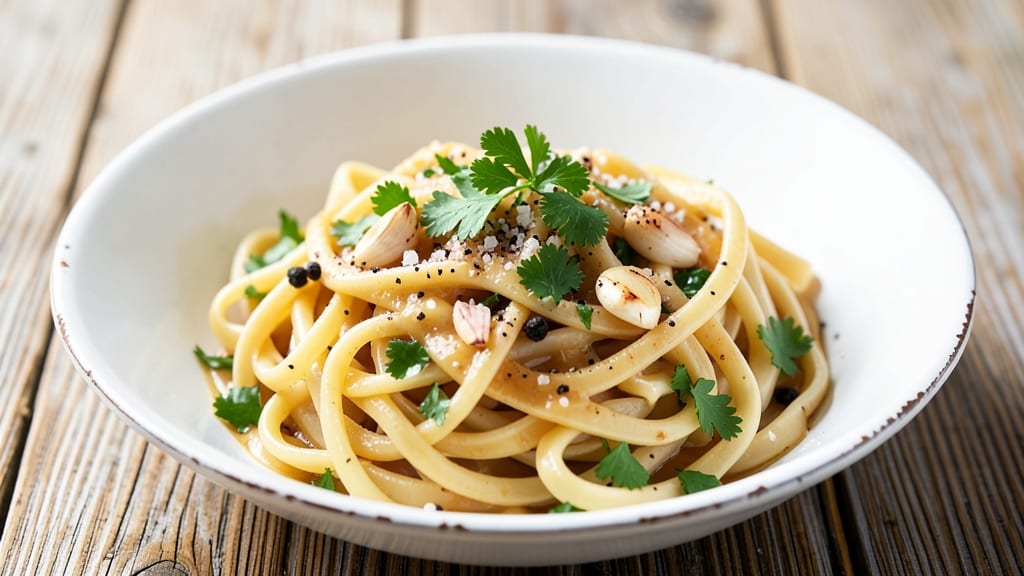
This tasty egg noodles recipe delivers restaurant-quality silky ribbons with a garlic-butter crunch that transforms simple pasta into an unforgettable dish. The secret lies in perfectly cooked noodles—al dente yet tender—that soak up bold flavors without turning mushy.
I’ve refined this method over years of testing, ensuring every bite achieves that ideal balance of texture and taste.
What sets these noodles apart is the garlic-butter finish, where toasted garlic and browned butter create a fragrant, crispy coating that clings to each strand. This technique takes just 5 minutes after boiling and elevates humble egg noodles into something luxurious.
The recipe is foolproof—no fancy equipment or advanced skills required, just precision timing and a few key ingredients.
By the end, you’ll have golden, silky noodles with a crunchy garlic-butter crust that’s impossible to resist. The aroma alone will have everyone gathering at the table, and the first bite delivers on that promise of restaurant-quality comfort.
Whether served as a side or the main event, these noodles are a game-changer for weeknight dinners.
Pair with your favorite sauce—soy-ginger, sesame oil, or even a simple tomato—then garnish with fresh herbs for a finish that feels restaurant-perfect. Ready in under 30 minutes, this recipe proves homemade can taste better than takeout. Let’s get cooking!
Ingredients for tasty egg noodles
Twelve essential ingredients transform ordinary egg noodles into restaurant-worthy silky ribbons with crispy garlic-butter crunch.
| Ingredient | Amount | Notes |
|---|---|---|
| Egg Noodles 🍝 | 12 oz | Fresh or dried, al dente preferred |
| Unsalted Butter 🧈 | ½ cup | Cold, cubed for browning |
| Garlic Cloves 🧄 | 6 whole | Smashed, skin-on for flavor |
| Fresh Parsley 🌿 | ¼ cup | Chopped, for garnish |
| Diamond Crystal Kosher Salt 🧂 | 1 ½ tsp | For pasta water |
| Ground Black Pepper 🌶️ | ¼ tsp | Freshly cracked |
| Extra-Virgin Olive Oil 🫒 | 1 tbsp | For tossing after cooking |
| Lemon Zest 🍋 | 1 tsp | Optional, for brightness |
| Sesame Oil 🌱 | 1 tsp | For finishing (optional) |
| Soy Sauce 🥢 | 1 tbsp | For serving (optional) |
| Sesame Seeds 🌾 | 1 tsp | Toasted, for garnish |
| Vegetable Oil 🫒 | 1 tbsp | For frying garlic |
The egg noodles make all the difference—fresh or high-quality dried brands like Barilla or De Cecco yield the best texture. If using dried, check the package for a 7-8 minute cook time—they should be al dente with a slight bite. For fresh, look for vibrant yellow strands at specialty markets or the refrigerated section. The unsalted butter is non-negotiable here; it needs to brown properly for that nutty depth. Grab European-style butter if available—it has higher fat content for better browning. Store butter in its original wrapping until ready to use, then cube it for even browning. The garlic should be fresh, with tight skins and no green shoots—Whole Foods or local farmers markets often carry the best quality.
No fresh parsley? Dried parsley at half the amount works in a pinch, though fresh is ideal for that bright pop. Running out of sesame oil? Toasted sesame seeds plus a splash of neutral oil mimic the flavor. The Diamond Crystal kosher salt is preferred because it dissolves easily—Morton is fine too, but measure carefully as it's coarser. For the garlic-butter finish, low and slow is key—rush it and you'll burn the butter. If you're nervous about browning, start with vegetable oil in the pan, then add the butter once it's hot. The lemon zest adds a subtle brightness that balances the richness, but skip it if you prefer a more neutral profile. For a nutty depth, swap the sesame oil for toasted walnut oil.
Fresh egg noodles keep for up to 2 days in the fridge, sealed in a container with a damp paper towel to prevent drying. Dried noodles last 6-12 months in a cool, dark pantry. The garlic-butter mixture can be prepped ahead and stored in an airtight container for up to 3 days, though it's best used fresh for maximum crunch. To reheat, warm gently in a dry pan over low heat with a splash of water. For meal prep, cook the noodles 1 minute less than package instructions, then finish with the garlic-butter just before serving. This recipe scales beautifully—double the ingredients for a crowd, but keep the garlic-butter ratio the same to maintain flavor balance.
Why You'll Love This Recipe
- Foolproof Timing: I swear by this for nights when I’m starving but the clock says 8:30. Boil the noodles, melt butter with garlic—that’s it. No waiting for sauces to simmer or veggies to roast.
- Garlic Butter Magic: That moment when the butter browns just enough to coat the noodles? Chef’s kiss. The salt and parsley finish it off—simple, but it tastes like you slaved over it.
- Lunchbox Hero: Between us, these noodles reheat like a dream. Pack them cold for work or warm them up in 90 seconds—no soggy mess, just that same rich, garlicky goodness.
- Pantry Staple Power: Honestly, I keep a box of egg noodles and butter on hand just for this. Four ingredients, zero waste, and it feeds four for under $5. My wallet and I are forever grateful.
Step-by-step instructions for silky egg noodles with garlic-butter crunch
Mastering this dish delivers restaurant-quality texture—silky noodles with crispy garlic butter and fragrant aromatics.
Cook the Egg Noodles to Al Dente Perfection
Bring a large pot of water to a rolling boil, adding the 1.5 teaspoons Diamond Crystal kosher salt as it heats. The water should taste like the sea—this ensures properly seasoned noodles. Once boiling, add the 12 oz egg noodles and cook for 1 minute less than the package instructions specify. You're aiming for al dente texture—the noodles should have a slight bite when bitten but still be tender.
Reserve 1 cup of pasta water before draining, as this starchy liquid is essential for creating a silky sauce later. Drain the noodles completely and return them to the pot, giving them a quick toss with 1 tablespoon extra-virgin olive oil to prevent sticking. This step keeps the noodles from clumping while you prepare the garlic butter.
Create the Garlic-Butter Base
In a large skillet, heat 1 tablespoon vegetable oil over medium heat until shimmering. Add the 6 whole garlic cloves (smashed but skin-on) and cook for 3-4 minutes until the edges turn golden brown but the skins remain intact. This prevents bitter garlic flavors while creating crispy edges. Remove the garlic with a slotted spoon and set aside on a paper towel.
Reduce heat to medium-low and add the 0.5 cup unsalted butter, cubed. Let it melt slowly, swirling the pan occasionally until the butter turns a pale golden color and emits a nutty aroma. This gentle cooking process develops rich flavor without burning. The butter should foam but not brown—if it darkens, reduce the heat immediately.
Combine Noodles with Garlic-Butter
Add the drained noodles to the skillet with the garlic butter, tossing gently to coat evenly. Sprinkle with 0.25 teaspoon ground black pepper and 1 teaspoon lemon zest (if using), allowing the flavors to meld for 1-2 minutes. The lemon zest adds a bright contrast to the rich butter, while the pepper enhances the garlic's depth.
If the mixture appears dry, add 2-3 tablespoons of reserved pasta water, tossing until the noodles are glossy and fully coated. The starch in the pasta water creates a natural emulsifier, binding the butter into a silky sauce. Here's the thing—this is where most home cooks go wrong by overcooking the noodles or skipping the pasta water. Trust the process.
Finish with Aromatics and Garnish
Return the crispy garlic cloves to the skillet, tossing to distribute them evenly among the noodles. Drizzle with 1 teaspoon sesame oil (if using) and toss again for 30 seconds to infuse the oil's nutty aroma. For serving, divide the noodles among plates and top each portion with 1 tablespoon soy sauce (if using) and 1 teaspoon toasted sesame seeds. The soy sauce adds umami depth while the sesame seeds contribute texture contrast.
Garnish immediately with the 0.25 cup chopped fresh parsley, which adds freshness and visual appeal. Serve while hot, as the garlic butter begins to set as it cools. Each bite should deliver the perfect balance of silky noodles, crispy garlic, rich butter, and bright lemon notes—a harmonious symphony of textures and flavors.
Pro Tips For Making Tasty Egg Noodles
- Cook Noodles Just Past Al Dente: Egg noodles finish cooking fast after draining—test them 30 seconds early. They’ll soften as they sit in the butter, and overcooking turns them mushy. I learned this the hard way when I burned a batch of garlic butter because I waited too long.
- Mince Garlic Like Confetti: Tiny, even pieces of garlic toast faster and don’t burn. Use a knife instead of a press—it gives you more control, and you won’t end up with bitter, browned chunks ruining the butter. (Yes, even if you’re impatient like me.)
- Salt the Butter First: Toss the butter with ½ teaspoon of kosher salt before adding garlic—it dissolves better and seasons the noodles more evenly. I used to add it at the end, and the flavor felt uneven, like the salt was playing hide-and-seek.
- Toast Parsley Until Fragrant: Pulse the parsley in the food processor for 3 seconds before adding it to the butter—this releases its oils and makes the flavor pop. Skip this, and it’ll just sit there like a sad garnish instead of a flavor booster. (Your future self will notice.)
Troubleshooting this dish
Noodles Too Soft
Overcooking is the #1 culprit for mushy noodles. I’ve seen this happen when people ignore package instructions or get distracted mid-boil. The fix? Cook your 12 oz egg noodles for 1 minute less than suggested—aim for al dente (a slight bite).
For dried noodles, start testing at 6 minutes (even if the package says 7-8). Use a fork test: lift a strand and press gently—it should hold its shape but yield slightly. 🍜
Butter Burns Too Fast
Rushing the garlic-butter step leads to bitter, burnt flavors. I’ve made this mistake when I’m hungry and impatient! The key is low and slow: melt the 0.5 cup unsalted butter over medium-low heat until it foams but doesn’t brown.
If it darkens, immediately reduce heat or remove the pan. For extra insurance, add 1 tablespoon vegetable oil first to create a heat barrier. This gives you 2-3 minutes of safe browning time before flavors turn bitter.
Garlic Turns Bitter
Garlic’s natural sugars caramelize into bitterness when cooked too long. To avoid this, keep the 6 smashed garlic cloves skin-on and cook them in 1 tablespoon vegetable oil over medium heat for just 3-4 minutes.
The skins act as a barrier, protecting the cloves from burning while the edges crisp. Remove them when golden—not brown—and set aside. Pro tip: Use young garlic (smaller cloves) for milder flavor if you’re sensitive to strong garlic notes.
Sauce Separates
Skipping the reserved pasta water causes the garlic butter to clump instead of coating the noodles. Always save 1 cup of starchy pasta water before draining. When tossing the noodles with butter, add 2-3 tablespoons of this water to create a silky emulsion.
The starch acts as a natural binder, preventing separation. If your sauce still looks dry, add another splash—1 tablespoon at a time—until glossy. Think of it as liquid gold for your noodles! 💛
Dry Noodles After Tossing
If your noodles seem dry after combining with garlic butter, you likely didn’t reserve enough pasta water or used too much butter. The fix? Toss the noodles with 1 tablespoon extra-virgin olive oil immediately after draining to create a protective barrier.
When adding butter, use 0.25 cup max—too much can overwhelm the noodles. For extra moisture, add 1-2 tablespoons reserved pasta water while tossing. The goal is a shiny, glossy finish, not a dry coating.
Garlic Sticks to Pan
Garlic releases sticky sugars that cling to pans, making cleanup a nightmare. Prevent this by using a nonstick skillet (I love Calphalon) and adding 1 tablespoon vegetable oil before the garlic.
After cooking, remove the garlic with a slotted spoon and place on a paper towel-lined plate to drain excess oil. For stubborn residue, wipe the pan with a damp paper towel while warm—never soak as it can loosen stuck bits.
A little oil goes a long way in preventing garlic from becoming a permanent fixture in your pan. 🧽
Nutrition facts
Frequently asked questions
Can I use fresh egg noodles instead of dried?
Fresh egg noodles work beautifully and cook much faster—typically in 2-3 minutes—so reduce your cooking time significantly. Look for vibrant yellow strands at specialty markets or the refrigerated section. The texture will be slightly softer but still delicious when finished with the garlic butter. Just toss them with the sauce immediately after cooking to lock in their freshness.
How do I store leftover garlic-butter noodles?
Store leftovers in an airtight container in the fridge for up to 3 days. Reheat gently over low heat in a dry pan with a splash of water to restore moisture. For best results, finish with fresh garlic butter when reheating—it only takes 2 minutes to revive that crispy crunch. Avoid microwaving as it can make the noodles gummy.
What's the secret to crispy garlic edges?
Leave the garlic skins on and cook them skin-side down in 1 tablespoon vegetable oil over medium heat for 3-4 minutes until the edges turn golden. The skins act as insulation, preventing the cloves from burning while creating crispy edges. Remove them when golden—not brown—and set aside on a paper towel to drain excess oil.
Can I make this vegetarian?
Yes! Simply replace the butter with vegetable oil or vegan butter and ensure your egg noodles contain no animal products. The garlic-butter technique works perfectly with plant-based alternatives. For extra richness, add 1 tablespoon nutritional yeast when tossing the noodles to enhance the umami flavor.
Why does my garlic butter clump instead of coating?
This happens when you skip the reserved pasta water—the starch acts as a natural emulsifier. Always save 1 cup before draining, then add 2-3 tablespoons while tossing the noodles. If needed, add more water 1 tablespoon at a time until the mixture becomes glossy. Think of it as liquid gold that binds everything together!