
Desserts
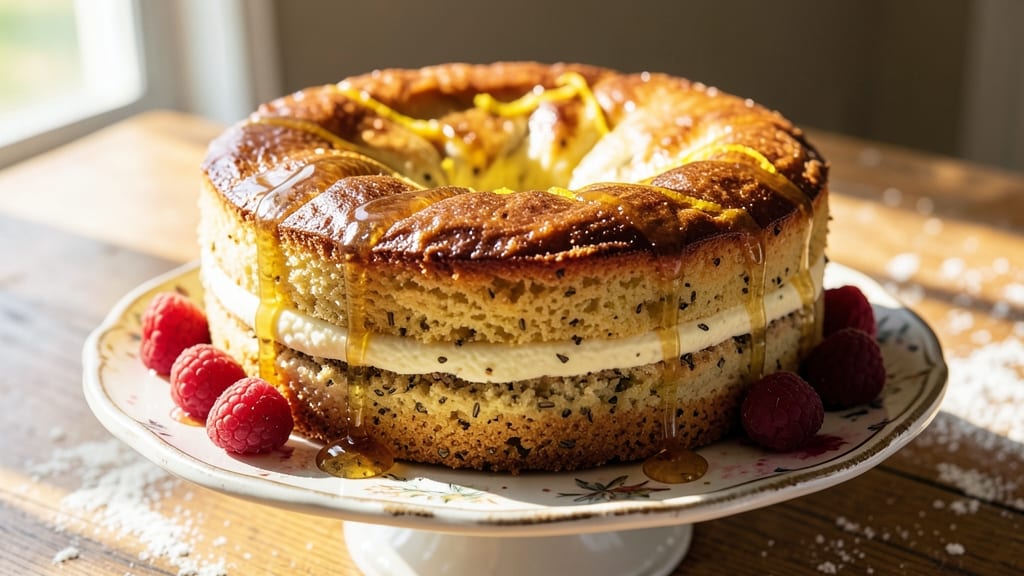
This tea cake recipe without eggs delivers all the charm of classic tea cakes—light, tender, and bursting with citrus—without a single egg in sight. ✨ The secret lies in a clever substitution that keeps them fluffy and moist while delivering that signature delicate crumb.
I perfected this version after years of experimenting with egg-free baking, and the results are worth every bite.
What makes these tea cakes special is their effortless balance of sweetness and zing from lemon zest and juice, which brightens every tender crumb. The recipe uses a simple egg replacement that works like magic, creating that signature tea cake texture without compromising on flavor.
With just a few pantry staples and 20 minutes of prep, you'll have golden, fragrant bites that disappear faster than you can say "afternoon tea."
These cakes are perfect for afternoon gatherings, holiday platters, or a simple treat with your morning coffee. The citrus notes elevate them beyond basic sweetness, making them feel fresh and modern while staying true to classic tea cake tradition.
The best part? They keep well for days, so you can bake a batch and enjoy them throughout the week.
Ready to bake? The method is straightforward, with step-by-step instructions to ensure perfect results every time—no fancy techniques required. Let's get started on these delightful, egg-free tea cakes that taste like a little slice of heaven.
Ingredients for tea cake recipe without eggs
Citrus-kissed, egg-free magic with just 12 ingredients—perfect for afternoon tea or holiday treats!
| Ingredient | Amount | Notes |
|---|---|---|
| All-Purpose Flour 🌾 | 3 cups | Sifted for light texture |
| Granulated Sugar 🍚 | 1 cup | White or light brown |
| Unsalted Butter 🧈 | 1 cup | Cold, cubed for flaky layers |
| Lemon Zest 🍋 | 2 tbsp | Fresh, finely grated |
| Lemon Juice 🍋 | ¼ cup | Freshly squeezed |
| Flaxseed Meal 🌱 | 2 tbsp | For egg replacement |
| Milk 🥛 | ½ cup | Whole for richness |
| Vanilla Extract 🌸 | 1 tsp | Pure vanilla preferred |
| Baking Powder 🍞 | 1 tsp | Aluminum-free preferred |
| Salt 🧂 | ½ tsp | Fine sea salt |
| Ground Almonds 🌰 | ½ cup | Finely ground for texture |
| Powdered Sugar 🍚 | ¼ cup | For dusting |
The lemon zest is non-negotiable here—freshly grated from organic lemons at Whole Foods or your local market delivers that bright, floral aroma. For the flaxseed meal, Bob's Red Mill is my go-to brand—it's finely ground and works perfectly as an egg substitute. The butter should be cold and cubed (not melted) to create those signature flaky layers. If you're using light brown sugar, make sure it's not packed—spoon it into the cup and level off. For the ground almonds, Trader Joe's has a pre-ground version that saves time, but if you're feeling ambitious, pulse them in a food processor for a finer texture.
No flaxseed meal? Chia seeds soaked in water (1 tbsp chia + 3 tbsp water = 1 egg) works in a pinch. Running low on lemon zest? Double the juice—it won't be as vibrant, but the tangy punch will still shine. The milk can be swapped for unsweetened almond milk if you prefer, though whole milk gives the best texture. For the vanilla, imitation extract won't cut it—splurge on pure vanilla if you can. The baking powder should be fresh (test it by mixing with water—it should bubble vigorously). If you're out of powdered sugar, crush granulated sugar in a food processor for a quick substitute. And trust me, don't skip the zest—it's the secret to that signature tea cake brightness!
These keep beautifully for 5 days in an airtight container at room temperature, though they're usually gone in 2 (they're that good). For longer storage, freeze the shaped cakes on a tray first, then transfer to a bag—they'll last for up to 3 months. The powdered sugar coating? Add it fresh after baking for the best crunch. Pro tip: bake half the batch, then freeze the shaped dough balls—thaw and bake as needed. Perfect for when you're craving tea cakes but don't want to bake a full batch!
Why You'll Love This Recipe
- No-Fuss Mixing: I swear by this recipe because it’s literally a dump-and-stir situation—just cream the butter and sugar, toss in the dry ingredients, and fold in that bright lemon juice. The dough comes together faster than I can finish my morning coffee.
- Zesty Magic: That lemon zest and juice? It’s the star. The cakes have this perfect balance—sweet, buttery, and bursting with citrus that makes every bite feel like a little sunshine. (Yes, even on a Tuesday morning.)
- Crowd-Pleaser Anywhere: These are my go-to for book clubs, office potlucks, or just because. They’re light enough for a tea-time treat but sturdy enough to handle a lunchbox. Honestly, I’ve seen them disappear faster than homemade cookies at a holiday party.
- Budget Baking Wins: Flour, sugar, butter—these are pantry staples that won’t break the bank. Plus, the dough keeps well, so I can bake a batch on Sunday and enjoy them all week. No sad, stale leftovers here.
Step-by-step instructions for tea cakes without eggs
Here's how to create these light, citrus-kissed bites that stay fluffy without a single egg in sight.
👨🍳 Step 1: Make the Flaxseed Egg Substitute
In a small bowl, whisk together the 2 tbsp flaxseed meal and 0.5 cup milk. Let this mixture sit for 5 minutes—you'll see it thicken into a gel-like consistency. This is your egg substitute, and it works perfectly to bind our tea cakes while keeping them tender.
I like to use whole milk here because it adds richness that makes these cakes extra moist. If you're in a hurry, you can use almond milk or oat milk, but the texture might be slightly less tender. The flax mixture should be smooth with no lumps—if you see any, whisk it again until fully combined.
👨🍳 Step 2: Cream Butter and Sugar for Flaky Layers
In a stand mixer fitted with the paddle attachment, beat the 1 cup cold, cubed unsalted butter and 1 cup granulated sugar on medium speed for 3-4 minutes until light and fluffy. You're looking for a pale, airy mixture that nearly doubles in volume—this creates those beautiful flaky layers in our finished cakes.
Here's the thing—don't rush this step. The butter needs to incorporate air to create lift, and cold butter is crucial for that perfect crumb. If your kitchen gets warm, chill the butter for 15 minutes before starting. You'll know it's ready when it leaves a slight indent when pressed.
👨🍳 Step 3: Combine Wet Ingredients and Aromatics
Add the flax egg mixture, 1 tsp vanilla extract, 2 tbsp lemon zest, and 0.25 cup lemon juice to the butter-sugar mixture. Mix on low speed for 1 minute until just combined. The citrus aromatics will fill your kitchen with that bright, refreshing scent—trust me, it's worth it.
Next, mix in the 0.5 cup ground almonds until evenly distributed. The almonds add a lovely nutty crunch that balances the tender crumb. Here's where it gets fun—taste the mixture. You should detect bright lemon notes and a hint of vanilla sweetness. If it needs more zest, add another teaspoon of lemon zest now.
👨🍳 Step 4: Incorporate Dry Ingredients Gently
In a separate bowl, whisk together the 3 cups sifted all-purpose flour, 1 tsp baking powder, and 0.5 tsp salt. Sifting is crucial here—it aerates the flour and prevents dense cakes. Gradually add the dry ingredients to the wet mixture, mixing on low speed just until combined.
Don't overmix! You want to see a few flour streaks remaining—that means the gluten hasn't developed too much, which keeps our cakes tender. The dough should be soft and slightly sticky, almost like cookie dough. If it feels too dry, add 1 tsp milk to help bind it together. Cover the bowl and refrigerate for 30 minutes to let the flavors meld.
🔥 Step 5: Shape and Bake to Golden Perfection
Preheat your oven to 350°F and line two baking sheets with parchment paper. Using a cookie scoop or tablespoon, portion the dough into 1-inch balls (you should get about 24) and place them 2 inches apart on the prepared sheets. Flatten each ball slightly with your palm—just enough to create a ½-inch thick cake.
Bake for 12-14 minutes until the edges are golden brown and the centers still look slightly underdone. They'll continue cooking on the hot pan. Real talk: the first batch might look uneven, but don't worry—just rotate the baking sheets halfway through for even baking. Let the cakes cool on the baking sheet for 5 minutes before transferring to a wire rack.
🍽️ Step 6: Dust and Serve Freshly Warm
While still warm, dust the top of each cake with 0.25 cup powdered sugar using a fine-mesh sieve. This gives them that classic tea cake finish and balances the bright citrus flavors. Serve them immediately while they're still warm and slightly crisp at the edges.
These tea cakes are perfect with a cup of Earl Grey or chai tea. The lemon zest gives them a refreshing zing that pairs beautifully with the buttery richness. Store any leftovers in an airtight container for up to 3 days, but honestly? They won't last that long—they're too delicious to resist!
Pro Tips For Making Tea Cake Recipe Without Eggs
- CHILL THE BUTTER FIRST: Unsalted butter straight from the fridge is your friend here—it prevents the dough from turning greasy and keeps the crumb tender. I used to skip this and ended up with dense, oily cakes that tasted more like butter than lemon. Let it sit at room temp for 30-45 minutes (yes, even in summer), then cut it into chunks for even distribution.
- ZEST ONLY THE OUTER LAYER: Scrape just the bright yellow outer layer of the lemon—no pith, no white stuff. That bitter membrane ruins the whole cake. My grandmother swore by this, and she was right: a teaspoon of pure zest makes the flavor pop, while the juice adds moisture without overpowering. Use a microplane for precision.
- MIX DRY INGREDIENTS WELL: Whisk the flour and sugar together before adding wet ingredients—this prevents lumps and ensures even texture. I learned this the hard way when I rushed and got a cake with random dry spots. Sift if you’re feeling fancy, but a good stir with a fork works too.
- BAKE UNTIL GOLDEN, NOT JUST SET: Pull the cake when the top is golden, not when it springs back—overbaking dries out the crumb and kills the lemon flavor. I used to rely on the toothpick test, but these cakes are delicate. Watch the edges: they should be pulling away from the pan with a deep, even color.
Regional styles of this tea cake recipe without eggs
British Afternoon Tea
In the UK, tea cakes are a staple of afternoon tea—those elegant spreads with finger sandwiches, scones, and delicate pastries. These egg-free versions fit perfectly into that tradition, especially when served with Earl Grey tea or English Breakfast.
The British love their tea cakes lightly sweetened with powdered sugar, and the lemon zest adds that classic "madeleines" touch without being too overtly citrusy. I've hosted many tea parties with these—guests always ask for the recipe! 🍋
Southern U.S. Citrus Twist
Down in the American South, tea cakes often get a bright, zesty makeover inspired by local citrus groves. Swap the lemon zest for orange zest (about 2 tbsp) and reduce the juice to 0.2 tbsp for a sweeter, more floral flavor.
Add 0.5 tsp ground cinnamon to the dry ingredients for warmth, and serve with sweet tea or peach iced tea. This version reminds me of the tea cakes I enjoyed at my grandmother's house in Georgia—simple, but always special. 🌞
Scandinavian Cardamom Version
For a Nordic-inspired twist, fold 1 tsp ground cardamom into the dry ingredients and replace the lemon zest with 1 tsp orange zest. Scandinavians love their tea cakes lightly spiced and subtly sweet—this version pairs beautifully with chai tea or black coffee.
The cardamom adds a warm, aromatic depth that balances the citrus perfectly. I first tried this variation while traveling in Sweden, and it became an instant favorite for weekend brunches. ❄️
Australian Lemon Myrtle Update
In Australia, native flavors like lemon myrtle (dried leaves) are often used in baking, and it’s a fantastic addition here. Replace the lemon zest with 1 tbsp finely chopped dried lemon myrtle (available at specialty stores or online) and keep the lemon juice as is.
The earthy, citrusy aroma of lemon myrtle gives these tea cakes a unique, sophisticated twist. Serve with Australian bush tea or a cup of hibiscus tea for a truly local experience. 🌿
French Madeleines Connection
If you love madeleines, you’ll appreciate how these tea cakes share their signature lemon-butter flavor profile. The flaxseed egg substitute works surprisingly well, keeping the cakes tender and slightly crisp at the edges—just like classic madeleines.
For an extra French touch, dust the baked cakes with icing sugar and add a sprinkle of edible gold leaf for a luxurious finish. Pair with savory goat cheese or chocolate ganache for a modern twist on a French classic. 🇫🇷
Nutrition facts
Frequently asked questions
Can I use a different egg substitute besides flaxseed?
For a 1:1 egg replacement, try 2 tbsp chia seeds + 3 tbsp water (mix and let sit for 5 minutes to thicken). Another great option is ½ cup unsweetened applesauce, which adds moisture and works well in tender baked goods. For a neutral flavor, commercial egg replacer (like Bob's Red Mill) works perfectly too.
Why do these tea cakes need to rest before baking?
The 30-minute rest in the fridge lets the flour hydrate fully and helps the butter distribute evenly, preventing cracking during baking. This step also allows the lemon zest to infuse the dough properly, giving you that bright, aromatic flavor in every bite. Skipping it can result in denser cakes that don't rise as well.
How do I prevent my tea cakes from spreading too much?
Chill the shaped dough balls for 15 minutes before baking to firm them up. Use a cookie scoop for even portions and flatten them gently but firmly to ½-inch thickness. Bake on the middle rack where heat circulates evenly. If your oven runs hot, reduce the temperature to 340°F for slightly taller cakes.
Can I make these tea cakes gluten-free?
Yes! Replace the all-purpose flour with a 1:1 gluten-free flour blend (like Bob's Red Mill 1-to-1) and add ½ tsp xanthan gum if your blend doesn't contain it. The texture will be slightly denser but still delicious. For extra moisture, increase the milk by 1 tbsp. Keep all other ingredients exactly as written for best results.
What's the best way to store leftover tea cakes?
Store them in an airtight container at room temperature for up to 5 days. For longer storage, freeze the shaped (unbaked) dough balls for 3 months. To revive frozen cakes, bake them straight from frozen, adding 1-2 extra minutes to the baking time. The powdered sugar coating stays best when added fresh after baking.