
Sauces & Condiments
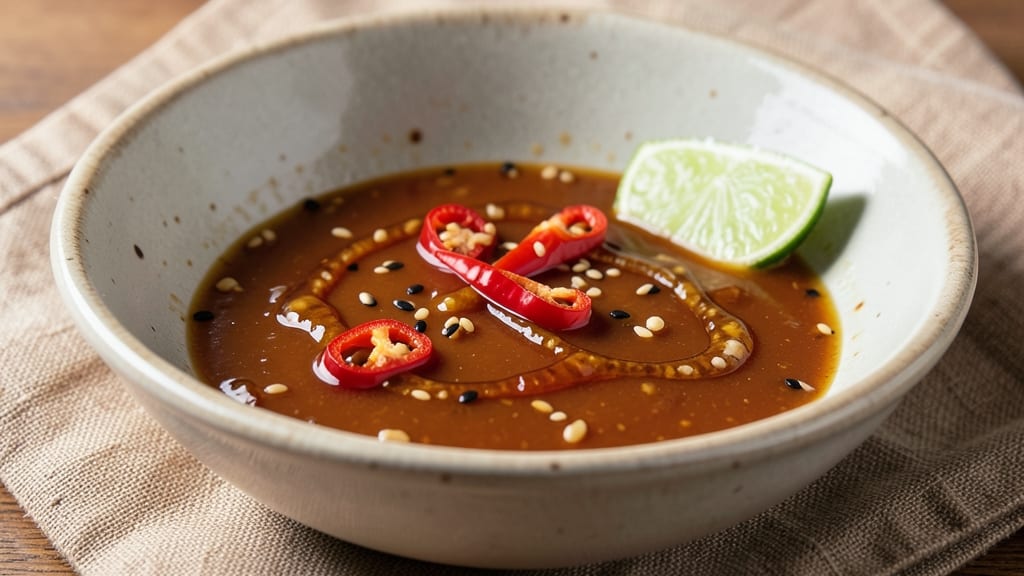
This Thai egg roll sauce recipe transforms ordinary takeout into a restaurant-worthy experience with its perfect balance of sweet, spicy, and umami-rich flavors.
The secret lies in simmering fish sauce, soy sauce, and sugar until the mixture reduces into a glossy, caramelized glaze—then cutting through that depth with bright lime and a kick of chili.
I developed this version after years of tweaking store-bought sauces that never quite captured that authentic crunch and complexity.
The sauce comes together in just 15 minutes with simple pantry staples, yet delivers restaurant-quality results that elevate egg rolls, spring rolls, or even grilled meats. What sets this apart is the proper balance—too much sugar makes it cloying, too much fish sauce becomes overpowering.
We'll walk through the exact ratios and reduction technique to get it just right every time.
What you'll end up with is a glossy, sticky sauce that clings perfectly to crispy egg roll wrappers, offering a symphony of flavors with each bite: the heat of chili, the sweetness of caramelized sugar, the umami punch of fish sauce, and the bright acidity of lime.
The texture is silky yet slightly thick, designed to coat every crispy bite without overwhelming the dish.
This sauce keeps well in the refrigerator for up to 2 weeks, making it perfect for meal prep or hosting gatherings. Whether you're dipping egg rolls or drizzling over noodle bowls, this recipe will become your go-to for authentic Thai flavors at home.
Let's get started on creating this versatile, flavor-packed sauce.
Ingredients for thai egg roll sauce
Pantry staples that transform into a restaurant-quality sauce in 15 minutes.
| Ingredient | Amount | Notes |
|---|---|---|
| Fish Sauce 🍜 | ½ cup | Red Boat preferred for authentic flavor |
| Soy Sauce 🥢 | ¼ cup | Light or dark works equally |
| Granulated Sugar 🍚 | ½ cup | White or brown sugar both work |
| Lime Juice 🍋 | ¼ cup | Freshly squeezed for bright acidity |
| Rice Vinegar 🍶 | 2 tbsp | White or seasoned rice vinegar |
| Fresh Chili Peppers 🌶️ | 2 whole | Thai bird's eye or serrano peppers |
| Garlic Cloves 🧄 | 4 cloves | Minced for aromatic base |
| Sesame Oil 🫒 | 1 tbsp | Toasted sesame oil for nutty depth |
| Water 💧 | ¼ cup | For thinning if needed |
| Salt 🧂 | ½ tsp | Adjust to taste at the end |
The fish sauce is the heart of this recipe—Red Boat is my go-to for that authentic umami punch, but any good quality brand works. Grab the light soy sauce for a cleaner flavor, though dark adds depth too. Sugar is where you can get creative: white for crisp sweetness or brown for a caramel note. Trader Joe's has great options for both. The lime needs to be fresh—bottled juice just won't cut it. Look for bright green limes at the store, and squeeze them right before using. Garlic should be fresh too, with no green shoots—those add bitterness you don't want here.
No fish sauce? Coconut aminos in a pinch, though it'll lack some depth. Swap brown sugar for white if you're watching carbs, but the sauce will be slightly lighter. Fresh chili peppers can be tricky—if you can't find Thai bird's eye, serrano or jalapeño work, just adjust the quantity. The sesame oil is non-negotiable for that nutty aroma, but if you're avoiding it, toasted sesame seeds sprinkled at the end add a similar touch. For a smoother texture, blend the garlic and chili with the lime juice before adding to the sauce.
This sauce keeps beautifully in the fridge for 2 weeks in an airtight jar—just give it a stir before using. For a thicker consistency, simmer uncovered for an extra minute or two. Freezes perfectly for 3 months if you want to make a big batch. I always double the recipe when hosting—it disappears fast. The sauce gets even better the next day as the flavors meld, so make extra if you can. Store it in the fridge after opening, and it'll stay vibrant for your next meal.
Why You'll Love This Recipe
- Five-Ingredient Magic: I swear by this combo—just fish sauce, soy, sugar, lime, and vinegar. No fancy prep, no measuring cups you’ll lose, just a quick whisk while you wait for your egg rolls to heat.
- Umami Bomb: That first splash of fish sauce? Instant depth. The lime brightens it up so fast your taste buds wake up, and the vinegar keeps it sharp without overpowering. Honestly, it’s the kind of sauce that makes you want to eat egg rolls for breakfast.
- Leftover Hero: Make a big batch—it keeps for weeks in the fridge. Drizzle it on summer rolls, toss it with noodles, or even glaze grilled chicken. I’ve used mine for everything from takeout nights to lazy Sunday brunches.
- Budget Win: Fish sauce and soy sauce are cheap, and you’ll use them up fast. A little goes a long way, so you’re not stuck with a half-empty bottle gathering dust. Plus, it’s way cheaper than store-bought bottled sauces that taste like they’re missing something.
Step-by-step instructions for Thai egg roll sauce
This sauce delivers perfect balance—sweet, tangy, and packed with umami. Let's build it together.
Prepare the Chili-Garlic Base
In a medium saucepan, combine the 2 whole fresh chili peppers and 4 cloves garlic cloves. Heat over medium-low heat for 3-4 minutes until the garlic becomes fragrant and the chilis soften slightly. You'll smell that aromatic punch—this is where the sauce's depth starts.
Watch carefully to avoid burning. The garlic should turn golden but not brown. Remove from heat immediately once fragrant. I like to smash the chilis with the back of a spoon while they're still warm—this releases more oils and intensifies the heat. Set aside for now.
Build the Sweet-Savory Foundation
Return the saucepan to medium heat and add the 0.5 cup granulated sugar. Stir until it begins to melt and caramelize slightly—this adds depth to the sauce. Then pour in the 0.5 cup fish sauce and 0.25 cup soy sauce, stirring constantly for 2 minutes until fully combined.
Here's the thing—don't rush this step. The sugar needs time to dissolve completely and integrate with the fish and soy sauces. You're creating the sweet-savory backbone that makes this sauce addictive. The mixture should look smooth with no graininess remaining.
Add Acid and Balance Flavors
Reduce heat to low and stir in the 0.25 cup lime juice and 2 tbsp rice vinegar. Simmer gently for 3-4 minutes until the mixture thickens slightly and the acidity brightens the flavors. You'll notice the sauce becoming glossy and slightly syrupy—this is exactly what we want.
Taste at this stage. The balance should be sweet, salty, and tangy with a hint of heat from the chilis. If it's too strong, add 1-2 tbsp of the 0.25 cup water to thin it slightly. The sauce should coat the back of a spoon but still be pourable. This is where you'll adjust the final flavor profile.
Finish with Umami and Season
Add the smashed chili-pepper mixture back to the pan along with the 1 tbsp sesame oil. Stir well and simmer for another 2 minutes to allow the sesame oil to infuse its nutty aroma. This final step adds that signature Thai restaurant depth.
Remove from heat and stir in the 0.5 tsp salt. Give it a final taste—you might want to add a splash more lime juice if it needs more brightness or a pinch of sugar if it's too sharp. The sauce should be perfectly balanced with sweet, salty, sour, and umami all working together.
Cool and Serve
Let the sauce cool completely to room temperature. This resting period allows all the flavors to meld together perfectly. The sauce will thicken slightly as it cools—this is normal and actually enhances the texture.
For best results, store in an airtight container in the refrigerator for up to 2 weeks. This sauce gets even better with time as the flavors continue to develop. Use it to dip egg rolls, drizzle over noodles, or toss with fresh spring rolls. The possibilities are endless!
Pro Tips For Making Thai Egg Roll Sauce
- STIR CONSTANTLY FOR 1 MINUTE: If you walk away while mixing fish sauce and sugar, you’ll end up with a grainy, uneven sauce. Keep that spoon moving—no breaks—until the sugar fully dissolves and the mixture turns silky smooth. (Yes, even if you’re impatient like me.)
- USE COLD LIME JUICE: Fresh lime juice straight from the bottle is too warm and will cook off the acidity the second it hits the pan. Chill the juice in the fridge for 10 minutes first—your sauce will stay bright and tangy, not muted. (Trust me, the difference is noticeable.)
- SALT THE SOY SAUCE: Plain soy sauce is salty enough on its own, but fish sauce packs a punch too. Taste the soy before adding it, then adjust with a pinch of salt if needed. You’ll avoid overpowering the balance with too much umami later.
- SWEAT THE VINEGAR: Add rice vinegar last and let it sit for 30 seconds after mixing—don’t stir it in right away. This gives the acid time to mellow out instead of hitting you with a harsh tang. (I learned this after burning my tongue twice.)
Essential equipment for thai egg roll sauce
Small Saucepan
Start with a medium saucepan—this size gives you enough surface area for even heating while keeping the volume manageable. I use a 3-quart stainless steel pan because it distributes heat evenly and prevents scorching.
Avoid non-stick pans for this sauce—they don't conduct heat as well, and you want that caramelized depth from the sugar. 🔥
Fine-Mesh Strainer
A fine-mesh strainer is essential if you prefer a smoother sauce without visible chili seeds. I like the OXO Good Grips model because it's durable and easy to clean. If you're keeping the seeds for extra texture, skip this step—but straining gives you that silky, restaurant-quality finish.
Place it over a bowl to catch any strained bits for future use.
Wooden Spoon
Use a wooden spoon for stirring—it won't scratch your pan or react with the acidic ingredients like metal might. A 6-inch silicone spatula also works well for scraping up any caramelized bits stuck to the bottom.
Avoid plastic spoons, as they can melt under prolonged heat. The spoon should be long enough to reach all corners of your saucepan for even mixing.
Immersion Blender
For an ultra-smooth sauce, an immersion blender is a game-changer. I use the Ninja Foodi model to blend the chili and garlic directly in the pan after cooking. This eliminates the need for transferring hot liquids and ensures you capture every flavorful drop.
If you don't have one, a regular blender works—just let the sauce cool slightly before blending.
Measuring Spoons
Precision matters with this sauce, so invest in a set of stainless steel measuring spoons. The OXO Stainless Steel set is my go-to because it's accurate and durable. For the sesame oil, use a 1-tablespoon measure—this small quantity makes a big difference in flavor.
A kitchen scale isn't necessary, but if you have one, it's perfect for measuring the sugar and fish sauce by weight for even more consistency.
Glass Storage Jar
Store your finished sauce in a glass jar with an airtight lid—I recommend a 16-ounce mason jar for easy pouring and visibility. Glass preserves the sauce's flavor better than plastic, which can absorb odors.
Label the jar with the date so you can track freshness. The jar should be wide-mouthed for easy access to the sauce when dipping or drizzling. 💫
Nutrition facts
Frequently asked questions
Can I make this Thai egg roll sauce without fish sauce?
Yes, but the flavor will be different. Replace the 0.5 cup fish sauce with 0.5 cup coconut aminos for a vegetarian-friendly option, though it'll lack some umami depth. Alternatively, use 0.25 cup soy sauce plus 1 tbsp oyster sauce for a closer approximation. The sauce will still taste delicious but won't have that authentic Thai restaurant punch.
How do I adjust the spice level for kids or sensitive eaters?
Remove the seeds and membranes from the chili peppers before cooking to reduce heat. For milder flavor, use 1-2 Thai bird's eye peppers instead of 2, or swap them for 1 jalapeño. After cooking, you can also strain out the chili pieces entirely if needed. The sauce will still have great flavor without being spicy.
Why did my sauce turn out too thick or too thin?
If too thick, stir in 1-2 tbsp water while warm and simmer briefly. For thinning, add water 1 tbsp at a time until reaching desired consistency. The ideal texture coats the back of a spoon but remains pourable. Too thin? Simmer uncovered for 2-3 extra minutes to reduce. The sugar content affects thickness—reduce slightly if using brown sugar.
Can I make this sauce ahead of time?
This sauce actually improves with time. Make it 1-2 days ahead and store in an airtight container in the fridge. The flavors meld beautifully, becoming more balanced and complex. For best results, let it come to room temperature before serving. It keeps well for 2 weeks refrigerated or 3 months frozen.
What are the best ways to use this sauce besides dipping egg rolls?
This versatile sauce works perfectly as a marinade for grilled meats, a drizzle over noodle dishes like pad thai, or a glaze for roasted vegetables. Try tossing it with fresh spring rolls or using it as a dressing for summer rolls. The balance of sweet, spicy, and umami makes it great for any dish that needs a Thai-inspired flavor boost.