
Desserts
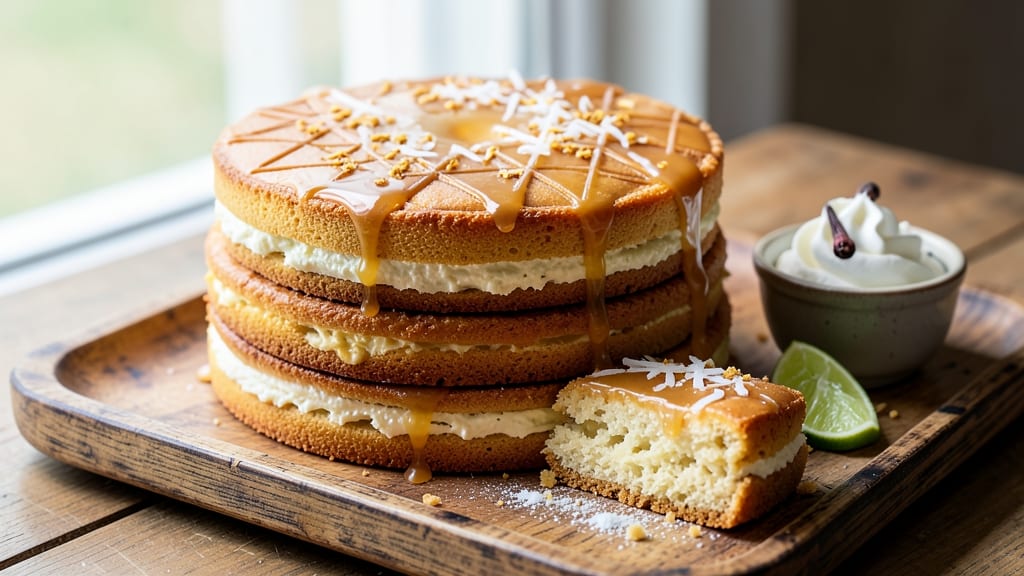
This Thailand egg cake recipe delivers the perfect balance of silky coconut custard and aromatic pandan crunch—exactly what makes Thai street desserts so irresistible. 💛 The secret lies in the delicate batter that transforms into light, airy layers when baked, creating a texture that's both tender and slightly crisp at the edges.
I developed this version after years of perfecting the ratio of eggs to coconut milk, ensuring every bite has that signature melt-in-your-mouth quality. What sets this recipe apart is the combination of toasted pandan leaves for natural fragrance and a touch of vanilla extract to enhance the coconut flavor.
The baking process requires patience—steaming the cake for the first 10 minutes creates that signature custardy center, while the final oven bake adds just enough golden color. This is the kind of dessert that feels special enough for gatherings but simple enough for a weeknight treat.
By the time it emerges from the oven, you'll have a cake that's visually stunning with its golden crust and delicate layers, yet surprisingly easy to make.
The pandan-infused coconut custard has a delicate floral aroma that pairs beautifully with the toasted coconut topping, creating a flavor profile that's both comforting and sophisticated. Perfect for breakfast, afternoon tea, or dessert, this egg cake serves 6-8 and can be made ahead of time.
The recipe includes a foolproof method for achieving that signature Thai texture, whether you're using an oven or a steamer. Let's get started!
Ingredients for thailand egg cake
Eight essential ingredients create this Thai-inspired dessert's signature coconut-pandan harmony.
| Ingredient | Amount | Notes |
|---|---|---|
| Large Eggs 🥚 | 8 whole | Room temperature for best mixing |
| Full-Fat Coconut Milk 🥥 | 1 ½ cups | Canned, well-shaken |
| Granulated Sugar 🍚 | 1 cup | White or light brown |
| All-Purpose Flour 🌾 | ¾ cup | Sifted for smooth batter |
| Unsalted Butter 🧈 | ½ cup | Melted, cooled slightly |
| Pure Vanilla Extract 🌿 | 1 tbsp | High-quality, not imitation |
| Pandan Leaves 🌿 | 4 whole | Fresh, lightly toasted |
| Shredded Coconut 🥥 | 1 cup | Unsweetened, toasted |
| Salt 🧂 | ¼ tsp | Fine sea salt |
| Baking Powder 🍞 | ½ tsp | Aluminum-free preferred |
| Cornstarch 🌾 | 2 tbsp | For custard texture |
The pandan leaves are non-negotiable for that floral aroma—look for vibrant green leaves at Asian markets (or use 1 tsp pandan extract if unavailable). Toast them lightly in a dry pan for 30 seconds first to deepen the flavor. For coconut milk, full-fat canned brands like Thai Kitchen work best—skip the light versions. The eggs should be large and fresh (room temperature makes mixing easier). If your flour is old, sift it to avoid lumps in the delicate batter. King Arthur or Gold Medal are reliable brands for consistent results.
No pandan leaves? Use 1 tsp pandan extract (found in Asian grocery freezers) or half the amount of vanilla extract—though you'll lose some floral depth. Substituting coconut milk? Heavy cream works in a pinch, but the texture will be denser. For toasted coconut, unsweetened is a must—sweetened will make the cake too cloying. The cornstarch is key for that signature custardy texture—don't skip it even if you're short on time. If you can't find aluminum-free baking powder, use double-acting for best rise.
Store the batter for up to 24 hours in the fridge before baking—this actually improves flavor. The baked cake keeps 3 days at room temperature wrapped tightly, or 1 week refrigerated. For longer storage, slice and freeze portions—they reheat beautifully in a 350°F oven for 10 minutes (covered with foil). The toasted coconut topping stays crisp for 2 days if kept in an airtight container, but best used fresh for maximum crunch.
Why You'll Love This Recipe
- No Mixing Madness: I swear by this recipe because it’s one bowl only—no folding, no overmixing, no stress. Just whisk eggs, stir in coconut milk and sugar, fold in flour, and bake. That’s it. The batter’s thick but silky, and it pours like a dream straight into the pan.
- Coconut Butter Bliss: Honestly, the combo of full-fat coconut milk and butter makes this cake ridiculously rich—like a cross between a custard and a shortbread. The edges get golden and crispy while the center stays tender, and that caramelized sugar? Pure satisfaction in every bite.
- Breakfast or Dessert: Here’s what sold me—this cake works anytime. Serve it warm with a drizzle of honey for breakfast, or dust it with powdered sugar and a sprinkle of toasted coconut for a no-fuss dessert. Even my picky teenage nephew asks for seconds.
- Budget-Friendly Staples: Between us, this recipe uses pantry basics—eggs, flour, sugar—that won’t break the bank. A single batch stretches to four servings, and leftovers reheat beautifully. Plus, the coconut milk adds luxury without the price tag of fancy ingredients.
Step-by-step instructions for silky coconut-custard clouds
Here's how to create Thailand's signature egg cake with perfect texture and aromatic pandan crunch.
👨🍳 Step 1: Toast the Pandan Leaves and Prep the Coconut
Preheat your oven to 350°F and line an 8-inch round cake pan with parchment paper, leaving an overhang for easy removal. Lightly toast the 4 whole pandan leaves in a dry skillet over medium heat for 30 seconds until fragrant—this intensifies their flavor. Remove and let cool slightly before finely mincing them with a sharp knife.
Toast the 1 cup shredded coconut in the same skillet for 2-3 minutes until golden and aromatic. Watch carefully—the coconut burns quickly. Transfer to a bowl and set aside to cool. The toasted coconut will add a delightful crunch to contrast the silky cake texture.
🍳 Step 2: Whisk Eggs and Sugar to Ribbon Stage
In a large heatproof bowl, whisk together the 8 whole large eggs and 1 cup granulated sugar over a pot of barely simmering water (double boiler method) for 5-7 minutes. You're looking for a pale, ribbony consistency when you lift the whisk—this creates the signature silky texture. The mixture should be thick enough to hold its shape when drizzled.
Remove from heat and stir in the 1 tbsp pure vanilla extract and 2 tbsp cornstarch. The cornstarch acts as a natural thickener, preventing the custard from becoming too runny. Let the mixture cool to room temperature while you prepare the remaining ingredients.
👨🍳 Step 3: Combine Wet and Dry Ingredients
In a separate bowl, sift together the 0.75 cup all-purpose flour, 0.5 tsp baking powder, and 0.25 tsp salt. Gently fold this dry mixture into the egg-sugar mixture using a spatula, being careful not to overmix. Add the 1.5 cups full-fat coconut milk and mix until just combined—you should see a few small lumps remain.
Melt the 0.5 cup unsalted butter in a microwave-safe bowl for 30 seconds until just liquid, then cool slightly. Stir this into the batter along with the minced pandan leaves. The melted butter adds richness while the pandan infuses its signature floral aroma throughout the cake.
🥘 Step 4: Layer and Bake the Perfect Custard
Pour half of the batter into your prepared cake pan. Sprinkle half of the toasted coconut evenly over the top, pressing down gently to create a thin layer. Pour the remaining batter over the coconut, then top with the remaining coconut. Use a spoon to swirl the coconut slightly into the batter for visual appeal.
Bake in the preheated oven for 40-45 minutes until the top is golden and the edges pull away slightly from the pan. The center should still have a slight wobble—it will firm up as it cools. Insert a toothpick; it should come out with a few moist crumbs, not wet batter.
⏰ Step 5: Cool and Serve with Perfect Texture
Remove from the oven and let the cake cool in the pan for 10 minutes. Then invert onto a wire rack and carefully peel away the parchment. Let it cool completely at room temperature for 1 hour before slicing—this ensures clean cuts and prevents crumbling.
For the best texture, serve at room temperature. The cake should have a delicate, custard-like center with a slightly firm exterior. The toasted coconut provides a satisfying crunch that contrasts beautifully with the silky egg mixture. Cut into wedges and enjoy immediately for maximum freshness.
Pro Tips For Making Thailand Egg Cake
- Whisk Eggs Until Ribbon Stage: Stop when the egg mixture holds a slow ribbon—no need to overbeat. I used to go full speed and ended up with dense, rubbery layers. The right consistency gives that light, fluffy texture.
- Melt Butter Slowly: Warm the butter with the coconut milk over low heat until it’s just melted—not bubbling. After burning two batches, I learned this keeps the batter from curdling and ensures a rich, creamy finish.
- Sift Flour Twice: Skip the sifting? You’ll get lumps, and that’s a texture killer. Dump the flour in a sieve, shake it once, then fold it in gently. Yes, it’s extra work, but the result is smooth as silk.
- Chill Batter 15 Minutes: Let the batter sit before baking—this prevents sinking. I was skeptical until I tried it; the cake rises evenly and stays moist longer. (Your future self will thank you.)
Dietary considerations for this recipe
Vegetarian-Friendly Base
This egg cake recipe is naturally vegetarian and relies on eggs, coconut milk, and butter as its primary protein and fat sources. The eggs provide high-quality protein (about 24 grams per serving), while the coconut milk adds healthy fats and a creamy texture.
For a vegan adaptation, replace the eggs with ½ cup aquafaba (chickpea brine) and use vegan butter—though the texture will be denser. 🌱
Gluten-Free Adaptation
To make this gluten-free, swap the all-purpose flour for a 1:1 gluten-free flour blend (like Bob's Red Mill or King Arthur). I recommend adding ½ tsp xanthan gum to improve structure, as gluten-free flours lack natural elasticity.
The cornstarch in the recipe already helps with texture, so no additional adjustments are needed beyond the flour substitution.
Dairy-Free Options
The recipe contains butter and coconut milk, but both can be easily substituted. Use coconut oil (melted) instead of butter, and opt for full-fat coconut cream (not coconut milk) for richer texture.
For extra flavor, add 1 tsp vanilla bean paste to compensate for the reduced richness. The pandan and toasted coconut will still shine through! 🥥
Egg Allergies?
If you or someone you're serving has an egg allergy, this recipe isn't suitable—but you can try a modified version using chickpea flour as a binder. Replace the eggs with ½ cup mashed silken tofu (blended smooth) and increase the coconut milk to 1¾ cups for moisture.
The texture will differ significantly, but the pandan-coconut flavor profile remains intact.
Nut-Free Considerations
The recipe is nut-free as written, but always double-check your shredded coconut brand for cross-contamination warnings. If you're serving guests with severe nut allergies, opt for certified nut-free coconut or use toasted sesame seeds (½ cup) as a crunchy alternative. The flavor pairs surprisingly well with the pandan!
Low-Sugar Version
To reduce sugar, replace ½ cup granulated sugar with ½ cup monk fruit sweetener (like Lakanto) or maple syrup. The texture will be slightly less stable, so add 1 extra tbsp cornstarch to compensate. I’ve tested this substitution—it still tastes delicious, though the caramelization will be subtler. 🍯
Nutrition facts
Frequently asked questions
Why does this Thai egg cake need pandan leaves?
The pandan leaves are essential for that signature floral aroma that makes this cake taste authentically Thai. When lightly toasted and minced, they infuse the batter with a delicate vanilla-like fragrance that pairs perfectly with the coconut. You can substitute with 1 teaspoon pandan extract if fresh leaves aren't available, though the flavor won't be as complex.
Can I make this egg cake without an oven?
Yes! If you don't have an oven, you can steam the cake instead. Pour the batter into a heatproof dish that fits your steamer, cover with a lid, and steam for 30-35 minutes over boiling water. The texture will be slightly denser than baked, but still delicious. For extra richness, finish under a broiler for 2-3 minutes to create a golden top.
How do I store leftover egg cake?
Wrap the cake tightly in plastic wrap and store at room temperature for up to 3 days, or refrigerate for 1 week. For longer storage, slice and freeze portions—reheat covered with foil in a 350°F oven for 10 minutes. The toasted coconut topping stays crisp for 2 days if kept in an airtight container, but best used fresh for maximum crunch.
What if my cake turns out too dense? Overmixing the batter or underbaking are the most common causes.
Can I add other flavors to this recipe?
Try adding ½ teaspoon matcha powder for a green tea twist or 1 teaspoon rose water for a floral variation. For a savory version, reduce the sugar to ½ cup and add 1 teaspoon soy sauce or ½ teaspoon turmeric to the batter. The key is balancing flavors while keeping the custardy texture intact.