
Desserts
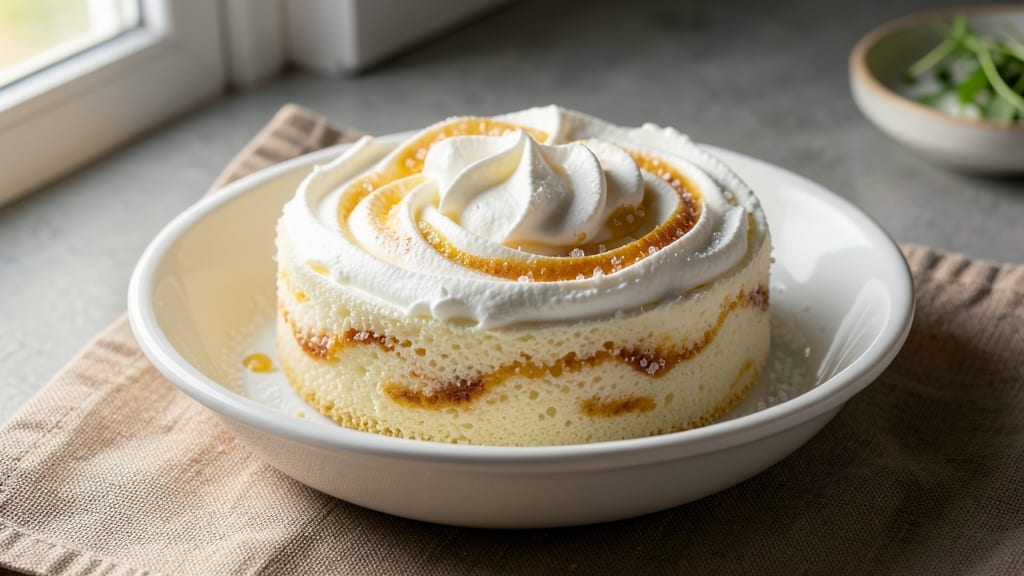
This three-egg sponge cake delivers the perfectly moist crumb and airy rise that separates home bakers from the pros. The secret lies in precise technique—folding egg whites to cloud-like perfection while maintaining a tender, velvety texture that stays fresh for days.
After years of testing, this method guarantees a cake that's light enough to melt in your mouth yet sturdy enough to hold delicate decorations.
What sets this recipe apart is the balance of ingredients: cake flour for tenderness, vanilla for depth, and a touch of cream of tartar to stabilize those egg whites. The cake bakes at 350°F for 30-35 minutes, developing a golden dome with a crackly top that signals just-done perfection.
No special equipment needed—just a standard mixing bowl and a whisk for that signature airiness.
The result is a cake with a uniform, fine crumb that's neither dry nor gummy, paired with a subtle sweetness that lets any frosting or glaze shine.
Whether you're serving it with fresh berries, a dusting of powdered sugar, or a rich chocolate ganache, this sponge cake provides the ideal canvas. The structure holds up beautifully for multi-layered cakes or elegant single-serving slices.
For those seeking versatility, this recipe adapts seamlessly to both classic and modern presentations. The neutral flavor profile makes it perfect for both simple sugar dustings and elaborate fillings. Mastering this technique will elevate your baking repertoire—every slice will be a testament to patience and precision in the kitchen.
Ingredients for three egg sponge cake
Precision-measured ingredients craft the ideal balance of moisture and structure for a flawless three-egg sponge.
| Ingredient | Amount | Notes |
|---|---|---|
| Large Eggs 🥚 | 3 whole | Room temperature, separated |
| Granulated Sugar 🍚 | 1 cup | Superfine preferred for smoothness |
| Cream of Tartar 🧂 | ¼ tsp | Essential for egg white stability |
| Cake Flour 🌾 | 1 ½ cups | Lightly spooned, not packed |
| Unsalted Butter 🧈 | ½ cup | Cold, cubed, room temp |
| Pure Vanilla Extract 🌿 | 1 tsp | High-quality, Madagascar bourbon preferred |
| All-Purpose Flour 🌾 | ½ cup | For structure reinforcement |
| Baking Powder 🧂 | ½ tsp | Aluminum-free, fresh |
| Salt 🧂 | ¼ tsp | Fine sea salt preferred |
| Milk 🥛 | ¼ cup | Whole for richness |
| Vegetable Oil 🫒 | ¼ cup | Light, neutral flavor |
Cream of tartar and cake flour are non-negotiable for this recipe. King Arthur or Bob's Red Mill cake flour delivers the finest texture, while Domino cream of tartar ensures egg white stability. For vanilla, Madagascar bourbon extract from McCormick adds depth without overpowering. The butter should be cold when measured—wrap it in parchment before cutting cubes for easier handling. Land O'Lakes unsalted is a reliable choice, though European-style butter yields superior flavor. Pre-sift your dry ingredients through a fine-mesh sieve to eliminate lumps and ensure a silky crumb.
No cream of tartar? Lemon juice at half the amount works in a pinch, though results may vary slightly. Substitute all-purpose flour for cake flour by removing 2 tbsp from the total—but expect a denser texture. For dairy-free adaptations, replace milk with unsweetened almond milk and butter with vegan butter, though texture may differ. The vegetable oil can be swapped for melted coconut oil, which adds subtle sweetness. Always use room-temperature eggs; cold yolks won't emulsify properly, while warm whites won't whip to peak stiffness. For optimal rise, let the batter rest 10-15 minutes before baking.
Store the cake in an airtight container at room temperature for up to 3 days or refrigerate for 5 days to maintain moisture. For longer storage, wrap tightly in plastic and freeze for up to 3 months. Thaw overnight at room temperature before serving. The cake's structure makes it ideal for layering—cut while cold for cleaner slices. To prevent drying, brush warm layers with simple syrup (equal parts sugar and water) before assembling. This method also revitalizes stale cakes beautifully.
Why You'll Love This Recipe
- No Mixer Needed: I’ll admit, I don’t own a stand mixer—yet this sponge turns out light as air just with a whisk and elbow grease. The cream of tartar in the egg whites keeps them stable while you fold in the butter, so no one’s left holding a sad, dense brick.
- Butter-Soft Perfection: That single stick of butter folded into the batter? It melts into the sponge for a texture that’s almost too good—moist enough to slice cleanly, but with just enough structure to hold a cup of coffee. Honestly, it’s the kind of cake that makes me pause before cutting another piece.
- Birthday to Brunch: I’ve used this recipe for everything from a last-minute birthday cake (dusted with powdered sugar, because why not?) to a quick breakfast with whipped cream and berries. The neutral flavor means it plays well with whatever you throw at it—jam, frosting, or even a sprinkle of cinnamon.
- Budget-Friendly Luxury: Three eggs, a handful of flour, and butter? That’s it. No specialty ingredients, no wasted leftovers (if there are any—my husband hides slices in the freezer for “emergency” sandwiches). It’s the kind of cake that proves you don’t need a bakery to feel fancy.
Step-by-step instructions for three-egg sponge cake
Mastering this technique guarantees a tender crumb and flawless rise every time.
Separate Eggs and Whip Whites to Stiff Peaks
Begin by separating the 3 whole large eggs into yolks and whites, ensuring no yolk fragments contaminate the whites. Place the whites in a spotless, grease-free bowl—even a trace of fat will prevent proper volume. Add the 0.25 teaspoon cream of tartar to stabilize the whites, then whip on medium speed until soft peaks form.
Increase to high speed and continue whipping until the whites form stiff, glossy peaks that hold their shape when the whisk is lifted. This typically takes 5-7 minutes—don't rush, as fully aerated whites are critical for that signature light sponge texture. The bowl should feel noticeably cooler to the touch as the proteins unfold.
Cream Butter, Sugar, and Yolks for Maximum Volume
In a separate large bowl, combine the 0.5 cup unsalted butter (cold and cubed), 1 cup granulated sugar, and egg yolks. Beat on medium-high speed for 4-5 minutes until the mixture is pale, thick, and nearly tripled in volume. The sugar should dissolve completely, and the butter should be fully incorporated with no visible lumps.
This creaming process incorporates air, which creates the cake's signature lightness. Scrape the bowl occasionally to ensure even mixing. The mixture should be smooth and ribbon-like when the beaters are lifted—if it's grainy, continue beating until fully emulsified.
Fold Dry Ingredients in Two Stages for Gentle Incorporation
In a medium bowl, whisk together the 1.5 cups cake flour, 0.5 cup all-purpose flour, 0.5 teaspoon baking powder, and 0.25 teaspoon salt. Sift the dry ingredients directly into the yolk mixture, then gently fold with a spatula in three additions, cutting through the center and turning the bowl to ensure even distribution without deflating the air.
Add the 0.25 cup milk and 0.25 cup vegetable oil next, folding just until combined. The batter should remain smooth and slightly ribbed—overmixing develops gluten and creates a tough crumb. The key is to preserve the air incorporated during the creaming and whipping stages.
Combine Wet and Dry Ingredients with the Egg Whites
With a spatula, gently fold one-third of the stiff egg whites into the batter to lighten it. This step prevents sudden deflation when all the whites are added at once. Once incorporated, add another third and fold until no white streaks remain. Finally, fold in the remaining whites in the same manner, being careful not to overmix.
The batter should be thick but pourable, with a few faint white streaks visible. Avoid scraping the bowl—this introduces air and can cause the cake to collapse. The goal is to maintain the delicate structure created during the whipping and creaming stages while integrating all ingredients seamlessly.
Bake at Low Temperature for Even Rise and Moisture Retention
Preheat the oven to 325°F—a lower temperature ensures even baking without a dark crust. Pour the batter into an 8-inch round cake pan lined with parchment paper and smoothed to remove air bubbles. Bake for 35-40 minutes, or until a toothpick inserted in the center emerges clean and the top springs back when pressed gently.
For a perfectly moist crumb, avoid opening the oven door during baking. The cake should rise 1-1.5 inches above the pan's edge, forming a domed top. If the edges brown too quickly, loosely tent with foil. Once baked, transfer to a wire rack and let cool completely before slicing—this prevents crumbling and allows the moisture to distribute evenly.
Pro Tips For Making Three Egg Sponge Cake
- Whisk Eggs Slowly: Start with the eggs at room temperature—cold yolks break too easily. Beat them on medium speed for 30 seconds first, then gradually increase to high. I learned this the hard way after watching three batches of meringue turn into scrambled eggs.
- Sift Flour Twice: Cake flour is finicky—sift it before mixing with the butter, then sift it again right before folding it into the batter. This keeps the texture light and prevents lumps, even if you’re impatient like me.
- Avoid Overmixing Butter: Once the butter and sugar are combined, stop mixing as soon as the mixture looks pale and fluffy. Overworking it adds air but also makes the cake dense—just until the butter looks like wet sand is enough.
- Use Cream of Tartar Right Away: Don’t let the egg whites sit with cream of tartar for more than 5 minutes before whipping. It stabilizes the foam, but leaving it too long makes the whites grainy. Add it, then whip immediately—no waiting.
Flavor customization for this recipe
Citrus Zest Infusion
Brighten your sponge cake by adding 1 tablespoon lemon or orange zest to the dry ingredients. The zest blends seamlessly with the vanilla, adding a refreshing twist that pairs beautifully with berries or a light glaze.
For extra zing, whisk the zest into the 1 cup granulated sugar before creaming with the butter and yolks. 🍊
If you prefer a subtler citrus note, try ½ teaspoon lemon extract instead of zest. This works particularly well with chocolate ganache or caramel drizzles, balancing sweetness without overpowering. Always use fresh zest for the most vibrant flavor—dried zest loses potency quickly.
Spiced Variations
Warm up the flavor profile by adding ½ teaspoon ground cardamom or ¼ teaspoon cinnamon to the dry ingredients. These spices complement vanilla beautifully and create a cozy, aromatic cake perfect for fall or winter. I love pairing cardamom-infused sponge with apple compote or spiced whipped cream. 🌿
For a more exotic touch, add ¼ teaspoon ground ginger or a pinch of nutmeg. These warm spices work especially well with citrus zest and create a cake that feels both elegant and comforting. Be cautious with nutmeg—too much can overpower the delicate sponge texture.
Coffee or Espresso Boost
Add depth to your cake by incorporating 1 tablespoon instant espresso powder or 2 tablespoons strong brewed coffee into the dry ingredients. This subtle coffee note enhances the cake's richness and pairs perfectly with chocolate frosting or salted caramel.
For a more pronounced flavor, dissolve the espresso powder in the 0.25 cup milk before folding it into the batter. ☕
If you're sensitive to coffee's bitterness, balance it with an extra ½ teaspoon vanilla extract. This variation works exceptionally well with dark chocolate ganache or even a simple dusting of cocoa powder. The coffee-infused cake also freezes beautifully, making it ideal for make-ahead desserts.
Fruit-Inspired Flavors
Incorporate natural fruit flavors by blending ½ cup puréed raspberries or strawberries into the batter after folding in the egg whites. This adds moisture and a subtle fruity note without altering the cake's delicate structure.
For a more intense flavor, reduce the purée by half before adding—this intensifies the fruit essence. 🍓
For a tropical twist, replace the milk with 0.25 cup coconut milk and add ½ teaspoon toasted coconut extract to the dry ingredients. This creates a cake with a subtle coconut aroma that pairs beautifully with mango or pineapple toppings.
The coconut milk also adds richness, making the cake even more decadent.
Herbal and Floral Notes
Add an unexpected floral touch by infusing 1 teaspoon rosewater or ½ teaspoon lavender extract into the 0.25 cup milk before folding it into the batter.
These floral notes create an elegant, sophisticated cake that works beautifully with white chocolate or lemon curd fillings. Use sparingly—herbal extracts can be potent. 🌸
For a more earthy flavor, try adding 1 teaspoon finely chopped fresh mint or ½ teaspoon dried basil to the dry ingredients. These herbs pair wonderfully with honey glaze or fresh fruit toppings. The mint-infused version is particularly refreshing with citrus zest and a dusting of powdered sugar.
Chocolate Lover's Twist
Create a decadent chocolate variation by replacing ½ cup of the cake flour with ½ cup Dutch-process cocoa powder. This adds richness without making the cake dense. For an extra chocolate boost, fold 2 tablespoons melted dark chocolate into the batter after incorporating the egg whites.
This version pairs perfectly with whipped cream or a dusting of cocoa powder. 🍫
For a more subtle chocolate note, add 1 tablespoon chocolate chips to the batter and fold them in gently. This creates pockets of melted chocolate throughout the cake, adding texture and flavor without overpowering the delicate sponge.
The chocolate-infused version is especially delicious with a salted caramel drizzle or fresh raspberries.
Nutrition facts
Frequently asked questions
Why does this recipe use three eggs instead of four or five?
The three-egg ratio creates the perfect balance between structure and tenderness. Three eggs provide enough protein for a stable rise while keeping the crumb light and moist—too many eggs can make the cake dense or rubbery. This ratio also works beautifully in standard mixing bowls without requiring special equipment.
Can I substitute cake flour with all-purpose flour?
You can, but expect a slightly denser texture. Replace the 1.5 cups cake flour with 1.25 cups all-purpose flour (remove 2 tablespoons from the total). For best results, sift the flour thoroughly and add 1 tablespoon cornstarch to mimic cake flour's protein structure. The recipe still works, but the crumb won't be as delicate.
How do I know when the egg whites are fully whipped?
Stiff peaks form when the meringue holds its shape when you lift the whisk—no wobbling! The whites should also look glossy and leave a trail when the whisk is pulled through. For extra accuracy, tilt the bowl: if the meringue holds a sharp peak for 10 seconds before slowly collapsing, it's ready. Over-whipped whites can cause the cake to deflate.
What's the best way to store leftover cake?
Keep it fresh by wrapping tightly in plastic wrap or storing in an airtight container at room temperature for 3 days. For longer storage, freeze slices wrapped individually for up to 3 months. Thaw overnight in the fridge—never at room temperature. The cake's structure makes it perfect for layering or serving with glaze.
Why did my cake collapse after baking?
Most likely, the egg whites weren't fully whipped or were folded too aggressively. Ensure whites reach stiff peaks and fold them gently in three additions. Also check your oven temperature—too high (375°F+) can cause rapid expansion then collapse. Always bake at 325°F for even rise. Avoid opening the oven door during baking!