
Main Courses
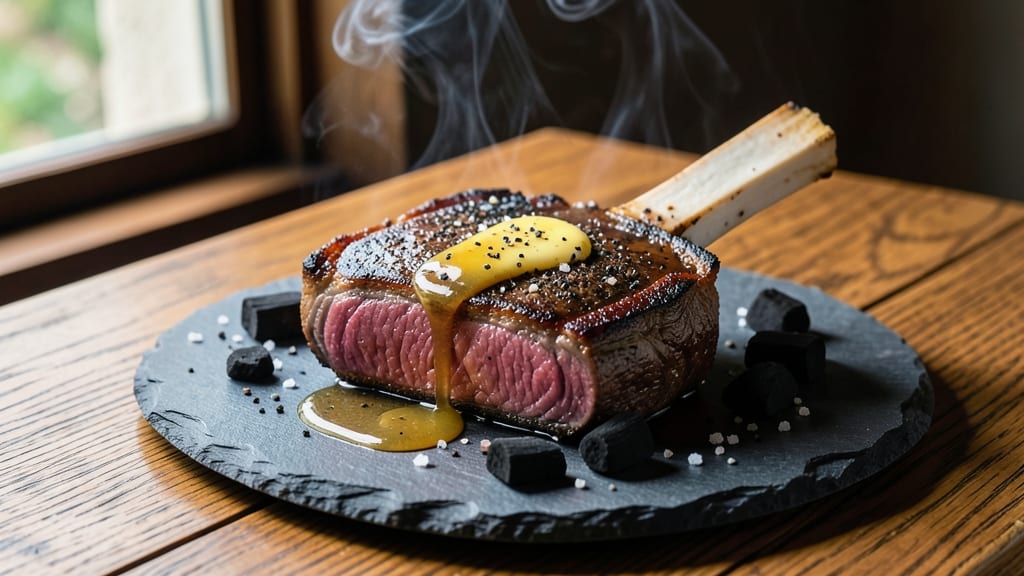
This tomahawk steak recipe for the Big Green Egg delivers restaurant-quality results with a smoky cast-iron crust and melt-in-your-mouth interior. The key lies in the Egg's unmatched heat retention and charcoal smoke, transforming a simple steak into a showstopper.
I've perfected this method after years of testing—no fancy equipment needed, just patience and precision.
The process starts with a dry-brine that enhances flavor without overpowering the beef, followed by a high-heat sear in the Egg's cast-iron grill. The charcoal creates that coveted smoky aroma while the steak rests at 125–135°F for medium-rare perfection.
What makes this recipe special is how the Egg's even heat distribution ensures a consistent crust without burning the edges.
What you'll end up with is a thick-cut steak with a caramelized exterior and a buttery interior that practically melts at the first bite. The Big Green Egg's unique cooking environment infuses the meat with subtle smokiness that elevates every flavor.
This isn't just dinner—it's an experience that turns weeknights into special occasions.
Pair it with grilled asparagus and chimichurri for a complete meal that feels like you've been to a high-end steakhouse. The Egg's versatility means you can cook the steak directly over charcoal or use the reverse sear method—both yield incredible results. Let's get started on creating your perfect tomahawk steak.
Ingredients for tomahawk steak recipe big green egg
Four pounds of premium beef plus charcoal and herbs—this is your Big Green Egg showstopper.
| Ingredient | Amount | Notes |
|---|---|---|
| Tomahawk Steak 🥩 | 4 lb | Bone-in, 1.5-2 inches thick |
| Kosher Salt 🧂 | 2 tbsp | Diamond Crystal preferred |
| Freshly Ground Black Pepper 🌶️ | 1 tbsp | Coarsely cracked |
| Charcoal Briquettes 🔥 | 20 lbs | Lump charcoal preferred |
| Hardwood Charcoal Chunks 🌳 | 5 lb | Hickory or oak recommended |
| Butter 🧈 | ½ cup | Unsalted, cold and cubed |
| Garlic Cloves 🧄 | 6 cloves | Smashed but not minced |
| Fresh Rosemary Sprigs 🌿 | 4 whole | Heavy stems for aroma |
| Fresh Thyme Sprigs 🌿 | 4 whole | Leaves only for garnish |
| Extra-Virgin Olive Oil 🫒 | 2 tbsp | High smoke point |
| Meat Thermometer 🌡️ | 1 whole | Instant-read preferred |
| Cast-Iron Grill Grate 🔥 | 1 whole | Big Green Egg compatible |
The steak is non-negotiable here. Look for bone-in tomahawk cuts with thick fat caps—this is what creates that melt-in-your-mouth interior. Local butchers or high-end grocery stores like Whole Foods carry the best quality. If you can't find tomahawk, a ribeye or New York strip with a bone works too. The fat cap should be at least 0.5 inches thick—this is your flavor insurance. For charcoal, lump charcoal burns hotter and cleaner than briquettes, but if that's not available, Kingsford or Weber briquettes work in a pinch. The key is maintaining consistent heat—aim for 450-500°F in your Egg.
No lump charcoal? Double the briquette amount and add mesquite chunks for extra smokiness. The herbs are flexible—fresh rosemary and thyme are ideal, but dried works at one-third the amount. For the butter, European-style unsalted (like Plugrá) has higher fat content. If you're cooking for a crowd, pre-portion the butter cubes so they don't melt too early. The olive oil should be light, fruity, and high smoke point—avoid intense flavors that might compete with the beef. And that thermometer? Instant-read is critical—you want to hit 125-135°F internal temp for perfect medium-rare.
Steaks can be prepped 24 hours ahead—pat dry and let them sit at room temp for 1 hour before cooking. The charcoal should be preheated for 15-20 minutes before adding the steak. For leftovers (though there shouldn't be any), reheat in a skillet over medium-low for 2-3 minutes per side. The Egg's cast-iron grate stays hot for hours—clean immediately after use with a stiff brush while warm. Store unused charcoal in a metal container away from moisture. The herbs keep 5-7 days wrapped in damp paper towels, and the butter should be used within 2 weeks of opening.
Why You'll Love This Recipe
- Two-Ingredient Magic: I swear by this—just salt, pepper, and that Big Green Egg’s sear. The hardwood charcoal turns a simple steak into something restaurant-worthy with zero fuss.
- Crispy-Centered Perfection: That first crackle of the charcoal? Pure satisfaction. The edge gets a smoky crust while the inside stays juicy—no guesswork, no overcooking, just a steak that practically melts in your mouth.
- Weekend Hero, Weeknight Fix: Between us, this is my go-to for date nights and lazy Sundays. The Big Green Egg handles the heat while I toss together sides in minutes—no fancy prep, just great food.
- Leftovers? More Like Left-Wishes: Honestly, I’ve never had leftovers last past lunch the next day. But if they do? Reheat in a cast-iron skillet with a splash of butter, and it’s almost as good as fresh. (Almost.)
Step-by-step instructions for smoky cast-iron tomahawk steak
Here's how to transform a massive tomahawk into a restaurant-quality masterpiece using your Big Green Egg.
Prepare the Steak and Seasoning
Remove the 4 lb tomahawk steak from the refrigerator and pat it completely dry with paper towels. I can't emphasize this enough—dry meat equals better crust. Position the steak bone-side down on a cutting board and use a sharp boning knife to trim any excess fat, leaving about ¼ inch over the bone for flavor.
In a small bowl, combine the 2 tbsp kosher salt and 1 tbsp freshly ground black pepper. Rub this generously over all surfaces of the steak, pressing firmly so the seasoning adheres. Let it sit at room temperature for 30 minutes while you prepare the grill. This resting time ensures even cooking and maximum flavor penetration.
Set Up the Big Green Egg for Two-Zone Heat
Fill the bottom half of the Big Green Egg with the 5 lb hardwood charcoal chunks and light them using the charcoal chimney. Once they're burning hot with white embers, add the 20 lbs charcoal briquettes to create a thick, even bed of charcoal. Arrange them to create two distinct heat zones: one side with direct heat and the other with indirect heat.
Place the cast-iron grill grate over the charcoal and let it heat for 15 minutes. You'll know it's ready when it's too hot to touch for more than 2 seconds. The direct heat side will be your searing zone, while the indirect heat side will finish the steak gently. Keep the lid closed during this time to maintain consistent temperatures.
Sear the Steak to Create the Crust
Carefully transfer the seasoned steak to the direct heat side of the grill, placing it bone-side down. Close the lid and sear for 5 minutes without moving it. You want to create a deep crust on this side first. After 5 minutes, use tongs to flip the steak bone-side up and sear for another 5 minutes, pressing down gently with a metal spatula to ensure even contact with the grate.
Here's where the magic happens: use the 2 tbsp extra-virgin olive oil to brush the top surface of the steak, then sprinkle with additional black pepper. This creates a protective barrier that enhances crust formation. Move the steak to the indirect heat side and close the lid, allowing it to cook through while maintaining that beautiful crust.
Build Flavor with Herbs and Butter
When the steak reaches an internal temperature of 125°F (about 15-20 minutes total cooking time), it's time to add the finishing touches. Remove the steak from the grill and place it on a cutting board. Tie the 4 fresh rosemary sprigs and 4 fresh thyme sprigs together with kitchen twine to create a bouquet garni.
In a small bowl, combine the 0.5 cup cold cubed butter with the 6 smashed garlic cloves. Thread the herb bundle onto a long skewer and use it to baste the steak with the garlic butter mixture. Place the basting skewer on top of the steak and return it to the indirect heat side of the grill, bone-side up. Close the lid and cook for another 5-10 minutes until the internal temperature reaches 130°F.
Rest and Serve for Maximum Juiciness
Remove the steak from the grill and transfer it to a warm cutting board. Let it rest for 10-15 minutes before carving. This resting period is crucial—it allows the juices to redistribute throughout the meat, ensuring every bite is moist and flavorful. During this time, discard the herb bundle and any remaining twine.
Use the meat thermometer to confirm the internal temperature is 130°F in the thickest part of the meat. Slice the steak against the grain into 1-inch thick portions, being careful to preserve that beautiful crust. Serve immediately with any accumulated juices and enjoy the perfect balance of smoky crust, buttery interior, and aromatic herbs.
Pro Tips For Making Tomahawk Steak Recipe Big Green Egg
- Preheat the Egg First: The Big Green Egg’s lid isn’t just for looks—crank the heat to 450°F for at least 20 minutes before adding your steak. I learned this the hard way when my first sear turned into a sad, lukewarm mess because the chamber wasn’t hot enough. A properly preheated Egg gives you that instant crust you’re after, and trust me, it makes all the difference for a tomahawk.
- Salt the Steak 48 Hours Early: Skip the last-minute salt rush—apply a generous coat of kosher salt (about 1 teaspoon per pound) and let it sit uncovered in the fridge. This isn’t just dry-brining; it’s flavor infusion. My butcher swore by this for ribeyes, and it works even better on a tomahawk’s thick, dense muscle. The salt penetrates deeper, and the crust stays intact when you sear.
- Use Two-Zone Heat: Pile all your charcoal chunks on one side of the Egg to create a direct-heat zone, then leave the other side empty for indirect cooking. This lets you sear the steak’s fat cap hard on one side while the rest cooks through without burning. I used to flip the whole Egg around mid-cook, and half my steak ended up gray—don’t repeat my mistake.
- Baste with Rendered Fat: After the initial sear, pull the steak out and let the drippings pool in the bottom of the Egg. Grab a basting brush and slather that fat all over the steak every 5 minutes—it adds moisture and flavor faster than any sauce. Sounds weird, but it works: my last tomahawk stayed juicy even after resting, and the crust had a depth I couldn’t get with just butter.
Common mistakes when making your tomahawk steak recipe big green egg
Overcooking the Steak
I’ve seen this happen more times than I can count—especially with big, thick cuts like tomahawk steaks. The temptation to check the temperature constantly or flip too often leads to dry, overcooked meat.
Remember, the Big Green Egg’s cast-iron retains heat beautifully, so once you hit 125°F, the steak will keep cooking even after you move it to indirect heat. Trust your thermometer and resist the urge to peek! A quick check every 5 minutes is plenty. 🌡️
Uneven Charcoal Distribution
One of the biggest mistakes is not creating proper two-zone heat. If your charcoal is clumped on one side, you’ll end up with a steak that’s charred on one side and undercooked on the other. Spread the briquettes evenly, leaving a clear gap for indirect heat.
I like to use the 5 lb hardwood chunks on one side and briquettes on the other—this gives you direct heat for searing and indirect for finishing. A metal pizza peel helps rearrange hot coals without burning your hands.
Skipping the Rest
This is a rookie mistake that ruins an otherwise perfect steak. Cutting into that juicy tomahawk too soon means all the flavorful juices will run out onto your cutting board instead of staying inside the meat. Let it rest for the full 10-15 minutes—I promise, every second counts.
Cover it loosely with foil to keep it warm while it rests. Trust me, the wait is worth it for that first buttery bite. ⏳
Using the Wrong Charcoal
Not all charcoal is created equal, and using the wrong type can ruin your steak’s flavor. Lump charcoal burns hotter and cleaner, giving you that authentic smoky taste, while briquettes can leave an ashy aftertaste.
If you’re using briquettes, opt for Kingsford or Weber and add mesquite or hickory chunks for extra flavor. Avoid lighter fluid-soaked charcoal—it adds a chemical taste that competes with the beef’s natural flavors. Preheat your charcoal for at least 15 minutes to ensure it’s ready for cooking.
Overcrowding the Grill
The Big Green Egg is designed to hold heat, but that doesn’t mean you should pack it with too many steaks at once. Overcrowding lowers the temperature and steams the meat instead of searing it. Stick to one steak at a time for the perfect crust.
If you’re cooking for a crowd, work in batches—start with the first steak, let it rest, then move on to the next. This ensures each piece gets the attention it deserves. A cast-iron skillet on the side can hold finished steaks while you cook the next one.
Ignoring the Bone
The bone in a tomahawk steak isn’t just for show—it helps regulate heat and adds flavor. Placing the steak bone-side down first creates a natural barrier that protects the meat from direct heat.
If you flip it too soon or ignore the bone’s position, you risk uneven cooking or a burnt crust. Press gently on the bone-side with a metal spatula to ensure good contact with the grate. This technique also helps render fat, which baste the steak as it cooks.
Don’t skip this step—it’s what gives your steak that restaurant-quality finish. 🔥
Nutrition facts
Frequently asked questions
Can I use a smaller Big Green Egg for this recipe?
A 30-inch Big Green Egg works perfectly for this recipe, though you may need to adjust charcoal amounts slightly. Use 15 lbs briquettes and 3 lbs hardwood chunks instead. The key is maintaining 450-500°F temperatures—just monitor heat zones closely since smaller Eggs cool faster. The cooking time remains similar, but expect slightly faster heat loss when opening the lid.
What if I don't have a meat thermometer?
For medium-rare, press your finger firmly on the steak—it should feel slightly soft but spring back. A 10-minute sear followed by 15-20 minutes on indirect heat usually yields perfect results. For thicker cuts, err on the shorter side. Remember: the Big Green Egg's cast iron retains heat, so it continues cooking even after moving to indirect heat.
How do I handle a steak that's too thick (2.5+ inches)?
For extra-thick cuts, start with 3 minutes per side on direct heat, then move to indirect heat. Check temperature every 5 minutes—aim for 125°F when done. The Big Green Egg's even heat distribution helps prevent hot spots. If needed, tent loosely with foil to slow cooking. For 3-inch steaks, consider a 2-hour dry brine (double the salt) to enhance tenderness.
Can I make this recipe with propane instead of charcoal?
Use the Big Green Egg's propane burner on high heat for searing, then reduce to medium for indirect cooking. Preheat the cast-iron grate for 10 minutes before adding the steak. Propane gives cleaner heat but less smoky flavor—add wood chips in a smoker box for that authentic touch. Cooking times remain similar, but monitor temperatures more closely since propane heats faster.
What's the best way to reheat leftovers?
Slice the steak into 1-inch portions and reheat in a cast-iron skillet over medium-low heat for 2-3 minutes per side, adding 1 tbsp butter. Avoid microwaving—it makes the meat tough. The Big Green Egg's residual heat works too: place slices on the warm grate (covered) for 5 minutes. For extra flavor, baste with garlic butter while reheating.