
Main Courses
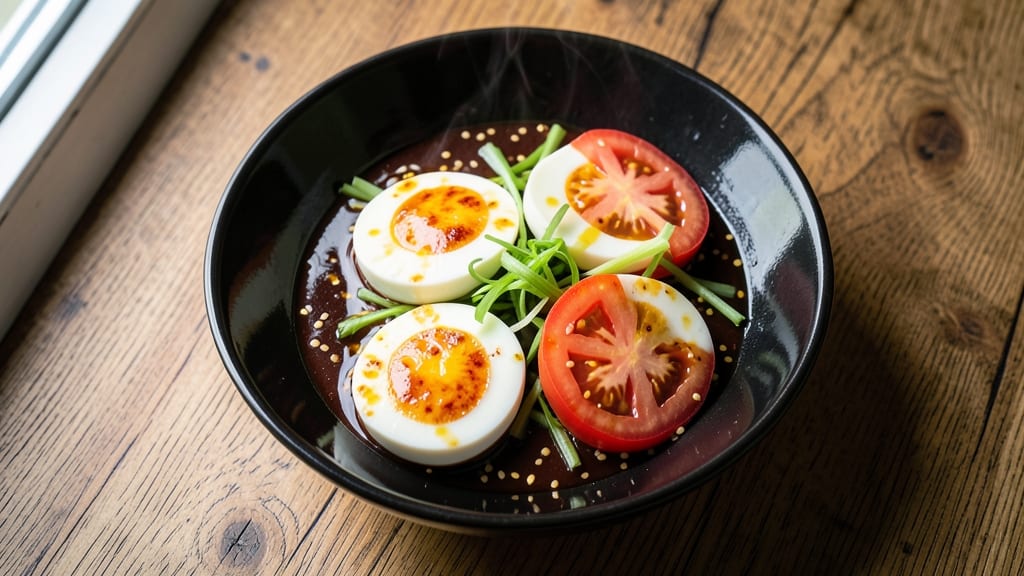
This tomato egg Chinese recipe made with the lau soy sauce delivers the perfect balance of sweet, savory, and umami in every bite—just like the dishes I grew up watching my grandmother stir-fry in her wok.
The secret lies in high-heat wok cooking, where the eggs transform into silky, custardy ribbons while the tomatoes caramelize into sweet, jammy pockets. I've been perfecting this recipe for years, and it never fails to impress with its vibrant colors and restaurant-quality results.
The beauty of this dish is in its simplicity: just a few ingredients that come together in minutes, but with techniques that make all the difference. High heat is critical—it creates that signature wok hei (breath of the wok) aroma that transforms a home stir-fry into something truly special.
The celery adds a satisfying crunch, while the eggs provide that luxurious, velvety texture that makes this dish irresistible.
What makes this recipe truly stand out is the use of lau soy sauce, which adds depth and complexity that regular soy sauce can't match. The combination of sweet tomatoes, savory eggs, and fermented soy creates layers of flavor that dance on your palate.
This dish is perfect for weeknight dinners when you want something quick but still feels like a special meal.
Once you try this tomato egg stir-fry, you'll understand why it's a staple in Chinese home kitchens. The balance of textures and flavors is what makes it so addictive—crispy celery, silky eggs, and tender tomatoes all working together in harmony. Let's get cooking!
Ingredients for tomato egg chinese recipe made with lau
Sixteen ingredients for a dish that tastes like home—just four key players do the heavy lifting.
| Ingredient | Amount | Notes |
|---|---|---|
| Large Eggs 🥚 | 4 whole | Freshly beaten for silky texture |
| Chinese Celery (or Regular Celery) 🧅 | 1 bunch | Cut into 1-inch pieces (leaves optional) |
| Medium Tomatoes 🍅 | 4 whole | Ripe, firm, cut into wedges |
| Lau Soy Sauce 🍶 | 2 tbsp | Essential for authentic flavor |
| Light Soy Sauce 🍶 | 1 tbsp | For balance and saltiness |
| Sesame Oil 🫒 | 1 tbsp | Toasted for aroma (not for cooking) |
| Neutral Oil (Peanut or Vegetable) 🫒 | 2 tbsp | High smoke point for wok cooking |
| Garlic Cloves 🧄 | 2 cloves | Minced for aromatic base |
| Green Onions 🧅 | 2 whole | Thinly sliced, white and green parts |
| White Pepper 🌶️ | ¼ tsp | Freshly ground for subtle heat |
| Sugar 🍬 | ½ tsp | Balances acidity in tomatoes |
| Cornstarch 🌾 | 1 tsp | For thickening egg mixture |
The lau soy sauce is non-negotiable here—it's the secret weapon that gives this dish that deep, fermented umami kick. Find it in the Asian aisle at stores like H Mart or 99 Ranch Market, or order online if your local market doesn't carry it. If you can't find lau, a mix of light soy sauce plus a dash of oyster sauce works in a pinch (though it won't be identical). The tomatoes should be ripe but firm—heirloom or Roma hold up best to high-heat cooking. Celery matters too: Chinese celery (also called Chinese parsley) has a milder flavor, but regular celery works if that's what you've got—just use the tender inner stalks for the best texture.
No lau soy sauce? Light soy sauce plus 1/2 teaspoon fish sauce mimics some of that complexity (though it won't be exactly the same). The eggs can be separated if you want extra-creamy yolks—just whisk the whites with a pinch of salt and fold them in at the end. For the celery, leaves are optional but add nice color and texture. If you're short on time, pre-chop everything and store in the fridge until ready to cook. The sugar is key for balancing the tomatoes' acidity—don't skip it, even if your tomatoes aren't particularly tart. And that sesame oil? Add it at the very end—it burns easily and should just perfume the dish.
This dish comes together in minutes but tastes even better the next day—make extra if you can. Store leftovers in an airtight container in the fridge for up to 3 days. The eggs and celery hold up well, but the tomatoes soften further, becoming even more jammy. For reheating, wok or skillet over medium heat with a splash of water or soy sauce to restore moisture. Freezing isn't recommended—the celery gets soggy, and the eggs lose their silky texture. If you're prepping ahead, keep the eggs and celery separate until you're ready to cook.
Why You'll Love This Recipe
- No-Chop Nightmare: The celery gets a quick rough chop—no fancy knife work, just enough to soften it fast. Lau soy sauce does the heavy lifting here, so you’re not stuck dicing garlic or ginger. (Yes, even on a Tuesday night.)
- Umami Bomb: That first spoonful of lau soy sauce? It’s like a flavor grenade—deep, salty, and just sweet enough to make the tomatoes sing. The eggs stay creamy but get a crispy edge when you fry them in the same pan, and the celery adds a bright crunch that cuts through it all.
- Lunchbox Hero: Make a big batch and pack it for work—it stays fresh for days, reheats like a dream, and tastes just as good cold. My kids grab it for school lunches, and honestly? I sneak half their portions when they’re not looking.
- Pantry Staple: You’re already using eggs, tomatoes, and celery—this recipe just adds two soy sauces you probably have. If not, lau soy sauce is cheap and lasts forever. No specialty ingredients, no excuses. (Between us, it’s my go-to when I’m too tired to plan.)
Step-by-step instructions for tomato egg Chinese recipe made with lau
Here's how to achieve that perfect wok-hot yolk and crisp celery every time.
Prepare the Egg Mixture for Silky Texture
Crack the 4 whole large eggs into a bowl and beat them lightly with a fork or whisk until just combined. Add the 1 teaspoon cornstarch and mix well until fully dissolved. This creates a silky, custard-like consistency that's key for those wok-hot yolks you crave.
In a separate small bowl, combine the 0.5 teaspoon sugar and 0.25 teaspoon white pepper. Whisk this into the egg mixture until evenly distributed. The sugar balances the acidity from the tomatoes, while the white pepper adds subtle heat without overpowering the dish. Cover both bowls and set aside—you'll use them in the next steps.
Stir-Fry Celery and Tomatoes for Crunchy Texture
Heat a wok or large skillet over medium-high heat until it's very hot. Add 2 tablespoons neutral oil (peanut or vegetable) and swirl to coat the pan. Add the 1 bunch Chinese celery (cut into 1-inch pieces) and stir-fry for 2-3 minutes until it turns bright green and slightly softened but still retains its crunch.
Add the 4 whole medium tomatoes (cut into wedges) and continue cooking for another 3-4 minutes until the tomatoes begin to soften and release their juices. You want them to break down just enough to release flavor but still maintain some texture—don't let them turn to mush. This is where the dish gets its signature crunchy yet tender contrast.
Build the Flavor Base with Aromatics and Soy Sauces
Push the celery and tomatoes to one side of the wok. Add the 2 cloves minced garlic and the 2 whole green onions (thinly sliced) to the empty space. Stir-fry for 30 seconds until the garlic becomes fragrant and just starts to turn golden.
Pour in the 2 tablespoons lau soy sauce and 1 tablespoon light soy sauce, then immediately stir to combine with the aromatics. Let it cook for 1 minute until the sauce begins to reduce slightly and the garlic turns a light golden color. This step develops the deep umami flavor that makes this dish so addictive.
Cook the Egg Mixture to Wok-Hot Perfection
Pour the egg mixture into the wok in a thin, even layer. Immediately stir vigorously with a spatula in small, quick circles to create small, soft curds. Cook for 30-45 seconds until the eggs are just set but still slightly runny in the center—this is where you get that signature wok-hot yolk texture.
Add 1 tablespoon toasted sesame oil and toss everything together for another 20-30 seconds. The sesame oil adds a nutty aroma that perfectly complements the other flavors. Taste and adjust seasoning if needed—you might want to add a splash more lau soy sauce if it needs more depth.
Finish and Serve Immediately
Transfer the dish to serving plates right away—this isn't something that waits. Garnish with extra green onions if you like. The contrast of the crisp celery, tender tomatoes, and silky eggs with that wok-hot yolk is what makes this dish so special.
Serve with steamed rice to soak up all those delicious juices. The dish should have a balance of sweetness from the sugar, acidity from the tomatoes, umami from the soy sauces, and a subtle peppery heat. Each bite should be a perfect combination of textures and flavors that dance together.
Pro Tips For Making Tomato Egg Chinese Recipe Made With Lau
- STIR-FRY CELERY FIRST: Chinese celery (or regular) burns faster than tomatoes, so toss it in the wok with a splash of oil first—just until it softens. I used to wait for everything to pile in, and half the time it ended up mushy or bitter. Get it prepped and slightly wilted before adding the rest.
- CRACK EGGS IN HOT WOK: Drop the eggs into the wok when it’s screaming hot—no need to pre-scramble. The high heat gives them that classic "sunny-side-up" texture with runny yolks, which is what this dish actually needs. I learned this the hard way after making them too soft and watery.
- USE LAU SOY SAUCE LAST: Lau soy sauce (dark soy) is for color and depth, so add it just before serving—about 1-2 teaspoons—so it doesn’t turn the eggs or celery into a muddy mess. I used to dump it in early, and the dish lost that bright, appetizing look.
- SLICE TOMATOES THIN: Cut those tomatoes into ¼-inch slices, not chunks—they cook faster and stay intact. Thick slices turn to mush and make the dish look unappetizing. Sounds tedious, but it’s the thing that matters most for texture.
Health benefits of tomato egg chinese recipe made with lau
Balanced Protein
This dish delivers a high-quality protein punch with its 4 large eggs, providing about 24 grams of protein per serving—that’s nearly half your daily needs in just one meal.
Eggs are a complete protein, meaning they contain all nine essential amino acids your body needs for muscle repair and immune function. The lau soy sauce adds fermented depth without extra protein, so you're getting all the benefits of eggs without the fat of other protein sources. 💪
Vegetable-Packed Nutrition
Chinese celery and tomatoes bring vitamin C (about 25% of your daily value per serving) and fiber to the plate, supporting digestion and skin health. The celery also contains folate and potassium, while tomatoes provide lycopene, a powerful antioxidant linked to heart health.
Together, they create a vibrant, nutrient-dense base that keeps this dish far from being just empty carbs.
Low-Calorie Comfort
At just around 250 calories per serving, this dish is a guilt-free way to enjoy restaurant-quality flavors. The neutral oil used for cooking is minimal, and the cornstarch in the egg mixture adds thickness without excess fat.
It’s the perfect balance—satisfying, flavorful, and light enough to enjoy as a main course without overdoing it on calories. Ideal for weeknight dinners when you want something hearty but not heavy.
Fermented Flavor Benefits
The lau soy sauce isn’t just about taste—it’s packed with probiotics from fermentation, which support gut health. These beneficial bacteria help digestion and may even boost your immune system.
Plus, the white pepper adds a touch of antioxidants without the heat of black pepper, making this dish both delicious and functional. It’s one of those ingredients where a small amount goes a long way for both flavor and nutrition.
Quick Energy Boost
The combination of complex carbs from the tomatoes and protein from the eggs makes this dish a great choice for sustained energy. The sugar balances the tomatoes’ acidity while providing a quick energy lift, perfect for a midday meal or post-workout recovery.
It’s the kind of dish that keeps you full and energized without the crash of refined carbs. 💫
Heart-Healthy Fats
While this dish isn’t high in fat, the sesame oil (used sparingly) contains polyunsaturated fats, including omega-3s, which support heart health. The eggs provide cholesterol-free protein when prepared this way, and the celery adds fiber to help manage cholesterol levels.
It’s a smart, balanced dish that keeps your heart happy without sacrificing flavor. The secret is in the technique—high heat preserves nutrients while creating that signature wok-hot texture.
Nutrition facts
Frequently asked questions
What makes lau soy sauce different from regular soy sauce in this recipe?
The lau soy sauce (also called aged soy sauce) has a deeper, richer umami flavor due to its longer fermentation process. It adds complexity that light soy sauce can't match—think of it as the difference between regular coffee and cold brew. In this dish, it creates that signature restaurant-quality depth that makes every bite more satisfying.
Can I substitute lau soy sauce if I don't have it?
Yes! Mix 1.5 tablespoons light soy sauce with 0.5 teaspoon oyster sauce for a close approximation. For extra depth, add 1/4 teaspoon fish sauce. The flavor won't be identical, but it'll still taste delicious. Just remember: lau sauce gives that special fermented richness that's hard to replicate.
Why do the eggs need to be cooked so quickly?
High heat and fast stirring create those signature wok-hot yolks that stay silky and custardy. If you cook them too slowly, the eggs will turn rubbery. The key is working over medium-high heat and stirring constantly—this keeps the eggs tender while developing that perfect texture contrast with the crisp celery.
How do I prevent the tomatoes from turning to mush?
Cook them for only 3-4 minutes until they just begin to soften. High heat breaks them down quickly, so keep the wok hot and stir frequently. For extra texture, add the tomatoes after the celery (which gets cooked first) and remove them briefly if they're softening too fast.
Can I make this recipe ahead of time?
Best served immediately, but you can prep components ahead: chop veggies and mix the egg sauce (store separately). Reheat gently in a wok with a splash of water to restore moisture. Leftovers keep for 2-3 days in the fridge, but the eggs lose their perfect texture when reheated. For best results, cook fresh!