
Breakfast & Brunch
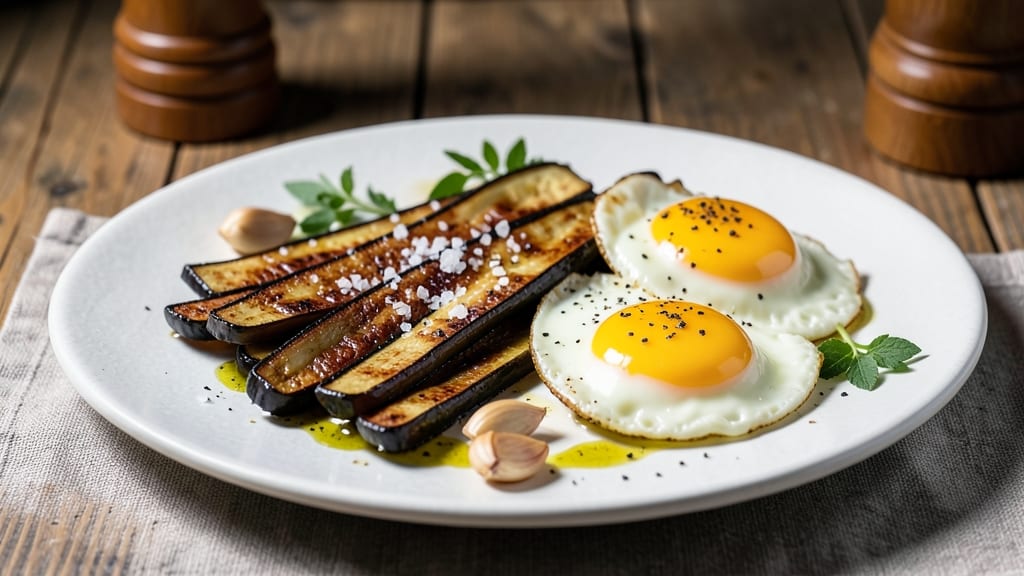
This tortang talong with egg recipe transforms humble eggplant into a creamy, velvety dish that’s become a Filipino breakfast staple. The secret lies in pan-frying eggplant until tender, then mixing it with beaten eggs for that signature egg-curdled texture—rich, comforting, and impossible to resist.
Unlike typical scrambled eggs, this dish achieves a luxurious, almost custard-like consistency that wraps around every bite.
What makes this recipe special is its simplicity paired with restaurant-quality results. With just a few ingredients—eggplant, eggs, garlic, and a touch of salt—you’ll create a dish that’s both hearty and light, perfect for breakfast or a cozy dinner.
The eggplant absorbs the flavors beautifully, while the eggs add a delicate creaminess that balances the dish’s natural earthiness. No fancy techniques required—just patience and gentle cooking to achieve that perfect texture.
By the end, you’ll have a dish that’s golden, tender, and bursting with flavor—each forkful delivering a harmonious blend of eggy richness and eggplant’s subtle sweetness. The best part? It’s completely vegetarian-friendly and adaptable to modern twists, like adding cheese or fresh herbs for extra depth.
This recipe is a testament to how simple ingredients can create something truly extraordinary.
Serve it with steamed rice and a side of atchara (Filipino pickled papaya) for the full experience, or enjoy it as-is for a satisfying, comforting meal. Let’s get cooking!
Ingredients for tortang talong with egg
Just nine ingredients—eggplant, eggs, garlic, and a few pantry staples—transform into this velvety Filipino breakfast masterpiece.
| Ingredient | Amount | Notes |
|---|---|---|
| Asian Eggplant 🍆 | 2 lb | Medium-sized, firm and unblemished |
| Large Eggs 🥚 | 6 whole | Fresh, room temperature |
| Garlic Cloves 🧄 | 4 cloves | Minced finely for depth |
| Extra-Virgin Olive Oil 🫒 | ½ cup | For pan-frying eggplant |
| Diamond Crystal Kosher Salt 🧂 | 1 ½ tsp | Adjust to taste |
| Freshly Ground Black Pepper 🌶️ | ½ tsp | For subtle heat |
| Shallots 🧅 | 2 whole | Minced for aromatic base |
| Freshly Grated Parmesan Cheese 🧀 | ¼ cup | Optional for umami depth |
| Fresh Cilantro Leaves 🌿 | ¼ cup | Chopped for fresh finish |
| Butter 🧈 | 2 tbsp | Unsalted, for richness |
The eggplant is the star, so choose firm, unblemished Asian varieties—they're milder and creamier than globe eggplant. Filipino markets or Asian grocery stores often carry the best selection, but any well-stocked supermarket will have them. For the garlic, use fresh, never powdered—the flavor difference is dramatic. I always buy extra because you'll want to use it in everything else. The eggs should be fresh and at room temperature for that perfect curdled texture that makes this dish special. If you're feeling fancy, Parmigiano-Reggiano makes the cheese taste even more luxurious, but any good-quality grated cheese works.
No Asian eggplant? Italian or globe eggplant works in a pinch, but you'll need to peel it first. Short on garlic? Garlic powder at half the amount gives some flavor, but it won't be the same. The shallots can be swapped for 1/4 cup finely chopped red onion if that's what you have. Want to make it vegan? Skip the cheese and butter, and use olive oil instead. The cilantro is optional but adds that bright, fresh finish that cuts through the richness. If you hate cilantro, fresh parsley works beautifully. For the olive oil, stick with extra-virgin—it's worth the extra dollar for this dish. The butter adds richness, but if you're watching calories, use olive oil instead.
This dish tastes even better the next day—make extra and store it in the fridge for up to 3 days. Reheat gently in a skillet with a splash of water to restore that creamy texture. For meal prep, portion into glass containers with tight lids—it keeps beautifully for 3 days. The eggplant can be prepped ahead: slice and salt it, then let it sit for 30 minutes to remove bitterness before cooking. This is one of those rare dishes where leftovers are just as good as fresh, so don't hold back on making a big batch.
Why You'll Love This Recipe
- Two-Ingredient Core: The eggplant and eggs do all the heavy lifting—no fancy prep, just slice, sear, and simmer. Honestly, I’ve made this with just those two things and a pinch of salt, and it still hits.
- Garlic-Kissed Crisp: That quick sear in olive oil with minced garlic? The eggplant gets this irresistible caramelized crust while staying tender inside. Between us, it’s the kind of flavor that makes you pause mid-bite.
- Meal-Prep Magic: Cook a big batch, and it keeps for days in the fridge—reheat in a pan or microwave, and it’s just as good. I’ll be real: this is my go-to for lazy Sundays or when I forget to plan ahead.
- Budget-Friendly Staple: Eggplant and eggs are cheap, and this recipe stretches them far. Not the prettiest, but the taste makes up for it—plus, my wallet thanks me every time.
Step-by-step instructions for egg-curdled eggplant stew
Here's how to transform tender eggplant into a silky, egg-rich stew with layers of savory depth.
Prepare and Pan-Fry the Asian Eggplant
Slice the 2 lb Asian eggplant lengthwise into ½-inch thick strips, discarding the ends. Pat them completely dry with paper towels—this ensures a crisp exterior. Heat 0.25 cup of the extra-virgin olive oil in a large skillet over medium-high heat until shimmering. Arrange the eggplant strips in a single layer, without crowding, and cook for 3-4 minutes per side until golden brown and tender when pierced with a knife.
Remove the eggplant and set aside on a paper towel-lined plate to drain excess oil. The key here is patience—rushing will leave the eggplant undercooked and watery. You want strips that are tender yet still hold their shape, with a caramelized edge that adds texture contrast to the creamy stew.
Build the Aromatic Base
In the same skillet (no need to wipe it clean—those flavorful bits matter), melt the 2 tbsp butter over medium heat. Add the 2 minced shallots and cook for 2-3 minutes until softened and translucent. Stir in the 4 minced garlic cloves and cook for an additional 30 seconds until fragrant—this is where the foundation of your stew's flavor develops.
Here's the thing—don't let the garlic brown. It should smell sweet and inviting, not bitter. If it starts to darken, remove the skillet from heat for 10 seconds to cool it down. Sprinkle with ½ tsp of the kosher salt and ¼ tsp of the black pepper, stirring to combine. This aromatic base will carry through the entire dish, so take your time getting it right.
Create the Egg Custard Mixture
In a medium bowl, whisk together the 6 whole eggs until their yolks and whites are fully combined and the mixture is pale yellow. Gradually whisk in 0.25 cup of the remaining extra-virgin olive oil, creating a smooth emulsion. This step is crucial for achieving that signature egg-curdled texture that makes tortang talong so distinctive.
Season the egg mixture with the remaining 1 tsp kosher salt and ¼ tsp black pepper. If using, add the 0.25 cup freshly grated Parmesan cheese and whisk until fully incorporated. The cheese adds a subtle umami depth that complements the eggplant's natural sweetness. This mixture should be thick enough to coat the back of a spoon but still flow smoothly.
Combine and Simmer the Stew
Return the skillet with the shallot-garlic base to medium-low heat. Pour in the egg mixture, stirring gently but constantly with a silicone spatula to create small, delicate curds. This is where the magic happens—the eggs will begin to thicken almost immediately as they cook in the oil-rich pan.
Add the pan-fried eggplant strips to the skillet and gently fold everything together. The residual heat from the pan will continue cooking the eggs while the eggplant absorbs the creamy sauce. Simmer for 4-5 minutes, stirring occasionally, until the mixture reaches a thick, custard-like consistency. You're aiming for a texture that's rich but still slightly fluid—like a luxurious egg drop soup but with eggplant.
Finish and Serve with Fresh Herbs
Remove the skillet from heat and let the stew rest for 2 minutes. This brief resting period allows the flavors to meld and the texture to set slightly. Stir in the 0.25 cup chopped fresh cilantro leaves, reserving a few sprigs for garnish. The bright, citrusy notes of cilantro cut through the richness of the eggs and eggplant, adding a refreshing finish.
Taste and adjust seasoning if needed—this is your chance to balance the dish. Tortang talong should be creamy yet still have a touch of brightness. Serve immediately, garnished with the reserved cilantro sprigs, while the egg curds are still tender. The contrast between the silky egg mixture and the crisp-tender eggplant strips makes every bite unforgettable.
Pro Tips For Making Tortang Talong With Egg
- Salt the Eggplant First: Slice the Asian eggplant and sprinkle it with salt right away—let it sit for 10 minutes before rinsing. I learned this the hard way: skipping this step means your eggplant will absorb oil like a sponge instead of getting that crispy, caramelized edge.
- Sear the Eggplant Low and Slow: Don’t rush the frying—cook the eggplant slices over medium-low heat until golden brown, about 3-4 minutes per side. I used to crank the heat and end up with greasy, soggy eggplant. Patience here makes all the difference.
- Crack Eggs into a Separate Bowl: Whisk the eggs in a small bowl before pouring them over the eggplant—this prevents scrambled bits from sinking to the bottom. I was skeptical until I tried it: the eggs cook evenly, and the dish looks cleaner.
- Use Garlic Oil for Extra Flavor: Sauté minced garlic in olive oil until fragrant (but not browned) before adding the eggplant—this infuses the oil with garlic flavor that sticks to everything. Skip the raw garlic, and you’ll miss out on depth.
Troubleshooting your tortang talong with egg
Eggplant Too Watery?
If your eggplant releases too much moisture during cooking, it’s likely not dried properly before pan-frying. Pat slices with paper towels for at least 5 minutes to remove excess water.
For extra insurance, sprinkle with ½ tsp salt and let sit for 15 minutes before cooking to draw out bitterness and moisture. 🌱
Eggs Curdling Too Fast?
When eggs cook too quickly, they form large, rubbery clumps instead of delicate curds. To fix this, reduce heat to low and stir constantly with a silicone spatula to break up any forming curds.
Adding 1 tbsp cold water to the egg mixture before cooking also helps slow the process. The goal is a silky, custard-like texture, not scrambled eggs.
Dish Too Salty?
If your tortang talong tastes too salty, don’t panic—balance it with 1 tsp sugar or 1 tbsp lemon juice to brighten flavors. For a savory fix, stir in 2 tbsp unsalted butter to mellow the saltiness.
If using cheese, reduce salt in the egg mixture to avoid overpowering the dish. Taste as you go—adjust gradually!
Eggplant Not Tender Enough?
Undercooked eggplant makes the dish feel dense and unappetizing. To fix this, return the pan-fried strips to the skillet and cook for an additional 2-3 minutes on medium-low heat.
For next time, slice eggplant ¼-inch thick instead of ½-inch to ensure even cooking. A meat thermometer set to 160°F helps gauge doneness perfectly. 💡
Texture Too Dry?
If your tortang talong lacks creaminess, the eggs may have overcooked. To restore moisture, stir in 1-2 tbsp warm water or milk while off heat. For prevention, whisk 1 tbsp olive oil into the egg mixture before cooking to create a richer, more velvety texture.
Avoid high heat—medium-low is key for that signature custard-like consistency.
Flavor Too Mild?
Boost flavor by adding 1 tsp fish sauce (for umami) or ½ tsp smoked paprika for depth. For heat, stir in ¼ tsp chili flakes or a pinch of Sichuan peppercorns.
If using cheese, opt for Parmigiano-Reggiano—its sharpness elevates the dish. A splash of soy sauce (1 tsp) also adds complexity without overpowering. 🌶️
Nutrition facts
Frequently asked questions about tortang talong with egg
Can I use regular eggplant instead of Asian eggplant?
Yes, but you'll need to peel and seed it first. Asian eggplant has thinner skin and fewer seeds, making it creamier. For regular eggplant, slice ¼-inch thick and pat very dry to prevent excess moisture. The texture will be slightly denser but still delicious!
Why does my tortang talong turn out rubbery?
This usually happens when eggs cook too fast or the eggplant isn't tender enough. Always cook eggplant until fork-tender (160°F) and stir eggs constantly on medium-low heat. Adding 1 tbsp olive oil to the egg mixture helps create silky curds instead of rubbery clumps.
How do I make this vegetarian-friendly?
This dish is already vegetarian! Skip the optional cheese for a fully plant-based version. Use olive oil instead of butter and ensure all ingredients are certified vegan. The eggplant and eggs provide complete protein, making it a satisfying meat-free meal.
Can I make tortang talong ahead of time?
It actually tastes better the next day. Store in an airtight container in the fridge for up to 3 days. Reheat gently in a skillet with 1 tbsp water to restore creaminess. The flavors meld beautifully overnight!
What's the secret to perfect egg curdling?
The key is low and slow heat with constant stirring. Whisk eggs with 1 tbsp olive oil first to create a smooth emulsion. Cook on medium-low while stirring gently with a silicone spatula to create delicate, cloud-like curds—not scrambled egg texture.