
Side Dishes
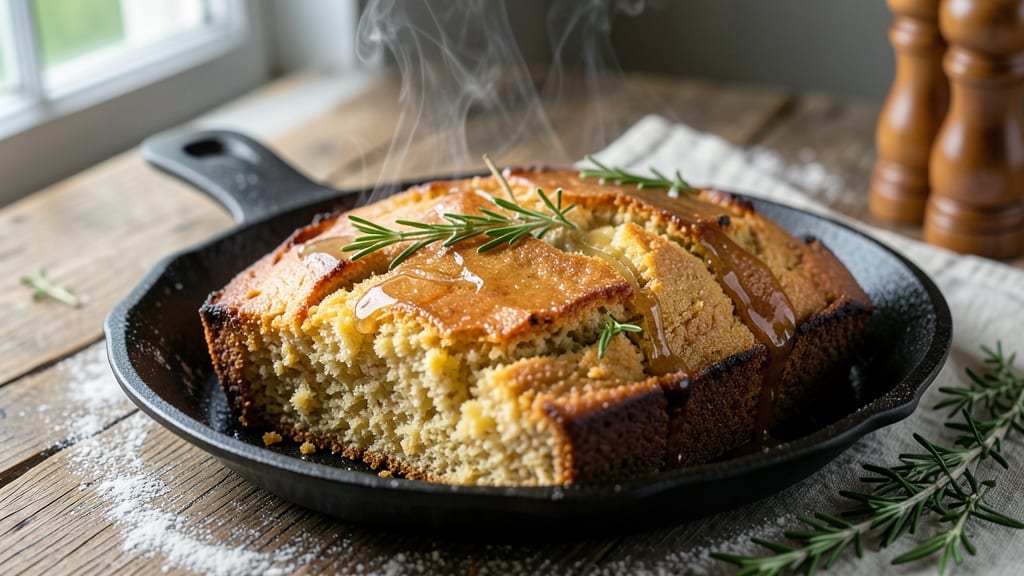
This traditional cornbread recipe with milk and eggs delivers the perfect balance of golden crust and moist crumb—the kind that disappears faster than you can say "pass the butter." 💛 What makes this recipe special is how the milk and eggs work together to create that signature tender texture while keeping the cornbread light and fluffy.
The secret lies in the right ratio of ingredients and a few simple techniques that ensure every bite is just as satisfying as the first.
The milk adds richness and moisture, while the eggs bind everything together for that classic crumb structure. Unlike many recipes that rely on heavy butter or oil, this version uses just enough to create a tender yet slightly crispy exterior.
I've perfected this method over years of testing, and it never fails to impress—whether you're serving it with chili, slathering it in honey, or enjoying it plain with a pat of butter.
What you'll end up with is a cornbread that's moist yet sturdy, with a golden-brown crust that's impossible to resist. The texture is just right—tender enough to melt in your mouth but with enough structure to hold up to serving.
This is the kind of cornbread that becomes a staple in your kitchen, whether you're feeding a crowd or treating yourself to a simple, satisfying meal.
Ready to bake? Here's everything you need to create this classic side dish that's as comforting as it is delicious. Let's get started!
Ingredients for traditional cornbread recipe with milk and eggs
These simple staples come together for cornbread with a golden crust and melt-in-your-mouth crumb.
| Ingredient | Amount | Notes |
|---|---|---|
| All-Purpose Flour 🌾 | 1 ½ cups | Sifted for light texture |
| Cornmeal (Fine or Medium-Ground) 🌽 | 1 cup | Not coarse, for smooth crumb |
| Granulated Sugar 🍚 | ¼ cup | White or brown, packed |
| Baking Powder 🧂 | 2 tsp | Aluminum-free preferred |
| Salt 🧂 | ½ tsp | Diamond Crystal kosher |
| Large Eggs 🥚 | 2 whole | Room temperature for mixing |
| Whole Milk 🥛 | 1 cup | Full-fat for richness |
| Unsalted Butter 🧈 | ½ cup | Melted, not watery |
| Vanilla Extract 🌿 | 1 tsp | Pure, not imitation |
| Garlic Powder 🧄 | ½ tsp | For subtle depth |
| Onion Powder 🧅 | ½ tsp | Mild, not sharp |
The milk and eggs are the magic duo here—milk adds that signature moisture while eggs bind everything for that perfect crumb. Grab whole milk (the fat keeps it rich) and large eggs (they emulsify better). For butter, Land O'Lakes or Plugrá melt beautifully. I always check the expiration date on baking powder—old stuff loses its lift. The cornmeal should be fine or medium-ground; anything coarser makes the texture gritty. Bob's Red Mill is my go-to brand for consistent quality.
No whole milk? Evaporated milk or half-and-half works in a pinch, but the texture won't be quite as tender. Egg substitutes? Flax eggs (2 tbsp ground flax + 6 tbsp water) mimic the binding, though the crumb might be slightly denser. Short on butter? Olive oil or coconut oil keeps things moist, but butter gives that classic flavor. The garlic and onion powders are non-negotiable—they round out the sweetness. McCormick or Badia are reliable brands if you're not making your own blends.
This cornbread keeps best at room temperature for 2 days in an airtight container, but honestly, it's best eaten fresh. For longer storage, wrap tightly in foil and freeze for up to 3 months. Reheat slices in a 350°F oven for 5-7 minutes—they crisp up beautifully. I always make a double batch because it disappears fast. Leftovers taste even better the next day, especially with a little extra butter melted on top.
Why You'll Love This Recipe
- Here’s what sold me: that edge—golden and crunchy, while the inside stays soft and just slightly sweet from the sugar. The cornmeal gives it real texture, but the flour keeps it from being too dense. (Yes, even on a Tuesday night.)
- No Fuss Mix-In: The batter comes together in one bowl—just whisk the dry stuff, crack in the eggs, pour the milk, and stir. No measuring cups left out, no forgotten ingredients. That’s the magic of this recipe: the eggs bind it perfectly, and the milk keeps it tender without gummy edges.
- Crispy-Creamy Magic: Here’s what sold me: that edge—golden and crunchy, while the inside stays soft and just slightly sweet from the sugar. The cornmeal gives it real texture, but the flour keeps it from being too dense. (Yes, even on a Tuesday night.)
- Leftovers That Last: Slice it up and freeze half the batch—it reheats like a dream. Toss in a lunchbox, serve with chili, or just eat it cold. The milk and eggs make it sturdy enough to handle reheating without drying out, unlike some dry, sad cornbread I’ve had.
Step-by-step instructions for traditional cornbread with milk and eggs
Here's how to make cornbread that's perfectly golden on top and moist inside every time.
👨🍳 Step 1: Prep Ingredients for Perfect Texture
Start by sifting together the 1.5 cups all-purpose flour and 1 cup fine cornmeal in a large mixing bowl. This step ensures your cornbread will have that signature crumbly-yet-tender texture. In a separate small bowl, whisk together the 2 tsp baking powder, 0.5 tsp salt, 0.5 tsp garlic powder, and 0.5 tsp onion powder. I like to use a fork for this—it prevents overmixing and keeps the baking powder active.
While you're prepping, melt the 0.5 cup unsalted butter in a microwave-safe bowl for 30-45 seconds until completely liquid but not hot. Let it cool slightly—you don't want to cook the eggs when you mix them in. The butter should be warm enough to blend smoothly but not so hot it curdles the eggs.
🍳 Step 2: Mix Wet Ingredients for Light, Airy Dough
In another bowl, crack the 2 large eggs and whisk them lightly with a fork. Add the 1 cup whole milk, 1 tsp vanilla extract, and the cooled melted butter. Stir gently until fully combined—this mixture should be smooth and slightly thick. The eggs and milk create the moisture that keeps this cornbread so tender.
Here's where it gets fun: slowly pour the wet ingredients into the dry ingredients while stirring gently with a wooden spoon. Mix just until combined—you should still see small flour streaks. Overmixing develops gluten and makes cornbread tough. The ideal consistency is like thick pancake batter that clings to the spoon.
🍳 Step 3: Fold in Sugar for Sweet Depth
Add the 0.25 cup granulated sugar to the batter and stir until evenly distributed. The sugar dissolves completely but adds just enough sweetness to balance the savory spices. Let the batter rest for 5 minutes at room temperature—this allows the flour to fully hydrate and the baking powder to activate completely.
While waiting, preheat your oven to 400°F and grease a 9-inch cast-iron skillet or baking dish generously with butter or oil. The high heat and cast iron create that perfect golden crust while keeping the inside moist. I like to use a paper towel to rub the grease all over the pan—it helps the cornbread release easily when it's done.
🔥 Step 4: Bake to Golden Perfection
Pour the batter into your prepared pan and smooth the top with a spatula. The batter should fill the pan about ¾ full—cornbread rises as it bakes. Bake for 20-25 minutes until the top is deep golden brown and a toothpick inserted in the center comes out clean. Here's the thing—don't overbake! The cornbread will continue cooking slightly as it rests, and overbaking makes it dry.
I know it seems counterintuitive, but the cornbread is actually done when the edges pull away from the pan slightly and the top has a crispy, crackly crust. If you're unsure, check at the 20-minute mark—your oven might run hot. The center should be just set but still slightly soft to the touch.
⏰ Step 5: Rest and Serve Warm
Remove the cornbread from the oven and let it rest in the pan for 5 minutes. This resting period allows the moisture to redistribute, preventing a dry top. Here's a pro tip: invert the cornbread onto a wire rack for 2-3 minutes before serving. This helps it set properly and makes slicing easier.
Slice while still warm for that perfect combination of crispy crust and moist, crumbly interior. The garlic and onion powder add subtle savory depth, while the milk and eggs keep it tender. Serve with honey butter or your favorite chili—this cornbread is the perfect complement to any meal.
Pro Tips For Making Traditional Cornbread Recipe With Milk And Eggs
- Mix Dry First: I learned this the hard way—combining wet and dry ingredients in one go means lumps. Whisk flour, cornmeal, sugar, baking powder, and salt together before adding milk or eggs. The batter will be smoother, and your cornbread won’t have those annoying gummy spots.
- Use Warm Milk: Cold milk makes the eggs clump like sad, overworked dough. Heat the milk to room temperature (or even slightly warm) before mixing it with the eggs. This ensures the eggs emulsify properly, giving you that tender crumb instead of a dense, rubbery mess.
- Skip Overmixing: After combining wet and dry ingredients, stir just until combined—maybe 10-12 strokes max. Overmixing develops gluten, turning your cornbread into a sad, dense loaf instead of the light, crumbly texture you want. Stop when there are no more dry patches, and then stop again.
- Grease That Pan: This isn’t the prettiest method, but it’s the thing that matters most. Use about 2 tablespoons of butter or oil to coat the pan, then sprinkle in a handful of cornmeal (the same kind used in the recipe). Tap out the excess—this creates a crispy bottom and prevents sticking. (Yes, even if you’re impatient like me.)
Storing and reheating your leftovers
Room Temperature Storage
Keep your cornbread at room temperature in an airtight container for up to 2 days. I use glass containers with snap-on lids—I find they keep the bread fresher longer than plastic.
The milk and eggs in this recipe actually make the cornbread taste better the next day, as the flavors meld beautifully. Just make sure it's completely cooled before sealing to prevent condensation. 💛
Fridge Preservation
For longer storage, wrap individual slices in parchment paper and place them in a ziplock bag with all the air squeezed out. This prevents drying and keeps the cornbread moist for up to 5 days in the fridge.
When reheating, I recommend wrapping slices in a damp paper towel and microwaving for 10-15 seconds—this restores the crispiness without making them gummy.
Freezer-Friendly Method
This cornbread freezes beautifully for up to 3 months. Wrap the entire loaf tightly in plastic wrap followed by a layer of foil to protect against freezer burn. When ready to eat, thaw overnight in the fridge and reheat in a 350°F oven for 8-10 minutes until warmed through.
The texture remains tender, though slightly drier than fresh—perfect for toast or sandwiches.
Reheating Secrets
For the best results, I always reheat cornbread in the oven rather than the microwave. Place slices on a baking sheet and warm at 325°F for 5-7 minutes until heated through.
The oven method gives you that perfect golden crust again. If you're short on time, a toaster works too—just set it to medium heat and watch closely to avoid burning.
Make-Ahead Tips
I often bake this cornbread a day ahead and store it in the fridge for convenience. The flavors deepen overnight, making it even more delicious. For meal prep, slice and freeze individual portions—just pop them in the toaster when ready.
The milk and eggs in this recipe actually help maintain moisture during storage, so you won't get that dry, crumbly texture you sometimes find with other cornbread recipes. 💡
Nutrition facts
Frequently asked questions
Why does this cornbread recipe use milk and eggs?
The milk adds richness and moisture that keeps the crumb tender, while the eggs bind everything for that signature crumb structure. Together, they create a lighter texture compared to recipes using just water or oil. The milk also enhances the golden crust, making it irresistible!
Can I make this cornbread without eggs?
Yes! Replace the 2 eggs with 2 flax eggs (2 tbsp ground flaxseed + 6 tbsp water) or 2 tbsp applesauce. The texture will be slightly denser, but still delicious. For best results, let the flax mixture sit for 5 minutes before mixing to thicken properly.
What's the best way to tell when cornbread is fully baked?
Look for a deep golden brown crust and insert a toothpick—it should come out clean or with just a few moist crumbs. The edges should also pull away slightly from the pan. Overbaking dries it out, so check at 20 minutes if your oven runs hot.
How do I fix a dense or dry cornbread?
Dense cornbread usually means overmixing or old baking powder. For dryness, try adding 1 tbsp milk or melted butter to the batter next time. If it happens, reheat slices wrapped in a damp paper towel in the microwave for 10 seconds to restore moisture. The milk and eggs in this recipe help prevent dryness, but even small adjustments make a difference!
Can I use this batter for muffins instead?
Pour the batter into greased muffin tins (fill ¾ full) and bake at 375°F for 18-20 minutes. The milk and eggs will give you tender, crumbly muffins with a golden top. Perfect for breakfast or as a side—just adjust baking time based on your pan size.