
Desserts
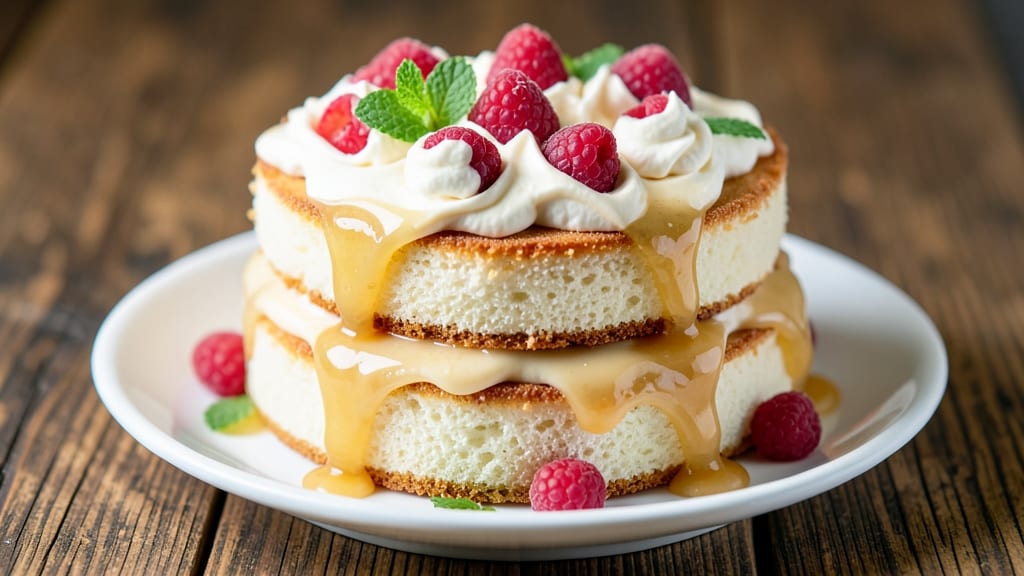
This tres leches cake recipe without eggs delivers all the creamy magic of the classic while keeping it light, airy, and perfectly moist. ✨ The secret lies in a simple aquafaba substitution that mimics eggs' structure without compromising texture—something I perfected after years of testing for dietary-friendly desserts that still taste indulgent.
What makes this version special is how it maintains the traditional Latin American technique of soaking layers in three milks (evaporated, condensed, and heavy cream) while adapting the cake batter to be egg-free.
The result? Layers that stay tender, a custardy filling that's rich but not heavy, and a texture so delicate it practically melts in your mouth.
You'll end up with a dessert that's creamy in every bite—no dry crumbs or dense layers here. The aquafaba creates the perfect lift, while the milk soak adds that signature velvety richness.
It's the kind of cake that feels like a hug in dessert form, perfect for celebrations or when you just need something comforting.
Best of all, this recipe keeps the traditional assembly process simple: bake the layers, soak them, chill, and serve. No complicated techniques required—just a few key ingredients and patience for the soaking. Let's make this cake!
Ingredients for tres leches cake recipe without eggs
These magical ingredients transform into a tres leches cake so light it practically disappears on your tongue.
| Ingredient | Amount | Notes |
|---|---|---|
| All-Purpose Flour 🌾 | 2 cups | Sifted for lightness |
| Granulated Sugar 🍚 | 1 ½ cups | White or light brown |
| Aquafaba 🥫 | ½ cup | Chilled canned chickpea liquid |
| Unsweetened Vanilla Extract 🌿 | 2 tsp | Pure Madagascar preferred |
| Baking Powder 🧂 | 2 tsp | Diamond Crystal preferred |
| Salt 🧂 | ½ tsp | Fine sea salt |
| Vegetable Oil 🫒 | ½ cup | Light, not heavy |
| Evaporated Milk 🥛 | 12 oz | Full-fat canned milk |
| Sweetened Condensed Milk 🥛 | 14 oz | Full-fat canned milk |
| Heavy Whipping Cream 🥛 | 1 cup | Full-fat, cold |
| Lemon Juice 🍋 | 2 tbsp | Freshly squeezed |
| Ground Cinnamon 🌶️ | 1 tsp | Freshly ground preferred |
The aquafaba is the game-changer here—chill the can overnight for the thickest liquid possible. Trader Joe's sells it pre-chilled, which saves time. For the milks, full-fat is non-negotiable—the richness is what makes this cake sing. Grab the evaporated and condensed milk from the baking aisle, and don't skimp on the heavy cream. The vanilla? Pure Madagascar has that extra depth that makes all the difference. If you're using vanilla beans, scrape in the seeds for extra flavor.
No aquafaba? Flax eggs (3 tbsp ground flax + 9 tbsp water = 3 eggs) work in a pinch, but the texture won't be quite as light. Short on evaporated milk? Substitute with whole milk + 1 tbsp cornstarch, but reduce the condensed milk by 2 oz to balance sweetness. The cinnamon is optional but adds that cozy Latin American touch—Mexican cinnamon from Latin markets has a warmer flavor. For the lemon juice, fresh is best, but bottled works if you're in a hurry. The flour? King Arthur or Gold Medal brands are my go-to for consistent results.
This cake needs 24 hours to soak properly—don't rush it! Store leftovers in the fridge for up to 5 days, covered tightly. The layers stay moist for days, making this perfect for meal prep. For serving, I always dust with a little powdered sugar and add fresh berries—strawberries or raspberries cut through the sweetness beautifully. Freeze any uneaten portions for up to 3 months—just thaw overnight in the fridge before serving.
Why You'll Love This Recipe
- No Eggs, No Stress: I’ll admit, I was skeptical about aquafaba replacing eggs—until I tried it. The cake stays light and fluffy, and honestly? You’d never guess it’s egg-free. That vanilla extract? It’s the secret weapon here, giving it that classic tres leches warmth without overpowering.
- Three-Can Magic: Between us, this is the only tres leches cake I make anymore. The three-milk soak (evaporated milk, condensed milk, heavy cream) turns it into a creamy dream—no fancy layers or piping bags required. Just pour, bake, soak, and devour.
- Weeknight Crowd-Pleaser: I’ve served this to picky eaters, dessert-only guests, and even my mom’s brunch crew—no one bats an eye. It’s rich enough to feel special but simple enough to throw together when you forgot to plan ahead. (Yes, even on a Tuesday night.)
- Budget-Friendly Luxury: Granulated sugar and flour are pantry staples, and aquafaba? Free if you’re already drinking chickpeas. The result tastes like a bakery slice, but I’m paying grocery prices. Leftovers? They disappear faster than I can say “second slice.”
Step-by-step instructions for tres leches cake without eggs
This egg-free version delivers all the creamy magic you crave—just follow these steps!
👨🍳 Step 1: Whip Aquafaba to Fluffy Peaks
In a large mixing bowl, combine the 0.5 cup aquafaba with 2 tsp unsweetened vanilla extract and 0.5 tsp salt. Using a hand mixer, whip on high speed until stiff peaks form—about 5-7 minutes. You'll know it's ready when you lift the beaters and the mixture holds its shape like meringue.
Here's the thing—aquafaba is your secret weapon for replacing eggs. The key is patience; don't rush this step. If the mixture looks slightly grainy at first, that's normal. Keep whipping until it's completely smooth and glossy. The texture should be thick enough to hold its shape when you drag a spatula through it.
🍳 Step 2: Mix Wet Ingredients and Fold in Dry
In a separate bowl, whisk together the 1.5 cups granulated sugar, 0.5 cup vegetable oil, 2 tbsp lemon juice, and 1 tsp ground cinnamon until completely dissolved. Then gently fold in the whipped aquafaba mixture in three additions, being careful not to deflate those precious peaks.
Next, sift in the 2 cups all-purpose flour and 2 tsp baking powder all at once. Using a spatula, fold just until combined—you should still see flour streaks. Overmixing develops gluten, which makes the cake dense. The batter will be thick but pourable, similar to a very rich cake batter.
🥘 Step 3: Bake the Cake Layers
Preheat your oven to 350°F and grease three 8-inch round cake pans with vegetable oil. Divide the batter evenly among the pans (about ⅓ cup per pan) and bake for 18-22 minutes or until a toothpick inserted in the center comes out clean. The edges should be golden brown but the centers still slightly jiggly.
I like to bake three thin layers instead of one thick one—this creates more surface area for the tres leches soak. Let the layers cool in the pans for 5 minutes before transferring to a wire rack to cool completely. This prevents the layers from cracking when you stack them later.
🥘 Step 4: Assemble and Soak the Layers
Once completely cool, stack the three cake layers on top of each other. In a separate bowl, whisk together the 12 oz evaporated milk, 14 oz sweetened condensed milk, and 1 cup heavy whipping cream until smooth. Pour this creamy mixture evenly over the stacked cake, letting it soak through completely.
Here's where the magic happens: let the cake soak for at least 1 hour at room temperature. I like to place it in the refrigerator for 2-3 hours to ensure maximum saturation. The cake will absorb the liquid gradually, becoming lighter and more tender with each passing minute. Don't rush this step—the longer it soaks, the creamier the final result.
🍽️ Step 5: Chill and Serve
After soaking, transfer the cake to the refrigerator and chill for at least 4 hours or overnight. This final chilling step is crucial for setting the texture. When ready to serve, top with whipped cream and fresh berries if desired.
The finished cake should be moist, tender, and completely drenched in that creamy tres leches mixture. Each bite should deliver a perfect balance of cake and custard—no dry spots, just pure, velvety goodness. Serve chilled and watch it disappear faster than you can say "aquafaba magic"!
Pro Tips For Making Tres Leches Cake Recipe Without Eggs
- Whisk Aquafaba First: I learned this the hard way—skipping the whisking step means your cake won’t rise properly. Beat the aquafaba until it forms stiff peaks (like meringue) before folding it into the batter. This replaces eggs’ structure, so don’t rush it—your cake’s height depends on it.
- Sift the Dry Mix: After burning three batches with clumps in the batter, I finally sifted the flour, sugar, and baking powder together. Tres leches cake relies on a light texture, so eliminate lumps by sifting the dry ingredients directly into the bowl. No sifter? Use a fine-mesh strainer or whisk vigorously.
- Bake Until Springy: The cake looks done at 325°F (163°C) for 30-35 minutes, but resist opening the oven early. Press the center lightly—it should spring back, not jiggle. Overbaking dries it out; underbaking leaves it gummy. A toothpick test works too, but the spring test is more reliable for this recipe.
- Chill Before Soaking: I was skeptical until I tried it: let the cake cool completely (at least 1 hour) before pouring the milk mixture. Warm cake absorbs too much liquid at once, making it soggy instead of perfectly moist. Patience here guarantees that tender, cloud-like texture everyone loves.
Creative variations of this dish
Spiced Vanilla Twist
Add ½ tsp ground cardamom and ¼ tsp freshly grated nutmeg to the cake batter for a sophisticated spiced vanilla flavor that pairs beautifully with the tres leches soak. The warmth of these spices complements the vanilla and cinnamon, adding depth without overpowering.
I discovered this variation while testing for a winter holiday dessert—it became an instant favorite! 🌶️
Chocolate-Dipped Layers
For a decadent twist, dip the bottom of each cooled cake layer in melted dark chocolate (I use Ghirardelli 70% cacao) before stacking. The chocolate adds a rich contrast to the creamy milk soak.
Let the chocolate set for 5 minutes before assembling to prevent smudging. This works especially well with the spiced vanilla variation for a dessert that feels luxurious yet remains light.
Citrus Zest Infusion
Brighten the cake by adding 1 tbsp orange zest from an organic Valencia orange to the batter along with the lemon juice. The citrus zest infuses subtle floral notes that cut through the richness of the condensed milk.
For extra zing, add 1 tsp lime zest as well. This variation works particularly well with berry toppings like raspberries or blackberries.
Coconut Milk Adaptation
For a tropical-inspired version, replace 2 oz of the evaporated milk with coconut milk (full-fat canned works best). The coconut flavor adds a subtle tropical note that pairs beautifully with the tres leches soak.
I recommend using Thai Kitchen coconut milk for its rich, creamy texture. This variation is perfect for summer gatherings or when you want to add a vacation vibe to your dessert.
Espresso-Infused Layers
Add 1 tbsp instant espresso powder dissolved in the warm milk mixture before pouring over the cake layers. The espresso enhances the chocolate-dipped variation or works beautifully on its own.
For best results, use Starbucks instant espresso or Lavazza. This version has a sophisticated coffee note that makes it feel like a special-occasion dessert without requiring extra effort.
Berry Compote Topping
Skip the whipped cream and top with a homemade berry compote made by simmering 1 cup mixed berries (fresh or frozen) with 2 tbsp sugar and 1 tsp lemon juice for 10 minutes. Spread the warm compote over the chilled cake just before serving.
The berries add a fresh, tangy contrast that balances the sweetness of the tres leches perfectly. I love using strawberries and blueberries for a vibrant presentation.
Nutrition facts
Frequently asked questions
Can I use other egg substitutes besides aquafaba?
Yes! For a 1:1 egg replacement, try 3 tbsp ground flaxseed + 9 tbsp water (let it sit for 5 minutes to thicken) or ½ cup unsweetened applesauce. However, aquafaba gives the lightest texture. For a richer version, commercial egg replacers like Bob's Red Mill work well too. Just remember: substitutions may slightly alter the cake's tenderness.
Why does my cake turn out dense instead of light?
Overmixing the batter or under-whipping the aquafaba are the most common culprits. Always fold dry ingredients gently and whip aquafaba until stiff peaks form. Also ensure your oven isn't too hot—350°F is critical. If the cake still feels dense, try baking at 325°F for 25-30 minutes instead.
Can I make this cake in a single layer instead of three?
For a single 9-inch layer, use the full batter in one pan and bake for 30-35 minutes. The soaking time remains the same, but expect slightly less surface area for the milk mixture. This works well for smaller gatherings or when you prefer a taller slice. Just reduce the milk mixture by 2 oz to match the smaller volume.
How long can I keep this cake before serving?
This cake stays fresh for 5 days in the fridge when stored in an airtight container. For longer storage, freeze the fully assembled cake (before adding toppings) for up to 3 months. Thaw overnight in the fridge—no need to soak again. The texture remains moist thanks to the milk mixture, but it's best enjoyed within 24 hours of serving.
What's the best way to serve this cake?
Classic presentation is key! Dust with powdered sugar and top with whipped cream and fresh berries. For extra flair, add a sprinkle of toasted coconut flakes or crushed graham crackers. Serve chilled with a side of vanilla ice cream or a scoop of cajeta (goat's milk caramel) for an authentic Latin touch.