
Breakfast & Brunch
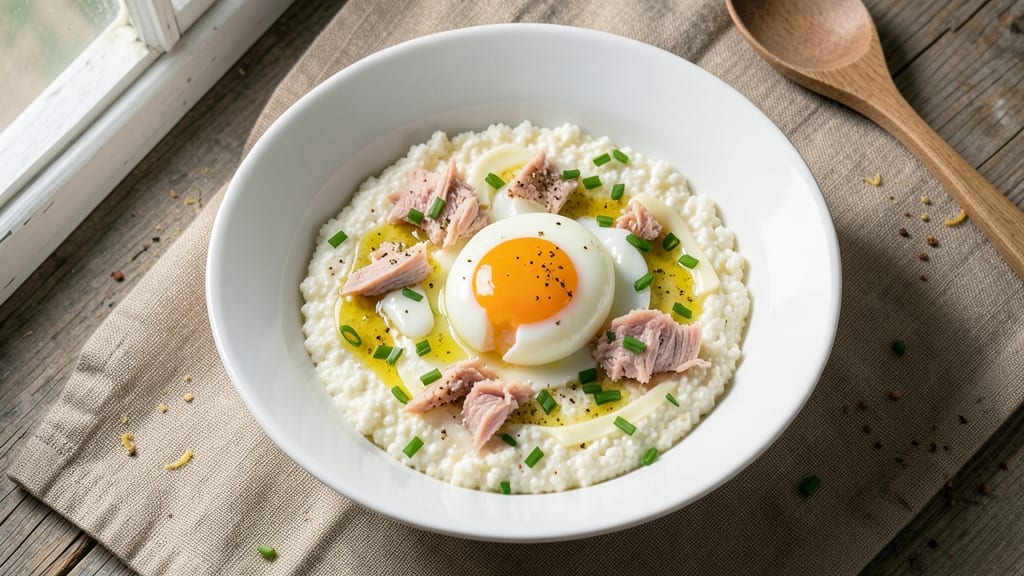
This tuna egg cottage cheese recipe delivers a high-protein breakfast that’s ready in just 10 minutes—no complicated steps, just bold flavors and balanced nutrition.
The combination of flaky tuna, creamy cottage cheese, and scrambled eggs creates a satisfying meal that’s surprisingly versatile, whether you’re meal prepping or fueling up for a busy morning. The key is keeping the ingredients simple while maximizing texture and protein content.
The magic happens when you sauté the tuna just until warmed through, then fold it into the eggs and cottage cheese for a creamy, savory base.
A sprinkle of fresh herbs or a dash of hot sauce adds brightness, while optional add-ins like diced bell peppers or avocado take it to the next level. This dish is foolproof—no fancy techniques required, just a skillet and a few minutes of your time.
What you’ll end up with is a protein-packed breakfast that’s rich in flavor but light enough for a weekday. The tuna adds a briny depth, the eggs provide structure, and the cottage cheese keeps everything creamy without heaviness.
Serve it as-is for a quick plate or pair it with whole-grain toast for extra staying power.
Perfect for busy mornings, meal prep, or a post-workout recovery meal, this recipe proves you don’t need complicated ingredients to make something impressive. Let’s get started—your taste buds (and muscles) will thank you.
Ingredients for tuna egg cottage cheese
Quick, protein-rich breakfast with just 12 simple ingredients—no fuss, all flavor.
| Ingredient | Amount | Notes |
|---|---|---|
| Canned Tuna in Water 🐟 | 1 can | High-quality, drained well |
| Large Eggs 🥚 | 2 whole | Fresh, room temperature |
| Small-Curd Cottage Cheese 🧀 | ½ cup | Full-fat for creaminess |
| Unsalted Butter 🧈 | 1 tbsp | For sautéing |
| Fresh Chives 🌿 | 2 tbsp | Chopped finely |
| Lemon Juice 🍋 | 1 tsp | Freshly squeezed |
| Hot Sauce 🌶️ | ½ tsp | Optional, to taste |
| Salt 🧂 | ¼ tsp | Kosher or sea salt |
| Black Pepper 🌶️ | ¼ tsp | Freshly ground |
| Avocado 🥑 | ¼ whole | Diced, optional garnish |
| Bell Pepper 🧅 | ¼ cup | Diced, optional add-in |
| Olive Oil 🫒 | 1 tsp | For finishing |
The tuna is the star here, so grab high-quality canned tuna in water—the brands with more flakes (like Wild Planet or Vital Choice) make all the difference. Cottage cheese can vary wildly in texture, so small-curd, full-fat is ideal for creaminess. If you're short on time, pre-shredded cheese works in a pinch, but fresh is always better. Eggs should be fresh and room temperature for the best scramble—crack them into a bowl first to check for any surprises. Chives add freshness, but fresh parsley or green onions work too if that's what you've got.
No chives? Fresh dill or basil brightens things up. Swap the hot sauce for sriracha or tabasco if you prefer a different heat level. The avocado and bell pepper are optional but add a fresh crunch—skip them if you're keeping this strictly simple. For extra protein, add a sprinkle of nutritional yeast or crumbled feta at the end. If you're meal prepping, cook the tuna and eggs separately and assemble when ready to eat to keep everything fresh. The butter is non-negotiable here—it adds richness that olive oil can't match.
This keeps for 2 days in the fridge if stored in an airtight container, but honestly, it's best eaten fresh. For meal prep, portion into single-serving containers and reheat gently in the microwave. The avocado and bell pepper should be added fresh if you're prepping ahead. Freezing isn't recommended—cottage cheese and eggs don't handle it well. If you make extras, eat within 24 hours for the best texture and flavor. Pair with whole-grain toast for a heartier meal.
Why You'll Love This Recipe
- Five-Ingredient Magic: I swear by this recipe when my pantry’s bare but my stomach’s growling. Open a can, crack eggs, stir—done. The cottage cheese adds creaminess without fuss, and the chives? Just a sprinkle for that fresh pop.
- Creamy Crunch Contrast: That buttery egg topping meets the flaky tuna and tangy cottage cheese—it’s the kind of combo that makes you pause mid-bite. Honestly, the texture is what sold me after one taste.
- Lunchbox Hero: Pack it cold for work or school—no reheating needed. The eggs stay firm, the tuna holds its shape, and the chives keep it bright. My kids actually eat this for lunch, and that’s saying something.
- Budget Breakthrough: A can of tuna, a carton of eggs, cottage cheese—this feeds four for under $8. Between us, I’ve made this for date night and lazy Sundays, and it never disappoints. Reliable as it gets.
Step-by-step instructions for tuna egg cottage cheese breakfast
Here's how to assemble this protein-packed breakfast in record time—no complicated techniques required.
Prepare the Base Ingredients
Drain the canned tuna in water thoroughly, pressing gently on the fish with a paper towel to remove excess moisture. This step prevents a watery final texture. In a small bowl, whisk together the 2 whole large eggs until the yolks and whites are fully combined and slightly frothy—this ensures even cooking later.
While the eggs whisk, measure out the 0.5 cup small-curd cottage cheese and stir it with a fork until completely smooth. The small curds are ideal here as they blend seamlessly into the dish. Keep both mixtures at room temperature for best results.
Cook the Egg-Tuna Mixture
Heat the 1 tablespoon unsalted butter in a non-stick skillet over medium heat until it melts completely and begins to foam. Add the drained tuna and the cottage cheese mixture, stirring gently to combine. Cook for 2-3 minutes until the mixture begins to set slightly and pulls away from the edges of the pan.
This is where the magic happens—the cottage cheese adds creaminess while the tuna provides that signature flake. Don't overcook here; you're just creating a base that will finish cooking with the eggs. The mixture should look like a thick, slightly glossy omelet batter.
Add Eggs and Season
Pour the whisked eggs evenly over the tuna mixture, tilting the pan to spread them thinly. Let them cook undisturbed for 1-2 minutes until the edges begin to set. Sprinkle the 0.25 teaspoon salt and 0.25 teaspoon black pepper evenly over the surface, then add the 0.5 teaspoon hot sauce if using.
Here's the thing—this step requires patience. You want the eggs to form a soft, creamy layer without browning. If you notice the bottom browning too quickly, reduce the heat slightly. The eggs should still look slightly runny on top when you're ready for the next step.
Finish with Fresh Flavors
Remove the skillet from heat and stir in the 1 teaspoon lemon juice and 1 teaspoon olive oil. The acidity brightens the flavors while the oil adds richness. Fold in the 2 tablespoons finely chopped fresh chives and the 0.25 cup diced bell pepper, distributing them evenly throughout the mixture.
For the avocado, dice the 0.25 whole avocado into small cubes and set aside. This component adds a luxurious texture contrast that you'll add at the very end. The avocado should remain separate until serving to prevent it from turning brown.
Serve Immediately
Divide the tuna egg mixture evenly between two plates. Top each serving with half of the diced avocado, pressing down gently to create a neat presentation. The avocado's creamy texture complements the protein-rich base perfectly.
This dish comes together in under 10 minutes and delivers a satisfying balance of textures—creamy eggs, flaky tuna, crunchy bell pepper, and velvety avocado. The cottage cheese adds a subtle tang that ties everything together. Serve immediately for the best experience, as the avocado will begin to oxidize after a few minutes.
Pro Tips For Making Tuna Egg Cottage Cheese
- Drain & Pat Tuna Dry: Skip the water bath—drain the tuna and press it between paper towels for 30 seconds. This prevents a watery, soupy texture in your final dish, especially if you’re not adding extra liquid. I learned this the hard way after making a batch that tasted more like tuna broth than a savory scramble.
- Scramble Cottage Cheese Low: Heat your butter over medium-low, not medium-high. Cottage cheese curdles fast when it gets too hot, turning grainy instead of creamy. My grandmother swore by this, and she was right: slow and steady keeps the texture smooth.
- Chop Chives at the End: Add fresh chives after the eggs and cottage cheese are off heat. They wilt instantly in hot butter, losing their bright color and sharp flavor. Toss them in last for that fresh pop—it’s the easiest way to make the dish look (and taste) restaurant-worthy.
- Use Room-Temp Eggs: Take eggs out of the fridge 10 minutes before cracking them. Cold eggs scramble unevenly, giving you rubbery bits instead of silky strands. This isn’t the prettiest method, but it’s the tastiest—trust the process.
Common mistakes when making your tuna egg cottage cheese
Overcooking the Tuna
Tuna is delicate—once it hits 160°F, it turns rubbery and loses its flaky texture. I’ve ruined this dish by letting the tuna sit in the pan too long while prepping other ingredients.
Instead, drain it thoroughly, pat it dry with a paper towel, and add it to the pan only when you’re ready to combine everything. Keep the heat at medium-low to prevent overcooking. 🔥
Skipping the Room Temp Step
Cold eggs and cottage cheese create uneven cooking—your eggs might be undercooked in the center while the edges brown. Let your eggs sit at room temperature for 10-15 minutes before whisking, and give the cottage cheese the same treatment.
I learned this the hard way when my first batch had a sad, runny center. Trust me, this small step makes all the difference. ⏰
Using Low-Quality Tuna
Not all canned tuna is created equal. Budget brands with coarse flakes or fishy aftertastes will ruin this dish. Invest in high-quality brands like Wild Planet or Starkist Select—they’re worth the extra cost.
I once used a store-brand tuna and ended up with a mushy, flavorless mess. The difference in texture and taste is night and day. 🐟
Overmixing the Eggs
Whisking eggs too vigorously incorporates too much air, which can cause them to cook unevenly or even curdle. Gently fold the eggs into the tuna mixture instead of stirring vigorously.
I’ve had eggs turn grainy when overmixed—just a light combination is all you need. Think of it like folding in whipped cream, not beating a batter. 🥚
Ignoring the Lemon Juice
The lemon juice isn’t just for flavor—it brightens the dish and cuts through the richness of the cottage cheese and butter. Skipping it leaves the flavors flat.
I’ve made this mistake, and the dish tasted dull. Add that 1 teaspoon of fresh lemon juice right before serving—it’s the secret to a restaurant-quality finish. 🍋
Not Draining the Tuna Well
Excess water in the tuna makes the final dish watery and weakens the texture. After draining, press the tuna gently with a paper towel to remove every drop of moisture.
I’ve had to start over when the mixture turned into a thin, soupy mess. This step is non-negotiable for the perfect consistency. 🧻
Nutrition facts
Frequently asked questions
Can I make this recipe with tuna in oil instead of water?
Yes, but you'll need to drain it extra well to avoid greasiness. Tuna in oil is richer, so use half the amount (about ½ can) and reduce the butter to ½ tablespoon to balance the fat content. The flavor will be more pronounced, but the texture might be slightly denser.
What's the best way to make this dish ahead of time?
Prepare everything except the avocado and serve within 2 days in the fridge. Store in an airtight container, and reheat gently in the microwave for 20-30 seconds. Keep the avocado separate until serving to prevent browning. For meal prep, cook the tuna and eggs separately, then assemble when ready to eat.
Can I substitute cottage cheese with another dairy product?
For a similar texture, use ½ cup ricotta cheese or ¼ cup sour cream mixed with ¼ cup Greek yogurt. Avoid cream cheese—it's too heavy and won't blend well. The cottage cheese provides that unique tangy creaminess that keeps the dish light.
Why did my eggs turn out rubbery?
Overcooking is the most likely culprit. Keep the heat at medium-low and remove the pan from heat as soon as the eggs are just set (they'll finish cooking from residual heat). Also, ensure your eggs are room temperature—cold eggs cook unevenly. Stirring too aggressively after adding eggs can also create a grainy texture.
How can I add more protein to this dish?
Try adding ¼ cup crumbled feta, 2 tablespoons nutritional yeast, or 2 extra egg whites to the mixture. For a heartier option, serve with ½ cup cooked quinoa or whole-grain toast. The tuna and eggs already provide 30g+ protein per serving, so these additions will boost it further.