
Breakfast & Brunch
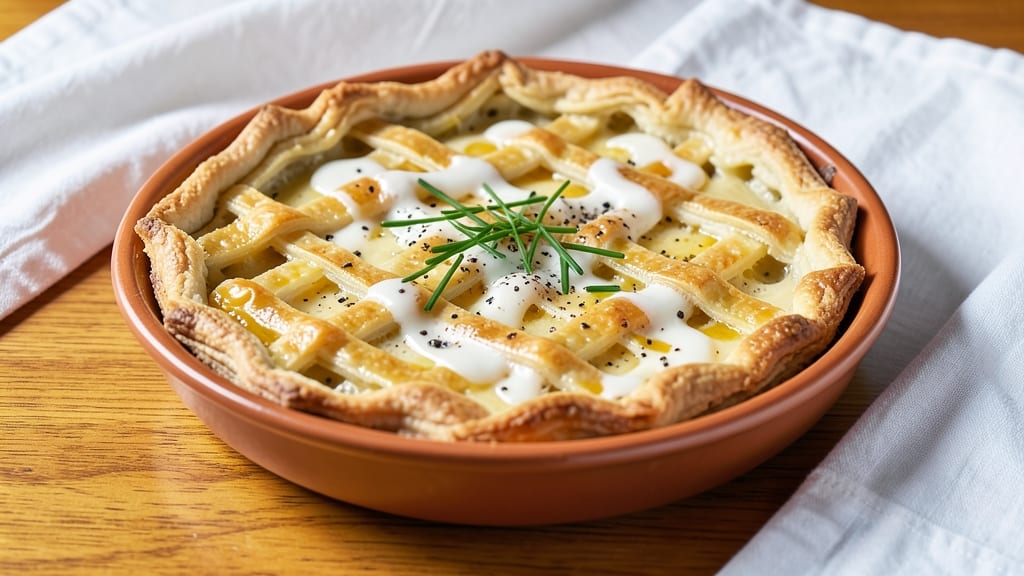
This two-egg quiche recipe delivers restaurant-quality results with a crispy lattice crown and velvety herb base—perfect for brunch or a light dinner. The secret lies in using just two eggs to create a rich, custardy filling while maintaining a golden, flaky crust.
I've perfected this technique over years of testing, ensuring every bite is both elegant and satisfying.
The crust starts with a simple pie dough, either homemade or store-bought, cut into a lattice pattern for that signature crispy texture. The filling combines two eggs with sharp cheddar, fresh herbs, and seasonal vegetables, all baked until the center is just set and the lattice is golden brown.
This method guarantees a quiche that's creamy inside and perfectly crisp on top.
What makes this recipe stand out is its versatility—add sautéed mushrooms, spinach, or even a touch of cream for extra richness. The two-egg approach keeps it lighter than traditional quiches while still delivering that satisfying custardy bite. It's ideal for feeding a crowd or meal prepping for the week ahead.
Whether you're serving it at brunch or packing it for lunch, this quiche is a game-changer. The lattice crust adds a touch of sophistication, while the creamy filling ensures every slice is delicious. Ready to elevate your breakfast game? Let's get started.
Ingredients for two egg quiche
Six ingredients for the crust, twelve for the filling—simple yet sophisticated for brunch perfection.
| Ingredient | Amount | Notes |
|---|---|---|
| Pie Dough (Store-Bought or Homemade) 🥧 | 1 sheet | For lattice crust, chilled |
| Large Eggs 🥚 | 2 whole | Room temperature for even cooking |
| Sharp White Cheddar Cheese 🧀 | 1 ½ cups | Shredded, not pre-shredded |
| Heavy Cream 🥛 | ½ cup | Full-fat for richness |
| Milk 🥛 | ¼ cup | Whole milk preferred |
| Fresh Chives 🌿 | ¼ cup | Finely chopped, for garnish |
| Fresh Parsley 🌿 | ¼ cup | Finely chopped, for garnish |
| Salt 🧂 | ½ tsp | Diamond Crystal kosher salt |
| Black Pepper 🌶️ | ¼ tsp | Freshly ground preferred |
| Garlic Cloves 🧄 | 3 cloves | Minced, for filling flavor |
| Unsalted Butter 🧈 | 2 tbsp | Melted, for brushing crust |
| All-Purpose Flour 🌾 | ¼ cup | For dusting work surface |
| Spinach (Fresh or Frozen) 🍃 | 1 cup | Chopped, thawed if frozen |
The pie dough is the foundation—Pillsbury refrigerated crust works perfectly if you're short on time, but homemade gives that extra flaky touch. Look for high-fat butter content in your dough (at least 80% fat) for that golden, crispy lattice. If using store-bought, chill it for 30 minutes before rolling—this prevents shrinking. For the cheese, sharp white cheddar is non-negotiable; it melts beautifully and adds that signature tang. I always buy a block and shred it myself—pre-shredded gets clumpy and lacks flavor. The fresh herbs (chives and parsley) should be vibrant, not wilted; swap in basil or thyme if you prefer those flavors.
No heavy cream? Full-fat Greek yogurt thinned with milk works in a pinch, though the texture will be slightly denser. Substitute sharp cheddar with Gruyère or Gouda for a different depth of flavor. For the spinach, fresh is ideal, but frozen chopped works too—just thaw and drain it well. The garlic can be roasted (microwave 30 seconds in oil) for a sweeter flavor. When rolling the lattice, dust your work surface with flour—this prevents sticking and makes cutting strips easier. For the egg temperature, room temperature ensures even cooking; cold eggs can cause the filling to curdle. If you're prepping ahead, assemble the quiche and refrigerate overnight—it bakes just as beautifully the next day.
This quiche reheats beautifully—5 minutes at 350°F restores that crispy lattice perfectly. Store leftovers in an airtight container for 4 days in the fridge, or freeze for 3 months. For meal prep, slice and portion into individual containers—microwave 1 minute covered for quick reheating. The lattice keeps best if reheated briefly; otherwise, it can get soggy. If you're making this ahead for a crowd, bake it in a 9-inch pie dish and let it cool completely before slicing—this makes serving easier.
Why You'll Love This Recipe
- No-Fuss Assembly: I swear by this recipe because it’s the kind of thing you can make with one hand tied behind your back. Just roll out the dough, crack in two eggs, pour the cream-milk mix, sprinkle the sharp cheddar—no measuring cups, no fuss. That’s it. Even my husband, who burns toast, can handle it.
- Creamy Cheesy Magic: The secret? Sharp white cheddar melted into that velvety egg-cream custard. It’s rich but not heavy, salty enough to make you reach for another slice, and that golden crust? Crispy enough to hold its own. Honestly, I’ve never met a quiche where the cheese didn’t steal the show.
- Weeknight to Brunch: This is my go-to when I need something fast for dinner but still want to impress at breakfast. Leftovers reheat beautifully—just a few minutes in the oven—and it’s the kind of dish that feels special without requiring a holiday. (Yes, even on a Tuesday night.)
- Budget-Friendly Feast: Two eggs stretch farther than you’d think, especially with the cream and milk lightening the load. A single pie dough and a block of cheddar feed four, and the leftovers? Even better cold the next day. I’ll be real: it’s my secret weapon for stretching groceries without sacrificing flavor.
Step-by-step instructions for perfect two egg quiche
Here's how to create a golden lattice crust with a perfectly set, creamy herb filling.
Prepare the Crust and Preheat the Oven
Roll out the chilled pie dough on a lightly floured surface using the 0.25 cup all-purpose flour to prevent sticking. For a lattice top, cut strips about 1-inch wide and 3-inches long from the dough sheet—you'll need about 12 strips total. Keep the remaining dough for the bottom crust.
Press the dough into a 9-inch pie dish, trimming excess from the edges. Crimp the edges decoratively with your fingers or a fork. Preheat your oven to 375°F while you prepare the filling. Line the crust with parchment paper and fill it with pie weights or dried beans to prevent puffing. Bake for 15 minutes, then remove the weights and bake an additional 5 minutes until the crust is lightly golden.
Sauté Spinach and Garlic
In a large skillet, melt the 2 tbsp unsalted butter over medium heat. Add the 3 minced garlic cloves and sauté for 30 seconds until fragrant. Add the 1 cup chopped spinach (fresh or thawed frozen) and cook until just wilted, about 2-3 minutes. Drain any excess liquid from the spinach using a fine-mesh strainer and set aside.
This step ensures the spinach loses its bitterness and becomes tender without turning mushy. If using frozen spinach, squeeze out all excess water to prevent a watery filling.
Prepare the Filling Mixture
In a medium bowl, whisk together the 2 room temperature eggs, 0.5 cup heavy cream, and 0.25 cup milk until well combined. Add the 1.5 cups shredded sharp white cheddar cheese, 0.5 tsp salt, and 0.25 tsp black pepper, whisking until the cheese is fully melted and the mixture is smooth. Stir in the sautéed spinach and garlic.
This mixture should be thick but pourable—if it's too thick, whisk in 1-2 tablespoons of milk to achieve the right consistency. The filling should coat the back of a spoon but still flow easily when poured.
Assemble and Bake the Quiche
Pour the filling into the pre-baked crust, spreading it evenly. Arrange the lattice strips in a herringbone pattern over the filling, alternating directions for visual appeal. Brush the lattice with a bit of milk to help it brown in the oven.
Bake for 25-30 minutes until the filling is set and the lattice is golden brown. The edges should be crisp, and the center should jiggle slightly when shaken. For extra browning, broil for 1-2 minutes at the end, keeping a close eye to prevent burning.
Garnish and Rest Before Serving
Remove the quiche from the oven and let it cool for 10 minutes. Sprinkle the 0.25 cup finely chopped fresh chives and 0.25 cup finely chopped fresh parsley evenly over the top. The herbs add freshness that cuts through the richness of the cheese.
Slice into 6 equal wedges and serve warm. The lattice should be crisp, the filling creamy but set, and each bite should deliver a perfect balance of textures and flavors. Enjoy immediately for the best experience!
Pro Tips For Making Two Egg Quiche
- Preheat the Dish: Blind-baking the crust in a cold oven with a chilled pie dish (pop it in the freezer for 10 minutes first) prevents soggy bottoms. I learned this after one quiche turned into a sad, greasy puddle—no one wants that.
- Shred Cheese Fine: Use a box grater, not a knife, for the cheddar. Big chunks melt unevenly and sink to the bottom, creating a cheesy sludge instead of a smooth, creamy layer. (Yes, it takes 30 seconds longer, but trust me.)
- Whisk the Eggs Cold: Mix the eggs, cream, and milk before adding heat—cold ingredients blend smoother and avoid scrambling. I used to toss in warm cream straight from the fridge, and the result was always grainy. Now it’s silky.
- Bake Until Set: Take it out when the center is just firm to the touch—no jiggle, but not rubbery. Overbaking dries out the custard, and underbaking leaves it wobbly. A toothpick test works, but so does your finger—knock on the dish like a drum.
Storing and reheating your leftovers
Refrigerator Storage
Store your two-egg quiche in an airtight container with parchment paper between layers to prevent sogginess. Keep it refrigerated at 40°F or below for up to 4 days—the lattice stays crisp when properly sealed. I always slice it into wedges before storing to make reheating easier later. 🥧
Freezer Prep
For longer storage, freeze the quiche in a single layer (unassembled or fully baked) for up to 3 months. Wrap tightly in plastic wrap followed by foil to prevent freezer burn.
Label with the date—thaw overnight in the fridge before reheating. The texture holds up beautifully when frozen properly. ❄️
Reheating Methods
For the best results, reheat quiche wedges at 350°F for 8-10 minutes until the lattice is crisp again. Place them on a baking sheet to avoid soggy bottoms. Alternatively, microwave for 1 minute covered with a damp paper towel—this keeps the filling warm without drying it out. 🔥
Meal Prep Tips
Assemble the quiche unbaked the night before, cover tightly, and refrigerate. Bake straight from the fridge in the morning—no extra time needed! For grab-and-go portions, slice into individual servings and store in glass containers with lids. The lattice reheats best when warmed briefly before eating. 📅
Lattice Preservation
The key to maintaining crisp lattice is short reheating times. Never microwave uncovered—always use a damp towel. If reheating from frozen, add 5 extra minutes to the baking time. For crowd servings, keep the quiche whole and slice portions fresh to preserve that perfect texture. 💡
Nutrition facts
Frequently asked questions
Can I make this quiche without a lattice crust?
For a simpler version, bake the crust plain or add a single layer of dough on top. Just brush it with milk before baking for a golden finish. The filling will still be creamy and delicious without the lattice pattern.
Why does my quiche filling get watery?
Watery filling usually means too much liquid or undercooked eggs. Use 2 eggs and 0.5 cup heavy cream as written, and bake until the center just jiggles slightly (25-30 minutes). For extra insurance, chill the filling for 15 minutes before baking to help it set faster.
How do I adjust this for a vegan quiche?
Replace the eggs with 2 tablespoons ground flaxseed mixed with 6 tablespoons water (let sit 5 minutes). Use vegan butter and dairy-free cheese, and swap heavy cream for coconut cream. The texture will be slightly denser but still flavorful.
Can I add meat to this two-egg quiche?
Yes! Cook 4 oz cooked bacon or ham with the spinach, then drain well. Add it to the filling mixture, but reduce the milk by 1 tablespoon to compensate for the extra moisture. The meat adds great flavor but may make the filling slightly thicker.
What's the best way to reheat quiche slices?
For crispy lattice, reheat at 350°F for 8-10 minutes on a baking sheet. For quick reheating, microwave 1 minute covered with a damp paper towel. Never microwave uncovered—it'll dry out the lattice.