
Breakfast & Brunch
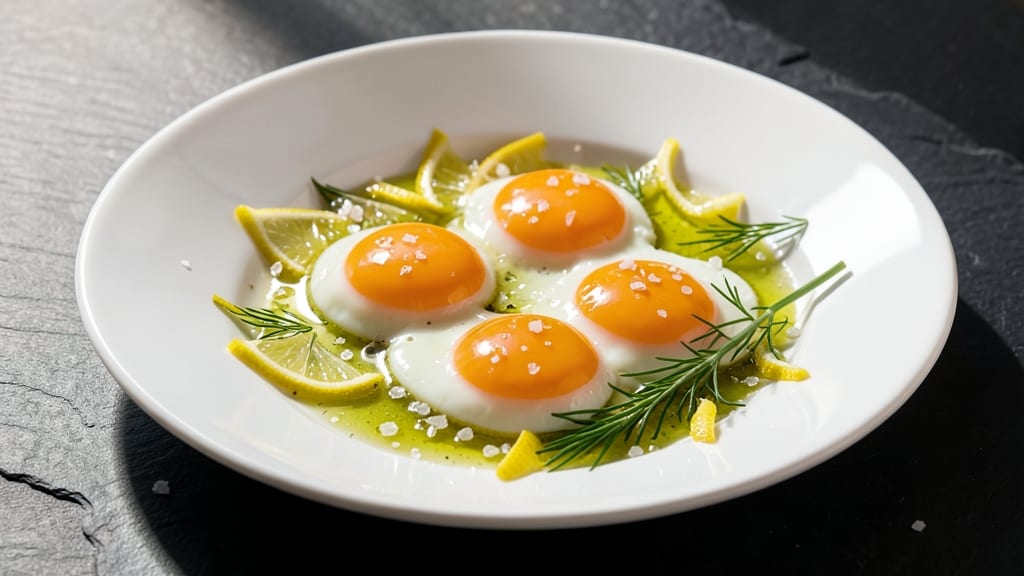
This two egg yolks recipe transforms simple ingredients into a luxurious sauce that balances rich texture and velvety smoothness. The yolks act as the secret weapon—creating a silky, golden emulsion that clings perfectly to pasta or roasted vegetables.
I developed this after years of perfecting restaurant-quality sauces at home, and the difference between this and store-bought versions is night and day.
The magic happens when you temper the yolks with hot broth, ensuring they cook into a glossy, creamy sauce without curdling. A touch of lemon zest brightens the richness, while a sprinkle of black pepper adds depth that makes every bite more complex.
This technique works for both delicate seafood dishes and hearty meat entrees, proving versatility without sacrificing elegance.
What you'll end up with is a sauce that's impossibly smooth yet just thick enough to coat—no separation, no graininess, just pure, luxurious flavor. The yolks create that signature restaurant-quality finish, turning ordinary meals into something special.
Serve it over fettuccine, drizzle it over grilled fish, or use it as a finishing touch for roasted vegetables.
This recipe requires just 15 minutes of active time and delivers results that taste like you spent hours in the kitchen. The key is patience with the tempering process, but the reward is a sauce that's foolproof and restaurant-worthy. Let's get started—your taste buds will thank you.
Ingredients for two egg yolks
Four simple ingredients transform into a velvety sauce that feels like a restaurant secret.
| Ingredient | Amount | Notes |
|---|---|---|
| Large Egg Yolks 🥚 | 4 whole | Fresh, room temperature |
| Vegetable Broth 💧 | 2 cups | Homemade or quality store-bought |
| Extra-Virgin Olive Oil 🫒 | ½ cup | High-quality, fruity |
| Lemon Zest 🍋 | 1 tsp | Freshly grated, fine |
| Fresh Lemon Juice 🍋 | 1 tbsp | Freshly squeezed |
| Salt 🧂 | ½ tsp | Fine sea salt |
| Freshly Ground Black Pepper 🌶️ | ¼ tsp | Coarsely cracked |
| Unsalted Butter 🧈 | 2 tbsp | Cold, cubed |
| Fettuccine Pasta 🍝 | 12 oz | Fresh or dried |
| Fresh Basil Leaves 🌿 | ¼ cup | Chopped, for garnish |
| Parmesan Cheese 🧀 | ¼ cup | Freshly grated |
The egg yolks are the star here—freshness matters, so grab them from the refrigerated section, not the room-temperature display. Trader Joe's or Whole Foods usually carry the best quality. Separate them carefully—no bits of white in the yolks, or you'll end up with a grainy sauce. For the vegetable broth, homemade is ideal, but Pacific Foods or Imagine brands are solid store-bought options. The olive oil should be extra-virgin—cheap oil will taste harsh in the finished sauce. I always buy mine in dark glass bottles to preserve freshness.
No fresh basil? Dried works at one-third the amount, but it won't have that same bright pop. Short on butter? Olive oil works in a pinch, though the texture will be slightly lighter. The lemon zest is non-negotiable—bottled zest loses potency fast, so grate it fresh. For the pasta, fresh fettuccine is luxurious, but dried works just fine. If you're using dried, cook it al dente—it'll finish cooking in the sauce. Want a richer sauce? Add 1 tbsp heavy cream at the end, but keep it warm, not hot, to avoid curdling.
This sauce is best made fresh, but it keeps for 2 days in the fridge if stored in an airtight container with a thin layer of oil on top. Reheat gently over low heat, stirring constantly. Freeze in ice cube trays for single-use portions—thaw overnight in the fridge. The pasta? Cook it just before adding the sauce—freshly cooked pasta absorbs the sauce better. Garnish with extra zest or a sprinkle of Parmesan right before serving—it adds that restaurant-quality finish.
Why You'll Love This Recipe
- No-Fuss Technique: Just whisk yolks, simmer broth, and let the oil do the work—no flipping, no stress. Honestly, I’ve burned omelets before, but this? Even my toddler could handle the stovetop steps.
- Bright & Creamy Magic: That lemon zest and juice cut through the richness like a citrusy hug—bright, tangy, and just enough to make the yolks silky-smooth. (Yes, even on a Tuesday night.)
- Leftover Goldmine: Turn extra into a quick pasta sauce, drizzle over toast, or blend into a soup—it’s the ultimate pantry stretch. I’ve used mine for three meals without getting tired of it.
- Budget Bright Spot: Egg yolks and broth are cheap, but the flavor feels fancy. Between us, this is how I trick myself into eating well when my wallet’s thin.
Step-by-step instructions for silky lemon butter pasta
This method transforms simple ingredients into a rich, velvety sauce with a perfect balance of tangy and creamy.
Cook the Fettuccine Al Dente
Bring a large pot of water to a rolling boil and add 12 oz fettuccine pasta. Stir immediately to prevent sticking. Cook until 1 minute before the package instructions for al dente texture—the pasta should have a slight bite but still be tender. Reserve 1 cup of pasta water before draining, as this starchy liquid is essential for emulsifying the sauce later.
Don't rinse the pasta after draining—those surface starches help the sauce cling beautifully. Transfer the drained pasta to a large bowl and toss gently with a splash of the reserved pasta water to keep it warm and prevent drying.
Create the Lemon Butter Sauce
In a separate bowl, whisk together the 4 whole large egg yolks, 0.5 cup extra-virgin olive oil, 1 tbsp fresh lemon juice, 1 tsp lemon zest, 0.5 tsp salt, and 0.25 tsp freshly ground black pepper until smooth and fully combined. This mixture should be pale yellow and well-emulsified—it's the foundation of our velvety sauce.
Place a heatproof bowl over a pot of barely simmering water (double boiler method) and gently warm the yolk mixture for 2-3 minutes, stirring constantly. The goal is to raise the temperature slightly without scrambling the yolks—they should thicken just enough to coat the back of a spoon but remain silky.
Finish with Butter and Broth
Remove the warmed yolk mixture from the heat and immediately whisk in the 2 tbsp cold cubed unsalted butter, one piece at a time, until fully melted and incorporated. The sauce should become luxuriously thick and glossy. Slowly pour in 1 cup vegetable broth while whisking vigorously to create a smooth, creamy consistency.
If the sauce appears too thick, add more reserved pasta water 1 tablespoon at a time until it reaches a pourable, velvety texture. Here's the thing—this sauce should cling to the pasta like a second skin, so don't be shy with the liquid if needed.
Combine Pasta and Sauce
Add the warm pasta to the sauce bowl and toss gently but thoroughly using tongs, coating each strand completely. The residual heat from the pasta will help the sauce adhere perfectly. If the sauce starts to thicken as you work, add more reserved pasta water to maintain that silky texture.
Real talk: This is where the magic happens. The combination of egg yolks, olive oil, and pasta water creates an emulsion that's richer than heavy cream but lighter than Alfredo. Taste and adjust seasoning if needed—you might want to add a pinch more salt or a squeeze of lemon juice to balance the flavors.
Garnish and Serve Immediately
Divide the pasta among warm plates and garnish each serving with 0.25 cup freshly grated parmesan cheese and 0.25 cup chopped fresh basil leaves. The basil adds a bright, herbal note that cuts through the richness, while the parmesan brings a salty, umami depth.
Serve immediately while the pasta is hot—this sauce doesn't hold up well when reheated. Each forkful should deliver that perfect contrast of tender al dente pasta with a luxurious, velvety sauce that's neither too thick nor too thin. Enjoy while it's at its peak!
Pro Tips For Making Two Egg Yolks
- USE A THERMOMETER: The yolks should hit 165°F (74°C)—any hotter and they’ll scramble into a sad, grainy mess. I learned this after one disastrous batch where I guessed the temp and ended up with overcooked rubber. A cheap instant-read thermometer is worth its weight in perfect custards.
- STRAIN THE BROTH: Even if your broth looks clear, tiny bits of herb or onion can turn your silky yolks into a textured nightmare. Strain it through a fine-mesh sieve—yes, it’s an extra step, but you’ll notice the difference when the sauce is glass-smooth instead of gritty.
- WHISK THE YOLKS HOT: After removing the yolks from the heat, whisk them back into the warm broth (not boiling, just off the heat). The residual warmth helps them emulsify better—no more breaking and scrambling. I used to let them cool first, and half the time, I’d end up with a split sauce.
- ZEST FIRST, JUICE LATER: Add the lemon zest while tempering the yolks, but hold off on the juice until the very end. The zest brightens the flavor early, but the juice can thin the sauce if added too soon—especially if you’re using a very acidic lemon. Save it for the final whisk.
Make-ahead tips for this recipe
Prep Ahead Sauce Base
Make the sauce base the night before for a stress-free morning meal. Whisk together the 4 egg yolks, 0.5 cup olive oil, 1 tbsp lemon juice, and 1 tsp lemon zest in an airtight container.
Store it in the fridge for up to 24 hours—just whisk vigorously before using to re-emulsify. The flavors meld beautifully overnight, deepening the citrus notes. 💛
Pasta Prep Shortcut
Cook your 12 oz fettuccine completely the day before and store it in the fridge. When ready to serve, toss it with a little olive oil to prevent sticking. Reheat the pasta in the sauce—no need to boil again.
This saves 15 minutes of active time while keeping the texture perfect. I do this all the time for busy weeknights.
Yolk Tempering Hack
Pre-warm your double boiler setup by filling the pot with 2 inches of water and bringing it to a gentle simmer. Keep it at this temperature while you prepare the yolk mixture—this ensures your yolks heat evenly without scrambling.
I like to use a stainless steel mixing bowl for best heat distribution. 🔥
Broth Prep Ahead
Reduce your 2 cups vegetable broth down to 1 cup before storing it in ice cube trays. Freeze these concentrated cubes and use them directly in the sauce—no thawing required. This intensifies the flavor while keeping the sauce smooth. Perfect for when you're short on time but want restaurant-quality results.
Garnish Assembly Line
Pre-chop your 0.25 cup fresh basil and 0.25 cup parmesan and store them separately in small containers. When serving, simply sprinkle them on top—this keeps your plating clean and efficient. I keep these garnishes prepped in my fridge for quick assembly during dinner parties. ✨
Make-Ahead Serving Strategy
Assemble the complete dish just before serving to maintain the sauce's silky texture. If you must reheat, warm the sauce separately over low heat for 2-3 minutes and toss with the pasta at the last moment.
The sauce will thicken slightly when chilled, so add extra pasta water when reheating to restore its velvety consistency.
Nutrition facts
Frequently asked questions
Why do we use 4 egg yolks instead of just 2?
The recipe calls for 4 whole yolks (which equals 2 egg yolks per serving) to create a rich, velvety texture that coats each strand of pasta perfectly. Egg yolks contain natural emulsifiers that bind the sauce together, creating that luxurious mouthfeel. Using fewer yolks would result in a thinner, less cohesive sauce that might separate when combined with pasta.
Can I substitute butter with another fat?
Yes, but with adjustments. You can use 2 tbsp olive oil instead of butter, though the sauce will have a slightly different texture. For a richer alternative, try 2 tbsp heavy cream warmed to room temperature—just whisk it in at the end to avoid curdling. The key is to maintain the sauce's silky consistency, so always add fat gradually while whisking constantly.
What if my sauce curdles?
Curdling happens when yolks heat too quickly. If this occurs, immediately remove the bowl from heat and whisk in 1 tbsp cold water or ice water to cool it down. The sauce should smooth out as it re-emulsifies. To prevent this next time, ensure your broth is only barely simmering (not boiling) and whisk constantly while tempering the yolks.
How can I make this sauce without a double boiler?
No problem! Use a heatproof bowl placed over a pot of barely simmering water, ensuring the bottom of the bowl doesn't touch the water. Alternatively, heat the yolk mixture in a saucepan over low heat while whisking constantly—keep the heat at the lowest setting possible and remove from heat if it starts to thicken too quickly. The goal is gentle, indirect heat.
Can I use this sauce for other dishes besides pasta?
This versatile sauce works beautifully with grilled fish, roasted vegetables, or even as a dipping sauce for crusty bread. For fish, add a pinch of garlic powder or smoked paprika to complement seafood flavors. When using as a dip, thin it slightly with extra broth or pasta water to achieve a smoother consistency.