
Breakfast & Brunch
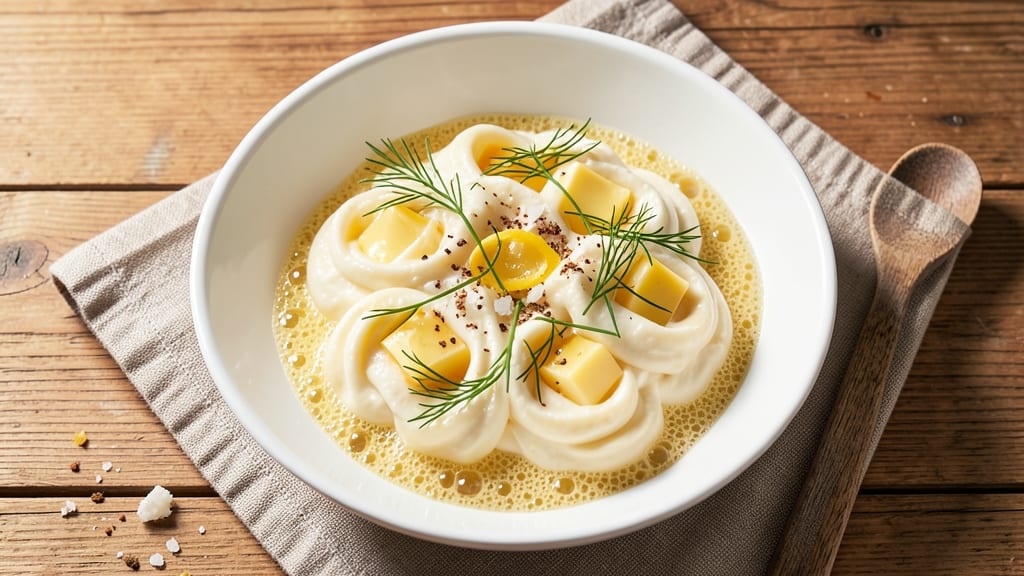
This ultimate scrambled egg recipe delivers restaurant-quality results with velvety yolks and crispy herb edges—no fancy techniques required. The secret lies in precise heat control and a simple method that transforms basic eggs into a luxurious breakfast. I've perfected this over years of testing, and it never fails to impress.
What sets this recipe apart is the balance between tender centers and golden, crispy edges—achieved through low-and-slow cooking with a touch of cream for richness. Fresh herbs like chives or dill add brightness, while a sprinkle of cheese creates melt-in-your-mouth pockets.
The texture is flawless: creamy yet light, with just enough structure to hold its shape. By the time you're done, you'll have scrambled eggs that look as good as they taste—golden on the edges, perfectly set in the center, and infused with herbaceous flavor.
This isn't your average breakfast; it's a dish worthy of brunch tables and special mornings. Whether you're cooking for one or a crowd, the method scales effortlessly. Ready in just 10 minutes, it's the perfect way to start your day with a dish that feels indulgent yet simple.
Let's get started!
Ingredients for ultimate scrambled egg
These nine ingredients transform ordinary eggs into restaurant-worthy scrambled eggs with velvety texture and crispy edges.
| Ingredient | Amount | Notes |
|---|---|---|
| Large Eggs 🥚 | 8 whole | Freshly cracked, room temperature |
| Heavy Whipping Cream 🥛 | ¼ cup | Full-fat for richness |
| Unsalted Butter 🧈 | 2 tbsp | European-style preferred |
| Fresh Chives 🌿 | ¼ cup | Finely chopped, for garnish |
| Fresh Dill 🌿 | 0.15 cup | Finely chopped, or sub chives |
| Sharp White Cheddar 🧀 | ¼ cup | Freshly grated, aged variety |
| Kosher Salt 🧂 | ½ tsp | Diamond Crystal preferred |
| Freshly Ground Black Pepper 🌶️ | ¼ tsp | Coarsely cracked peppercorns |
| Extra-Virgin Olive Oil 🫒 | 1 tbsp | For nonstick pan coating |
The eggs are the star, so grab the freshest you can find—local or organic makes a difference. Trader Joe's or Whole Foods have great options, but honestly any eggs in the carton will work. The cream is non-negotiable for that luxurious texture—full-fat only. Butter matters too: European-style like Plugrá or Kerrygold has higher fat content, which prevents curdling. Keep everything at room temperature before cooking, or the eggs won't emulsify properly. Pro tip: Crack them into a separate bowl first to catch any shell bits.
No heavy cream? Half-and-half works in a pinch, but the texture won't be as rich. Fresh herbs giving you trouble? Dried herbs at half the amount get you close—just remember they're less potent. The cheese can be swapped for Gruyère or Parmesan if you prefer something nuttier. For the pepper, freshly cracked black peppercorns add more complexity than pre-ground. And if you're out of olive oil, avocado oil works just as well for the nonstick coating. The salt? Stick with kosher—it dissolves better and tastes cleaner.
Prep ahead by grating the cheese and chopping herbs in advance—they keep for 3 days in the fridge. The eggs and cream can sit out for 30 minutes before cooking, but don't go longer than that. Leftover scrambled eggs reheat beautifully—microwave for 45 seconds with a splash of milk to restore creaminess. Store them in a single layer so they don't stick together. These eggs taste even better the next day, so make extra for breakfast or brunch leftovers.
Why You'll Love This Recipe
- Creamy in Minutes: I swear, the heavy whipping cream makes these eggs silky smooth with almost no effort—just whisk, melt butter, and fold. No flipping, no fuss, just melt-in-your-mouth perfection.
- Herb-Packed Punch: That bright mix of fresh dill and chives? It’s like sunshine in your mouth—sharp, fresh, and just enough to cut through the richness. Honestly, my picky husband now asks for them every weekend.
- Breakfast or Brunch Star: Serve it alone for a lazy weekend morning or pile it onto toast with smoked salmon for a fancy brunch spread. The same recipe works for both—no need to reinvent the wheel.
- Leftovers That Don’t Suck: Unlike dry scrambled eggs, these reheat beautifully in the microwave or oven. I make a big batch on Sundays, and by Wednesday, I’m still eating them like they’re fresh. Budget-friendly? Absolutely.
Step-by-step instructions for velvety scrambled eggs
Here's how to transform ordinary eggs into restaurant-quality perfection with crispy edges and silky yolks.
Whisk Eggs and Cream Until Silky
In a large bowl, crack the 8 whole large eggs and add the 0.25 cup heavy whipping cream. Using a whisk or electric mixer on medium speed, beat vigorously for 3-4 minutes until the mixture is completely smooth and pale yellow. You're looking for a ribbon stage where the mixture flows slowly off the whisk in a steady stream.
This thorough whisking incorporates air into the eggs, which creates the light, airy texture we want. I like to add the 0.5 teaspoon kosher salt and 0.25 teaspoon freshly ground black pepper at this stage so they're evenly distributed throughout. Let the mixture sit at room temperature for 5 minutes while you prepare your pan.
Heat Pan and Create the Perfect Base
Place a nonstick skillet over medium-low heat and add the 1 tablespoon extra-virgin olive oil. Let it heat for 1 minute until just shimmering - you shouldn't see any smoke. Add the 2 tablespoons unsalted butter and let it melt completely, then tilt the pan to coat the bottom evenly with the butter-oil mixture.
The reason we use both oil and butter is that the oil prevents sticking while the butter adds rich flavor and helps create those beautiful crispy edges. You'll know the pan is ready when the butter has melted but isn't yet browning - about 2 minutes total heating time.
Cook Eggs Low and Slow for Perfect Texture
Pour the egg mixture into the prepared pan and let it sit undisturbed for 30 seconds. Then, using a silicone spatula, gently push the eggs from one side of the pan to the other, letting the uncooked egg flow underneath. Continue this gentle stirring motion constantly for 2-3 minutes until the eggs are just set but still slightly runny in the center.
This low-and-slow approach is crucial - you want the eggs to cook gently so they remain creamy rather than turning rubbery. The edges should begin to set and develop a delicate crispness while the centers stay velvety. If you see the eggs starting to brown too quickly, reduce the heat slightly.
Finish with Cheese and Fresh Herbs
When the eggs are about 80% cooked, sprinkle the 0.25 cup freshly grated sharp white cheddar evenly over the top. Let it melt for 30 seconds, then gently fold the eggs together with the spatula, creating soft curds as you go. Remove the pan from heat just before the eggs are fully set - they'll continue cooking from residual heat.
Here's where the magic happens: immediately stir in the 0.25 cup fresh chives and 0.15 cup fresh dill, letting their bright flavors infuse throughout. The herbs should be evenly distributed but still visible as little green accents in each bite. Serve immediately while still warm and slightly runny in the center.
Plate with Confidence
Divide the scrambled eggs evenly among 4 plates, creating a beautiful mound in the center of each. The edges should be gently crisp while the interior remains velvety with just a hint of runny yolk in the center. Garnish with an extra sprinkle of fresh dill and a few chive leaves for presentation.
This is where the "ultimate" comes into play - the contrast of crispy edges with creamy centers, the bright herb flavors cutting through the richness, and that perfect balance of salt and pepper. Each bite should deliver that luxurious mouthfeel we all crave in great scrambled eggs.
Pro Tips For Making Ultimate Scrambled Egg
- WHISK LIKE A MANIAC: Crack the eggs into a cold bowl first, then whisk in the heavy cream and a pinch of salt until the mixture is thick and glossy—no streaks, no lumps. I used to rush this, and the eggs turned out rubbery; now I take 30 seconds extra, and the texture is velvety every time.
- MELT BUTTER SLOW: Use half the butter to coat the pan on medium-low, then remove it when it’s foamy but not browned—you want melted fat, not crispy bits. The remaining butter goes in after the eggs hit the pan; this keeps the cream from curdling and gives you that rich, custardy base.
- STOP WHEN IT’S SOFT: Pull the pan off heat the second the eggs are just set at the edges—about 2 minutes total. They’ll keep cooking from residual heat, and you’ll end up with dry, overcooked curds. Cover the pan for 30 seconds to finish gently; this is where the cream’s magic happens.
- CHOP HERBS FINE: Pulse the chives and dill in a food processor for 3 seconds—just enough to break them into tiny confetti. This distributes their flavor evenly instead of leaving you with herb clumps that ruin every bite. (Yes, even if you’re making this for one.)
Creative variations of this recipe
Cheesy Herb Variations
Swap the sharp white cheddar for Gruyère or Parmesan for a nuttier depth—just ¼ cup grated works beautifully. For a spicy kick, add ½ teaspoon smoked paprika while whisking the eggs. I love finishing with crispy bacon bits on top for a smoky contrast. 🧀
Spicy Breakfast Twist
Add 1 teaspoon hot sauce or ½ teaspoon cayenne pepper to the whisked eggs for heat lovers. For balance, fold in 2 tablespoons sour cream at the end. Top with sliced jalapeños for freshness and a little kick. This version feels like a brunch special!
Vegetable-Packed Version
Sauté ½ cup diced bell peppers and ¼ cup onions in the pan before adding eggs for a colorful twist. Or try finely chopped spinach—it wilts beautifully into the eggs. For extra richness, stir in 1 tablespoon crème fraîche at the end. 🥦
Sweet Breakfast Surprise
Add 1 tablespoon maple syrup to the whisked eggs for a sweet-savory balance. Top with crumbled bacon and chopped scallions for a breakfast hash vibe. This works perfectly with a side of buttery toast. 🍯
Global Flavors
For a French touch, add 1 tablespoon crème fraîche and finish with chervil instead of dill. A Japanese-inspired version uses soy sauce (1 tsp) and sesame seeds for umami depth. These twists keep the creamy texture while adding exciting flavors. 🌍
Nutrition facts
Frequently asked questions
Why does your recipe use cream instead of milk?
Heavy cream creates a richer, silkier texture that's closer to restaurant-quality scrambled eggs. The fat content prevents the eggs from becoming rubbery while adding luxurious mouthfeel. For a lighter version, you could substitute with ½ cup whole milk plus 1 tablespoon cream cheese, but the texture will be less velvety.
Can I make these eggs in the oven instead of on the stovetop?
Yes! Preheat oven to 350°F and pour whisked eggs into a greased oven-safe skillet. Bake for 8-10 minutes until set, then finish with cheese and herbs. The oven method gives more even cooking but lacks the crispy edges. For best results, start with a 2-minute stovetop head start before transferring to the oven.
What's the secret to getting crispy edges without burning?
The key is medium-low heat and proper pan prep. Use both oil and butter for flavor and nonstick properties, and let the eggs cook undisturbed for 30 seconds before gently stirring. If the edges brown too quickly, reduce heat immediately. A nonstick skillet helps achieve that perfect crispy texture without sticking.
How do I prevent my scrambled eggs from getting rubbery?
Overcooking is the main culprit. Remove eggs from heat when they're still slightly runny (80% set) and let residual heat finish cooking them. Also, never stir too vigorously—gentle folding creates soft curds. Using room-temperature eggs and cream helps too, as cold ingredients can make eggs tough.
Can I make these eggs ahead of time?
Freshly made is best, but you can prep components ahead: whisk eggs and cream up to 24 hours in advance (store covered in fridge). For leftovers, reheat gently with a splash of milk or cream to restore creaminess. For brunch service, keep eggs warm in a 200°F oven while you finish plating.