
Desserts
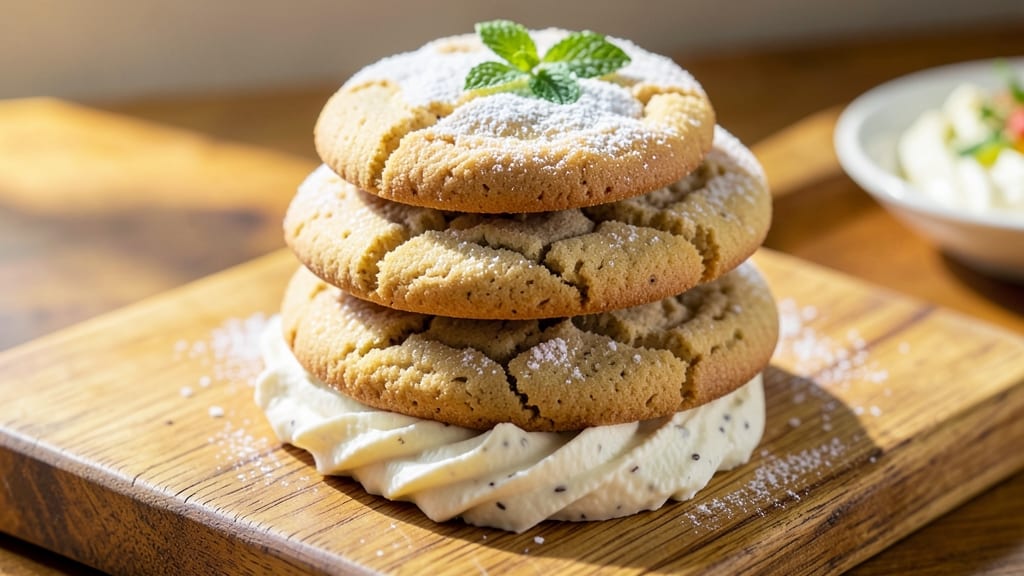
This vanilla cookie recipe without eggs delivers fluffy, melt-in-your-mouth bites that hold together perfectly—thanks to a clever cream cheese trick. 💛 I developed this after years of testing egg-free alternatives, and the results are nothing short of magical. The secret?
Cream cheese binds the dough while keeping it tender, not dense. What makes this recipe special is how simple it is. With just five ingredients and 15 minutes of prep, you’ll have cookies that taste like they came from a bakery.
The dough is foolproof, and the flavor is pure vanilla—no aftertaste, no bitterness. It’s the kind of cookie that disappears faster than you can say "second batch."
By the time they come out of the oven, your cookies will be golden-edged and soft-centered, with just the right amount of chew. The cream cheese ensures they stay together without cracking, while the vanilla extract shines through in every bite.
Trust me, these are the kind of cookies that get requested by name. Perfect for holiday baking, potlucks, or just a cozy weeknight treat. Let’s make them!
Ingredients for vanilla cookie recipe without eggs
Five simple ingredients transform into bakery-style cookies without a single egg.
| Ingredient | Amount | Notes |
|---|---|---|
| All-Purpose Flour 🌾 | 2 ½ cups | Sifted for light texture |
| Cream Cheese 🧀 | 8 oz | Full-fat, room temperature |
| Granulated Sugar 🍚 | 1 cup | White or light brown |
| Pure Vanilla Extract 🌿 | 2 tsp | High-quality, not imitation |
| Salt 🧂 | ½ tsp | Fine sea salt preferred |
| Unsalted Butter 🧈 | 1 cup | Cold, cubed for even baking |
The cream cheese is the real MVP here—it's what makes these hold together without cracking. Philadelphia brand is my go-to because it's consistently creamy, but any full-fat cream cheese works. Room temperature is key (about 10 minutes out of the fridge). The butter should be cold—cold cubes melt slower, giving you that perfect golden edge. For flour, King Arthur or Gold Medal are my favorites, but any all-purpose will do. Just sift it first for that light, airy texture. Skip the pre-sifted stuff—it's usually older and less fresh.
No vanilla extract? Vanilla bean paste or even vanilla sugar works in a pinch, but real extract gives the best flavor. Running short on butter? Coconut oil or vegan butter keeps it vegan, though texture might be slightly different. The sugar can be swapped for brown sugar (use the same amount) if you want a deeper molasses flavor. Salt is non-negotiable—it balances all the sweetness. If you're using iodized salt, cut back to 1/4 teaspoon since it's saltier. And trust me, measure your flour by scooping and leveling, not packing it into the cup.
These cookies keep for 5 days in an airtight container at room temperature, though they rarely last that long. For longer storage, freeze portions on a tray first (so they don't stick), then transfer to a bag. Reheat in the oven for 5-10 seconds to revive that soft center. Double the batch—you'll want seconds. The dough can chill for up to 24 hours if you need a break, but don't skip the rest time before baking. That's when the flavors meld.
Why You'll Love This Recipe
- No-Fuss Mixing: I swear by this—just cream cheese, sugar, and vanilla blended until smooth. No egg mess, no waiting for room-temperature butter, just dump-and-go. The dough comes together faster than my coffee brews.
- Buttery-Creamy Magic: That cream cheese isn’t just a binder—it’s the star. It melts into these cookies for a tender crumb with a subtle richness, while the vanilla extract (use good stuff) sings in every bite. Honestly, they taste like a hug from a bakery.
- Party in a Jar: These freeze like a dream, so I make a batch on Sunday and pull them out for holidays, potlucks, or just because. They’re sturdy enough for travel but still soft enough to crumble into milk. (Yes, even on a Tuesday night.)
- Pantry Staple Power: Flour, sugar, cream cheese—ingredients you already own. No specialty items, no last-minute grocery runs. And if you halve the recipe? Still enough for leftovers that vanish in minutes. My wallet and my taste buds thank me.
Step-by-step instructions for vanilla cookies without eggs
Here's how to make tender, fluffy cookies using cream cheese as the secret binder.
👨🍳 Step 1: Prepare the Cream Cheese Base
In a large mixing bowl, combine the 8 oz cream cheese and 1 cup granulated sugar. I always use a hand mixer for this step—it creates a smoother, lighter base. Beat on medium speed for 2-3 minutes until completely smooth and creamy. You'll notice the mixture lighten in color and become almost fluffy.
This is where the magic happens—the cream cheese acts as both a binder and a tenderizer. If you see any lumps, don't worry—just keep mixing. The cream cheese should be completely homogenous before adding anything else. Here's the thing—room temperature cream cheese is crucial. If it's too cold, it won't blend smoothly and your cookies will be dense.
👨🍳 Step 2: Add Butter and Vanilla
Cut the 1 cup unsalted butter into small cubes (about ½-inch pieces) and add them to the cream cheese mixture. Beat on medium speed for 1-2 minutes until the butter is fully incorporated and the mixture looks like wet sand.
Add the 2 tsp pure vanilla extract and mix for another 10 seconds until fully combined. The vanilla will infuse quickly at this stage. I like to give it a quick sniff test—it should smell intensely vanilla. If your butter is cold, this is where you'll see it start to soften and blend in. Don't rush this step—properly emulsified butter creates the perfect texture.
👨🍳 Step 3: Incorporate the Dry Ingredients
In a separate bowl, whisk together the 2.5 cups all-purpose flour (be sure to sift it first for a lighter texture) and the 0.5 tsp salt. I always sift the flour right into the bowl to avoid any clumping. Gradually add the dry ingredients to the wet mixture, mixing on low speed just until combined.
Here's where it gets fun—you'll want to mix until you can no longer see any flour streaks, but don't overmix. The dough should come together into a soft, slightly sticky mass. If it's too dry, add 1 teaspoon of milk or water at a time until it holds together when pressed. This dough should be soft enough to scoop easily but not sticky enough to be difficult to handle.
⏰ Step 4: Chill the Dough
Divide the dough into 4 equal portions (about 1 cup each) and flatten each into a ½-inch thick disk. Wrap each disk tightly in plastic wrap and refrigerate for at least 1 hour or up to 24 hours. Chilling is non-negotiable—it prevents the cookies from spreading too much in the oven and helps develop flavor.
I know it's tempting to skip this step, but trust me—chilled dough makes a world of difference. The cold temperature also helps the cream cheese set properly, giving your cookies that perfect tender crumb. If you're short on time, at least 30 minutes in the fridge will help, but 1 hour is ideal.
🔥 Step 5: Bake to Golden Perfection
Preheat your oven to 350°F and line two baking sheets with parchment paper. Working with one disk at a time, roll it out to about ¼-inch thickness on a lightly floured surface. Cut into 1-inch rounds using a cookie cutter or the rim of a glass. Place cookies 2 inches apart on the prepared baking sheets.
Bake for 10-12 minutes until the edges are light golden brown and the centers look just slightly underdone. They'll continue cooking as they cool on the baking sheet. The key here is to watch closely—cream cheese cookies can go from perfect to overdone in seconds. Remove them when they're just set in the center and still soft to the touch.
Let the cookies cool on the baking sheet for 5 minutes before transferring to a wire rack to cool completely. The centers should be soft and slightly chewy, with a tender crumb throughout. These cookies are best enjoyed warm, but they'll keep at room temperature for 3 days in an airtight container.
Pro Tips For Making Vanilla Cookie Recipe Without Eggs
- Chill the Dough First: I learned this the hard way—skipping the fridge means cookies that spread into sad, flat pancakes. Wrap the dough in plastic and let it rest for at least 30 minutes (or up to 24 hours if you’re patient). The cream cheese needs time to firm up, or you’ll end up with cookies that look like they belong in a sad science experiment.
- Weigh Your Flour: Scooping flour from the bag is a recipe for disaster. These cookies rely on the right balance of cream cheese and flour, and packing the cup too tightly or leaving gaps changes everything. Use a kitchen scale for precision—125g of flour makes a real difference when paired with cream cheese’s natural heaviness.
- Don’t Overmix: The moment your dough starts looking like playdough, stop. Cream cheese cookies are tender because of their fat content, not gluten development. Mix just until the flour is barely incorporated—overworking it turns them into dense, chewy bricks instead of melt-in-your-mouth bites.
- Use Room-Temp Cream Cheese: Cold cream cheese pockets of butter that don’t melt properly, leaving you with cookies that taste like they were baked in a freezer. Let the block sit out for 1–2 hours until it’s soft enough to press with a finger (but not liquid). This ensures even baking and a consistent texture—no more underdone centers or overbrowned edges.
Troubleshooting this dish
Dough Too Sticky
If your dough feels too sticky to handle, don’t panic—this is actually ideal for cream cheese cookies! The trick is to chill the dough longer (up to 2 hours) to firm it up.
If you're in a rush, sprinkle a tiny bit of flour (just 1 tsp) onto your work surface and rolling pin, but don’t overdo it—too much flour makes cookies dry. I’ve found that using King Arthur unbleached flour gives just the right balance of stickiness and structure. 🧂
Cookies Spread Too Much
Over-spreading happens when butter isn’t cold enough or the dough isn’t chilled properly. To fix this, make sure your butter is cold cubes (not softened) and chill the dough for at least 1 hour.
If you’ve already baked them and they’re too flat, try cutting them into smaller rounds (¾-inch diameter) next time—they’ll bake faster and hold their shape better. I’ve also had success baking on the middle rack instead of the top, which helps control spread. 🔥
Dense or Cakey Texture
Dense cookies usually mean overmixing or not enough fat. First, check your cream cheese—it must be room temperature (about 68°F) and fully blended. If your cookies still turn out cakey, try adding 1 tbsp more butter to the dough.
Another trick? Underbake slightly—they’ll firm up as they cool. I’ve also seen success replacing ½ cup of the flour with cornstarch for a lighter texture, but keep it subtle. 💡
Cracked or Broken Cookies
Cracks happen when the dough isn’t properly rested or the oven temperature fluctuates. Always chill the dough for the full 1 hour (or overnight) to let the cream cheese set. Also, avoid opening the oven door during baking—temperature drops cause cracks.
If you’re using a glass baking dish, try switching to a metal one for more even heat distribution. Pro tip: Brush cookies with 1 tbsp melted butter right after baking to seal any cracks and add shine. ✨
Flattened or Soggy Centers
Soggy centers usually mean the cookies were underbaked or the oven wasn’t hot enough. Bake until the edges are light golden brown (about 10-12 minutes at 350°F), then let them cool on the baking sheet for 5 minutes before transferring.
If they still feel underdone, pop them back in the oven for 1-2 minutes. For extra insurance, I like to bake one sheet at a time—crowding the oven causes uneven heat distribution. 🌡️
Nutrition facts
Frequently asked questions
Can I make these vanilla cookies without butter?
Yes! For a dairy-free version, replace the 1 cup unsalted butter with 1 cup coconut oil (solid) or vegan butter. The texture will be slightly different—coconut oil adds a subtle coconut flavor, while vegan butter mimics traditional cookies more closely. Chill the dough for 2 extra hours to compensate for the lack of butter's structure.
Why does the recipe use cream cheese instead of eggs?
The cream cheese acts as a natural binder and tenderizer, replacing eggs' structural role while keeping cookies soft and chewy. It also adds a subtle tang that balances the vanilla. Unlike eggs, cream cheese doesn't dry out the dough, preventing that tough texture common in egg-free baked goods. Think of it as a magic ingredient that holds everything together!
Can I make these cookies gluten-free?
Swap the 2.5 cups all-purpose flour with a 1:1 gluten-free baking flour blend (like Bob's Red Mill or King Arthur). Add ½ tsp xanthan gum if your blend doesn't contain it, as it helps with texture. For best results, chill the dough for 2 hours and bake at 325°F for 12-14 minutes—gluten-free dough spreads less but needs more time to set.
How do I store these cookies for maximum freshness?
Store in an airtight container at room temperature for 5 days—they'll stay soft and delicious. For longer storage, freeze portions on a tray (unbaked) for 1 hour, then transfer to a bag for up to 3 months. To revive, warm in the oven at 300°F for 3-5 seconds until fragrant. Pro tip: Layer cookies with parchment paper to prevent sticking.
Can I add mix-ins like chocolate chips?
Yes, but go easy! Fold in ½ cup chocolate chips or chopped nuts after mixing the dry ingredients. Too many mix-ins can make cookies dense. For a fancy touch, press a few chocolate chips into the tops before baking. If using nuts, toast them first for extra flavor. Remember: cream cheese cookies are delicate—don't overwork the dough with additions!