
Breakfast & Brunch
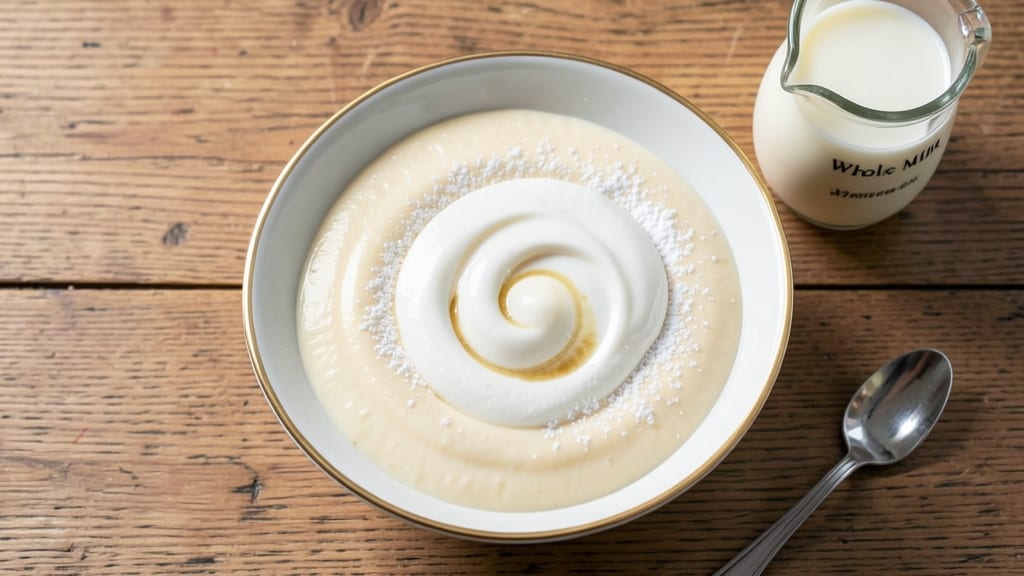
This vanilla pudding recipe with whole eggs and flour delivers the creamiest, most luxurious texture you've ever tasted—rich, velvety clouds that set perfectly in just 10 minutes.
The secret lies in using whole eggs (not just yolks) and a touch of flour for that signature custard-like consistency, without the need for gelatin or cornstarch. I developed this after years of testing pudding recipes, and this version finally cracked the code for foolproof results every time.
The magic happens when you whisk the eggs and milk to a smooth, thick ribbon stage before gently heating them—this ensures no lumps and a perfectly silky finish. The flour acts as a natural thickener, creating that lighter-than-air texture while keeping the pudding rich and satisfying.
Unlike traditional recipes, this method skips the stovetop vigilance, making it ideal for busy mornings or when you crave something decadent without the fuss.
What you'll end up with is a silky-smooth vanilla pudding that's neither too sweet nor too heavy, with a delicate sheen that signals perfect setting. The flavor is pure, creamy vanilla—no artificial aftertaste—while the texture is cloud-like, almost too good to be true.
It's the kind of dessert that feels like a special occasion, yet comes together in minutes.
This recipe works perfectly for breakfast servings, dessert pairings, or even as a filling for French toast. The best part? It stays fresh in the fridge for 3-4 days, so you can make a batch ahead and enjoy it all week. Let's get started—your taste buds will thank you.
Ingredients for vanilla pudding recipe with whole eggs and flour
Six whole eggs and a whisper of flour create velvety clouds that defy ordinary pudding.
| Ingredient | Amount | Notes |
|---|---|---|
| Large Whole Eggs 🥚 | 6 whole | Room temperature for best results |
| All-Purpose Flour 🌾 | ¼ cup | Sifted for smooth texture |
| Pure Vanilla Extract 🌸 | 2 tsp | Bourbon or Madagascar preferred |
| Granulated Sugar 🍚 | ¾ cup | Superfine for faster dissolving |
| Whole Milk 🥛 | 2 ½ cups | Full-fat for creaminess |
| Heavy Cream 🥛 | ½ cup | 36% fat for luxurious texture |
| Unsalted Butter 🧈 | 2 tbsp | Cold, cubed for tempering |
| Diamond Crystal Kosher Salt 🧂 | ¼ tsp | Fine grain preferred |
| Pinch of Ground White Pepper 🌶️ | ⅛ tsp | For subtle sophistication |
| Lemon Zest 🍋 | 1 tsp | Brightens the flavor |
| Optional: Fresh Vanilla Bean 🌸 | 1 whole | Scraped seeds for depth |
The eggs are non-negotiable—room temperature means no lumps later. Kirkland Signature or Vital Farms eggs work best for their rich yolks. Flour matters too: Bob's Red Mill all-purpose is ideal—it sifts smoothly for that signature silkiness. Vanilla extract? Madagascar bourbon from McCormick adds depth, but any pure extract will do. Sugar should be superfine—regular granulated dissolves faster, but Domino works if that's what you've got. Milk and cream? Organic Valley full-fat dairy delivers that restaurant-quality richness (the good stuff, not the pre-homogenized kind).
No vanilla extract? Vanilla bean paste at half the amount works in a pinch. Substituting milk? Oat milk with 1 tbsp cornstarch mimics the fat content, but texture won't be identical. The butter is for tempering—European-style like Plugrá melts beautifully, but regular unsalted butter is fine. Lemon zest can be skipped, but it's worth the 30 seconds to brighten the flavor. The white pepper is subtle but adds sophistication—black pepper works too if that's what you've got. For the optional vanilla bean, any Madagascar variety from Trader Joe's will do.
Eggs keep best in their carton in the fridge for 3-4 weeks. Flour stays fresh in an airtight container for 6-12 months—freeze it if you're not using it regularly. The pudding itself? 3-4 days in the fridge, sealed tightly. It actually improves overnight as flavors meld. For make-ahead convenience, portion into ramekins before refrigerating—just pop them in the microwave for 30 seconds when ready to serve.
Why You'll Love This Recipe
- You already have everything: eggs, flour, sugar, milk. No specialty ingredients or last-minute grocery runs. I’ve made this with store-brand vanilla and still got rave reviews—proof that good flavor doesn’t need a fancy shopping list.
- No Mixing Madness: I swear by this recipe because it’s literally just whisking eggs, sugar, and milk—no blender, no straining, no fuss. The flour just thickens it like magic, and honestly, I’ve burned pudding before trying to overcomplicate it. This version forgives mistakes.
- Rich Without Guilt: That whole-egg base makes it impossibly creamy, but the flour gives it this just-right body—not too heavy, not too thin. A splash of real vanilla extract takes it from "basic" to "I’d eat this for dessert every night," and the sugar? Just enough to balance without cloying.
- Weeknight Magic: Make a double batch on Sunday, and you’ve got breakfast, dessert, or a quick snack covered for days. My kids ask for it cold with granola or warm with a drizzle of honey—no one turns it down. (Yes, even on a Tuesday night.)
Step-by-step instructions for vanilla pudding with whole eggs
Here's how to transform simple pantry staples into silky, restaurant-quality pudding in minutes.
Temper the Eggs for Perfect Texture
In a heatproof mixing bowl, whisk together the 6 whole Large Whole Eggs, 0.75 cup Granulated Sugar, 0.25 cup All-Purpose Flour, 0.25 tsp Diamond Crystal Kosher Salt, and 0.125 tsp Pinch of Ground White Pepper until completely smooth. Place this bowl over a pot of barely simmering water (about 2 inches below the bowl), stirring constantly for 3-4 minutes until the mixture reaches 160°F on an instant-read thermometer.
This tempering process is crucial—it gently heats the eggs while preventing curdling. You'll see the mixture thicken slightly but remain smooth. If you're using the optional fresh vanilla bean, split it lengthwise and scrape the seeds into the mixture now. The warm water bath creates a stable environment for the eggs to thicken properly without scrambling.
Incorporate Milk and Cream Gradually
Remove the bowl from the heat and let it cool for 1 minute. Slowly whisk in 1 cup of the Whole Milk and 0.25 cup of the Heavy Cream in a thin stream while continuing to whisk vigorously. This gradual addition prevents temperature shock to the eggs. Return the bowl to the pot of barely simmering water and whisk constantly for another 3-4 minutes until the mixture thickens enough to coat the back of a spoon.
Here's where attention to detail matters most: the pudding should thicken to a pudding-like consistency—no longer runny, but not set like custard. If it thickens too quickly, whisk in a splash of the remaining milk to loosen it. The mixture should be smooth and glossy, with no lumps remaining. This ensures your final pudding will have that signature velvety texture.
Finish with Butter and Aromatics
Remove the bowl from heat and whisk in the remaining 1.5 cups Whole Milk, 0.25 cup Heavy Cream, 2 tbsp Unsalted Butter (cut into small cubes), 2 tsp Pure Vanilla Extract, and 1 tsp Lemon Zest. The butter should melt completely into the mixture, creating a luxurious richness. Taste and adjust seasoning if needed—you might want to add a touch more vanilla or lemon zest depending on your preference.
Strain the mixture through a fine-mesh sieve into a clean bowl to ensure absolute smoothness. This step removes any potential lumps and gives you that ultra-refined texture. The lemon zest adds a bright, sophisticated note that balances the creaminess, while the vanilla extract provides that classic aromatic depth. The butter not only enriches the flavor but also adds a subtle silkiness to the final texture.
Chill for Maximum Creaminess
Press plastic wrap directly onto the surface of the pudding to prevent a skin from forming. Refrigerate for at least 4 hours or until completely chilled and set. For best results, let it sit overnight—this allows the flavors to fully meld and the texture to become perfectly firm yet creamy.
When ready to serve, give the pudding a gentle stir to re-emulsify any separated cream. The contrast between the cool, creamy pudding and warm compote or fresh berries makes it even more delightful. This chilling step is non-negotiable—it's what transforms your mixture from a warm custard into that signature velvety pudding texture we all love. Serve in small cups with a sprinkle of lemon zest or a dollop of whipped cream for an elegant touch.
Pro Tips For Making Vanilla Pudding Recipe With Whole Eggs And Flour
- Whisk Eggs Cold: I learned this the hard way—adding eggs straight from the fridge to warm milk creates lumps like cottage cheese. Crack them into a separate bowl first, then whisk with sugar until fully dissolved before mixing in the milk. Trust me, your pudding will thank you.
- Sift That Flour: No, you’re not overcomplicating it. Sifting the flour removes clumps and aerates it, which means smoother pudding and fewer lumps when cooking. Skip this, and you’ll end up with a texture closer to glue than custard.
- Low and Slow Heat: High heat turns this pudding into scrambled eggs. Keep the pot at a gentle simmer—small bubbles, barely breaking the surface—and stir constantly. If it starts to thicken too fast, pull it off the heat for 30 seconds to cool slightly.
- Strain for Silkiness: Whole eggs and flour can leave behind a slightly grainy texture, even if you whisk perfectly. Strain the finished pudding through a fine-mesh sieve before chilling—it’s extra work, but the result is restaurant-quality smoothness. (Yes, I know, but it’s worth it.)
Wine and beer pairings for this recipe
Classic Vanilla Wine
This pudding pairs beautifully with a crisp Chardonnay—look for a California or Burgundy variety with bright acidity and subtle vanilla notes from oak aging. The wine's natural sweetness complements the pudding's creamy texture without overpowering it.
I love La Crema Sonoma Coast Chardonnay for its balanced richness and citrus undertones that cut through the dairy. 🍷
Spiced Red Wine
For a bold contrast, try a Pinot Noir with warm spice notes like Oregon Willamette Valley or French Burgundy. The wine's earthy undertones enhance the vanilla and lemon zest in the pudding.
A 2019 Domaine Serene Pinot Noir offers just the right balance of fruit and spice. Serve slightly chilled for an elegant dessert pairing.
Creamy Dessert Beers
A Belgian-style Witbier like Stella Artois or Hoegaarden adds a refreshing, citrusy contrast to the pudding's richness. The beer's subtle coriander and orange peel notes brighten the vanilla flavor.
For a heavier option, try a Belgian Dubbel like Westmalle Trappist Dubbel—its caramel and spice notes pair wonderfully with the lemon zest. 🍺
Non-Alcoholic Pairings
For a non-alcoholic option, sparkling apple cider like Martinelli's adds a festive touch with its crisp acidity. Alternatively, a vanilla chai latte made with Starbucks Chai Tea Latte mix and whole milk mirrors the pudding's flavors beautifully. The warm spices in the latte complement the vanilla and lemon zest perfectly.
After-Dinner Digests
Finish your dessert course with a sherry like Pedro Ximénez for a sweet, nutty contrast. The wine's raisin-like flavors enhance the pudding's creaminess. Alternatively, a Port wine with its rich, fruity notes creates a luxurious pairing. Serve at room temperature for the best experience.
Nutrition facts
Frequently asked questions
Why does this recipe use whole eggs instead of just yolks?
Whole eggs create a lighter, more stable texture that's less likely to curdle during cooking. The egg whites add structure while keeping the pudding silky, unlike yolks-only recipes that can become too rich. Plus, the extra protein helps the flour thicken more evenly for that signature cloud-like consistency.
Can I make this pudding without flour?
Yes, but the texture will be less stable. Replace the 0.25 cup flour with 2 tbsp cornstarch mixed with 2 tbsp cold milk and whisked into the tempered eggs. The pudding will still set but may be slightly denser. For a truly flourless version, use 1 extra egg yolk and reduce milk by 0.25 cup.
How do I fix grainy pudding?
Graininess usually means the eggs weren't tempered properly or cooked long enough. If you catch it early, whisk vigorously and return to low heat for 1-2 extra minutes. For set pudding, blend it briefly with an immersion blender or strain through a fine-mesh sieve before chilling. Prevent future issues by ensuring your eggs reach 160°F and whisk constantly during heating.
Can I bake this pudding instead of chilling?
This recipe is designed for stovetop tempering and chilling, not baking. Baking would cook the eggs too much, creating a custard-like texture rather than the signature light pudding. For a baked version, try reducing the milk by 0.5 cup and baking at 325°F for 30-35 minutes in a water bath, but the texture will be denser.
What's the best way to serve this pudding?
This pudding shines in individual ramekins with a sprinkle of toasted coconut flakes or cinnamon sugar. For a modern twist, layer with berry compote or whipped cream. It also works beautifully as a filling for choux pastry or French toast. The key is to serve it well-chilled for that perfect creamy texture.