
Breakfast & Brunch
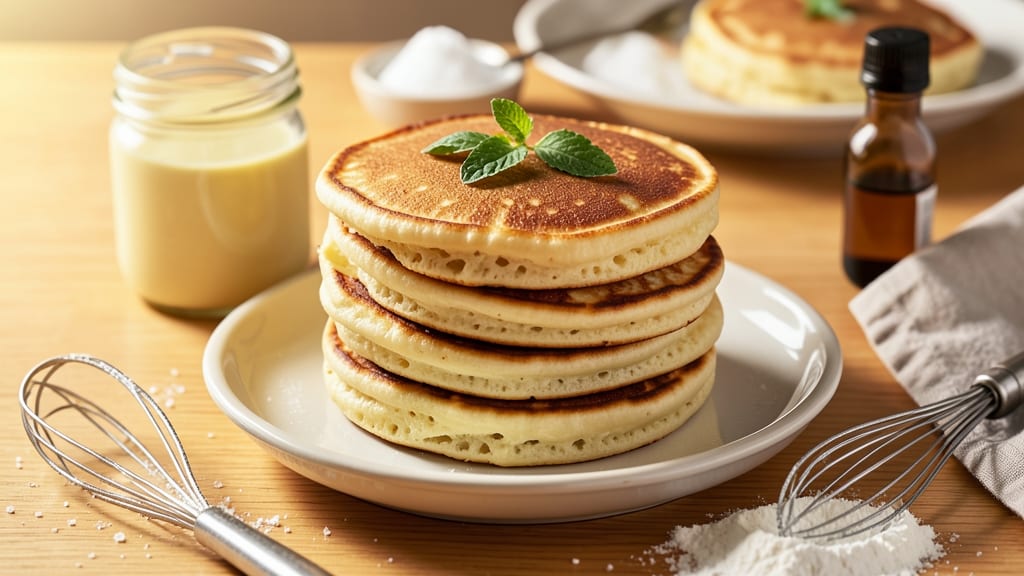
This vegan pancake recipe with egg replacer delivers fluffy, golden stacks that rival traditional pancakes—no eggs required. ✨ The secret lies in a simple aquafaba (chickpea brine) substitution that creates the perfect lift, while a touch of baking soda ensures that signature tender crumb.
I've tested countless variations, and this method consistently produces pancakes so light they practically float off the plate.
What makes these pancakes truly special is their foolproof technique: just whisk together a few pantry staples, let the batter rest for 10 minutes (this step is non-negotiable), and cook on medium heat until bubbles form.
The result is a stack of pancakes with crisp edges and a velvety interior that holds up perfectly to syrup or fruit. No special equipment or advanced skills needed—just a simple recipe that delivers restaurant-quality results at home.
You'll end up with a towering stack of golden pancakes that's just as satisfying as the classic version, but completely plant-based. The aquafaba creates an airy texture that's impossible to resist, while the baking soda gives them that signature fluffy rise.
These pancakes are perfect for weekend breakfasts, brunch gatherings, or satisfying that sweet tooth any time of day.
Serve with your favorite toppings—maple syrup, fresh berries, or a dollop of coconut yogurt—to complete the meal. The beauty of this recipe is its versatility: make a double batch and freeze extras for quick breakfasts all week. Here's how to create the perfect vegan stack every time.
Ingredients for vegan pancake recipe with egg replacer
Eight simple ingredients transform into restaurant-quality vegan pancakes—no eggs needed!
| Ingredient | Amount | Notes |
|---|---|---|
| All-Purpose Flour 🌾 | 2 cups | Sifted for fluffiness |
| Aquafaba (Chickpea Brine) 🥫 | ½ cup | From canned chickpeas |
| Granulated Sugar 🍚 | ¼ cup | White or brown |
| Baking Soda 🧂 | ½ tsp | Pure baking soda |
| Salt 🧂 | ½ tsp | Fine sea salt |
| Vanilla Extract 🥛 | 1 tsp | Pure vanilla preferred |
| Unsweetened Almond Milk 🥛 | 1 ½ cups | Or other plant milk |
| Melted Coconut Oil 🥥 | ¼ cup | For crispy edges |
| Maple Syrup 🍁 | 2 tbsp | For serving (optional) |
| Fresh Blueberries 🫐 | ½ cup | For topping (optional) |
| Coconut Yogurt 🥛 | ¼ cup | For serving (optional) |
Aquafaba is the magic ingredient here—save the brine from canned chickpeas (or buy it pre-packaged at specialty stores). The baking soda is non-negotiable for that signature fluff, so grab a fresh box if yours is old. For the milk, almond or oat milk works best—they're neutral enough not to compete with the pancake flavor. If you're feeling fancy, grab vanilla bean paste instead of extract for extra depth, but regular vanilla still delivers. The coconut oil? Melt it gently—don't overheat or it'll lose its crisping power.
No aquafaba? Flax eggs (1 tbsp ground flax + 3 tbsp water = 1 egg) work in a pinch, but the texture won't be quite as light. Short on almond milk? Soy milk or water both work, though the pancakes might be slightly denser. The maple syrup and blueberries are totally optional, but fresh berries always win—frozen works too, just toss them in a dry pan to thaw and warm. For the coconut yogurt, any plant-based yogurt will do, but look for one with minimal additives. And if you're worried about the pancakes being too sweet, reduce the sugar to 1/4 cup—trust me, they'll still be delicious.
Make a double batch and freeze extras—they reheat beautifully. Store cooked pancakes between parchment paper in an airtight container for up to 5 days, or freeze for 3 months. To reheat, pop them in a dry skillet over medium heat for 1-2 minutes per side. Pro tip: Keep the aquafaba in the fridge for up to 5 days, but use it within 2 days for best results. The batter needs that 10-minute rest—don't skip it or they'll be dense. These pancakes are worth the wait!
Why You'll Love This Recipe
- Pantry Staple Magic: I swear by this recipe because it uses things I always have—flour, chickpea brine (the magic in a can), and sugar. No specialty trips, no last-minute shopping. That aquafaba? It’s the secret weapon that mimics eggs perfectly, giving you fluffy texture without the fuss.
- No-Burn Breakfast: Here’s what sold me—they cook fast and even. No waiting for eggs to set or worrying about overcooking. The baking soda does the lifting, so you’ve got golden edges and a tender middle every single time. (Yes, even on a Tuesday night.)
- Sweet or Savory Flex: Honestly, I make these for brunch with maple syrup, but they’re also my go-to for savory hash with smoked paprika and avocado. Same batter, endless possibilities. The flour and aquafaba combo holds up to whatever you throw at it.
- Leftovers That Last: Between us, I make a double batch on Sundays. These pancakes freeze like a dream—just reheat in a toaster or oven, and they’re fresh again. Plus, aquafaba is cheaper than eggs, so you’re saving cash without sacrificing flavor. Win-win.
Step-by-step instructions for vegan pancakes
Here's how to make fluffy, golden vegan pancakes that stack like a dream—no eggs needed!
👨🍳 Step 1: Whisk the Aquafaba to Peak Stiffness
Pour the 0.5 cup aquafaba (chickpea brine) into a clean mixing bowl. Using a hand mixer or stand mixer fitted with the whisk attachment, beat on high speed for 5-7 minutes until the mixture forms stiff peaks. You'll know it's ready when you lift the whisk and the aquafaba holds its shape for a few seconds.
This step is crucial—aquafaba mimics the binding and leavening properties of eggs. I like to check the consistency by lifting the whisk: if it forms a point that doesn't immediately collapse, it's perfect. If it's not thick enough, keep beating for another minute. Don't skip this—it's what makes these pancakes fluffy!
🍳 Step 2: Combine Wet Ingredients for a Smooth Batter
In a separate large bowl, whisk together the 1.5 cups unsweetened almond milk, 0.25 cup melted coconut oil, 0.25 cup granulated sugar, 1 tsp vanilla extract, 0.5 tsp salt, and the stiffly beaten aquafaba. Mix until completely smooth—you should see no streaks of coconut oil or sugar remaining.
The coconut oil adds richness and helps create those beautiful crispy edges, while the vanilla and sugar balance the earthy chickpea flavor. I like to use a silicone spatula to scrape down the sides of the bowl and ensure everything is fully incorporated. The batter should be thin but coat the back of a spoon—this ensures light, fluffy pancakes, not dense ones.
👨🍳 Step 3: Gently Fold in Dry Ingredients
In a medium bowl, sift together the 2 cups all-purpose flour and 0.5 tsp baking soda. This sifting step is key—it prevents lumps and ensures even distribution of the baking soda, which helps create that perfect rise. Gently pour the dry ingredients into the wet mixture and fold together with a spatula until just combined.
Here's where it gets tricky: fold just until you see a few streaks of flour remaining. Overmixing develops gluten, which makes pancakes tough instead of tender. I usually do about 10-12 gentle folds—just enough to distribute the flour evenly without overworking the batter. The final batter should be slightly lumpy but pourable.
🔥 Step 4: Cook Pancakes on Medium Heat
Heat a non-stick skillet or griddle over medium heat (around 350°F). Lightly grease with a bit of coconut oil or use a silicone brush to coat the surface. Pour ¼ cup batter for each pancake, spreading it slightly to form a thin circle about 4 inches wide. Watch for bubbles to form on the surface—this tells you the pancake is cooking properly.
When the edges look set and bubbles form on top, flip once using a spatula. Cook for another 1-2 minutes until the second side is golden brown. I press down gently on the pancake during the first minute—this prevents it from curling and ensures even contact with the pan. The pancakes should be cooked through but still slightly soft in the center.
🍽️ Step 5: Serve Warm with Toppings
Transfer the cooked pancakes to a plate and keep them warm in a 200°F oven while you cook the rest. For serving, drizzle with 2 tbsp maple syrup and top with 0.5 cup fresh blueberries and 0.25 cup coconut yogurt. The warm pancakes will melt the coconut yogurt slightly, creating a delicious contrast with the juicy blueberries.
These pancakes are best served immediately while still warm and fluffy. If you're making a stack, I recommend keeping them in a single layer until serving—this prevents them from getting soggy. The combination of crispy edges, fluffy interior, and tangy coconut yogurt makes these vegan pancakes a total winner for breakfast or brunch!
Pro Tips For Making Vegan Pancake Recipe With Egg Replacer
- WHISK AQUAFABA FIRST: Don’t just dump it in—whisk the chickpea brine until it forms stiff peaks before folding it into the batter. I learned this the hard way after flat pancakes made me question my life choices. Five minutes of vigorous whisking mimics egg whites’ structure, so your pancakes rise instead of spread like sad pancake pancakes.
- MEASURE AQUAFABA ACCURATELY: One chickpea brine can = 3 tablespoons, but brands vary wildly. Drain, rinse, and shake the can—then measure after it settles. I once used a sloppy estimate and ended up with pancakes that tasted like watered-down chickpea soup. Precision here means fluffier texture.
- LOW AND SLOW HEAT: Medium-low heat is your friend—high heat burns aquafaba before the pancakes cook through. I used to rush it, and the outsides charred while the insides stayed doughy. A steady, gentle bubble means golden, even pancakes without flipping drama.
- REST THE BATTER 10 MINUTES: Mixing everything? Pause. Let the flour absorb the liquid and baking soda activate. I skipped this once and got pancakes that tasted like flour had stage fright. Ten minutes of waiting = better rise and lighter texture—yes, even if you’re impatient like me.
Regional styles of this vegan pancake recipe with egg replacer
Southern Comfort
In the South, pancakes are a staple for family breakfasts and Sunday brunch gatherings. For a regional twist, swap the almond milk for ½ cup buttermilk (vegan version: ½ cup unsweetened soy milk + 1 tsp apple cider vinegar) and add ½ tsp cinnamon to the dry ingredients.
Top with peanut butter and sliced bananas for a classic Southern-inspired stack. The warmth of cinnamon pairs beautifully with the aquafaba's subtle earthiness, making these pancakes feel nostalgic yet fresh. 🥄
Scandinavian Cardamom
Scandinavian cuisine loves bold spices, so try adding ½ tsp ground cardamom to the wet ingredients for a fragrant twist. Use oat milk instead of almond milk and top with lingonberry jam and crushed hazelnuts for a Nordic-inspired brunch.
The cardamom adds a floral depth that balances the pancakes' sweetness, while lingonberries bring a tart contrast. This variation is perfect for a cozy winter breakfast. ❄️
Japanese Matcha
For a vibrant, earthy flavor, replace ½ cup of the almond milk with 2 tbsp matcha powder (whisked into the wet ingredients). The result is a vibrant green pancake with a subtle umami kick.
Top with red bean paste and sliced strawberries for a fusion-inspired breakfast that’s both sweet and complex. Matcha pairs surprisingly well with the aquafaba’s neutral base, creating a pancake that’s as visually striking as it is delicious. 🍵
Middle Eastern Za’atar
Add a Mediterranean flair by mixing 1 tsp za’atar into the dry ingredients and topping with pomegranate seeds and a drizzle of tahini. The za’atar’s herby, nutty flavor contrasts beautifully with the pancakes’ sweetness, while pomegranate adds a burst of freshness.
This variation is perfect for brunch with a global twist—serve with a side of labneh for extra creaminess. 🌿
French Crêpe-Style
Thin out the batter slightly by adding 2 tbsp extra almond milk and cook the pancakes on low heat for a delicate, crêpe-like texture. Top with Nutella and sliced almonds for a French-inspired treat.
The thinner batter spreads beautifully, creating a lighter, almost waffle-like pancake that’s perfect for dipping. This version is ideal for a weekend brunch with a touch of Parisian elegance. 🇫🇷
Nutrition facts
Frequently asked questions
Why does this recipe use aquafaba instead of flax eggs?
Aquafaba creates a much lighter, fluffier texture that closely mimics traditional pancakes. Flax eggs work in a pinch, but they can make pancakes denser. The aquafaba's protein structure helps bind the batter while creating air pockets for that signature fluffy rise—something flax eggs can't replicate as effectively.
Can I make these pancakes without a mixer?
Whisk the aquafaba vigorously by hand for 8-10 minutes until it forms stiff peaks. You'll need strong arms, but it's totally doable. For extra insurance, use a fork to whip it in a deep bowl—just be prepared to work up a sweat! The key is getting that aquafaba nice and thick before folding it into the batter.
What if my pancakes come out too dense?
This usually happens from overmixing or skipping the 10-minute batter rest. Try this fix: Whisk the batter again briefly, then let it rest another 5 minutes before cooking. Also check your baking soda—old or expired baking soda loses its lift. If you're still struggling, reduce the flour by 1-2 tablespoons for a lighter texture.
How do I store and reheat these vegan pancakes?
Store cooked pancakes between parchment paper in an airtight container for up to 5 days in the fridge. For freezing, stack them with parchment between layers and freeze for 3 months. To reheat: pop in a dry skillet over medium heat for 1-2 minutes per side until warm and crispy. Microwaving works too—just 20-30 seconds on medium power.
Can I make these pancakes gluten-free?
Yes! Swap the all-purpose flour for a 1:1 gluten-free flour blend (like Bob's Red Mill) and add ½ tsp xanthan gum to help bind the batter. The aquafaba method still works perfectly, but you may need to adjust the liquid slightly—start with the full 1.5 cups almond milk and add more 1 tablespoon at a time if the batter seems too thick.