
Soups & Stews
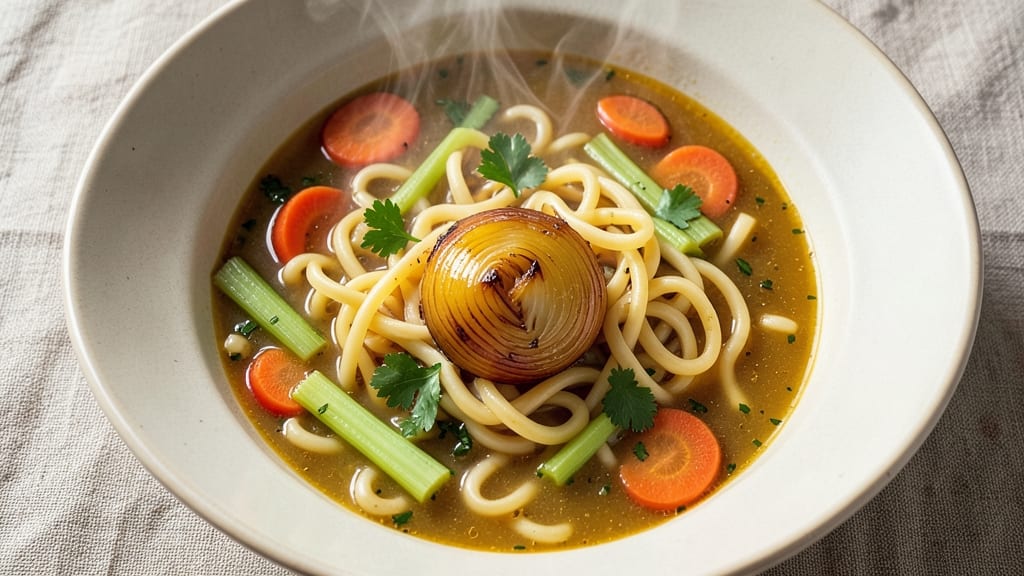
This vegetable soup with egg noodles recipe delivers one-pot comfort in just 30 minutes, transforming simple ingredients into a hearty, flavorful meal that warms both body and soul.
The secret lies in building layers of umami through sautéed mushrooms and onions, then letting them meld with fresh vegetables and aromatic herbs.
I developed this recipe during chilly evenings when I craved something nourishing yet effortless—no heavy prep, no complicated techniques, just a simmering pot that fills the kitchen with inviting aromas.
The beauty of this soup is its flexibility—swap seasonal vegetables, adjust the broth to your preference, or add a splash of miso for extra depth. The egg noodles cook directly in the broth, absorbing all those rich flavors while maintaining their signature chewiness.
What you’ll end up with is a steaming bowl of soup that’s perfectly balanced: tender vegetables, hearty noodles, and a broth so flavorful you’ll want to sip it straight from the pot. It’s the kind of meal that feels like a hug on a cold day.
What makes this recipe truly special is how it combines traditional techniques with modern convenience. Sautéing the vegetables first develops their natural sweetness, while simmering everything together allows the flavors to meld into harmony. The result?
A foolproof one-pot meal that’s ready in under an hour, with minimal cleanup. Whether you’re feeding a family or treating yourself to a cozy solo dinner, this soup delivers restaurant-quality comfort without the fuss.
Best of all, it reheats beautifully, making it ideal for meal prep or leftovers. The noodles stay tender, and the broth only deepens in flavor. Here’s how to make it—simple steps, professional results, and a bowl of warmth waiting for you.
Ingredients for vegetable soup with egg noodles
Pantry staples meet fresh produce for this cozy, umami-rich vegetable soup with egg noodles.
| Ingredient | Amount | Notes |
|---|---|---|
| Vegetable Broth 💧 | 4 cups | Low-sodium preferred, homemade or quality store-bought |
| Egg Noodles 🍜 | 8 oz | Medium width, uncooked |
| Yellow Onion 🧅 | 1 whole | Medium size, diced |
| Carrots 🥕 | 2 medium | Peeled, sliced into rounds |
| Celery Stalks 🥬 | 2 whole | Trimmed, sliced thin |
| Garlic Cloves 🧄 | 3 cloves | Minced, fresh preferred |
| White Mushrooms 🍄 | 8 oz | Sliced, cremini or baby bella work too |
| Potatoes 🥔 | 1 lb | Yukon gold, diced small |
| Fresh Spinach 🌿 | 2 cups | Packed, roughly chopped |
| Tomato Paste 🍅 | 2 tbsp | Smooth, not chunky |
| Dried Thyme 🌿 | 1 tsp | Or 1 tbsp fresh thyme |
| Bay Leaves 🌿 | 2 whole | Remove before serving |
| Salt 🧂 | 1 ½ tsp | Diamond Crystal preferred |
| Black Pepper 🌶️ | ½ tsp | Freshly ground preferred |
| Olive Oil 🫒 | 2 tbsp | Extra-virgin for richness |
The broth is where the magic happens. Homemade is ideal, but Pacific Foods or Imagine low-sodium are my go-tos when I'm short on time. For the mushrooms, cremini or baby bella add deeper flavor than white, but don't skip them entirely—those earthy notes are essential. The potatoes? Yukon golds stay creamy while holding their shape, but russets work too if that's what you've got. Look for firm, unblemished potatoes with smooth skin—those are your best bet for even cooking. Fresh thyme is worth hunting down at the grocery store's produce section if you're making this on a weekend—it makes a noticeable difference.
No fresh thyme? Dried at one-third the amount works in a pinch. Short on spinach? Kale or Swiss chard hold up beautifully—just chop them finely. The tomato paste can be swapped for 1/4 cup crushed tomatoes if you're avoiding it, though it adds a nice depth. For extra umami, add 1 tsp miso paste with the tomato paste. The carrots and celery can be prepped ahead—they keep well in the fridge for 3-4 days if stored in a sealed container. And if you're using pre-diced onions or carrots from the bagged veggie section? Rinse them thoroughly—they're often coated in starch that can make your soup cloudy.
This soup tastes even better the next day—honestly, the flavors meld even more beautifully. Store leftovers in an airtight container in the fridge for up to 5 days. For freezing, portion into single-serving containers—the noodles stay tender when reheated this way. If you're prepping for a crowd, double the recipe but use a 6-quart pot—it makes a difference. And pro tip: Add a splash of broth when reheating to keep things from getting too thick.
Why You'll Love This Recipe
- Pantry Stash Magic: I swear by this one—no fancy shopping required. The second I grab onion, carrots, and celery from the crisper (the holy trinity, honestly), I know I’m 80% there. Toss them in, add broth, and those egg noodles? They turn this into a meal that feels fancy but costs less than takeout.
- Umami Bomb Combo: That caramelized onion base? Chef’s kiss. Then the celery’s earthy crunch cutting through the broth—it’s like a flavor hug. And when those egg noodles get tender? The way they soak up every last drop of savory goodness? I’ll take that over bland any day.
- Lunchbox Hero: Between us, this is my go-to for meal prep. Double the batch, store it in jars, and boom—lunches for days. My kids grab it cold (yes, it’s still good), and I reheat portions for nights when I’m too tired to cook. The noodles hold up, and the veggies stay bright.
- Empty Wallet Winner: I make this when my grocery budget’s tight, but no one ever complains. A bag of carrots, a head of celery, an onion—all staples—and suddenly I’ve got a hearty, filling soup. The egg noodles stretch the broth just enough to feed four for under $8. Practical? Absolutely. Delicious? Ridiculously so.
Step-by-step instructions for vegetable soup with egg noodles
Here's how to create a hearty, one-pot vegetable soup that's ready in under 30 minutes.
Sauté the Vegetable Base
Heat the 2 tablespoons olive oil in a large Dutch oven or deep pot over medium heat. Add the diced yellow onion, sliced carrots, celery stalks, and minced garlic cloves. Sauté for 5-7 minutes, stirring occasionally, until the vegetables soften and the onion becomes translucent.
This foundational step develops flavor through caramelization. You'll know it's ready when the vegetables release their natural juices and the mixture smells aromatic. If the vegetables start to stick, reduce heat slightly—you want gentle cooking, not burning. Keep everything moving in the pot to ensure even browning.
Add Potatoes and Tomato Paste
Push the sautéed vegetables to one side of the pot and add the 1 lb diced potatoes to the empty space. Stir to coat them lightly with the oil and any released vegetable juices. Cook for 2-3 minutes until the potatoes begin to soften slightly.
Now stir in the 2 tablespoons tomato paste and cook for another 1 minute, allowing it to deepen in color and blend with the vegetables. The tomato paste will form a rich base for your broth, adding depth of flavor. This step is crucial for building the soup's umami foundation before adding the liquid.
Pour in Broth and Seasonings
Pour in the 4 cups vegetable broth, scraping up any browned bits from the bottom of the pot. Add the 2 whole bay leaves, 1 teaspoon dried thyme, 1.5 teaspoons salt, and 0.5 teaspoon black pepper. Bring the mixture to a gentle boil over medium-high heat, then reduce heat to medium-low and let it simmer for 10 minutes.
This simmering time allows the flavors to meld together. You'll notice the vegetables releasing more of their natural sweetness and the broth developing a richer aroma. Keep the soup at a steady simmer—not a rolling boil—to prevent the vegetables from becoming mushy. This is where the magic happens, as all the flavors begin to marry.
Add Mushrooms and Cook Noodles
Stir in the 8 oz sliced white mushrooms and cook for 5 minutes until they've softened and released their moisture. Add the 8 oz egg noodles and cook for another 8-10 minutes, stirring occasionally, until the noodles are al dente and the soup has thickened slightly.
Here's where you'll see the soup transform. The mushrooms add an earthy depth, while the noodles absorb the flavorful broth. You want the noodles to be tender but still have a slight bite—this ensures they hold up well when served. If the soup seems too thick, add a splash of water or broth to reach your desired consistency.
Finish with Spinach and Serve
In the final 2 minutes of cooking, stir in the 2 cups roughly chopped fresh spinach until just wilted. Remove the 2 bay leaves before serving. Taste and adjust seasoning if needed—this is your chance to perfect the balance of flavors.
Ladle the soup into bowls and serve immediately. The spinach wilts beautifully in the hot broth, adding a fresh contrast to the rich vegetable base. Each spoonful should deliver a perfect balance of hearty vegetables, tender noodles, and flavorful broth. This one-pot wonder is the ultimate comfort food, ready whenever you need a warm, satisfying meal.
Pro Tips For Making Vegetable Soup With Egg Noodles
- Sweat the Veggies First: Skip throwing everything in raw—sauté onions, carrots, and celery in a splash of broth or water for 5–7 minutes until softened and fragrant. I learned this the hard way: raw celery stays tough, and you’ll end up with a mushy mess if you boil it straight away. (Yes, even if you’re impatient like me.)
- Cut Carrots in Uniform Chunks: Dice carrots into ½-inch pieces, not thin matchsticks. They’ll cook evenly with celery and onions, so you’re not left with some overcooked mush and others still crunchy. My grandmother swore by this, and she was right: consistency matters more than you think.
- Salt the Broth Early: Taste and season the broth before adding noodles—adjust salt now, not later when the noodles soak up flavor. I used to wait until the end, and the soup always tasted flat. (Your future self will thank you.)
- Boil Noodles Separately: Cook egg noodles in a separate pot for 2–3 minutes less than package instructions, then drain and toss with a spoonful of broth to stop cooking. Dumping them raw into the soup will turn them to glue. Sounds weird, but it works: they’ll finish cooking perfectly in the hot broth without oversoftening.
Troubleshooting your vegetable soup with egg noodles
Mushy Vegetables
If your vegetables turn mushy, you likely simmered the soup too vigorously. The key is maintaining a gentle simmer—never a rolling boil—especially after adding the potatoes. I’ve found that medium-low heat after adding broth keeps everything tender without breaking down the texture.
For extra insurance, add potatoes in the last 10 minutes of cooking rather than at the start. 🥔
Broth Too Thin
A watery soup usually means the broth wasn’t reduced enough or the noodles released too much starch. To fix this, simmer the soup uncovered for an extra 5-10 minutes to evaporate excess liquid.
For future batches, I recommend adding the noodles 5 minutes later than the instructions suggest—they’ll absorb more broth and thicken the soup naturally. 💧
Noodles Overcooked
Egg noodles cook fast and turn mushy if left too long. The trick is stirring frequently in the last 5 minutes of cooking to prevent sticking.
If they’re already overdone, drain half the broth into a separate bowl, then return the noodles to the pot with just enough broth to coat them. The residual heat will soften them slightly without turning them to mush. 🍜
Spinach Retains Bite
Fresh spinach needs hot broth to wilt properly. If it stays crisp, stir it in 1 minute earlier during the final cooking stage. For extra tenderness, I sometimes pre-wilt the spinach in a separate pot for 30 seconds before adding it to the soup.
This ensures it blends seamlessly into the dish. 🌿
Flat or Bland Flavor
Bland soup often means the vegetables weren’t sautéed long enough to develop flavor. Next time, cook the onion, carrots, and celery for 7-8 minutes until deeply caramelized. For an instant boost, add 1 tsp miso paste or a pinch of smoked paprika when you pour in the broth.
The umami depth will transform the dish. 🌶️
Noodles Stick to Pot
Sticky noodles happen when they’re crowded or the pot isn’t large enough. Always use a 6-quart pot for this recipe—it gives the noodles room to move. If they stick, gently scrape the bottom with a wooden spoon and add 2 tbsp water to loosen them.
Stirring occasionally prevents clumping and ensures even cooking. 🔥
Nutrition facts
Frequently asked questions
Can I use fresh pasta instead of egg noodles?
Fresh pasta like fettuccine or tagliatelle works beautifully—just reduce the cooking time to 6-8 minutes since fresh pasta cooks faster than dried. For extra flavor, toss the cooked noodles with a little olive oil and garlic before adding them to the soup. The texture will be slightly silkier than egg noodles but equally delicious.
How can I make this soup vegan?
Swap the egg noodles for rice noodles or chickpea pasta, and use vegan vegetable broth (like Pacific Foods or homemade). Add 1 tbsp nutritional yeast when sautéing the vegetables for a cheesy flavor. The umami from mushrooms and tomato paste will still shine through!
What's the best way to store leftovers?
Let the soup cool completely, then store it in an airtight container in the fridge for up to 5 days. For freezing, portion into single servings—this prevents the noodles from getting mushy. To reheat, warm gently on the stove with a splash of broth or water. Never microwave directly from frozen.
Can I add meat to this soup?
Yes! Brown 8 oz ground turkey or Italian sausage in the pot with the onions, then proceed with the recipe. For a lighter option, try shredded rotisserie chicken at the end. The broth will still be vegetarian, but the meat adds hearty protein.
Why do my noodles turn mushy?
Overcooking is the usual culprit—egg noodles cook fast! Stir frequently in the last 5 minutes of cooking to prevent sticking. If they're already too soft, drain half the broth, return noodles to the pot with just enough broth to coat, and heat through gently. The residual heat will finish them without turning them to mush.