
Breakfast & Brunch
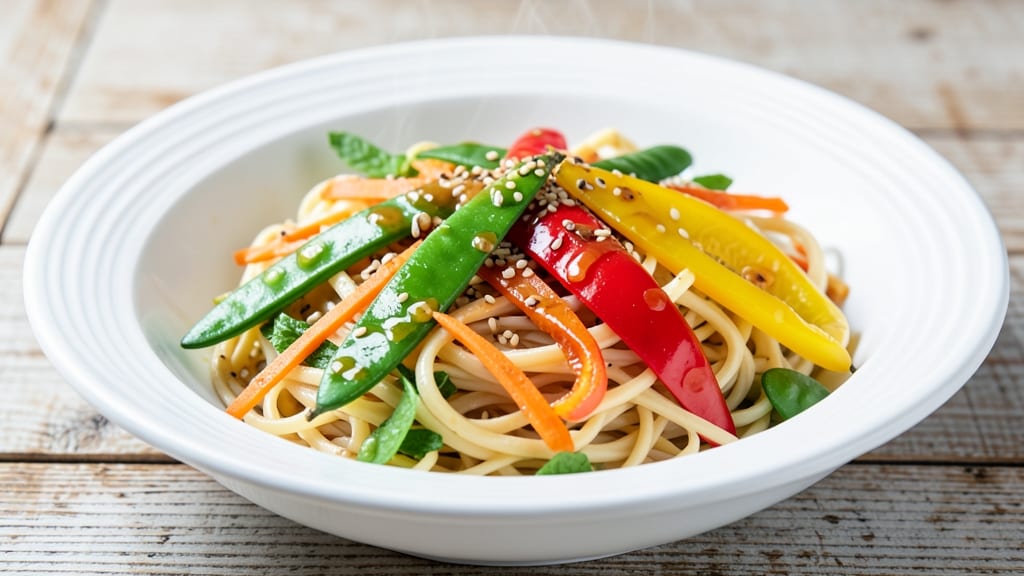
This veggie egg noodles recipe transforms simple ingredients into a satisfying stir-fry with crispy vegetables and tender egg ribbons that cling perfectly to every bite. I developed it after realizing how much flavor could be unlocked by combining stir-fried veggies with softly scrambled eggs and chewy noodles—all in one pan.
The technique is straightforward but delivers restaurant-quality results that feel indulgent yet balanced.
The secret lies in high-heat cooking for the vegetables first, which preserves their crispy texture while building deep flavor. Eggs are added at the end, gently folded in to create delicate ribbons that soak up the savory sauce.
This method ensures every component—veggies, eggs, and noodles—works together harmoniously without overpowering each other. It’s a complete dish that comes together in under 30 minutes.
What makes this recipe stand out is its versatility—it’s naturally vegetarian but easily customizable with protein like tofu or shrimp. The flavor balance is where it truly shines: savory from the stir-fry, rich from the eggs, and satisfying from the noodles.
The result is a dish that’s hearty enough for dinner but quick enough for a weeknight meal.
Perfect for meal prep or a spontaneous dinner, this recipe delivers on both nutrition and flavor. The crispy vegetables add texture contrast, while the soft egg ribbons create a luxurious feel. Ready to make this dish? Let’s get started with the ingredients and step-by-step instructions.
Ingredients for veggie egg noodles
Fresh vegetables and eggs transform into a restaurant-quality stir-fry with perfect crispy texture and savory depth.
| Ingredient | Amount | Notes |
|---|---|---|
| Large Eggs 🥚 | 4 whole | Room temperature for even cooking |
| Egg Noodles 🍜 | 8 oz | Fresh or dried, cooked al dente |
| Bell Peppers 🌶️ | 1 ½ cups | Assorted colors, sliced into strips |
| Carrots 🥕 | 1 medium | Julienned into matchsticks |
| Carrots 🥕 | 1 cup | Julienned into matchsticks |
| Snow Peas 🌱 | 1 cup | Trimmed, whole pods |
| Green Onions 🧅 | 3 whole | White and green parts separated |
| Sesame Oil 🫒 | 1 tbsp | Toasted sesame flavor preferred |
| Low-Sodium Soy Sauce 🥢 | 2 tbsp | High-quality, reduced-sodium |
| Vegetable Oil 🫒 | 2 tbsp | High smoke point for stir-frying |
| Garlic Cloves 🧄 | 3 cloves | Minced, fresh preferred |
| Ginger Root 🌿 | 1 tbsp | Freshly grated, finely minced |
| Salt 🧂 | ½ tsp | Diamond Crystal preferred |
| Black Pepper 🌶️ | ¼ tsp | Freshly ground for best flavor |
| Sesame Seeds 🌾 | 1 tbsp | Toasted for garnish |
The vegetables are the foundation of this dish, so prioritize freshness and crispness. Bell peppers should be vibrant and firm, while carrots should snap when cut—no rubbery or limp produce. For the best texture, julienne the carrots and slice the peppers uniformly. Snow peas should be bright green and tender, not woody. I source my vegetables from local farmers markets or the produce section at Whole Foods, where quality is consistently high. The green onions add freshness, so separate the white and green parts—the whites cook down into flavor, while the greens add brightness at the end.
No sesame oil? Toasted peanut oil works as a substitute, though the flavor profile shifts slightly. Short on snow peas? Substitute with snap peas or thinly sliced zucchini—just reduce cooking time by a minute. For the soy sauce, low-sodium options prevent over-salting, but you can use regular soy sauce if you reduce the amount by half. The garlic and ginger are non-negotiable for flavor—freshly minced releases the most aroma. If you're prepping ahead, store the vegetables in airtight containers with a paper towel to absorb moisture, keeping them fresh for up to 5 days in the fridge.
This dish reheats beautifully—microwave for 1-2 minutes with a splash of water to restore crispiness. For meal prep, store components separately: cooked noodles, stir-fried vegetables, and scrambled eggs can be combined when ready to eat. The eggs should be freshly scrambled just before serving to maintain their delicate texture. Garnish with toasted sesame seeds for added crunch and visual appeal. Leftovers keep for 3-4 days in the refrigerator, though the texture may soften slightly.
Why You'll Love This Recipe
- No Chopping Struggle: I’ll be real—this recipe only needs two veggies chopped (bell peppers and carrots), and even then, you can use pre-diced if you’re in a rush. The eggs and noodles handle the heavy lifting while you stir.
- Crispy Egg Magic: That first crack of the egg into the hot pan? Pure satisfaction. The edges get golden and crunchy while the centers stay tender—like a little breakfast-for-dinner surprise in every bite.
- Lunchbox Hero: Between us, this is my go-to for meal prep. Toss leftover noodles with a little soy sauce and sesame oil, and it’s a hearty lunch that kids (and adults) actually eat. No sad, soggy sandwiches here.
- Pantry-Proof Budget Win: Eggs, noodles, and basic veggies? This feeds four for under $8. Honestly, it’s the kind of recipe that makes grocery day feel like a victory—especially when you’re stretching meals for the week.
Step-by-step instructions for veggie egg noodles
Transform simple ingredients into a vibrant stir-fry with perfectly crisp vegetables and tender egg ribbons.
🍳 Step 1: Prepare the Vegetable Base
Heat the 2 tablespoons vegetable oil in a large wok or skillet over medium-high heat until shimmering. Add the 1.5 cups bell peppers in even strips and stir-fry for 3-4 minutes until they begin to soften but still hold their shape. The peppers should release their natural juices, creating a sizzling sound in the pan.
Add the 1 cup julienned carrots (from the medium carrot) and 1 cup julienned carrots (from the additional cup), along with the 1 cup snow peas. Stir-fry for another 4-5 minutes until the carrots develop a slight crispness at the edges while remaining tender in the center. This balance ensures they don't turn mushy during the final cooking.
Push the vegetables to one side of the pan and add 1 tablespoon vegetable oil if needed. Add the 3 cloves minced garlic and 1 tablespoon finely minced ginger root, cooking for 30 seconds until fragrant. This quick cooking prevents the aromatics from burning while maximizing their flavor infusion into the vegetables.
🍳 Step 2: Cook the Egg Noodles Al Dente
While the vegetables cook, bring a separate pot of well-salted water to a rolling boil. Add the 8 ounces egg noodles and cook for 2 minutes less than the package instructions for al dente texture. This ensures they finish cooking perfectly in the stir-fry without becoming mushy.
Reserve ½ cup pasta water before draining, then drain the noodles and set aside. The starchy water will help create a silky sauce when combined with the soy sauce later. Don't rinse the noodles—this removes the surface starch needed for proper sauce adhesion.
🍳 Step 3: Create Silky Egg Ribbons
In a separate bowl, whisk together the 4 whole large eggs with 2 tablespoons low-sodium soy sauce, 0.5 teaspoon salt, and 0.25 teaspoon black pepper until completely combined. The eggs should be at room temperature for even cooking—this prevents uneven curdling when they hit the hot pan.
Heat 1 tablespoon vegetable oil in a clean skillet over medium-low heat. Pour in the egg mixture and gently swirl the pan to create thin, even ribbons. Cook for 2-3 minutes until the eggs are just set but still slightly runny in the center. Remove from heat and set aside, covering loosely with a lid to keep warm.
🥘 Step 4: Combine and Finish the Stir-Fry
Return the cooked vegetables to the wok and add the 2 tablespoons low-sodium soy sauce along with 1 tablespoon sesame oil. Stir well to coat the vegetables evenly, then add the ½ cup reserved pasta water to create a glossy, silky sauce. Toss everything together for 1 minute until the sauce clings to the vegetables.
Add the cooked egg noodles and the egg ribbons to the wok, tossing gently to combine. Cook for an additional 1-2 minutes just to heat through. The residual heat from the pan will finish cooking the egg ribbons while keeping the noodles perfectly al dente.
🍽️ Step 5: Garnish and Serve Immediately
Divide the stir-fry among four serving plates. Garnish each portion with 1 tablespoon toasted sesame seeds and the white and green parts of 3 whole green onions, sliced separately. The sesame seeds add a nutty crunch while the green onions provide a fresh, bright contrast to the rich flavors.
Serve immediately while the vegetables maintain their crisp-tender texture and the egg ribbons remain silky. Each bite should deliver a perfect balance of textures—crisp vegetables, tender noodles, and delicate egg—all bound together by the savory soy-ginger sauce.
Pro Tips For Making Veggie Egg Noodles
- Boil Noodles Separately: I learned this the hard way—tossing raw noodles into the veggie stir-fry makes them gummy. Cook them al dente in salted boiling water (about 2 minutes less than package says), drain, and rinse briefly with cold water to stop cooking. This keeps them firm and ready to soak up the egg sauce without turning into mush.
- Cut Veggies Small and Even: Bell peppers and carrots need to cook fast in this dish, so slice them into ¼-inch strips—thin enough to soften in 2-3 minutes. My grandmother swore by this, and she was right: uneven pieces mean some veggies get rubbery while others stay crunchy. (Yes, even if you're impatient like me.)
- Scramble Eggs Low and Slow: After burning three batches, I finally figured out: high heat makes rubbery eggs. Use medium-low heat for the egg scramble, stirring constantly with a spatula. The goal is creamy, not crispy—pull them off heat when still slightly underdone, then fold in the noodles and veggies to finish cooking together.
- Salt the Noodles Before Mixing: Skip the urge to salt the final dish—season the drained noodles right after rinsing. A pinch of salt here guarantees they’re flavorful, not bland, since the egg sauce won’t carry enough salt on its own. (Your future self will thank you for not tasting it twice and wondering why it’s boring.)
Flavor customization for this recipe
Spicy Kick
Add ½ teaspoon of chili flakes or 1 teaspoon of gochujang (Korean chili paste) to the vegetable stir-fry for a subtle heat that lingers on your tongue. For extra spice, toss in 1-2 thinly sliced Thai bird's eye chilies with the bell peppers—they’ll soften slightly but keep their fiery punch.
Balance the heat with a drizzle of 1 teaspoon honey or 1 teaspoon maple syrup at the end for a sweet-spicy contrast. 🌶️
Creamy Twist
Swap the soy sauce for 1 tablespoon of coconut aminos and stir in 2 tablespoons of coconut milk or ¼ cup of silken tofu purée when combining the vegetables. This adds a velvety richness without overpowering the dish.
Garnish with crushed peanuts for extra crunch and a nutty depth. The coconut milk also pairs beautifully with lime wedges for serving.
Umami Boost
Deepens the savory profile by adding 1 tablespoon of miso paste (white or red) to the soy sauce mixture. Stir it into the ½ cup reserved pasta water before tossing with the vegetables.
For extra umami, include 1 tablespoon of fish sauce (if vegetarian, use 1 teaspoon of mushroom powder) alongside the garlic and ginger. This elevates the dish to a restaurant-worthy depth. 💫
Herb Infusion
Brighten the dish with 1 tablespoon of fresh cilantro or 1 teaspoon of Thai basil, chopped and added to the final stir-fry. For a more robust herb profile, toss in 1 tablespoon of chopped mint leaves or 1 teaspoon of dried oregano with the vegetables.
These herbs add freshness and cut through the richness of the eggs and noodles. Pair with a squeeze of lime juice for a zesty finish.
Protein Additions
Keep it vegetarian with ½ cup of crumbled tofu or ½ cup of chickpeas, stir-fried with the vegetables for an extra protein boost. For non-vegetarians, add ½ pound of shrimp or ½ cup of diced chicken breast to the pan with the garlic and ginger.
Cook the protein until just done before adding the eggs and noodles to avoid overcooking. This keeps the dish hearty and satisfying. 💪
Sweet and Tangy
Balance the savory flavors with a touch of sweetness by adding 1 teaspoon of hoisin sauce or 1 teaspoon of teriyaki glaze to the soy sauce mixture. Finish with a drizzle of 1 teaspoon of rice vinegar or 1 teaspoon of balsamic glaze for a tangy twist.
This combination adds complexity and makes the dish even more versatile for different palates.
Nutrition facts
Frequently asked questions
Can I use fresh egg noodles instead of dried?
Fresh egg noodles work beautifully and add a richer flavor. Use about 6 ounces instead of 8 ounces dried since they're larger and cook faster. They'll also hold their shape better during stir-frying. Just reduce cooking time by 1 minute to maintain al dente texture.
How do I prevent the egg ribbons from getting rubbery?
Keep the eggs at room temperature and cook them on medium-low heat until just set but still slightly runny in the center. Overcooking causes rubberiness. Also, add them to the wok at the very end—just 1-2 minutes before serving—to keep them tender. Cover loosely while waiting to serve.
What's the best way to store leftovers?
Store components separately for best texture: cooked noodles, stir-fried vegetables, and egg ribbons in airtight containers. Reheat noodles and veggies together with a splash of water, then add fresh egg ribbons cooked separately. Leftovers keep for 3-4 days in the fridge, though the veggies may lose some crispness.
Can I make this dish gluten-free?
Yes! Use gluten-free egg noodles (like rice or corn-based) and check all ingredients for gluten. Ensure your soy sauce is tamari (gluten-free). The technique remains identical, but gluten-free noodles may require 1-2 extra minutes of cooking time. Test texture frequently to avoid overcooking.
Why are my vegetables turning mushy?
Mushy veggies usually mean overcooking or too much moisture. Cook vegetables in batches if needed, and reduce heat slightly for delicate items like snow peas. Also ensure your pan isn't overcrowded—leave space for proper air circulation. The ½ cup pasta water should be added at the very end to bind everything together.