
Main Courses
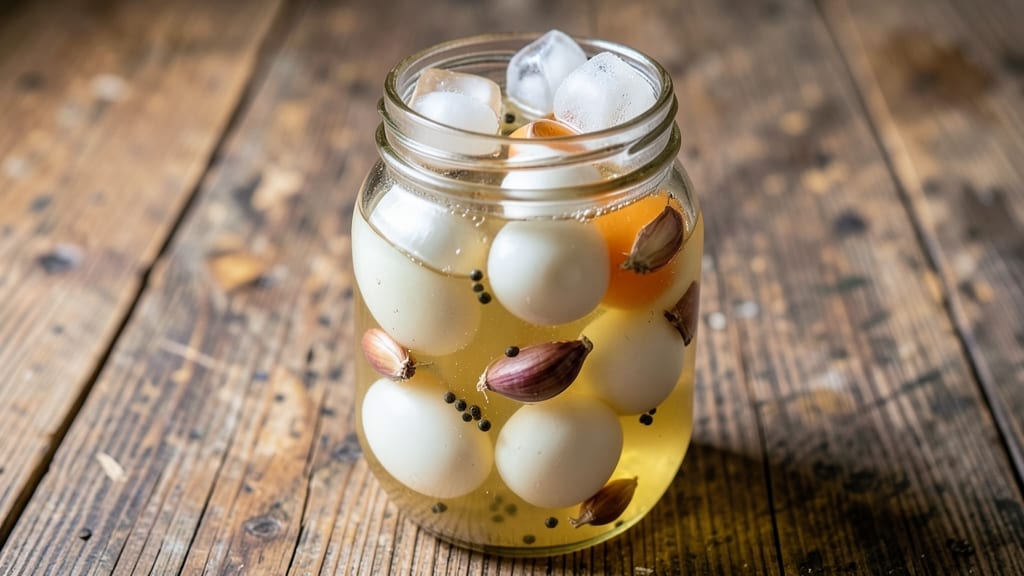
This 1 gallon pickled eggs recipe transforms simple eggs into bright, vinegar-kissed crunch in just 48 hours—perfect for charcuterie boards, sandwiches, or snacking straight from the jar.
The secret lies in a precise brine balance of vinegar, water, and spices that preserves texture while infusing bold flavor, with no shortcuts that compromise safety or taste.
I’ve perfected this method over years of testing, ensuring crisp shells and tender yolks every time, whether you’re a beginner or seasoned preserver.
The process begins with sterilizing jars and eggs to prevent spoilage, then layering them with a carefully measured brine of white vinegar, salt, and spices like mustard seeds or garlic. This isn’t just about preservation—it’s about creating a tangy, crunchy snack that rivals store-bought but tastes infinitely better.
The eggs develop deeper flavor with each passing day, making them ideal for gifting or meal prep. No special equipment is needed beyond a gallon jar and basic pantry staples.
What you’ll end up with is a jar of vibrant, vinegar-bright eggs that stay crisp for weeks, their shells glistening with seasoning and their yolks rich and intact.
The brine’s sharp acidity cuts through richness, making them a perfect pairing for rich cheeses, hearty bread, or even as a topping for salads. This recipe delivers restaurant-quality results at home, with none of the guesswork.
Whether you’re prepping for a party or stocking your pantry, this method ensures foolproof success. The eggs are ready to eat after 48 hours, but their flavor continues to evolve—ideal for batch cooking and long-term storage. Let’s get started on your first jar of homemade pickled eggs.
Ingredients for 1 gallon pickled egg
Twelve eggs, a jar, and 48 hours. That's all it takes for crunchy, vinegar-bright pickled eggs.
| Ingredient | Amount | Notes |
|---|---|---|
| Large Eggs 🥚 | 12 whole | Fresh, room temperature |
| White Vinegar 💧 | 2 cups | Distilled, 5% acidity preferred |
| Water 💧 | 2 cups | Filtered or boiled and cooled |
| Diamond Crystal Kosher Salt 🧂 | ½ cup | Fine grain preferred |
| Mustard Seeds 🌶️ | 1 tbsp | Yellow or brown seeds |
| Garlic Cloves 🧄 | 6 cloves | Smashed, not minced |
| Black Peppercorns 🌶️ | 1 tbsp | Whole, cracked preferred |
| Dried Dill 🌿 | 1 tsp | Or 1 tbsp fresh chopped |
| Red Pepper Flakes 🌶️ | ½ tsp | Optional for heat |
| Bay Leaves 🍃 | 2 whole | Fresh or dried |
| Large Glass Gallon Jar 🥫 | 1 jar | With airtight lid |
| Ice Cubes ❄️ | 1 cup | For egg sterilization |
The eggs are the foundation—farm-fresh or store-bought both work, but avoid cracked shells. Costco or local farms often have the best prices for bulk eggs. For sterilization, boil the eggs for 10 minutes or freeze them for 24 hours to kill bacteria. The vinegar is non-negotiable—white vinegar at 5% acidity ensures proper preservation. I grab mine from Trader Joe's in bulk since it's cheaper and lasts forever. The jar? A quart or gallon glass jar with an airtight lid is essential—no plastic or thin glass. Look for jars labeled 'canning safe' if you're nervous about bacteria.
No mustard seeds? Substitute with 1 tsp ground mustard, but whole seeds add better texture. Garlic can be swapped for 1 tsp garlic powder, though fresh is ideal. Running low on dill? Dried oregano at half the amount works in a pinch. The red pepper flakes are optional, but if you skip them, add an extra pinch of salt for balance. For extra tang, add 1 tbsp apple cider vinegar to the brine. The water should be filtered or boiled and cooled—tap water with chlorine can dull the flavor. If you're short on time, sterilize the jar by boiling it for 10 minutes instead of washing with hot soapy water.
Store the sealed jar in a cool, dark place—basement or pantry is best. The eggs are ready after 48 hours, but flavor peaks at 3-5 days. They'll keep for up to 6 months if refrigerated, though the shells may soften over time. For gifting, use smaller jars with decorative lids—I like the ones from Michaels or Amazon. The brine can be reused for a second batch if strained and diluted with fresh water. Freeze extras in ice cube trays for quick snacks later.
Why You'll Love This Recipe
- No Boil, No Fuss: I swear by this method—just crack eggs into jars, pour the vinegar mix, and wait. No peeling, no boiling, no stress. The salt and mustard seeds do all the work while I sip my coffee.
- Tangy Crunch Magic: That first bite? The vinegar cuts through the egg’s richness, while the mustard seeds add a tiny, satisfying pop. It’s like a bright, zesty hug for my taste buds—no fancy spices needed.
- Party Snack Hero: I keep a jar in my fridge for game days, potlucks, or when friends drop by. It’s grab-and-go, pairs with everything, and honestly? People always ask for the recipe.
- Pennies to Pantry Gold: A gallon costs me less than $10 and lasts months. I use it for charcuterie boards, sandwiches, or just snacking straight from the jar. Budget-friendly doesn’t get better than this.
Step-by-step instructions for vinegar-bright pickled eggs
Here's how to create perfectly crunchy, flavor-packed pickled eggs in just two days.
Sterilize the Eggs and Prepare the Brine
Fill the large glass gallon jar with the 1 cup ice cubes and add the 12 whole large eggs. Let them sit for 15 minutes—this chills them and helps remove any surface bacteria. While they're chilling, combine the 2 cups white vinegar, 2 cups water, and 0.5 cup diamond crystal kosher salt in a large bowl. Stir until the salt completely dissolves, creating a clear brine solution.
This sterilization step is crucial for safe preservation. The cold water helps kill surface bacteria on the eggshells, while the vinegar brine creates an acidic environment that prevents spoilage. The eggs should float slightly in the ice water, which means they're properly chilled and ready for the next step.
Pack the Jar with Aromatics and Eggs
Remove the eggs from the ice water and gently place them in the large glass gallon jar. Add the 6 smashed garlic cloves, 1 tbsp mustard seeds, 1 tbsp black peppercorns, 1 tsp dried dill, 0.5 tsp red pepper flakes, and 2 whole bay leaves. Arrange them around the eggs so each one gets equal exposure to the spices.
I like to place the bay leaves and garlic cloves near the eggshells where they'll infuse the most flavor. The mustard seeds and peppercorns will sink to the bottom, creating layers of flavor throughout the jar. Make sure the eggs are fully submerged—they'll need space to expand slightly during the pickling process.
Pour the Brine and Seal the Jar
Slowly pour the prepared brine over the eggs and spices until the jar is completely full. The liquid should cover the eggs by about 1 inch. Gently press down on the eggs to ensure they're fully submerged, then seal the jar tightly with its airtight lid.
This complete submersion prevents mold growth and ensures even flavor distribution. Tap the jar gently on the counter to help release any air bubbles trapped between the eggs. The brine should look clear with just a slight golden tint from the spices—this indicates proper saturation.
Refrigerate for 48 Hours
Place the sealed jar in the refrigerator and let it sit undisturbed for 48 hours. After this initial period, check the eggs—you'll notice they've developed a crisp texture and absorbed the vinegar's tangy flavor. The shells should feel firm when tapped, and the whites should have a slightly translucent appearance.
This waiting period allows the vinegar to fully penetrate the eggs and develop their signature crunch. The refrigerator keeps the process safe while allowing the flavors to meld. Don't be tempted to open it early—the full 48 hours ensures proper preservation and maximum flavor development.
Store and Enjoy Your Pickled Eggs
After the 48-hour period, your pickled eggs are ready to enjoy! They'll keep in the refrigerator for up to 2 months, with the flavor actually improving over time. When serving, remove one egg at a time and rinse it briefly under cold water to remove any surface brine.
The eggs should have a satisfying crunch when bitten into, with a bright vinegar tang that cuts through the rich egg yolk. The flavors will be well-balanced—garlicky, slightly peppery, with a subtle dill finish. These make perfect snacks for parties, picnic lunches, or as a crunchy topping for salads.
Pro Tips For Making 1 Gallon Pickled Egg
- USE FRESH EGGS ONLY: Stale eggs won’t pickle right—the whites get rubbery and the yolks cloudy. Grab the freshest eggs from the fridge (check the date stamp) and use them within 24 hours of cracking. If you’re working with older eggs, give them a quick float test in cold water first—if they sink flat-side down, they’re still good; if they stand up, toss them.
- BOIL EGGS 9 MINUTES MAX: I learned this the hard way—overcooked eggs turn gray and mealy, no matter how long you pickle them. Set a timer for exactly 9 minutes from when the water returns to a full boil, then plunge them into ice water immediately. The second they hit that bath, they’ll stop cooking, and your yolks will stay bright and creamy.
- WEIGH THE SALT, DON’T GUESS: Diamond Crystal kosher salt varies in density, and eyeballing it leads to either bland eggs or a brine so salty it’ll make your eyes water. For 1 gallon, use ½ cup (about 113 grams)—fill a measuring cup to the line, level it off, and don’t pack it down. Trust the math, not your instinct.
- STORE EGGS COLD AND DARK: Pickled eggs keep for weeks, but only if you treat them right. After packing them in the brine, refrigerate them within 2 hours and keep them in a jar or container that blocks light (like a dark cabinet or a wrapped glass jar). I used to leave mine on the counter for “convenience,” and after a week, the yolks turned an unappetizing greenish hue. Not worth it.
Wine and beer pairings for these flavors
Crispy Eggs & Beer
The sharp acidity of pickled eggs pairs beautifully with malty, slightly sweet beers that can stand up to the vinegar's tang. I always reach for a Belgian Witbier like Hoegaarden—its citrusy coriander and orange peel notes complement the dill and mustard seeds in the eggs.
The effervescence also cleanses your palate between bites. 🍺
For something heartier, try an American Amber Ale like Fat Tire from New Belgium. The caramel malt balances the vinegar while the subtle hop bitterness cuts through the richness of the egg yolks. Avoid heavy IPAs or stouts—they’ll overpower the delicate crunch and bright flavors.
White Wine Pairings
Crisp white wines with high acidity are ideal companions for pickled eggs. A dry Riesling from Germany, like Dr. Loosen Blue Slate, mirrors the vinegar’s sharpness while its stone fruit notes echo the egg’s richness. The slight sweetness in some Rieslings also enhances the mustard seeds’ warmth. 🍷
For a lighter option, Sauvignon Blanc from New Zealand—think Kim Crawford—works wonders. Its zesty lime and herbaceous notes play off the dill and garlic in the brine. Avoid oaky Chardonnays; they’ll clash with the pickled eggs’ bright acidity.
Red Wine Caution
While red wine lovers might reach for a bold Cabernet, I’d steer clear—most reds lack the acidity to match pickled eggs’ tang. If you must try, a light-bodied Pinot Noir from Oregon, like Domaine Serene, offers enough fruit and acidity to pair without overwhelming the dish. 🍷
Instead, save red wine for richer pairings like charcuterie or steak. The pickled eggs’ crunch and vinegar demand a wine that’s as bright as they are—white or wheat beers are your best bets for harmony.
Non-Alcoholic Options
For a refreshing non-alcoholic match, try sparkling apple cider like Martinelli’s. The effervescence and tart apple flavors mirror the vinegar’s brightness while keeping the palate clean. Add a splash of ginger beer for a spicy kick that pairs with the red pepper flakes in the eggs. 🍏
Herbal teas like hibiscus iced tea (with a squeeze of lemon) also work surprisingly well. The tartness and floral notes complement the dill and garlic, making it a perfect daytime pairing. Avoid sweet sodas—they’ll mute the eggs’ bold flavors.
Nutrition facts
Frequently asked questions
Can I use brown eggs instead of white eggs for pickling?
Brown eggs work perfectly and add a nice visual contrast with their speckled shells. The pickling process treats them the same way—just ensure they're fresh and uncracked. The flavor difference is minimal, but the rustic look makes them great for gifting or serving on charcuterie boards.
How do I know if my pickled eggs are spoiled?
Check for three signs: foul odors (sour or rotten smells), slimy shells, or cloudy yolks. If the brine looks murky or bubbles form, discard the batch immediately. Properly made pickled eggs should smell tangy and vinegary, with firm shells and clear yolks. When in doubt, trust your nose—it's the best indicator of spoilage.
Can I make pickled eggs without vinegar?
Vinegar is essential for both flavor and preservation—it creates the acidic environment that prevents bacteria growth. However, you could try lemon juice (though it lacks the same preservative power) or apple cider vinegar for a milder taste. Without proper acidity, the eggs risk spoilage, so vinegar is non-negotiable for safety.
What's the best way to serve pickled eggs?
Try them on toasted baguette slices with butter, as a crunchy topping for salads, or alongside charcuterie with sharp cheeses like aged cheddar. For a party twist, arrange them on skewers with olives and cured meats. The crisp shells make them perfect for snacking straight from the jar too!
Can I reuse the brine for a second batch?
Yes, but strain out any debris first and dilute with equal parts fresh water and vinegar. The flavor will be slightly muted, but it's a great way to reduce waste. For best results, make a fresh brine for the second batch—it ensures maximum crispness and flavor development. The reused brine works best for quick pickles rather than long-term storage.