
Breakfast & Brunch
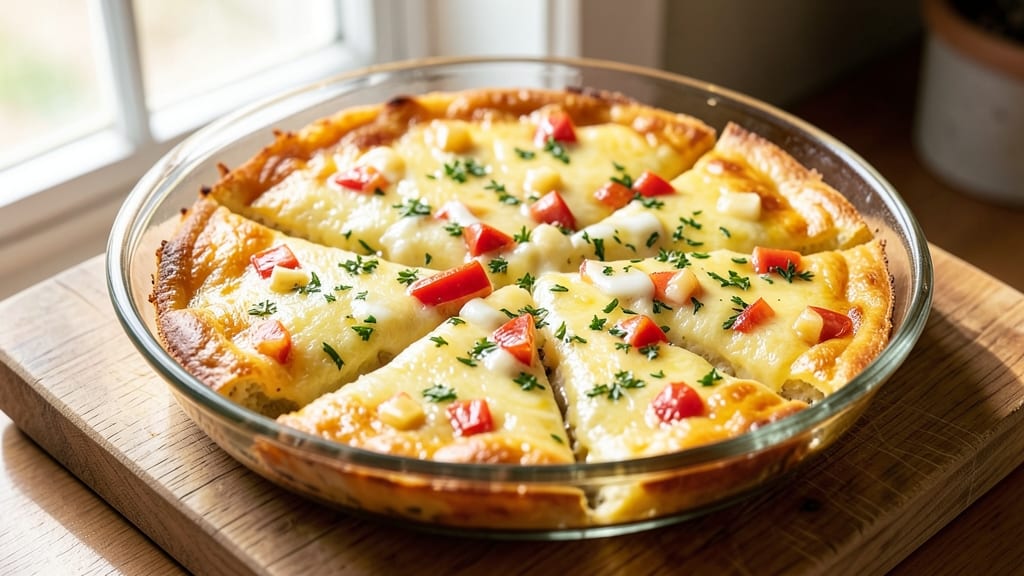
This 10-egg frittata recipe transforms simple ingredients into a restaurant-worthy breakfast with a golden crust and fluffy herb-infused heart. The secret lies in proper egg whisking and layering fillings for even cooking—no flipping required.
I've perfected this technique after years of trial and error, ensuring every bite delivers that perfect balance of tender eggs and savory flavors.
What sets this frittata apart is its foolproof method that works even for beginners. You'll start with whisked eggs and cheese, then layer in your choice of fillings before baking until the top is golden and the center just set.
The result is a cloud-like texture with a crispy exterior that holds up beautifully when sliced. This recipe serves 6-8, making it ideal for brunch or meal prep.
The key to success is low-and-slow baking in a preheated oven, which allows the eggs to cook evenly without drying out. Fresh herbs like parsley or chives add brightness, while crispy bacon or sautéed vegetables provide depth.
Once out of the oven, the frittata rests briefly, letting the flavors meld and the texture firm up just right.
Serve this frittata warm with a side of roasted vegetables or a simple arugula salad for a complete meal. The golden crust and tender interior make it equally impressive for breakfast or dinner gatherings. Here's how to achieve perfect results every time.
Ingredients for 10 egg frittata
Ten eggs, fresh herbs, and a golden crust—this frittata delivers restaurant-quality breakfast without the fuss.
| Ingredient | Amount | Notes |
|---|---|---|
| Large Eggs 🥚 | 10 whole | Room temperature preferred |
| Shredded Sharp Cheddar Cheese 🧀 | 1 ½ cups | Freshly shredded for best melt |
| Unsalted Butter 🧈 | ½ cup | Cold, cubed for crust |
| Fresh Parsley 🌿 | ¼ cup | Chopped, stems removed |
| Fresh Chives 🌿 | ¼ cup | Thinly sliced |
| Red Bell Pepper 🍅 | 1 whole | Diced, seeds removed |
| Yellow Onion 🧅 | 1 whole | Diced, medium size |
| Garlic Cloves 🧄 | 4 cloves | Minced, fresh preferred |
| Salt 🧂 | 1 ½ tsp | Kosher or sea salt |
| Black Pepper 🌶️ | 1 tsp | Freshly ground |
| Heavy Cream 🥛 | ¼ cup | Optional for richness |
| Olive Oil 🫒 | 1 tbsp | For greasing pan |
The eggs are non-negotiable—use large eggs for best texture, and let them sit at room temperature for 30 minutes before whisking. Trader Joe's or Costco sell them in bulk for better value. For the cheese, sharp cheddar melts beautifully, but Gruyère or Monterey Jack work too. Fresh herbs like parsley and chives add that bright, herbaceous note that makes this frittata stand out—buy them in small bunches and use within 3 days for peak freshness. The bell pepper and onion should be vibrant, not limp or discolored.
No parsley? Fresh cilantro or basil work in a pinch, though the flavor will differ slightly. The heavy cream is optional but adds luxurious richness—substitute with extra milk if you prefer a lighter texture. For the bell pepper and onion, roasted versions add sweetness and depth, but raw diced works perfectly fine. If you're short on time, pre-chopped frozen veggies (like bell peppers or onions) save prep work without sacrificing flavor. The garlic cloves can be jarred minced garlic if fresh isn't available, though fresh is always better.
Prep all your fillings before starting—this keeps everything organized and ensures even cooking. The frittata reheats beautifully, so make a double batch and store leftovers in the fridge for up to 4 days. For best results, slice and serve warm, but it also holds up well for meal prep. The butter cubes for the crust can be pre-melted and brushed on the top for extra crispiness, or keep them cold for a flakier texture. Store any unused herbs in a damp paper towel-lined bag in the fridge to keep them fresh longer.
Why You'll Love This Recipe
- One-Pan Magic: I swear by this recipe—just eggs, cheese, and herbs in one skillet. No extra dishes, no stress, and that golden crust? It happens almost by itself.
- Cheese Pulls Hard: Sharp cheddar melts into gooey pockets while the edges stay crisp. Add fresh parsley and chives at the end, and suddenly, it’s restaurant-quality without the fuss.
- Meal Prep MVP: Slice it up, and you’ve got breakfast for days. I pack it in lunches all week—still warm, still delicious, and no one complains about leftovers.
- Budget Breakfast: Ten eggs stretch into a hearty meal for four, and the cheese makes it feel special. Honestly, I’ve never spent less than $5 on a dish that tastes this satisfying.
Step-by-step instructions for 10-Egg frittata
A perfect frittata requires careful layering and precise timing. Here's how to create a golden, cloud-like center with a crisp exterior.
Sauté the Vegetable Base
Heat the 1 tablespoon olive oil in a 10-inch oven-safe skillet over medium heat. Add the diced red bell pepper, yellow onion, and 4 minced garlic cloves, cooking for 5-6 minutes until the vegetables soften and the onion becomes translucent. I press down occasionally with a spatula to ensure even browning.
Add the 1.5 teaspoons salt and 1 teaspoon black pepper now—seasoning the vegetables early helps distribute flavor evenly throughout the frittata. Remove the skillet from heat and set aside while you prepare the egg mixture. This step builds the flavor foundation that carries through the entire dish.
Whisk the Egg Mixture
In a large bowl, whisk together the 10 large eggs until the yolks and whites are fully combined. Add the 1.5 cups shredded sharp cheddar cheese, 0.25 cup heavy cream (if using), 0.25 cup chopped parsley, and 0.25 cup sliced chives, whisking until the cheese is evenly distributed. The mixture should be smooth with no visible cheese chunks.
I like to season this mixture with an extra pinch of salt and pepper—this accounts for any variations in the pre-seasoned vegetables. The heavy cream adds luxurious richness, but you can omit it if you prefer a lighter texture. This is where the magic happens: the eggs will transform from liquid to perfectly set with a tender, custardy center.
Assemble and Cook on the Stovetop
Return the skillet to medium-low heat and pour the egg mixture evenly over the sautéed vegetables. Use a spatula to gently spread the eggs to the edges of the pan, creating an even layer. Sprinkle the remaining 0.5 cup unsalted butter (cubed) evenly over the top—this will create the signature golden crust.
Let the frittata cook undisturbed for 5-7 minutes until the edges begin to set and the bottom develops a light golden color. This is the critical stage where the eggs start to firm up without overcooking. I resist the urge to peek too early—the steam needs time to work its magic and create that signature cloud-like center.
Finish in the Oven
Transfer the skillet to a preheated 375°F oven and bake for 12-15 minutes until the top is golden brown and the center is just set. You'll know it's done when the edges pull away slightly from the pan and the top has a crisp, caramelized crust. The butter will melt and create that beautiful golden finish we're after.
If you prefer a softer center, pull it out at 12 minutes—it will continue cooking as it rests. For a firmer texture, go the full 15 minutes. The key is to watch for the visual cues rather than relying strictly on time, as oven temperatures can vary.
Rest and Serve
Remove the frittata from the oven and let it rest for 5 minutes before attempting to slice. This resting period allows the internal structure to firm up slightly, making it easier to serve without breaking apart. I find that using a thin, sharp knife makes all the difference—it glides through the set eggs without tearing.
Slice into 6 equal wedges and serve immediately. The contrast of the crisp golden top with the creamy, herb-infused center makes every bite satisfying. For best results, serve with a simple arugula salad or crusty bread to soak up any extra egg mixture. Leftovers keep well in the refrigerator for up to 3 days—just reheat in the oven at 350°F until warmed through.
Pro Tips For Making 10 Egg Frittata
- CRANK THE HEAT FIRST: I used to start frittatas on medium, and they’d end up gummy in the middle no matter how long I cooked them. Now I blast the pan on high for 30 seconds with butter until it’s foaming—this guarantees a crisp bottom before the eggs even hit the pan.
- SALT THE EGGS: Sharp cheddar’s already salty, but unsalted butter and fresh herbs won’t cover it. Whisk the eggs with 1½ teaspoons of salt (yes, even if the recipe says less)—it makes the cheese taste brighter and cuts through the richness.
- STOP WHEN IT’S SOFT: A frittata’s done when the center’s still slightly jiggly, not rock-solid. I learned this after overcooking one into rubbery disaster—pull it off heat when the edges lift easily and the top’s set but not dry.
- CHIVES UP FRONT: Sprinkle half the chives into the eggs before cooking—they’ll soften and blend in, giving every bite flavor. Save the rest for topping so you get that fresh, bright finish without wilting. (Trust me, the difference is noticeable.)
Make-ahead tips for this recipe
Prep Ahead Strategy
Assemble your frittata filling the night before for a stress-free morning. Chop all vegetables, mince the garlic, and grate the cheese, then store them in separate airtight containers in the fridge.
This saves 20-30 minutes of prep time on busy mornings. I like to use quart-sized glass containers from Rubbermaid—they stack neatly and keep ingredients fresh. 📅
Overnight Egg Prep
Whisk your eggs and mix in the cheese, herbs, and any optional heavy cream the evening before. Store the mixture in a sealed container in the fridge for up to 12 hours. When ready to cook, whisk again briefly to redistribute any separated ingredients.
This method ensures your eggs are at room temperature when you're ready to cook, which improves texture. I always label my containers with the date to track freshness.
Freezer-Friendly Method
For true meal prep convenience, assemble the frittata completely in your oven-safe skillet, then refrigerate it uncovered for 30 minutes to firm up slightly. Wrap tightly in plastic wrap and store in the freezer for up to 2 months.
When ready to eat, thaw overnight in the fridge, then reheat in a 350°F oven for 20-25 minutes until warmed through. The texture remains surprisingly tender when reheated properly.
Portion Control
Divide your frittata into individual portions before freezing for perfect single-serving meals. Use a sharp knife to cut into 6 wedges and wrap each portion tightly in parchment paper before freezing. This prevents freezer burn and makes reheating individual servings effortless.
I keep these in a labeled freezer bag with the date for easy tracking. Each portion reheats beautifully in 90 seconds in the microwave on medium power.
Make-Ahead Serving Tips
When reheating make-ahead frittatas, always cover with a damp paper towel to prevent drying. For best results, I recommend oven reheating at 350°F for 15 minutes—this restores the crispy top and creamy center. Add a splash of milk or water if the texture seems dry after reheating.
Garnish with fresh herbs right before serving to maintain vibrant color and flavor. This technique works equally well for breakfast or dinner gatherings. ✨
Nutrition facts
Frequently asked questions
Can I make this frittata in a non-stick skillet?
Yes, but avoid overgreasing the pan. A 10-inch oven-safe non-stick skillet works perfectly—just use 1 teaspoon olive oil instead of 1 tablespoon to prevent excess oil from pooling. The non-stick surface helps release the frittata more easily when slicing.
What's the best way to adjust this recipe for 2 people?
Reduce the eggs to 5 large eggs and halve all other ingredients (cheese, butter, veggies, etc.). Use a 7-8 inch oven-safe skillet and cook at 375°F for 10-12 minutes in the oven. The smaller size ensures even cooking without drying out.
Why did my frittata turn out rubbery?
Overcooking is the most common cause. Remove the frittata from the oven when the center is just set (it'll firm up while resting). Also, avoid stirring the eggs after pouring—they need to set undisturbed. For extra tenderness, reduce oven time by 2 minutes next time.
Can I substitute heavy cream with something else?
Use ¼ cup milk for a lighter texture or 2 tablespoons sour cream for tangy richness. If you're avoiding dairy, ¼ cup unsweetened almond milk works too—just add ½ teaspoon vanilla extract for flavor. The key is maintaining the same liquid-to-egg ratio.
How do I make this frittata ahead for brunch?
Assemble completely in the skillet, then refrigerate uncovered for 30 minutes to set slightly. Wrap tightly in foil and refrigerate for up to 2 days or freeze for 2 months. Reheat at 350°F for 15 minutes—add a splash of milk if it seems dry. Garnish with fresh herbs just before serving.