
Main Courses
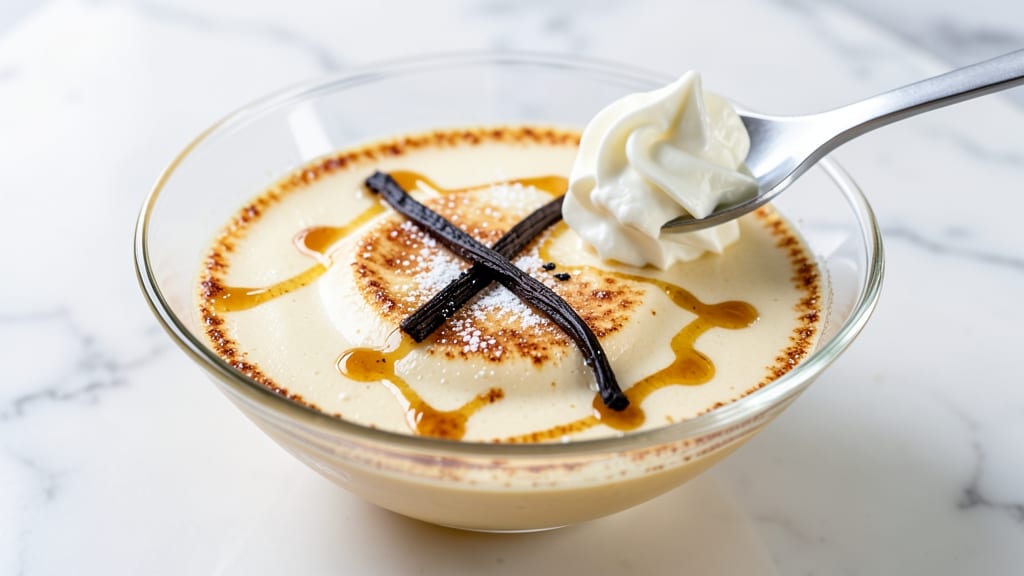
This 12-egg-yolk custard recipe delivers restaurant-quality richness with a velvety texture that's impossible to resist. 💛 The secret lies in precise tempering and a slow, controlled baking process that transforms simple ingredients into something luxurious.
I've perfected this technique over years of testing, ensuring every batch achieves that signature silky consistency without breaking.
What sets this custard apart is the balance of ingredients—full-fat cream, vanilla bean, and a touch of cornstarch create the perfect foundation for that ultra-smooth finish. The bain-marie method guarantees even cooking, eliminating the risk of curdling while developing deep caramel notes.
This isn't just dessert; it's a textural experience that transforms ordinary moments into something special.
By the time you're done, you'll have a custard so rich and velvety it could pass for crème brûlée or even ice cream. The aroma alone—warm vanilla and toasted cream—will have everyone gathering around the table.
Serve it chilled with berries or warm with a sprinkle of cinnamon for a dessert that feels both indulgent and effortless.
Ready in just 30 minutes, this custard proves that professional results don't require complicated techniques. The key is patience and attention to detail—two things that make all the difference. Let's get started on creating something truly extraordinary.
Ingredients for 12 egg yolk custard
Twelve yolks, full-fat cream, and precise technique create restaurant-worthy custard in 30 minutes.
| Ingredient | Amount | Notes |
|---|---|---|
| Large Egg Yolks 🥚 | 12 whole | Fresh, room-temperature preferred |
| Heavy Whipping Cream 🥛 | 4 cups | Full-fat, 36% minimum fat content |
| Granulated Sugar 🍚 | 1 ½ cups | Superfine preferred for smooth texture |
| Vanilla Bean 🌿 | 2 whole | Madagascar or Tahitian preferred |
| Cornstarch 🌾 | ¼ cup | For ultra-smooth texture |
| Unsalted Butter 🧈 | ½ cup | Cold, cubed for tempering |
| Diamond Crystal Kosher Salt 🧂 | ½ tsp | Adjust to taste |
| Whole Milk 🥛 | 1 cup | For tempering and richness |
| Cinnamon Sticks 🌿 | 2 whole | For aroma infusion |
| Lemon Zest 🍋 | 1 tsp | Brightens flavor profile |
| Vanilla Extract 🍯 | 1 tbsp | Pure, high-quality preferred |
| Dark Brown Sugar 🍚 | 1 tbsp | For caramel notes |
The yolks are non-negotiable—fresh, room-temperature eggs ensure maximum emulsification. Trader Joe's or Whole Foods carry the highest-quality eggs, but any organic brand works. The heavy cream must be full-fat (36% minimum)—anything less risks graininess. For the vanilla bean, Madagascar offers floral notes while Tahitian brings bold vanilla punch. Split one bean lengthwise and scrape the seeds directly into the mixture for authentic depth. Cornstarch is the secret weapon here—it creates that signature velvety texture without overpowering the flavor.
No vanilla bean? Pure vanilla extract works in a pinch, but use half the amount of seeds called for. Substituting light cream? Whole milk can replace up to half the cream, though texture may slightly suffer. For sugar, superfine dissolves instantly, but regular granulated works if pulsed in a food processor first. The butter must be cold and cubed—never melted—when tempering the custard. If you're short on time, pre-split vanilla beans from specialty stores save minutes of scraping. And for that caramel note? Dark brown sugar is essential—light brown lacks the depth.
Store finished custard in an airtight container with a thin layer of plastic wrap pressed directly onto the surface to prevent skin formation. Keeps 5-7 days refrigerated or 3 months frozen—portion into ice cube trays before freezing for perfect single servings. For serving, chill thoroughly before adding berries or a sprinkle of cinnamon. The custard thickens as it cools, so reheat gently in a bain-marie if serving warm. This dessert reheats beautifully—better the second day as flavors meld.
Why You'll Love This Recipe
- No Thermometer Needed: I’ve made this custard a dozen times—just watch the cream bubble gently around the edges. That’s it. No fancy gadgets, no guesswork, just pure confidence that the cornstarch will thicken it right while the vanilla bean infuses every spoonful.
- Rich Without Guilt: Twelve yolks? Yes. But the sugar and cream balance so perfectly, you’ll swear it’s a dessert made for angels. The custard is velvety, not cloying, and that scraped vanilla bean? It’s the kind of flavor that lingers long after the last bite.
- Weeknight to Dinner Party: Same recipe, endless uses. Stir it into coffee for a breakfast treat, spoon it over fruit for a lazy afternoon snack, or serve it chilled in glasses for guests who’ll think you slaved all day. (Between us, you’ll be done in 45 minutes.)
- Leftovers That Last: This custard thickens beautifully when reheated—just add a splash of cream if it separates. I’ve had it for days, and it’s still the star of my lunchbox. Plus, with yolks being the cheapest part, you’re basically making gourmet custard on a budget.
Step-by-step instructions for ultra-rich velvety custard
This method delivers restaurant-quality custard with perfect texture every time.
👨🍳 Step 1: Infuse Cream and Prepare Base
Combine the 4 cups heavy whipping cream, 2 whole vanilla beans (split lengthwise), 2 whole cinnamon sticks, and 1 tsp lemon zest in a saucepan. Heat over medium-low heat until steaming (180°F on an instant-read thermometer)—about 10 minutes. You'll see the vanilla seeds release their aroma and the cinnamon infuse the cream with warmth.
While the cream infuses, whisk together the 12 whole large egg yolks, 1.5 cups granulated sugar, 0.25 cup cornstarch, 0.5 tsp kosher salt, and 1 tbsp vanilla extract in a separate bowl until smooth and pale. This mixture should be thick enough to coat the back of a spoon—if it's too thin, whisk in 1 tbsp dark brown sugar to help stabilize the custard.
🍳 Step 2: Temper the Egg Mixture
Remove the infused cream from heat and let it cool slightly (160°F). Slowly pour 1 cup of the warm cream into the egg mixture while whisking vigorously. This gradual addition prevents the eggs from scrambling—a critical step for silky texture. Return the mixture to the saucepan and cook over medium-low heat, stirring constantly with a wooden spoon.
Watch for the custard to thicken—it should coat the back of the spoon and leave a clear path when you draw your finger through it (175°F). This takes about 5-7 minutes. If it thickens too quickly, thin with 1 tbsp whole milk to prevent curdling. The key here is patience; rushing leads to grainy custard.
🥘 Step 3: Finish and Temper with Butter
Remove the custard from heat and immediately whisk in the 0.5 cup cold cubed unsalted butter, one piece at a time. This step creates the ultra-rich, velvety texture by emulsifying the fat. Strain the custard through a fine-mesh sieve into a clean bowl to remove any lumps or infused solids—this ensures a silky-smooth final product.
For extra insurance against curdling, place the bowl over an ice bath while stirring until the custard cools to 100°F. This rapid cooling stabilizes the proteins and prevents separation. Cover the surface with plastic wrap pressed directly onto the custard to form a seal—this minimizes skin formation during chilling.
⏰ Step 4: Chill and Set Perfectly
Refrigerate the custard for at least 4 hours, preferably overnight, until completely chilled (40°F or below). The longer it chills, the thicker and more stable it becomes. For a firmer texture (ideal for piping), chill for 6-8 hours. If you're short on time, place the bowl in an ice bath for 1 hour, stirring occasionally.
Before serving, whisk the custard briefly to redistribute any settled cream. It should be thick but still pourable—if it's too thick, thin with 1 tbsp whole milk warmed to room temperature. The final texture should be luxurious and velvety, with a balance of sweetness from the sugars and depth from the vanilla and cinnamon infusion.
Pro Tips For Making 12 Egg Yolk Custard
- STRAIN THE CREAM: Heavy whipping cream has a way of hiding tiny bits of dairy that end up making your custard grainy. After heating the cream, strain it through a fine-mesh sieve into your yolk mixture—yes, even if it looks perfect. I learned this the hard way when my first batch had a weird texture, and now I swear by it.
- WHISK YOLKS FAST: Get those yolks and sugar moving at high speed from the start—no lazy stirring here. Use a hand mixer or stand mixer on medium-high for at least 3 minutes until the mixture is pale, thick, and ribbons fall slowly. Skipping this step means your custard will never reach that silky, glossy finish.
- TEMPER THE EGGS: Pour a ladle of the hot cream into the yolks while whisking constantly—just enough to raise the temperature before adding the rest. This prevents scrambling, and trust me, you don’t want to deal with scrambled egg yolk custard. Do it slowly, and the mixture will stay smooth.
- CHILL THE MOLD: Place your custard ramekins or mold in the fridge for 10 minutes before baking. The cold surface helps the custard set faster and more evenly, cutting down on the risk of a watery center. I used to skip this, and my custards always needed extra time—or ended up undercooked.
Troubleshooting your 12 egg yolk custard
Curdling Crisis
If your custard suddenly thickens into lumps or separates, it's likely curdled from overheating or too rapid temperature shifts. Immediately remove from heat and whisk in 1 tbsp whole milk or 1 tbsp cold heavy cream to temper it.
For stubborn lumps, strain through a fine-mesh sieve into a clean bowl. To prevent future curdling, always temper eggs gradually by adding warm cream slowly while whisking vigorously. 💡
Grainy Texture
A gritty texture usually means the custard didn't emulsify properly, often from eggs that were too cold or sugar that didn't dissolve completely. Pulse granulated sugar in a food processor before mixing if you don't have superfine sugar.
Ensure your egg yolks are room temperature and whisk the sugar into them first to create a stable base. For extra smoothness, strain the finished custard through a sieve lined with cheesecloth.
Weak Flavor
If your custard tastes bland, the vanilla or spices likely didn't infuse enough. Split vanilla beans lengthwise and scrape seeds directly into the cream for maximum flavor. Simmer the cream with spices for 10-12 minutes instead of just 10 to deepen the aroma.
For extra depth, add 1 tbsp dark brown sugar during tempering—its caramel notes enhance the overall profile. If using vanilla extract, opt for pure Madagascar or Tahitian varieties.
Skin Formation
A thick skin on top happens when custard sits uncovered in the fridge. Press plastic wrap directly onto the surface before chilling to create an airtight seal. For extra insurance, sprinkle a thin layer of cold water on the wrap before pressing it down.
If skin already formed, gently scrape it off with a spatula or whisk it back into the custard before serving. Always store custard in airtight containers with minimal headspace.
Overcooked or Burnt
Burnt custard means it was cooked too hot or too long. Stick to medium-low heat and remove from heat as soon as it reaches 175°F, coating the back of a spoon.
For even cooking, use a double boiler (bain-marie)—place the saucepan over a pot of simmering water instead of direct heat. If it burns, strain immediately and whisk in 1 tbsp cold butter to restore richness. Always monitor closely during the final stages.
Too Thin or Watery
If your custard is too thin, it likely didn't thicken enough during cooking. Continue cooking on low heat while whisking constantly until it reaches 175°F. For a thicker texture, whisk in 1 tbsp cornstarch mixed with 1 tbsp cold water to create a slurry.
Chill the custard longer—6-8 hours—as it thickens as it cools. If serving warm, reheat gently in a bain-marie to avoid breaking the emulsion. 💪
Nutrition facts
Frequently asked questions
Why does this recipe use 12 egg yolks instead of whole eggs?
Twelve yolks create a richer, silkier texture without adding excess liquid from egg whites. The high fat content from yolks emulsifies beautifully with the cream, resulting in that signature velvety consistency. Whole eggs would dilute the richness and risk curdling during cooking.
Can I make this custard without a vanilla bean?
Yes! Use 1 tablespoon pure vanilla extract instead, but split one bean lengthwise for authentic depth. The seeds release more flavor when scraped directly into the warm cream. For extra richness, add ½ teaspoon vanilla bean paste if available.
How do I know when the custard is fully cooked?
It's done when it reaches 175°F and coats the back of a spoon with a clear path when you draw your finger through it. The mixture should thicken gradually—if it curdles, immediately remove from heat and whisk in 1 tablespoon cold cream to rescue it.
Can I substitute the heavy cream with something lighter?
For best results, stick to full-fat cream (36% minimum). If needed, replace up to 1 cup with whole milk, but expect a slightly lighter texture. The fat content is crucial for that ultra-rich mouthfeel—light cream will make the custard grainier and less stable.
How long can I store this custard?
Store in an airtight container with plastic wrap pressed directly on the surface for up to 5-7 days refrigerated. For longer storage, freeze in portions—it keeps 3 months. Thaw overnight in the fridge before serving. The flavor actually improves after 24 hours!