
Breakfast & Brunch
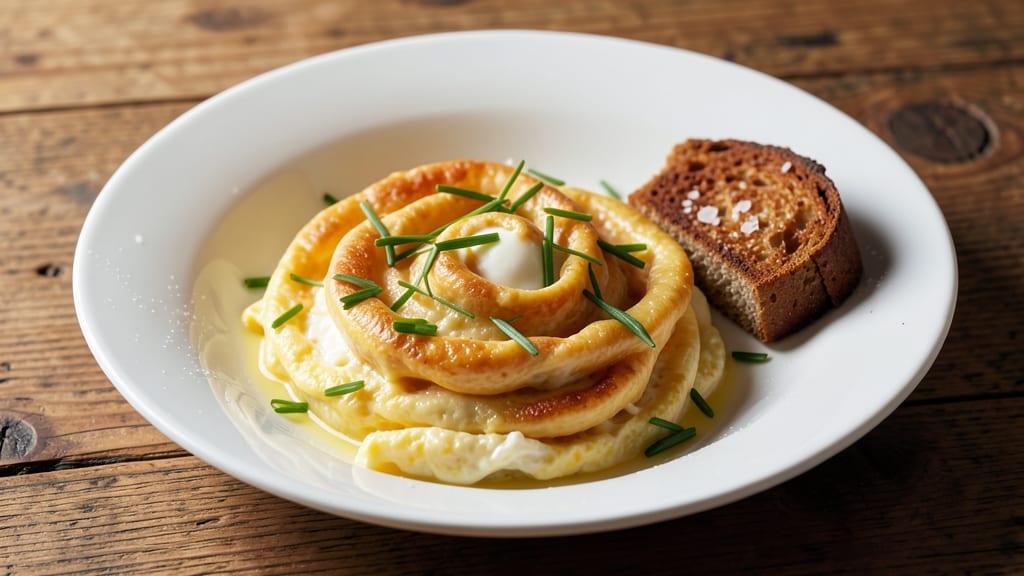
Thomas Keller’s scrambled eggs recipe transforms a simple breakfast into a restaurant-quality masterpiece with a low-and-slow technique that yields creamy, custard-like perfection. 💛 The secret lies in precise temperature control—cooking eggs gently at 200–220°F ensures tender, velvety curds without overcooking.
This isn’t your typical scrambled egg; it’s a delicate balance of texture and flavor, elevated by European butter and off-heat finishing.
What sets this method apart is Keller’s focus on technique over speed. Using high-quality butter and constant stirring creates small, tender curds that melt in your mouth. The eggs cook in a wide, shallow pan, allowing even heat distribution and a silky finish.
Unlike rushed versions, this recipe demands patience—every second counts to achieve that luxurious, almost liquid texture.
The result is a dish so refined it feels like a fine-dining experience. Serve the eggs on warm toast, garnished with fresh chives or a sprinkle of flaky salt, for a presentation that rivals a Michelin-starred brunch.
The key is temperature precision—too hot, and the eggs dry out; too cool, and they never set properly. This method delivers foolproof results every time.
Whether you’re cooking for a special occasion or treating yourself to a weekend breakfast, this recipe proves scrambled eggs can be elevated without complexity. The process is straightforward, but the outcome is transformative—proof that even the simplest dishes deserve attention to detail. Let’s get started on mastering this technique.
Ingredients for thomas keller scrambled eggs
Eight essential ingredients transform ordinary eggs into Michelin-worthy velvety perfection through precise technique and quality components.
| Ingredient | Amount | Notes |
|---|---|---|
| Large Eggs 🥚 | 8 whole | Freshly cracked, room temperature |
| European-Style Unsalted Butter 🧈 | ½ cup | High-fat content, 82% minimum |
| Diamond Crystal Kosher Salt 🧂 | ¼ tsp | Fine grain for even distribution |
| Fresh Chives 🌿 | 2 tbsp | Finely chopped, for garnish |
| Flaky Sea Salt 🧂 | 1 tsp | For finishing presentation |
| Sourdough Bread 🍞 | 4 slices | Toasted for serving |
| Heavy Whipping Cream 🥛 | ¼ cup | Optional for extra richness |
| White Wine Vinegar 🍷 | 1 tsp | For acid balance |
| High-Heat Cooking Oil 🫒 | 1 tbsp | Avocado or grapeseed preferred |
The butter is non-negotiable—European-style with 82% fat content delivers the luxurious mouthfeel Keller demands. Plugrá or Échiré brands are industry standards, but Land O'Lakes European-style works well if unavailable. Store butter in the fridge to maintain firmness, but let it sit at room temperature for 30 minutes before using. The eggs must be fresh and room temperature—crack them into a bowl first to ensure no shell fragments contaminate the delicate curds. Sourdough toast from a bakery (not pre-packaged) provides the ideal starchy base for soaking up the creamy eggs.
No European butter? Ghee or high-fat cultured butter (like Kirkland Signature) comes closest, though texture will differ slightly. Substituting margarine sacrifices the rich flavor entirely. For the vinegar, lemon juice works in a pinch, but white wine vinegar adds subtle complexity. The flaky sea salt (like Maldon) is purely for presentation—Diamond Crystal kosher salt suffices for seasoning. Heavy cream can be omitted entirely, but if used, ensure it's full-fat for proper emulsification. Prefer avocado or grapeseed oil for the initial sear—olive oil can impart bitterness at high temperatures.
Eggs should be cooked immediately after cracking—no pre-whisking to maintain curd integrity. Store butter in its original packaging in the fridge for up to 3 months, or freeze for 6 months. Fresh chives keep wrapped in damp paper towels in the fridge for 5-7 days. The toasted sourdough should be prepared just before serving to maintain crispness. Leftover eggs reheat beautifully in a dry skillet over low heat, though texture will be slightly firmer. For optimal results, preheat your pan to 200°F using a thermometer—this precision is what separates home cooks from professionals.
Why You'll Love This Recipe
- Here’s what sold me: the texture. The edges get that golden, buttery crisp while the centers stay velvety. Thomas Keller’s low-and-slow method turns scrambled eggs from a sad side dish into something that makes you pause mid-bite. (Yes, even on a Tuesday night.)
- Five-Ingredient Magic: I swear by this—just eggs, butter, salt, and chives. That’s it. No overcomplicating, no hunting for obscure spices. The butter melts into little pockets of richness, the salt cuts through just right, and the chives add a bright finish without overpowering.
- Creamy Yet Crisp: Here’s what sold me: the texture. The edges get that golden, buttery crisp while the centers stay velvety. Thomas Keller’s low-and-slow method turns scrambled eggs from a sad side dish into something that makes you pause mid-bite. (Yes, even on a Tuesday night.)
- Breakfast or Brunch Hero: Make a big batch—these eggs reheat beautifully for breakfast burritos, toast toppings, or even a fancy brunch platter. I’ve served them with crusty bread for guests and as a quick lunch the next day. They’re the ultimate crowd-pleaser without trying too hard.
Step-by-step instructions for thomas Keller's scrambled eggs
Master the technique that makes these eggs silky, rich, and perfectly balanced.
🍳 Step 1: Whisk Eggs and Butter for Emulsion
Crack the 8 whole Large Eggs into a heatproof bowl, then add the 0.5 cup European-Style Unsalted Butter and 0.25 tsp Diamond Crystal Kosher Salt. Whisk vigorously for 2-3 minutes until the mixture becomes pale yellow and nearly doubles in volume. This step creates an emulsion that prevents curdling and ensures a velvety texture.
Here's the thing—you're not just mixing, you're incorporating air. The butter should melt into the eggs completely, creating a homogeneous batter. If you see any unmelted butter, let the bowl sit for 30 seconds before whisking again. This emulsion is the foundation of Keller's signature texture.
🔥 Step 2: Heat Pan and Cook on Low Heat
Heat a 10-inch nonstick skillet over low heat (around 250°F) until it's just warm to the touch. Add the 1 tablespoon High-Heat Cooking Oil and swirl to coat. Pour in the egg mixture and let it sit undisturbed for 20-30 seconds until the edges begin to set but the center remains runny.
This is the moment that matters: patience is key. You'll see the edges turn slightly opaque while the center stays liquid. If you notice the eggs starting to brown too quickly, reduce the heat further. The goal is to cook the eggs gently so they remain silky rather than rubbery. Disturbing them too soon will create large curds instead of that signature creamy texture.
👨🍳 Step 3: Gently Fold Eggs for Uniform Texture
Using a silicone spatula, gently push the set edges toward the center while folding the uncooked egg mixture from the edges over the top. Continue this motion for 2-3 minutes, working quickly but carefully. The eggs should remain soft and custard-like, with no visible curds. If you see any forming, keep folding—they'll melt back into the creamy texture.
I press down gently on the eggs as I fold to ensure even cooking. This technique distributes heat evenly throughout the mixture, preventing any part from overcooking. You're essentially creating thousands of tiny, evenly cooked pockets of egg rather than letting them form large curds. The eggs should still be slightly underdone at this stage—they'll finish cooking from residual heat.
⏰ Step 4: Finish with Cream and Acid Balance
Remove the skillet from heat and stir in the 0.25 cup Heavy Whipping Cream and 1 tsp White Wine Vinegar. Let the eggs sit for 30 seconds, then give them one final gentle fold. The acid from the vinegar brightens the flavor while the cream adds luxurious richness. The eggs should now be perfectly set but still glossy and moist.
This final step is where the magic happens. The cream adds body while the vinegar cuts through the richness of the butter, creating a balanced flavor profile. If the eggs look slightly thick, they'll loosen up as they rest. Don't overmix here—just one final fold is all you need to distribute the cream and vinegar evenly.
🍽️ Step 5: Plate and Garnish for Presentation
Transfer the eggs to warmed plates and immediately sprinkle with 2 tbsp Fresh Chives and 1 tsp Flaky Sea Salt. Serve with the 4 slices Sourdough Bread toasted to a golden crust. The flaky salt adds a sophisticated finishing touch that complements the buttery richness of the eggs.
Here's the professional touch: the flaky salt should be distributed evenly across the surface, catching the light and adding both texture and flavor. The sourdough provides a perfect contrast to the delicate eggs—its tangy flavor and crisp texture balance the richness. Plate the eggs immediately while they're still warm for the best texture and presentation.
Pro Tips For Making Thomas Keller Scrambled Eggs
- Crack Eggs Directly In: DESCRIPTION: No pre-whisking—just crack eggs straight into the cold butter. The gentle stirring lets the yolks set first, giving you those perfect custardy ribbons. I used to whisk first, but this method keeps the eggs tender and avoids rubbery bits.
- Salt the Butter First: DESCRIPTION: Mix ½ teaspoon kosher salt into the butter before melting it—this distributes flavor evenly. I learned this after tasting eggs where the salt pooled in one spot. The butter should look speckled, not clumpy.
- Stop Stirring at 160°F: DESCRIPTION: Pull the eggs off heat when they’re just set but still slightly wobbly (use a thermometer). Overcooking turns them dry; Keller’s method relies on residual heat to finish them perfectly. I now set a timer for 2–3 minutes off heat—no guesswork.
- Chives at the End: DESCRIPTION: Fold in chives only after the eggs are off heat, or they’ll turn bitter. Sprinkle a pinch of flaky sea salt over them last—this adds texture and brightness. I used to add chives earlier and regretted the muddled flavor.
Essential equipment for great thomas keller scrambled eggs
Nonstick Skillet
You'll need a 10-inch nonstick skillet with a flat base for even heat distribution. I recommend All-Clad Stainless Steel or Demeyere for professional results, but Cuisinart MultiClad is a great budget-friendly alternative.
The nonstick surface prevents sticking while allowing you to use less oil, which preserves the delicate flavor of the butter. Make sure your pan is completely clean and dry before starting—any residue can cause the eggs to stick or burn. 🔥
Thermometer
A kitchen thermometer is absolutely essential for achieving Keller's perfect 200-220°F range. I use a Thermoworks ThermoPop—it's affordable and accurate. Place the probe in the pan to monitor temperature constantly.
Without precise control, eggs can easily overcook or undercook. The thermometer ensures your pan stays at the ideal temperature throughout the entire process, which is critical for that signature velvety texture.
Silicone Spatula
Your silicone spatula should be flexible and heat-resistant—I prefer OXO Good Grips for its durability. The silicone won't scratch your nonstick pan and allows you to gently fold the eggs without tearing the delicate curds.
A stiff metal spatula can damage the pan's surface and create uneven texture. Keep your spatula clean during cooking to prevent any food particles from contaminating the eggs.
Heatproof Bowl
Use a heatproof glass or stainless steel bowl to whisk the eggs and butter. I recommend Pyrex or Le Creuset for their heat resistance and durability. The bowl should be large enough to hold all ingredients comfortably without spilling.
A glass bowl lets you see the emulsion forming as you whisk, which helps you judge when it's ready. Keep the bowl at room temperature before starting—cold bowls can cause the butter to solidify prematurely.
Whisk
A balloon whisk is ideal for creating the proper emulsion. I use a Cuisinart Chef's Classic because its wire design incorporates air efficiently. The whisk should be sturdy to handle vigorous whisking without bending. Proper whisking is what creates the air pockets that make these eggs so light and tender.
If your whisk isn't up to the task, you'll end up with dense, rubbery eggs instead of the silky texture Keller achieves.
Optional: Infrared Thermometer
For serious home cooks, an infrared thermometer (like Kizen) lets you check pan temperature without touching it. This is especially useful for maintaining precise heat control when cooking multiple batches.
The infrared thermometer measures surface temperature, which correlates closely with the actual cooking temperature. While not essential, it adds another layer of precision for perfect results every time. 💡
Nutrition facts
Frequently asked questions
Why does Thomas Keller's method use so much butter?
The 0.5 cup European-style butter creates a luxurious mouthfeel and prevents dryness during cooking. Butter's high fat content (82% minimum) melts slowly, coating each egg curd for a velvety texture. This isn't about excess—it's about achieving that signature custard-like consistency that defines Keller's technique. The butter also adds natural richness that complements the eggs' delicate flavor.
Can I make these scrambled eggs without a thermometer?
Yes, but with caution! Aim for a pan that's warm to the touch but not hot—about medium-low heat. The eggs should set gently at the edges while staying liquid in the center. If they brown too quickly, reduce heat immediately. For best results, use a nonstick pan and monitor closely. The ideal temperature is 200-220°F, but visual cues work for beginners.
What's the secret to getting that creamy texture?
Three key factors: low heat, constant gentle folding, and off-heat finishing. The slow cooking prevents water evaporation that causes dryness. Folding creates thousands of tiny curds instead of large ones. Removing from heat at the last moment lets residual heat finish cooking while keeping the texture silky. The heavy cream and vinegar in the final step add body and balance.
How do I fix scrambled eggs that turned out rubbery?
If your eggs are dry, try this: Place them in a lightly oiled skillet over low heat with 1 tablespoon heavy cream. Cover for 1-2 minutes to steam them gently. Stir occasionally until they regain moisture. For future attempts, ensure your pan isn't too hot and fold the eggs constantly. The key is patience—rushing causes rubbery texture. A splash of warm milk also works to restore creaminess.
Can I make these eggs ahead of time?
These eggs are best served immediately, but you can prepare components ahead. Whisk the egg-butter mixture up to 24 hours ahead and store in the fridge. Reheat gently in a dry skillet over low heat, adding a splash of cream to restore moisture. For the toast, make it fresh before serving. The eggs reheat best when still warm from the fridge—never microwave, as it creates a gummy texture. The final plating should always be done fresh for optimal presentation.