
Desserts
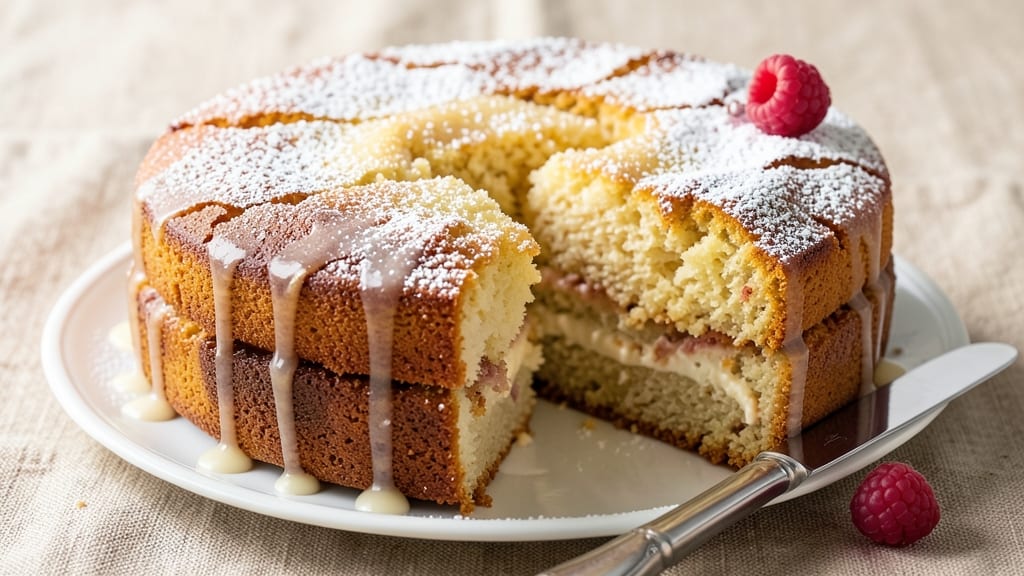
This 3-egg pound cake recipe delivers layers of buttery vanilla perfection with a tender crumb and golden crust that’s impossible to resist. The secret lies in the precise balance of ingredients—just enough butter for richness, eggs for structure, and a touch of sour cream for moisture without heaviness.
After years of testing, I’ve perfected a method that ensures every slice stays moist for days, making it ideal for special occasions or a simple afternoon treat.
What sets this recipe apart is its simplicity—no fancy techniques, just a straightforward approach that guarantees perfect results every time. The cake bakes in a single layer at 325°F for about 40 minutes, yielding a tender yet sturdy crumb with just the right amount of give.
The vanilla extract infuses deeply, while a pinch of salt enhances all the sweetness, creating a flavor profile that’s both comforting and elegant.
Once baked, the cake’s edges turn a beautiful golden brown, while the center remains soft and inviting. Dust it with powdered sugar for an instant finish, or serve it warm with a pat of butter melting on top.
This is the kind of cake that pairs effortlessly with a cup of coffee or tea, offering a taste of homestyle baking without the fuss.
For added flair, consider swirling in chocolate or citrus zest before baking, or layering it with cream cheese frosting for a decadent twist. The possibilities are endless, but the foundation—this 3-egg pound cake recipe—remains foolproof. Let’s get baking!
Ingredients for 3 egg pound cake
Buttery richness meets tender vanilla perfection in this classic pound cake—just eight ingredients for golden layers.
| Ingredient | Amount | Notes |
|---|---|---|
| Unsalted Butter 🧈 | 1 cup | Cold, cubed for even mixing |
| Granulated Sugar 🍚 | 2 cups | Superfine preferred for smoothness |
| Large Eggs 🥚 | 3 whole | Room temperature for even baking |
| All-Purpose Flour 🌾 | 2 ½ cups | Sifted for light texture |
| Vanilla Extract 🌿 | 1 tbsp | Pure extract, not imitation |
| Sour Cream 🥛 | ½ cup | Full-fat for moisture |
| Baking Powder 🌶️ | 2 tsp | Freshly measured |
| Salt 🧂 | ½ tsp | Fine sea salt preferred |
| Milk 🥛 | ½ cup | Room temperature |
| Powdered Sugar 🍚 | ¼ cup | For dusting finished cake |
The butter is non-negotiable here—unsalted, cold, and cubed for optimal flavor and texture. Land O'Lakes or Plugrá are reliable brands, but any quality unsalted will do. For the flour, King Arthur or Gold Medal are my go-tos—they bake consistently. The vanilla extract should be pure, not imitation; McCormick or Nielsen-Massey are trusted names. Sift the flour and baking powder together to avoid lumps, and measure the sugar accurately—this cake relies on precision for its perfect crumb.
No vanilla extract? Vanilla bean paste works too, though the flavor won't be identical. Short on sour cream? Greek yogurt at the same amount adds tang without altering the texture. For a richer cake, swap half the milk for heavy cream. The eggs must be room temperature—cold eggs can cause the cake to sink. If you're baking at high altitude, reduce the baking powder by one-eighth of a teaspoon to prevent over-rising. And always use a kitchen scale for the flour if you can—cups can vary wildly.
This cake stays moist for 4-5 days when wrapped tightly in plastic at room temperature. For longer storage, freeze slices in an airtight container for up to 3 months. Reheat slices in the oven at 300°F for 5 minutes to restore freshness. The powdered sugar dusting should be done just before serving—it keeps beautifully in a sealed container for 2 weeks. Leftovers? Toss them in the toaster for a quick cake French toast—trust me on that.
Why You'll Love This Recipe
- Three-Egg Magic: I swear by this ratio—just three eggs, rich butter, and sugar create a cake so tender it melts in your mouth. No fussing with extra yolks or complicated ratios here.
- Vanilla Kiss: That single teaspoon of vanilla extract? It’s the secret weapon. Warm, buttery, and just sweet enough to make you reach for seconds without guilt.
- Weeknight Workhorse: Bake it for breakfast, slice it for dessert, or pack it for lunches—it holds up perfectly. Honestly, I’ve had it cold, warm, even lightly toasted, and it’s always a hit.
- Budget-Friendly Luxury: Butter and eggs feel indulgent, but this recipe stretches them into a whole cake. Between us, I’ve made this for potlucks, birthdays, and lazy Sundays—no one ever guesses it’s this simple.
Step-by-step instructions for buttery vanilla pound cake
Here's the precise method for achieving that signature pound cake texture—moist, tender layers with a golden crust.
Prepare Your Equipment and Ingredients
Preheat your oven to 350°F and grease two 9-inch round cake pans thoroughly with the 1 cup unsalted butter, reserving a small amount for later. I like to use a pastry brush for even distribution—this prevents sticking and ensures easy release. Dust the pans with flour, tapping out any excess, and set them aside.
While the oven heats, take the 3 whole large eggs out of the refrigerator and let them sit at room temperature for 30 minutes. Room-temperature eggs mix more evenly into the batter, creating a smoother texture. Also, measure out the 2 cups granulated sugar and 2.5 cups all-purpose flour—sift the flour to remove any lumps and aerate it for a lighter cake.
Cream Butter and Sugar for Maximum Fluffiness
In a stand mixer fitted with the paddle attachment, beat the 1 cup cold cubed butter on medium speed until it becomes smooth and creamy, about 2-3 minutes. Gradually add the 2 cups granulated sugar while continuing to mix on medium speed for another 4-5 minutes until the mixture is light and fluffy.
This creaming process incorporates air into the batter, which is essential for that classic pound cake texture. You'll know it's ready when the mixture nearly doubles in volume and leaves a ribbon-like trail when the beaters are lifted. Scrape down the sides of the bowl to ensure even mixing before proceeding.
Alternate Adding Dry Ingredients and Wet Ingredients
With the mixer on low speed, add one-third of the 2.5 cups all-purpose flour to the butter-sugar mixture. Mix just until combined, then add half of the 0.5 cup milk and mix again until incorporated. Repeat this process, alternating between the remaining flour and the 0.5 cup sour cream, ending with the last addition of flour.
I've found that alternating wet and dry ingredients prevents gluten development, which keeps the cake tender rather than tough. After adding all the dry ingredients, mix in the 1 tbsp vanilla extract, 2 tsp baking powder, and 0.5 tsp salt until just combined. Be careful not to overmix—the batter should be smooth but still slightly lumpy.
Bake to Golden Perfection
Divide the batter evenly between the two prepared cake pans. Tap the pans gently on the counter to release any air bubbles. Bake in the preheated 350°F oven for 50-55 minutes, or until a toothpick inserted into the center comes out clean and the tops are golden brown.
I like to tent the pans loosely with aluminum foil after 30 minutes to prevent the tops from browning too quickly. This ensures even baking throughout. Once done, remove the cakes from the oven and let them cool in the pans for 10 minutes before transferring to a wire rack to cool completely.
Dust with Powdered Sugar and Serve
Once the cakes are completely cool, dust the tops generously with the 0.25 cup powdered sugar using a fine-mesh sieve. This step adds a beautiful finishing touch and balances the rich, buttery flavor. Serve the pound cake at room temperature for the best texture and flavor.
The result should be layers of tender, moist cake with a delicate crumb and a golden, slightly crisp exterior. Slice it thickly to showcase that perfect texture, and enjoy it as is or with a simple glaze or fresh fruit topping.
Pro Tips For Making 3 Egg Pound Cake
- CREAM BUTTER AND SUGAR LONG: The butter should be soft, not melted—press your finger into it, and it should leave a slight indent. I used to rush this step, and my cakes turned out dense. Let it sit at room temperature for 30-45 minutes before mixing, or microwave it in 10-second bursts until just pliable.
- WEIGH EGGS IN SHELLS: Crack eggs into a measuring cup with the shells—the shells help catch stray yolks and keep the whites cleaner. This isn’t the prettiest method, but it works every time, and you’ll end up with fewer broken yolks in your batter.
- DON’T OVERMIX THE BATTER: Stop folding the flour in when it’s just combined—lumps are fine. Overmixing develops gluten, and that’s how you end up with a cake that’s more like a dense brick. Give it two or three gentle turns with a spatula, then call it done.
- BAKE AT 325°F, NOT HIGHER: Pound cakes are forgiving, but 325°F is the sweet spot—any hotter, and the outside burns before the center sets. I learned this after one batch where the top was a sad, overcooked brown while the middle was still wet. A toothpick test (clean or crumbly) is your best friend here.
Creative variations of this recipe
Citrus Twist Variation
Brighten up your pound cake with a zesty twist by adding 1 tablespoon lemon or orange zest to the batter along with the vanilla extract. The citrus oils infuse beautifully, cutting through the richness while adding a refreshing note. I like to use Valencia oranges for their sweet-tart balance—just
For extra flair, fold in 2 tablespoons fresh lemon juice with the sour cream. This keeps the cake moist while adding a subtle tang that pairs perfectly with the vanilla. The result is a cake that feels like a summer breeze in every bite, especially when served with a dollop of whipped cream and a sprinkle of turbinado sugar.
Chocolate Swirl Delight
Transform your vanilla pound cake into a decadent chocolate lover’s dream by swirling in ½ cup melted dark chocolate (at least 60% cocoa) before baking. I recommend using Ghirardelli 62% or Lindt Excellence for that perfect balance of richness and depth.
Simply melt the chocolate gently in the microwave, stir it into the batter, then use a knife to create swirls in the batter before baking.
For an even more intense flavor, add 1 tablespoon cocoa powder to the dry ingredients. This creates a marbled effect that’s stunning when sliced. The chocolate pairs beautifully with the buttery vanilla, creating a cake that’s both elegant and indulgent.
Serve it with a dusting of cocoa powder or a drizzle of chocolate ganache for extra decadence.
Spiced Chai Version
Infuse warm spices into your pound cake by adding 1 teaspoon ground cardamom, ½ teaspoon ground cinnamon, and ¼ teaspoon ground ginger to the dry ingredients. These spices add a cozy, aromatic depth that’s perfect for fall or winter baking.
I love using Penzeys Spices for their high-quality blends—they make all the difference in flavor.
To take it further, steep 1 chai tea bag in ¼ cup hot milk for 5 minutes, then let it cool before adding it to the batter in place of the regular milk.
The tea’s spices will meld beautifully with the cake, creating a fragrant, complex flavor profile. This version is especially magical when served warm with a pat of brown butter melting on top.
Coffee-Infused Cake
For coffee lovers, replace the milk with ½ cup strong brewed coffee or cold brew (cooled). The coffee enhances the cake’s richness and pairs beautifully with the vanilla. I prefer using dark roast coffee for its bold, deep flavors—just make sure it’s not too bitter.
If you’re concerned about dryness, add an extra 1 tablespoon sour cream to balance it out.
For an extra layer of flavor, fold in 1 tablespoon instant espresso powder with the dry ingredients. This intensifies the coffee notes without altering the cake’s texture.
The result is a cake that’s perfect for breakfast or dessert, especially when paired with a cup of freshly brewed coffee or a splash of Kahlúa in your tea.
Nutty Crunch Add-Ins
Add texture and heartiness to your pound cake by folding in ½ cup chopped walnuts or pecans with the dry ingredients. Toast the nuts in a dry skillet over medium heat for 3-4 minutes until fragrant, then let them cool before mixing them into the batter.
This adds a delightful crunch that contrasts beautifully with the cake’s tender crumb.
For a sweeter twist, toss the nuts with 1 tablespoon brown sugar before toasting. The caramelized sugar adds a subtle sweetness that complements the cake’s vanilla flavor.
This variation is especially lovely when served with a drizzle of honey or a sprinkle of crushed pistachios on top for added visual appeal.
Nutrition facts
Frequently asked questions about 3-Egg pound cake
Why does this recipe use only 3 eggs instead of 4?
This recipe balances richness and tenderness with just 3 eggs, creating a perfectly moist crumb without being overly dense. Fewer eggs also reduce potential dryness while maintaining structure—ideal for a classic pound cake texture. The sour cream and milk help compensate for the egg reduction.
Can I bake this in a single 9-inch pan instead of two?
Yes, but expect a taller, denser cake with a longer bake time of 60-70 minutes. For best results, use a 9x2-inch pan and reduce oven temp to 325°F. The center may need 10-15 extra minutes to fully cook through. Test with a toothpick for doneness.
What's the secret to keeping this cake moist for days?
The combination of sour cream and milk adds moisture without heaviness, while the butter creates a tender crumb. Store wrapped tightly in plastic at room temp—it stays fresh for 4-5 days. For longer storage, freeze slices in an airtight container for up to 3 months.
Why did my cake sink in the middle?
This usually happens from overmixing the batter or using cold eggs. Always mix just until combined (lumpy batter is fine) and ensure eggs are room temperature. Also check your oven temp—if it runs hot, reduce to 325°F and tent with foil after 30 minutes to prevent over-browning.
Can I substitute butter with oil for a lighter cake?
You can try, but the flavor and texture will differ significantly. For a 1:1 swap, use melted butter (same amount) rather than oil—this maintains the cake's signature richness. If you prefer oil, reduce by ¼ cup and add 1 tbsp extra milk to compensate for dryness. The texture will be slightly denser.