
Breakfast & Brunch
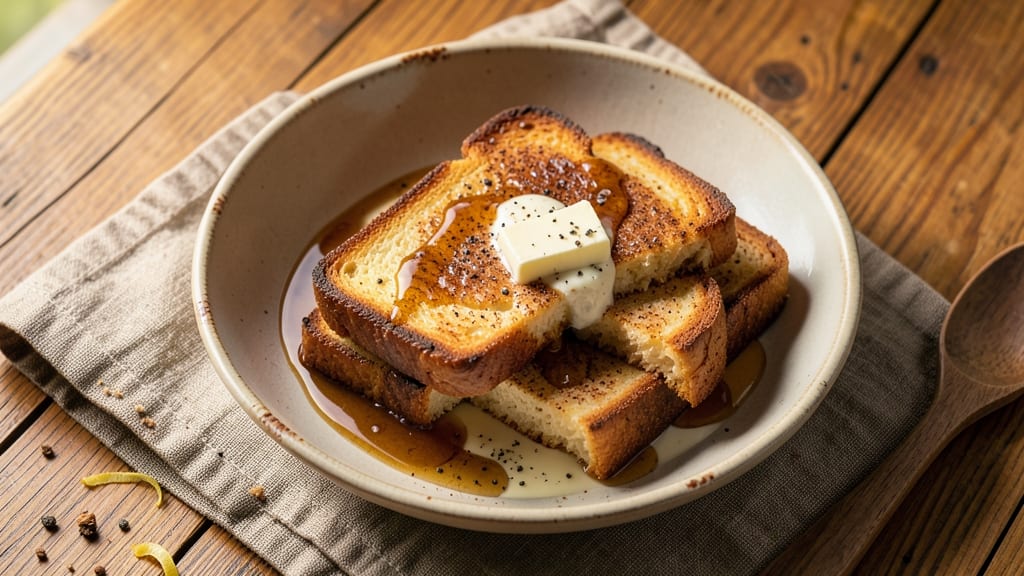
This 4-egg French toast recipe transforms simple bread into a decadent breakfast masterpiece with triple-layered crunch and runny yolk magic that turns every bite into a luxurious experience.
The secret lies in the perfect egg-to-bread ratio—four eggs create a rich, velvety custard that soaks into thick-cut bread while maintaining structural integrity. I developed this recipe after years of experimenting with textures, and the results speak for themselves: crispy edges, tender centers, and that coveted golden-brown crust.
The beauty of this method is its foolproof simplicity—no special equipment required, just a standard skillet and a few minutes of prep.
The key is letting the bread soak in the egg mixture for exactly 3 minutes, which ensures maximum flavor absorption without turning the bread into a soggy mess.
We're talking about a technique that delivers restaurant-quality results at home, where every forkful reveals layers of texture and flavor that keep you reaching for more.
What makes this recipe truly special is the runny yolk magic—achieved by cooking the French toast over medium-low heat and using thick-cut bread that holds its shape. The custard stays rich and creamy inside while developing a perfect caramelized crust outside.
Serve it warm with maple syrup, powdered sugar, or fresh berries to complement the buttery richness. This isn't just French toast; it's a breakfast revelation that turns an ordinary morning into something extraordinary.
For those who love to experiment, this recipe scales beautifully—double the batch for a crowd or customize with cinnamon, vanilla, or citrus zest in the egg mixture. The possibilities are endless, but the foundation remains the same: four eggs, thick bread, and patience for the perfect golden-brown result.
Let's get started on creating your new favorite breakfast centerpiece.
Ingredients for 4 egg french toast
Four eggs, thick bread, and a few pantry staples—this is all you need for restaurant-quality French toast.
| Ingredient | Amount | Notes |
|---|---|---|
| Large Eggs 🥚 | 4 whole | Room temperature for best results |
| Thick-Cut Bread 🍞 | 8 slices | Sourdough or brioche preferred |
| Unsalted Butter 🧈 | 4 tbsp | European-style preferred for flavor |
| Pure Maple Syrup 🍁 | ½ cup | Grade B for robust flavor |
| Vanilla Extract 🌸 | 1 tsp | Pure vanilla for authentic taste |
| Ground Cinnamon 🌿 | 1 tsp | Freshly ground for maximum aroma |
| Powdered Sugar 🍚 | ¼ cup | For dusting and serving |
| Fresh Berries 🍓 | 1 cup | Strawberries or raspberries for topping |
| Heavy Cream 🥛 | ¼ cup | Optional for extra richness |
| Diamond Crystal Kosher Salt 🧂 | ½ tsp | For seasoning the custard |
| Freshly Ground Black Pepper 🌶️ | ¼ tsp | For subtle seasoning |
| Lemon Zest 🍋 | 1 tsp | Brightens the custard beautifully |
The eggs are non-negotiable—room temperature makes all the difference for that silky custard. Whole eggs give you the perfect balance of richness and structure, but if you're worried about calories, substitute half with egg whites (though you'll lose that coveted yolk magic). For the bread, sourdough or brioche holds up best to the custard—no sad, soggy slices here. I always grab the thickest cut I can find at Whole Foods or the bakery section of Trader Joe's. Look for slices at least 1.5 inches thick—that's what gives you the triple-layered crunch.
No vanilla extract? Almond extract at half the amount works in a pinch, but trust me on the pure vanilla. The cinnamon can be swapped for cardamom or nutmeg if you're feeling adventurous, but classic cinnamon is what everyone knows and loves. Running short on butter? Olive oil or coconut oil will work, though butter's flavor is unmatched. The maple syrup should be Grade B—it's richer and more complex than the lighter Grade A. And if you're feeling fancy, add a splash of heavy cream to the custard for extra decadence. The berries? Fresh is best, but frozen works if you're in a rush—just don't skip thawing them first.
This custard keeps for 24 hours in the fridge if you make extra, but honestly, it's best fresh off the skillet. Store any leftovers in an airtight container with a damp paper towel to keep the bread from drying out. For reheating, a quick 30-second zap in the microwave with a splash of water restores the crispiness. I like to portion mine into individual containers so I can grab a slice straight from the fridge for a lazy morning. And pro tip: Make the custard the night before—it actually tastes better after the flavors meld overnight!
Why You'll Love This Recipe
- No-Fuss Morning: The batter’s just eggs, bread, and a splash of vanilla—no measuring cups, no fancy techniques. Honestly, I’ve made this while half-asleep, and it still comes out golden.
- Maple-Vanilla Magic: That vanilla extract and real maple syrup? It’s like dessert for breakfast—rich, buttery, and with a warmth that sticks with you. The syrup’s not just drizzled; it’s absorbed, making every bite taste like a hug.
- Weeknight Hero: Make a batch on Sunday, and you’ve got breakfast for days. My kids grab it cold from the fridge, or I toast slices fresh—no last-minute scrambling. (Yes, even on a Tuesday night.)
- Budget Breakfast: Four eggs stretch thin bread into a filling meal, and butter and syrup are pantry staples. Between us, this feeds four for under $3 and leaves me enough cash for coffee. Worth it.
Step-by-step instructions for triple-layered French toast
Here's how to create that perfect balance of crispy, custardy, and runny-yolk perfection.
Whisk the Ultimate Custard Mixture
Crack the 4 whole Large Eggs into a shallow bowl or wide plate—room temperature eggs blend more smoothly. Add the 0.5 cup Pure Maple Syrup, 1 tsp Vanilla Extract, 1 tsp Ground Cinnamon, 0.5 tsp Diamond Crystal Kosher Salt, and 0.25 tsp Freshly Ground Black Pepper. Whisk vigorously for 30 seconds until just combined—don't overbeat or you'll develop gluten in the eggs.
Next, stir in the 1 tsp Lemon Zest and 0.25 cup Heavy Cream (if using) with a gentle hand. The mixture should be thick but pourable—like heavy cream consistency. Here's the thing: this custard is the soul of your French toast. The lemon zest brightens the maple sweetness while the cinnamon adds warmth. Taste it now—it should be sweet, aromatic, and just slightly tangy.
Soak the Bread for Maximum Flavor
Arrange the 8 slices Thick-Cut Bread in a single layer on a wire rack set over a baking sheet. This keeps them from getting soggy while they soak. Working quickly, dip each slice into the custard mixture, turning to coat both sides completely. Let the bread soak for 15-20 seconds per side—you'll see the custard begin to penetrate the bread but not soak through completely.
I know it seems like too much custard, but trust me—this ensures that rich, custardy center we all crave. The thick-cut bread holds up beautifully to this generous soaking. If you're using sourdough or brioche, it'll absorb slightly differently, so adjust soaking time by 5 seconds if needed. The edges should be well-coated but not dripping.
Cook to Golden Perfection in Butter
Melt 2 tbsp Unsalted Butter in a large skillet over medium-low heat—you want the butter to foam gently but not brown. Add the soaked bread slices and cook for 2-3 minutes per side until they're deep golden brown and crispy around the edges. The key here is patience: resist the urge to flip too soon. You'll know it's ready when the edges release easily from the pan and the underside has a beautiful golden crust.
While cooking, keep the custard mixture warm in a small saucepan over low heat—this prevents it from thickening too much. If you notice the butter browning too quickly, reduce the heat slightly. The butter should be bubbling gently, not sizzling aggressively. Each piece should have that perfect balance: crispy outside, custardy inside, and just set enough to hold its shape.
Assemble the Triple-Layered Crunch
Stack the cooked French toast slices in pairs, alternating sides to create a triple-layered effect. Spread 1 tbsp Unsalted Butter between each layer for extra richness. Place the stack on a warmed serving plate and immediately drizzle with any remaining custard mixture from the pan. The residual heat will create a beautiful sheen on top.
Sprinkle generously with the 0.25 cup Powdered Sugar and top with the 1 cup Fresh Berries. Here's where the magic happens: the powdered sugar caramelizes slightly from the residual heat, creating little sugar crystals that add texture. The berries add freshness that cuts through the richness of the custard and butter. Serve immediately while the interior is still warm and custardy—this isn't something you want to wait for.
Master the Runny Yolk Technique (The Secret Weapon)
For that signature runny yolk experience, here's my pro tip: when you're ready to serve each portion, cut through the stack diagonally to expose the interior. Then, with a small knife, gently slice just into the center of one piece—this creates a pocket where the yolk can pool beautifully. The heat from the surrounding toast will keep it perfectly runny while the edges remain warm and crisp.
Serve with additional 0.5 cup Pure Maple Syrup on the side for dipping. The contrast of the warm, custardy French toast with the cool, fresh berries and the sweet syrup creates a symphony of textures and temperatures. Each bite should deliver that perfect combination: crispy exterior, creamy custard, and that luxurious runny yolk that makes French toast feel like a decadent treat.
Pro Tips For Making 4 Egg French Toast
- Whisk Eggs Like You Mean It: After burning three batches, I finally figured out that a vigorous whisk—at least 30 seconds until the yolks and whites are fully emulsified—makes the difference between soggy and silky french toast. Use a fork if you’re lazy, but don’t skip the effort.
- Soak Bread Just Right: Thick-cut bread needs 15–20 seconds per side in the egg mixture—no more, or it’ll turn to mush. I learned this the hard way when my first batch fell apart like a wet paper towel. A wire rack helps drain excess without crushing the slices.
- Butter the Pan Hot: Cold butter = greasy french toast. Melt 1–2 tablespoons of unsalted butter in the pan over medium-high heat until it’s foamy, then wipe out excess with a paper towel. This guarantees a crisp crust without burning the edges.
- Syrup Last, Not First: Drowning the toast in syrup too soon makes it soggy. Wait until the last 30 seconds of cooking, then drizzle and flip once—just enough to coat. Pure maple syrup is worth the splurge, but if you’re cheap, warm it in the microwave for 10 seconds to make it run smoother.
Make-ahead tips for this recipe
Prep Ahead
Make the custard mixture the night before—it actually tastes better after the flavors meld overnight. Store it in an airtight container in the fridge. When ready to cook, whisk it briefly to recombine before dipping the bread.
This saves you 10 minutes of morning prep time while enhancing flavor complexity. 🌟
Bread Prep
Toast your bread slices the night before and store them in a resealable plastic bag. This prevents sogginess and gives you perfectly dry slices ready for soaking.
For extra crispiness, toast at 375°F for 5-7 minutes until golden brown. Keep them at room temperature for 30 minutes before dipping to restore freshness.
Custard Storage
If you're making the entire French toast ahead, assemble the stacks but skip the final toppings. Wrap them in parchment paper and store in an airtight container at room temperature for up to 4 hours.
Reheat in a 350°F oven for 5-7 minutes or microwave for 20-30 seconds with a damp paper towel. The texture stays crispy when reheated properly.
Make-Ahead Serving
For a lazy morning, prepare everything except the final assembly. Store cooked French toast slices in a single layer on a wire rack, then cover with a clean kitchen towel.
Reheat in a skillet over medium heat for 1 minute per side to restore crispiness. Assemble with fresh powdered sugar and berries right before serving for the best presentation.
Freezer-Friendly
This recipe freezes surprisingly well! Assemble the French toast stacks without toppings, wrap tightly in plastic wrap, then place in a freezer bag. Freeze for up to 2 months.
To serve, thaw overnight in the fridge, then reheat in a skillet over medium heat for 2-3 minutes per side. The texture remains crispy when done properly. ❄️
Portion Control
For meal prep, divide the custard mixture into 4 individual containers (about ¼ cup each). Store in the fridge for up to 3 days. When ready to cook, use one container at a time—this keeps the custard fresh and prevents over-soaking. Perfect for grab-and-go breakfasts during busy weeks!
Nutrition facts
Frequently asked questions
Why does this recipe use 4 eggs instead of the usual 2?
The extra eggs create a richer, velvety custard that soaks deeply into the thick bread for maximum flavor and moisture. Four eggs also give you that signature runny yolk magic—the custard stays creamy while developing a perfect golden crust. This ratio ensures each slice has that luxurious, restaurant-quality texture you can't get with fewer eggs.
Can I make this with whole wheat bread?
Yes, but expect a denser texture since whole wheat absorbs custard differently. Soak the bread for 30-45 seconds per side and cook over slightly lower heat (medium-low) to prevent burning. For best results, use a mix of whole wheat and white bread (like 50/50) to balance texture and flavor.
How do I fix French toast that's too soggy?
Sogginess happens when bread soaks too long or cooks too slowly. For crispy results, use thick-cut bread, soak for only 15-20 seconds per side, and cook over medium-low heat with plenty of butter. If it's already soggy, reheat in a dry skillet over medium heat for 30 seconds per side—the residual heat will restore crispiness.
Can I make this ahead of time?
Assemble the stacks without toppings and store at room temperature for up to 4 hours. For longer storage, freeze the stacks (without toppings) for up to 2 months. Reheat in a skillet over medium heat for 2-3 minutes per side—the texture stays crispy when done properly. Top with fresh powdered sugar and berries just before serving.
What's the secret to the perfect runny yolk?
The magic is in the timing and heat! Cook the French toast over medium-low heat until golden brown, then serve immediately while the interior is still warm. For extra decadence, cut diagonally and slice just into the center to create a pocket for the yolk. The residual heat keeps it perfectly runny while the edges stay crisp.