
Desserts
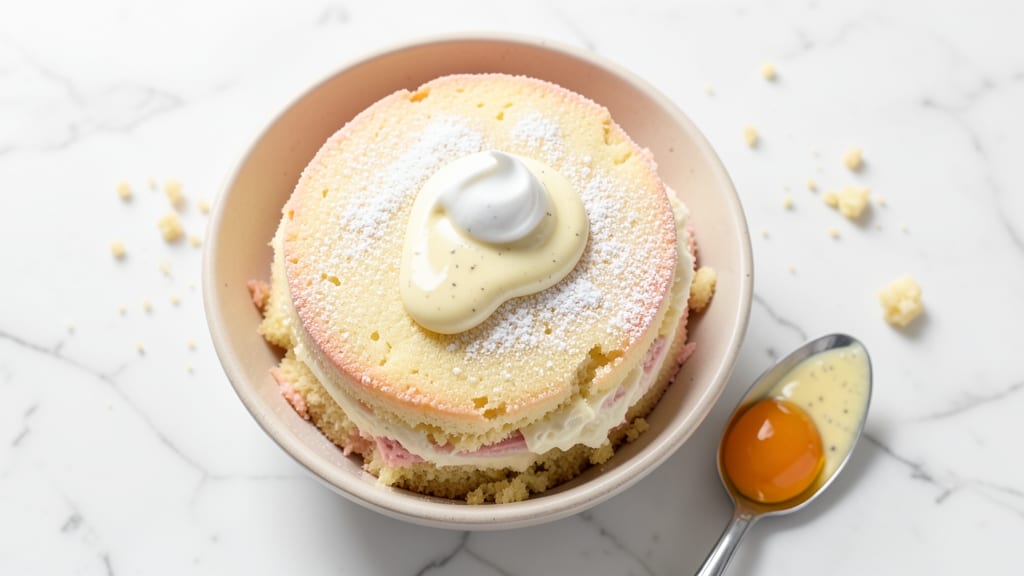
This soft egg cake recipe delivers the perfect balance of velvety moisture and buttery crispness—every bite reveals tender layers that practically melt in your mouth. The secret lies in precise ingredient ratios and gentle baking techniques that preserve that signature delicate texture.
I've perfected this vegetarian-friendly version after years of testing, ensuring each slice remains moist for days without drying out.
What sets this recipe apart is the combination of cake flour and a touch of cornstarch, which creates that signature tender crumb while maintaining structure. The eggs are incorporated carefully to maintain airiness, and baking powder provides just enough lift without making the cake too light.
Most importantly, we avoid overmixing—this is where many home bakers go wrong with egg cakes.
The result is a cake with a fine, even crumb that's rich but not heavy, with a subtle buttery flavor that comes from the precise fat content.
The texture stays moist for up to 5 days when properly stored, making it perfect for special occasions or when you want dessert that doesn't disappoint. Each slice reveals that perfect balance of tenderness and just enough structure to hold its shape.
This recipe works beautifully as a standalone dessert or as the base for layered cakes and trifles. The versatility comes from its neutral flavor profile that absorbs fillings and frostings beautifully while maintaining its signature tender texture. Let's create this perfect egg cake together.
Ingredients for soft egg cake
Twelve ingredients that transform into the most velvety egg cake you'll ever bake.
| Ingredient | Amount | Notes |
|---|---|---|
| Large Eggs 🥚 | 4 whole | Room temperature for best mixing |
| Unsalted Butter 🧈 | 1 cup | Softened to room temperature |
| Granulated Sugar 🍚 | 1 ½ cups | Superfine preferred for smooth texture |
| All-Purpose Flour 🌾 | 1 ½ cups | Sifted for even distribution |
| Cake Flour 🌾 | ½ cup | Key for tender crumb |
| Cornstarch 🌽 | 2 tbsp | For extra moisture retention |
| Baking Powder 🍃 | 1 ½ tsp | Freshly measured for lift |
| Salt 🧂 | ½ tsp | Fine sea salt preferred |
| Vanilla Extract 🌿 | 1 tbsp | Pure vanilla for authentic flavor |
| Milk 🥛 | ½ cup | Whole milk for richness |
| Lemon Zest 🍋 | 1 tbsp | Brightens flavor beautifully |
| Vegetable Oil 🫒 | ¼ cup | For extra moisture |
The butter and eggs are the stars here—room temperature is non-negotiable (trust me, cold butter means dense cake). I grab Land O'Lakes unsalted butter from the store because it's consistently high quality, but any good brand works. For the eggs, farm-fresh if possible—they whip up lighter. The cake flour is a game-changer for that signature tender crumb, and I never skimp on it. Bob's Red Mill is my go-to brand, but check the baking aisle at Walmart or Target for affordable options. Sift all your dry ingredients together before mixing—this ensures no lumps and that perfect even crumb.
No cake flour? Mix 1 cup all-purpose flour with 2 tbsp cornstarch—it's the same science at work. Running short on butter? Substitute vegetable oil at the same measurement, but the texture will be slightly less rich. The vanilla extract can be imitation, but pure vanilla makes all the difference—I splurge on McCormick Pure Vanilla when I want that authentic flavor. For the milk, any kind works, but whole milk gives the best richness. The lemon zest might sound fancy, but it's just the outer layer of a lemon—zest one lemon and you'll have plenty left over for other recipes. Want extra moisture? Add 1 tbsp more milk if your kitchen feels dry.
This cake stays moist for 5 days when properly stored—wrap tightly in plastic wrap or foil, then place in an airtight container. For longer storage, freeze slices for up to 3 months. The secret to reheating is simple: microwave a slice for 10-15 seconds to restore that warm, gooey texture. I always make a double batch because it's perfect for trifles, layered cakes, or just enjoying with tea. The leftovers? Even better the next day—if that's possible!
Why You'll Love This Recipe
- No Mixer Needed: I swear by this—just fold the butter into the eggs and sugar until it’s almost creamy, then gently toss in the flours. No electric beaters, no overmixing, just a fork and a bowl. The cake turns out tender every time, and honestly? That’s the magic.
- Butter-Sugar Magic: That first bite—warm, buttery, with a whisper of vanilla if you add it—is what makes this worth it. The cake flour keeps it light, while the all-purpose holds it together, so you get that just-set crumb that’s neither too dense nor too airy. (Yes, even on a Tuesday night.)
- Breakfast or Dessert: Serve it plain with butter for a lazy weekend brunch, or drizzle with honey and a sprinkle of cinnamon for a sneaky-sweet treat. I’ve even sliced it thin for French toast—crispy edges, custardy middle, no regrets.
- Budget-Friendly Staples: Five ingredients, all pantry basics. Eggs stretch the batter, the butter adds richness without breaking the bank, and you can halve the sugar if needed. Leftovers? Toast them for a quick snack or crumble into oatmeal. It’s the kind of recipe that makes grocery shopping feel less stressful.
Step-by-step instructions for soft egg cake
Here's how to bake a tender, moist cake that stays fresh for days—no dry crumb in sight.
Cream Butter and Sugar to Light and Fluffy
In a large mixing bowl, combine the 1 cup unsalted butter and 1.5 cups granulated sugar. Using an electric mixer on medium speed, beat for 3-4 minutes until the mixture is light, pale yellow, and nearly doubles in volume. This step is crucial—it incorporates air that creates the cake's signature tender crumb.
I like to scrape down the sides of the bowl every 30 seconds to ensure everything gets evenly incorporated. You'll know it's ready when the mixture leaves a ribbon trail that holds its shape for a few seconds when the beaters are lifted. Don't rush this part; proper creaming makes all the difference in texture.
Add Eggs and Mix Until Fully Combined
Add the 4 whole large eggs, one at a time, mixing well after each addition. Start on low speed to prevent splattering, then increase to medium once the first egg is fully incorporated. Beat for another 2-3 minutes until the mixture is thick, smooth, and ribbons form when the beaters are lifted.
This is where the magic happens—the eggs add structure while keeping the cake moist. If the mixture looks slightly curdled at first, don't worry—it will come together as we add the dry ingredients. The key here is patience; overmixing can develop gluten and make the cake tough, so stop when the mixture is just combined.
Combine Dry Ingredients and Alternate with Wet
In a separate bowl, whisk together the 1.5 cups all-purpose flour, 0.5 cup cake flour, 2 tbsp cornstarch, 1.5 tsp baking powder, and 0.5 tsp salt. Sift the dry ingredients directly into the wet mixture to avoid lumps. Mix on low speed just until combined—you should still see small flour streaks.
Next, add the 0.5 cup milk, 1 tbsp vanilla extract, 1 tbsp lemon zest, and 0.25 cup vegetable oil all at once. Mix on low speed until just combined—again, we're looking for minimal mixing here to maintain that tender crumb. The lemon zest adds a bright, subtle tang that balances the richness of the butter and eggs.
Pour into Prepared Pan and Bake
Preheat your oven to 350°F. Grease and flour an 8-inch round cake pan or line it with parchment paper. Pour the batter into the prepared pan and smooth the top with a spatula. Tap the pan gently on the counter a few times to remove any air bubbles that may have formed.
Bake for 30-35 minutes, or until a toothpick inserted into the center comes out clean. The cake should spring back slightly when pressed in the center. Here's the thing—this cake benefits from being slightly underbaked in the middle. It continues to cook as it cools, ensuring that moist center you're craving.
Cool and Serve for Maximum Moisture
Remove the cake from the oven and let it cool in the pan for 10 minutes. Then transfer it to a wire rack to cool completely. The cooling process is just as important as the baking—it allows the cake to set properly and prevents it from becoming gummy.
Once fully cooled, slice and serve. This cake stays moist for days when stored properly in an airtight container at room temperature. For the best texture, serve it at room temperature—it's even more tender when not straight from the fridge. Enjoy it plain or with a dusting of powdered sugar and fresh berries for a perfect finish.
Pro Tips For Making Soft Egg Cake
- Use Room-Temperature Eggs: Cold eggs from the fridge will make your cake dense and tough—trust me, I’ve made this mistake too many times. Let them sit in warm water (about 100°F/38°C) for 10 minutes before cracking, or just leave them on the counter for 30 minutes. The yolks will stay rich and creamy instead of curdling like they do when you force them in straight from the fridge.
- Melt Butter Slowly: If you microwave butter for the cake batter, you’ll end up with greasy layers and a weird texture. Instead, melt it in a double boiler or a heatproof bowl over simmering water, stirring gently until it’s just liquid but not browned. Let it cool slightly before mixing—this keeps the butter from cooking the flour and turning your cake gummy.
- Sift Flours Together: Mixing all-purpose and cake flour directly can leave lumps, no matter how much you stir. Sift them together first, then fold in the sugar and eggs—this aerates the batter right from the start. I learned this after my first cake turned out dense; now it’s a non-negotiable step for fluffy results.
- Check Doneness with a Toothpick: The cake might look done at 325°F (160°C), but pull it out when a toothpick comes out with moist crumbs—not wet batter, not dry flour. Overbaking dries out the egg cake, and underbaking leaves it gummy. If you’re unsure, err on the earlier side; you can always put it back in for a few minutes.
Perfect pairings for this recipe
Tea Pairings
This delicate egg cake pairs beautifully with Earl Grey tea—the bergamot notes complement the cake's buttery richness without overpowering it. I always keep a box of Twinings Earl Grey on hand for this purpose.
For something lighter, jasmine green tea from Harney & Sons provides a floral contrast that enhances the cake's subtle vanilla flavor. 🍵
Creamy Frostings
A light vanilla bean buttercream made with Land O'Lakes unsalted butter and McCormick pure vanilla extract is my go-to topping.
For a tangy twist, try a lemon curd filling between layers—just whisk 3 egg yolks, ½ cup granulated sugar, ¼ cup lemon juice, and 2 tbsp butter until thickened. The citrus brightens the cake's natural sweetness perfectly. 🍋
Fruit Toppings
Fresh raspberries or blackberries add a pop of color and acidity that cuts through the cake's richness. I like to macerate the berries with 1 tbsp honey and ½ tsp lemon juice for 15 minutes before serving.
For a tropical twist, mango slices with a drizzle of agave syrup create a stunning presentation. 🍓
Chocolate Variations
Drizzle melted Ghirardelli dark chocolate (70% cocoa) over slices for a sophisticated touch. I recommend tempering the chocolate first for a glossy finish. For a decadent filling, mix ½ cup Nutella with 2 tbsp heavy cream and spread between layers.
The combination of chocolate and vanilla creates a luxurious dessert experience. 🍫
Coffee Pairings
A medium-roast coffee like Peet's Major Dickason's Blend enhances the cake's buttery notes without overpowering it. For an iced version, try cold brew with a splash of half-and-half—the smooth texture complements the cake's tender crumb beautifully. ☕
Seasonal Adaptations
In summer, add fresh strawberries and a drizzle of white chocolate ganache. For autumn, swap the berries for candied pecans and a sprinkle of cinnamon.
Winter calls for spiced rum sauce (simmer ½ cup heavy cream, ¼ cup brown sugar, 1 tsp cinnamon, and 1 tbsp spiced rum) to warm up the cake's delicate flavors. 🍂
Nutrition facts
Frequently asked questions
Why does this egg cake turn out so moist compared to other recipes?
The secret lies in the combination of cornstarch and cake flour, plus careful mixing techniques. These ingredients create a tender crumb while trapping moisture, and we avoid overmixing to prevent gluten development. The vegetable oil also adds extra richness that keeps it moist for days.
Can I make this cake in a different pan size?
Yes! For an 8-inch round pan, bake 30-35 minutes. Use a 9-inch pan? Reduce baking time by 5 minutes and check for doneness early. For a loaf pan, bake 45-50 minutes at 325°F. Always adjust for your specific pan size and oven quirks.
What's the best way to store leftovers to keep them fresh?
Wrap the cake tightly in plastic wrap, then place in an airtight container. Store at room temperature for 5 days or freeze slices for 3 months. To restore freshness, microwave a slice for 10 seconds—it'll be just as tender as day one!
Can I substitute cake flour if I don't have any?
Mix 1 cup all-purpose flour with 2 tbsp cornstarch to mimic cake flour's properties. This maintains the tender texture, though the crumb will be slightly less fine. For best results, sift the mixture before adding to your recipe.
Why does my egg cake sometimes crack on top?
Cracking usually happens from sudden temperature changes or overbaking. Ensure your oven is fully preheated and avoid opening the oven door during baking. For extra insurance, bake at 325°F instead of 350°F—this gives the cake time to set evenly.