
Breakfast & Brunch
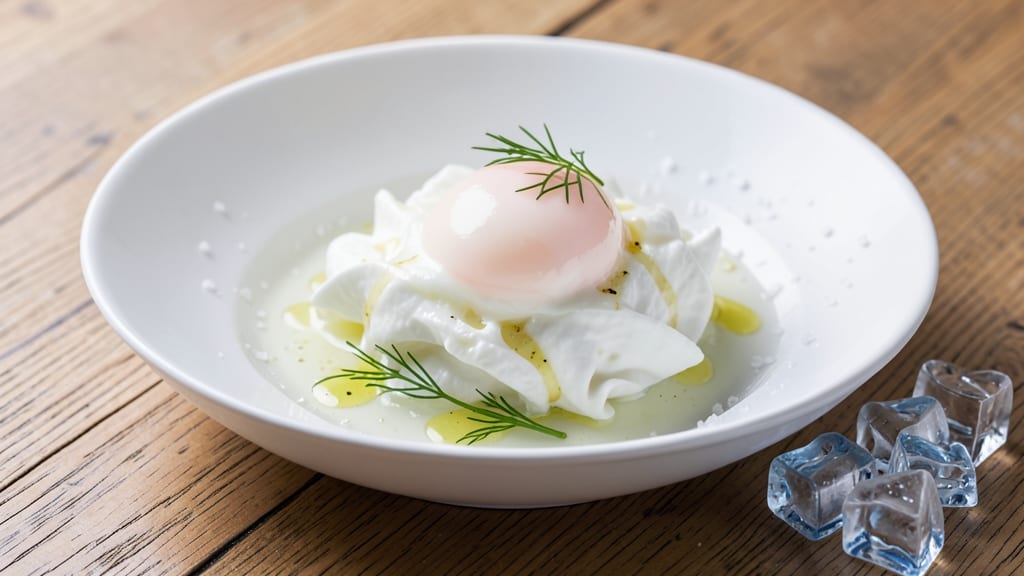
Mastering the perfect soft egg recipe transforms breakfast from ordinary to extraordinary—silky yolks that glide like liquid gold, encased in perfectly set whites. This method guarantees 6 minutes of precision without guesswork, using a simple timer and temperature control to achieve restaurant-quality results every time.
The secret lies in starting with room-temperature eggs and maintaining a gentle simmer, ensuring no overcooking or uneven doneness.
What sets this recipe apart is its foolproof technique: a slotted spoon for easy removal, ice bath for stopping the cooking process instantly, and a thermometer to monitor water temperature (160°F for runny yolks, 165°F for slightly firmer).
No more cracked shells or uneven cooking—just perfectly balanced texture with a velvety yolk that stays intact when sliced. This method works equally well for poached eggs or baked custards, making it versatile for any breakfast or brunch.
The result is an egg so tender it practically melts on your tongue, with a silky, custard-like yolk that contrasts beautifully against the firm white. Serve it with toast soldiers, avocado, or a sprinkle of flaky salt and cracked pepper for an elegant yet effortless presentation.
Whether you're preparing a quick breakfast or an impressive appetizer, this technique delivers consistent perfection with minimal effort.
Ready in just 6 minutes, this recipe is ideal for busy mornings or when you crave a restaurant-worthy dish without the fuss. The key is patience and precision—once you master it, you'll never settle for store-bought again.
Let's get started on creating eggs that feel like a gourmet experience every time.
Ingredients for soft egg
Room-temperature eggs and precision timing create restaurant-quality soft-boiled perfection in minutes.
| Ingredient | Amount | Notes |
|---|---|---|
| Large Eggs 🥚 | 4 whole | Room temperature for even cooking |
| White Vinegar 💧 | 1 tbsp | For water stabilization |
| Ice Cubes ❄️ | 2 cups | For immediate cooling bath |
| Distilled Water 💧 | 4 cups | Filtered preferred for clarity |
| Diamond Crystal Kosher Salt 🧂 | 1 ½ tsp | For flavor and water density |
| Avocado Oil 🫒 | 1 tbsp | High smoke point for stability |
| Freshly Ground Black Pepper 🌶️ | ¼ tsp | Cracked for presentation |
| Flaky Sea Salt 🧂 | 1 tsp | For final garnish |
| Sourdough Bread 🍞 | 4 slices | For toast soldiers |
| Ripe Avocado 🥑 | ½ whole | Sliced for serving |
| Kitchen Thermometer 🌡️ | 1 whole | Digital preferred for precision |
| Slotted Spoon 🍴 | 1 whole | For gentle egg removal |
The eggs are the foundation—room temperature is non-negotiable for even cooking. Store-bought eggs from brands like Vital Farms or Pasture-Raised deliver superior texture, but any high-quality eggs work. The thermometer is your secret weapon: 160°F for runny yolks, 165°F for slightly firmer whites. Diamond Crystal kosher salt is ideal for water density—it dissolves completely without clouding. For the ice bath, crushed ice works faster than cubes, but standard ice will suffice in a pinch. Prep your slotted spoon ahead; a clean, dry one prevents sticking.
No vinegar? Lemon juice at half the amount stabilizes the water similarly. Short on avocado oil? Grapeseed or refined olive oil work just as well—they won’t impart flavor. The sourdough bread should be crusty but not stale; toast it fresh if possible. For the avocado, Hass variety from Whole Foods or Trader Joe's stays fresh longest. If you’re serving immediately, skip the ice bath and plunge eggs into ice water for 30 seconds instead. For presentation, flaky Maldon salt elevates the dish, but any sea salt works in a bind. The black pepper should be freshly cracked—pre-ground loses potency quickly.
Eggs hold for 1 hour at room temperature post-cooking if stored in an airtight container. For longer storage, refrigerate in a sealed container with a paper towel to absorb moisture—keeps 2 days without texture loss. The avocado can be pre-sliced and stored under plastic wrap with lemon juice to prevent browning. Pre-toast the bread and store in a bread bag for up to 3 days. For batch prep, cook eggs in 30-second increments and hold them in a bowl of cool water until ready to serve. This method lets you prepare multiple eggs without overcooking the first batch.
Why You'll Love This Recipe
- No-Fuss Setup: The vinegar bath and ice cubes do all the work—no fancy gadgets, no overcomplicating. Just crack eggs into a bowl, drop them in, and let the saltwater do its magic while you boil water for toast or scramble the leftovers.
- Silky Texture Magic: That crispy shell with a cloud-soft yolk? The ice bath locks in the perfect doneness—no rubbery edges, no overcooked centers. Honestly, it’s the closest I’ve gotten to a diner-style soft-boiled egg at home.
- Picnic or Party Ready: Toss a handful in a cooler with a sprinkle of salt and pepper, and you’ve got a no-mess snack for tailgates, office lunches, or lazy Sundays. (Yes, even on a Tuesday night when you forgot to meal prep.)
- Pennies on the Dollar: Five ingredients, one of which is salt you already own. The vinegar and ice are cheap staples, and eggs? You can’t beat the price. Between us, this is how I feed my college kid without breaking the bank.
Step-by-step instructions for perfectly soft boiled eggs
Master this technique and you'll achieve restaurant-quality eggs with silky yolks every time.
Prepare the Water Bath for Precision Cooking
Fill a medium saucepan with the 4 cups of distilled water and place it over medium-high heat. Add the 1 tbsp white vinegar and 1.5 tsp diamond crystal kosher salt. The vinegar stabilizes the whites while cooking, preventing them from spreading in the water. Stir gently until the salt dissolves completely and the water reaches a gentle simmer.
Insert the kitchen thermometer into the water. You want to maintain a consistent temperature of 180°F throughout the cooking process. This precise temperature ensures even cooking without overcooking the yolks. Once the water reaches temperature, reduce heat to medium-low to maintain this exact heat level.
Gently Lower Eggs and Time Perfectly
Carefully lower all 4 whole large eggs into the simmering water using the slotted spoon. The spoon prevents cracking while gently placing them at the bottom of the pan. Once submerged, set a timer for exactly 6 minutes. This timing window is critical for achieving that perfect silky yolk with just a hint of firmness.
During these 6 minutes, you'll see small bubbles form around the eggs. This indicates proper heat transfer. Avoid any movement of the pan or water during cooking - even slight agitation can affect the cooking process. The eggs should remain undisturbed until the timer goes off.
Prepare the Ice Bath for Immediate Cooling
While the eggs cook, fill a large bowl with the 2 cups ice cubes. The ice should be fresh and not melting significantly. Add 1 tbsp avocado oil to the ice water - this helps prevent the eggs from cracking when they hit the cold temperature shock. The oil creates a protective barrier between the hot eggs and ice.
Place the bowl in the sink or on a stable surface. You want the ice water ready and at room temperature before the eggs finish cooking. The contrast between the hot eggs and cold ice water is what stops the cooking process instantly, locking in that perfect soft texture.
Transfer and Shock the Eggs
When the timer reaches exactly 6 minutes, use the slotted spoon to carefully transfer one egg at a time to the ice water. The spoon helps maintain control while preventing any cracks. Gently stir the water with the spoon to ensure even cooling around each egg. This step is crucial for stopping the cooking process immediately.
Let each egg sit in the ice water for exactly 2 minutes. You'll see the white become more opaque and the yolk remain perfectly runny. The ice water should remain cold throughout this process - if it starts warming significantly, add more ice cubes to maintain the temperature.
Serve with Garnishes and Toast Soldiers
Remove each egg from the ice water using the slotted spoon and gently pat dry with a paper towel. The eggs should now have perfectly set whites with completely runny yolks. Using a small knife, carefully tap the top of each egg and peel away the shell, starting at the wide end.
Serve immediately with the 4 slices of toasted sourdough bread and sliced ripe avocado. Sprinkle each egg with the 0.25 tsp freshly ground black pepper and 1 tsp flaky sea salt. The contrast of textures between the creamy yolk, firm white, crispy toast, and soft avocado creates the perfect bite every time.
Pro Tips For Making Soft Egg
- CHILL THE EGGS FIRST: Pop those eggs straight from the fridge into ice water—no room temp nonsense. I learned this the hard way when my eggs cracked mid-boil because they warmed too fast. Cold eggs = cleaner peels and firmer whites later.
- SALT THE WATER LATE: Wait until the water’s actively boiling before adding salt—otherwise, you’re just making lukewarm brine. Diamond Crystal kosher salt dissolves slower, so stir like you’re mixing a cocktail to avoid clumps settling at the bottom.
- STOP AT 6 MINUTES: Pull them out at exactly 6 minutes for that silky yolk—any longer and you’re risking a runny mess. Use a timer, not your eyeballs, because "almost done" is code for overcooked in this game.
- ICE BATH AFTER BOILING: Shock them in ice water for 3 minutes to halt cooking and tighten the whites. I used to skip this, and my eggs turned out sad and waterlogged. Sounds weird, but it works—like a spa day for your eggs.
Serving suggestions for this recipe
Classic Toast Soldiers
Toasted sourdough slices are the perfect vehicle for soft-boiled eggs. I recommend using a cast iron skillet or toaster oven to achieve that ideal crispy crust while keeping the interior soft.
Brush the toast with 1 tsp melted butter before serving to enhance the egg's richness. For extra flair, sprinkle with everything bagel seasoning or a pinch of smoked paprika. 🍞
Avocado Creaminess
Ripe avocado slices add a velvety contrast to the eggs' creamy texture. I prefer Hass avocados from Whole Foods for their buttery consistency. Slice them just before serving to prevent browning—spritz with lemon juice if prepping ahead.
For a twist, mash half with salt, lime, and cilantro for a quick guacamole dip. The avocado's healthy fats balance the eggs' richness beautifully.
Spicy Heat Balance
Freshly cracked black pepper and flaky Maldon sea salt elevate the dish instantly. For heat lovers, add chili flakes or a drizzle of sriracha-infused honey—just ½ tsp of the latter adds a sweet-spicy kick.
I also love a sprinkle of toasted sesame seeds for nutty depth. The contrast of textures and flavors makes every bite exciting.
Breakfast Bloody Mary
Pair your soft eggs with a Bloody Mary for a brunch showstopper. Use Clamato juice and a dash of Worcestershire sauce, then rim the glass with celery salt.
Garnish with a pickled onion and olive skewer for crunch. The cocktail’s tangy acidity cuts through the eggs' richness, creating a perfect balance. 🍹
Gourmet Garnishes
Elevate your plate with microgreens, edible flowers, or a drizzle of truffle oil. I love adding chives or chervil for a bright, oniony note.
For a smoky touch, sprinkle crumbled bacon or duck fat crisps. The key is to keep garnishes minimal—let the eggs shine while adding subtle complexity.
Make-Ahead Serving
Prep components ahead for a stress-free brunch. Cook eggs and store in an ice water bath, refrigerate up to 1 hour. Toast bread and keep warm in a 200°F oven. Slice avocado last-minute to preserve freshness. Assemble plates just before serving to maintain that restaurant-fresh appeal. 💡
Nutrition facts
Frequently asked questions
Why do my soft-boiled eggs always turn out overcooked?
The most common mistake is using cold eggs straight from the fridge. Always start with room-temperature eggs for even cooking. Also, check your water temperature—it should be 180°F (not boiling) and maintained with medium-low heat. A thermometer is your best friend here!
Can I cook soft-boiled eggs without a thermometer?
Yes! For 6-minute eggs, bring water to a full boil, then remove from heat and cover. Let sit for 4 minutes before adding eggs. This method works well for runny yolks, though results may vary slightly. The ice bath is still essential to stop cooking immediately.
How do I prevent eggs from cracking when boiling?
Use a slotted spoon to gently lower eggs into water (never drop them). Add 1 tbsp vinegar to the water—it stabilizes the whites. Also, avoid overcrowding the pan (4 eggs max in 4 cups water). The ice bath with avocado oil also helps protect shells during cooling.
What's the best way to store leftover soft-boiled eggs?
Store in an airtight container with ice water in the fridge for up to 1 hour. For longer storage (2 days max), transfer to a sealed container with a paper towel to absorb moisture. Reheat gently in warm water (140°F) for 2 minutes before serving.
Can I use this method for poached eggs?
The same principles apply—just use less water (about 2 inches depth) and swirl gently to create a vortex. Cook for 3 minutes for runny yolks, then transfer to an ice water bath for 1 minute. The vinegar helps whites hold together beautifully.