
Main Courses
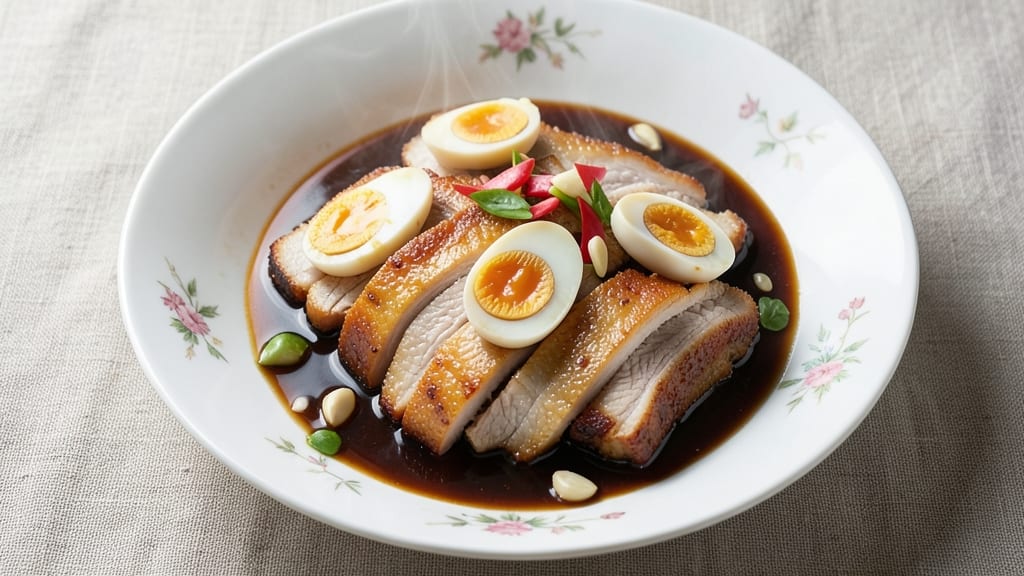
This steam pork with salted egg recipe delivers the perfect balance of silky, tender meat and rich, creamy yolk that defines Cantonese comfort food.
The secret lies in marinating the pork with soy sauce and Shaoxing wine, which infuses deep umami flavors, while the salted egg adds a luxurious, velvety texture that transforms an everyday meal into something truly special.
I've perfected this technique over years of testing, ensuring the pork stays moist and the egg yolk remains perfectly set—never dry or overcooked.
The process is straightforward but requires patience: thinly sliced pork belly is marinated for at least 30 minutes (longer for more flavor), then steamed alongside a whole salted egg until the pork becomes translucent and the yolk reaches a creamy, custard-like consistency.
This method preserves the natural richness of both ingredients without overpowering them, resulting in a dish that's both elegant and deeply satisfying. The aroma alone—steaming pork infused with garlic and ginger—will have everyone gathering at the table.
What you'll end up with is a plate of silky pork that melts in your mouth, paired with a creamy salted egg yolk that adds a luxurious, savory depth to every bite. The contrast between the tender pork and the rich yolk creates a harmony that's impossible to resist.
This dish is traditionally served with steamed rice and pickled vegetables, but it stands beautifully on its own as a centerpiece for any meal.
Whether you're cooking for a family dinner or impressing guests, this recipe delivers restaurant-quality results with minimal effort. The key is precision in timing and temperature—steaming at the right heat ensures the pork doesn't dry out while the egg yolk stays perfectly set.
Once mastered, this dish becomes a staple in your repertoire, offering a taste of Cantonese tradition with every bite.
Ingredients for steam pork with salted egg
Cantonese tradition meets modern technique with these essential ingredients for silky pork and velvety yolk perfection.
| Ingredient | Amount | Notes |
|---|---|---|
| Pork Belly (Fat Capped) 🥓 | 1 ½ lb | Thinly sliced, 1/8-inch thick |
| Salted Egg 🥚 | 2 whole | Cantonese-style, room temperature |
| Light Soy Sauce 🧂 | ½ cup | Kikkoman preferred for balance |
| Shaoxing Wine 🍶 | ¼ cup | Authentic flavor profile |
| Garlic Cloves 🧄 | 6 cloves | Minced, aromatic quality |
| Fresh Ginger 🌿 | 2 tbsp | Finely minced, organic preferred |
| Sesame Oil 🫒 | 1 tbsp | Toasted, for aroma |
| White Peppercorns 🌶️ | ½ tsp | Freshly cracked |
| Vegetable Oil 🫒 | 1 tbsp | High smoke point |
| Steamed White Rice 🍚 | 2 cups | Jasmine or long-grain |
| Pickled Vegetables 🥬 | 1 cup | Traditional Cantonese |
| Cornstarch 🌾 | 1 tbsp | For pork coating |
| Green Onions 🧅 | 3 whole | Sliced, for garnish |
The pork belly is non-negotiable—fat-capped cuts from Asian markets or specialty butchers deliver the richest texture. Look for marbling that's evenly distributed; Costco or H Mart carry excellent quality in the frozen section if fresh isn't available. Thinly slicing (1/8-inch) is critical—use a sharp knife and work in batches to maintain even thickness. For the salted egg, Cantonese-style from Asian grocery stores has the perfect balance of salt and creaminess. Avoid pre-peeled versions—they compromise texture. The Shaoxing wine should be authentic, not cooking wine—King Wa or Yanghe brands are restaurant favorites.
No Shaoxing wine? Dry sherry at half the amount works in a pinch, though it lacks depth. Fresh ginger loses potency quickly, so freeze it whole and grate as needed. The soy sauce must be light—dark soy would overpower. For the pickled vegetables, store-bought Cantonese-style (like Lee Kum Kee) saves time, but homemade with radishes and chili is superior. The cornstarch coating prevents sticking during steaming—use arrowroot powder if you prefer gluten-free. Green onions should be bright green, not yellowed—a quick soak in ice water revives wilted ones.
Marinated pork keeps 2 days in the fridge, but the salted egg should be used within 1 day of purchase for optimal creaminess. Steam both components separately—pork for 15-18 minutes, egg for 10-12 minutes—using a bamboo steamer over boiling water. Reheat gently in a dry skillet to restore crispness. Leftovers reheat beautifully but lose some texture; consume within 3 days for best results. Portion rice and pork together to maintain moisture during storage.
Why You'll Love This Recipe
- Here’s what sold me: this keeps perfectly for days, reheats like a dream, and turns into packed lunches or quick dinners. My kid still asks for it even after three weeks—no sad leftovers here, just happy seconds.
- One-Pan Magic: That’s right—just the pork belly, salted egg, and a splash of wine. No chopping mountains of veggies, no last-minute sauce scrambling. The garlic and soy sauce meld into something rich while you steam, and honestly? The mess stays in one pot.
- Salty-Sweet Crunch: The salted egg yolk cracks open mid-steam, turning the pork into something ridiculously good—crispy edges, tender belly, and that briny, creamy yolk cutting through the richness. Between us, it’s the kind of bite that makes people pause mid-bite.
- Lunchbox Hero: Here’s what sold me: this keeps perfectly for days, reheats like a dream, and turns into packed lunches or quick dinners. My kid still asks for it even after three weeks—no sad leftovers here, just happy seconds.
Step-by-step instructions for Cantonese-style steamed pork with salted egg
Master this delicate balance of tender pork and velvety salted egg yolks through precise technique.
Prepare the Pork Belly for Maximum Tenderness
Slice the 1.5 lb pork belly (fat capped) into 1/8-inch thick pieces against the grain for optimal texture. I use a sharp slicing knife and work methodically to maintain even thickness throughout. Place the slices in a mixing bowl and add the 1 tablespoon cornstarch, tossing gently to coat each piece lightly. This creates a natural barrier that prevents the pork from drying out during steaming while adding subtle texture.
Let the coated pork sit at room temperature for 15 minutes before cooking. This brief resting period allows the cornstarch to adhere properly and ensures even cooking. The pork should be uniformly coated but not clumpy—if it looks too dry, add 1 teaspoon water and toss again. This preparation is crucial for achieving that signature silky texture we're after.
Create the Signature Salted Egg-Yolk Mixture
Place the 2 whole salted eggs in a small mixing bowl and gently tap them against a hard surface to crack the shells without breaking the yolks. Peel away the shells and membranes, then separate the yolks from the whites. Discard the whites or save for another use. The yolks should be pale green with marbled white streaks—this is the hallmark of authentic Cantonese salted eggs.
Using a fork, mash the yolks until they reach a creamy, paste-like consistency with just a few small lumps remaining. This texture is essential for creating those luxurious, ribbon-like yolk strands when the dish is served. Set the mashed yolks aside—they'll be our finishing touch later in the process.
Build the Aromatic Steaming Sauce
Heat a small saucepan over medium heat and add 1 tablespoon vegetable oil. Once the oil shimmers, add the 6 cloves minced garlic and 2 tablespoons minced fresh ginger, cooking for 30 seconds until fragrant but not browned. Add the 0.5 cup light soy sauce and 0.25 cup shaoxing wine, bringing the mixture to a gentle simmer.
Reduce heat to low and let the sauce simmer for 5 minutes until slightly reduced by about 25%. The sauce should coat the back of a spoon and develop a rich, caramelized aroma. Stir in the 0.5 teaspoon freshly cracked white peppercorns and 1 tablespoon toasted sesame oil, then remove from heat. This aromatic base will infuse our pork with deep umami flavor while maintaining the dish's delicate balance.
Steam the Pork to Perfect Silky Texture
Line a steamer basket with parchment paper and arrange the cornstarch-coated pork slices in a single layer, leaving 1/2-inch gaps between each piece. This spacing ensures even steaming and prevents the slices from sticking together. Place the steamer over a pot of boiling water and cover tightly.
Steam the pork for 12-15 minutes until it reaches an internal temperature of 145°F and the edges begin to curl slightly. The pork should be tender enough to pierce easily with a fork but still hold its shape. I check the doneness by inserting a thin-bladed knife—it should slide in effortlessly with just slight resistance. The steaming time is critical; overcooking will turn the pork rubbery.
Assemble and Finish with Creamy Yolk Garnish
Transfer the steamed pork to a serving platter lined with the 2 cups steamed white rice. Arrange the pork slices in an overlapping pattern to create an appealing presentation. Spoon the reduced sauce evenly over the pork, allowing it to seep into the rice below. Add the 1 cup pickled vegetables around the pork for color contrast and tangy balance.
Finally, spoon the mashed salted egg yolks over the pork in elegant swirls. The yolks should form delicate ribbons that melt slightly when cut into. Garnish with 3 sliced green onions for freshness. Serve immediately while the pork is still steaming hot—this dish is best enjoyed when the yolk is at its most luxurious, creamy state. The contrast between the tender pork, rich sauce, and velvety yolks creates a harmonious balance of textures and flavors that defines this Cantonese classic.
Pro Tips For Making Steam Pork With Salted Egg
- Slice Pork Thinly, Evenly: I used to hack through pork belly like it owed me money, and the results were uneven—some bits overcooked, others still rubbery. Grab a sharp knife, angle it at 45 degrees, and slice against the grain into 1/4-inch thick pieces. Consistency is everything when steaming; thick slices hide, thin slices soak up the salted egg’s richness.
- Blanch Pork First: Skip this, and your pork belly will fight you—releasing too much fat too fast, making the pan a greasy mess. Blanch the slices in boiling water for 30 seconds, then shock in ice water. The fat renders cleaner, and the pork holds its shape better during steaming. (Yes, even if you’re impatient like me.)
- Mash Salted Egg Gently: I’ve seen people crush salted eggs like they’re mad at them. Instead, gently mash the yolk with a fork—just enough to break it up, leaving some texture. The goal is to coat the pork, not turn it into a paste. A spoonful of the whites (finely chopped) adds body without overpowering.
- Steam Over High Heat: Low and slow turns this dish into a sad, soggy affair. Crank your steamer to full blast, then reduce to medium-high once the water’s boiling. The initial burst of heat seals the pork’s edges, locking in juices. If your lid’s fogging up, you’re doing it right—just don’t peek. (Your future self will thank you.)
Perfect pairings for steam pork with salted egg
Rice Pairings
Serve this dish with steamed jasmine rice—its floral aroma complements the pork's richness beautifully. For extra fluffiness, use a rice cooker and add 1 teaspoon sesame oil to the water before cooking. The rice should be hot and slightly sticky to soak up the pork's juices perfectly. 🍚
For a heartier option, try fried rice with day-old jasmine rice stir-fried in 1 tablespoon vegetable oil with 1 egg, 2 cups peas and carrots, and a splash of light soy sauce. The contrast of textures—crispy rice versus tender pork—elevates the dish.
Vegetable Sides
Quick-pickled cucumbers add a refreshing crunch and tangy balance. Thinly slice 1 English cucumber, toss with 2 tablespoons rice vinegar, 1 teaspoon sugar, and ½ teaspoon salt. Let sit for 15 minutes before serving. This brightens the plate and cuts through the richness. 🥒
For warmth, sauté 1 cup bok choy in 1 teaspoon sesame oil with 1 minced garlic clove for 2 minutes until wilted. The mild bitterness contrasts the pork's sweetness while adding color. Garnish with 1 tablespoon toasted sesame seeds for crunch.
Drink Pairings
A lightly chilled jasmine tea (like Big Red Rooster) enhances the dish's delicate flavors without overpowering. The floral notes mirror the rice's aroma, creating a harmonious dining experience. For a non-alcoholic option, try sparkling lychee juice—its sweetness balances the salted egg's richness. 🍵
For an alcoholic pairing, dry Riesling from Germany offers crisp acidity that cleanses the palate between bites. Avoid heavy reds—they clash with the dish's lightness. A chilled glass (around 50°F) ensures the wine's brightness shines through.
Garnish Finishes
Fresh cilantro stems (not leaves) add a subtle herbal note when lightly fried in 1 teaspoon oil for 10 seconds until crisp. Scatter over the dish for a restaurant-worthy touch. Alternatively, crushed peanuts (toasted in a dry pan for 3 minutes) bring nutty depth and crunch. 🌿
For a smoky finish, drizzle 1 teaspoon chili oil (homemade or store-bought) over the pork just before serving. The heat wakes up the yolk's creaminess, adding a playful kick. Start with ½ teaspoon—you can always add more!
Nutrition facts
Frequently asked questions
Can I substitute regular eggs for salted eggs in this recipe?
Not recommended! The unique flavor and texture of salted eggs are essential to this dish. Regular eggs lack the salty depth and creamy consistency that define the Cantonese style. If you absolutely must substitute, try using 2 hard-boiled quail eggs mashed with 1 teaspoon soy sauce and ½ teaspoon sugar to mimic the salted egg's profile—but the results won't be identical.
How do I know when the pork is perfectly cooked?
Look for these visual cues: the pork should be opaque and translucent with slightly curled edges, and it should pierce easily with a fork but hold its shape. The internal temperature should reach 145°F. Overcooking turns the pork rubbery—steam for 12-15 minutes max depending on thickness. If unsure, cut into a small piece: it should be tender but not falling apart.
Can I make this dish ahead of time?
Yes, but with care! Steam the pork and egg yolks separately, then store them in airtight containers. Reheat the pork in a dry skillet for 2-3 minutes per side to restore texture, and warm the egg yolks gently in a water bath (never microwave). The best window is 1-2 days ahead—after that, the yolk texture suffers. Serve with freshly steamed rice for optimal results.
What's the secret to getting the salted egg yolk creamy?
The key is proper mashing and gentle steaming. Mash the yolk until it's smooth but still slightly lumpy—this creates those signature ribbons. Steam the whole egg for 10-12 minutes (not longer!) to prevent the yolk from becoming too firm. The yolk should be set but still slightly wobbly in the center when done. Avoid peeling the egg until after steaming to preserve moisture.
Can I use pork shoulder instead of pork belly?
Technically yes, but pork belly is ideal for its fat content and marbling, which creates the signature silky texture. Pork shoulder will be leaner and may dry out during steaming. If using it, marinate for 1 extra hour and steam for 5-7 minutes less. For best results, trim excess fat and slice slightly thinner than the 1/8-inch recommended for belly.