
Main Courses
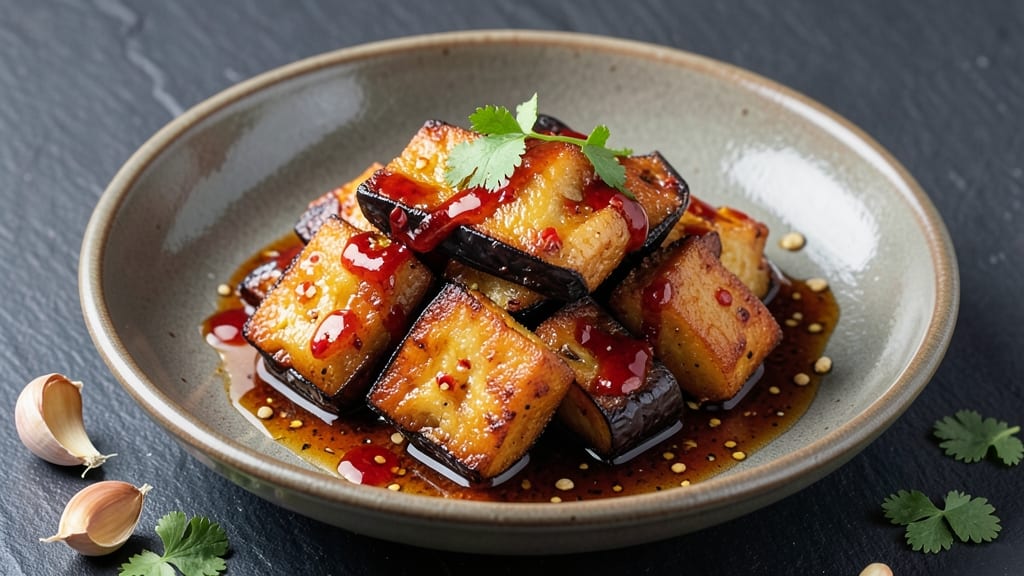
This spicy fried eggplant recipe delivers crispy, golden bites that pack a fiery umami punch—perfect for vegetarian meals or bold flavor cravings. The secret starts with salting the eggplant to remove excess moisture, ensuring it fries up perfectly crispy rather than soggy.
What sets this dish apart is the balance of heat and depth: chili flakes bring the fire, while soy sauce and garlic powder create that addictive savory backbone.
What you'll achieve is restaurant-quality texture—shatteringly crispy edges that give way to tender, flavorful centers—all while maintaining that satisfying crunch. The dish comes together in just 30 minutes, making it ideal for weeknight dinners or meal prep.
Serve it alongside steamed rice to soak up every last bit of that spicy, savory sauce, or pair it with a cooling yogurt dip to balance the heat.
The magic happens in the frying process: a light cornstarch coating ensures maximum crispiness, while the oil stays hot enough to create that signature golden-brown crust. This recipe is foolproof for beginners but impressive enough for seasoned cooks—no special equipment needed, just a few simple techniques and quality ingredients.
Once you try this version, you'll never settle for bland eggplant again. The combination of heat, umami, and crispy texture makes it a standout dish that works as a main course or flavorful side. Ready to transform this humble vegetable into something extraordinary?
Ingredients for spicy fried eggplant
Restaurant-quality crispy eggplant starts with these twelve ingredients—simple but powerful for bold umami heat.
| Ingredient | Amount | Notes |
|---|---|---|
| Japanese Eggplant 🍆 | 1 ½ lb | Cut into 1-inch cubes |
| Cornstarch 🌾 | ½ cup | Light coating for crispiness |
| Vegetable Oil 🫒 | 3 cups | High smoke point preferred |
| Red Chili Flakes 🌶️ | 2 tbsp | Adjust for heat preference |
| Soy Sauce 🥢 | ¼ cup | Low-sodium preferred |
| Garlic Powder 🧄 | 1 ½ tsp | Freshly ground preferred |
| Ground Black Pepper 🌶️ | ½ tsp | Freshly ground for best flavor |
| Sea Salt 🧂 | 1 ½ tbsp | Diamond Crystal preferred |
| White Vinegar 🍶 | 1 tbsp | For salting process |
| Sesame Oil 🫒 | 1 tbsp | Toasted sesame preferred |
| Green Onions 🧅 | 3 whole | Thinly sliced for garnish |
| Toasted Sesame Seeds 🌰 | 1 tbsp | For finishing touch |
Japanese eggplant is non-negotiable here—its tender flesh fries up perfectly without turning mushy. Asian markets carry them regularly, but most grocery stores stock them too. Look for firm, glossy-skinned eggplant with no soft spots. The key prep step is salting: sprinkle the cubed eggplant with 1.5 tbsp sea salt and let it sit for 30 minutes to draw out excess moisture. Rinse and pat thoroughly dry before coating. For the oil, vegetable or canola works best—avoid olive oil, which burns at frying temperatures.
No Japanese eggplant? Regular globe eggplant works in a pinch, but it's denser and may not crisp as dramatically. Chili flakes can be swapped for gochugaru (Korean chili powder) at half the amount for a deeper flavor. Soy sauce substitutes? Tamari or coconut aminos work beautifully, though tamari has a more robust umami profile. The cornstarch is critical—all-purpose flour won't give the same crispy texture. For extra depth, add 1 tsp smoked paprika to the seasoning mix before frying. Fresh garlic powder? Toast whole garlic cloves in a dry pan before grinding for an intense aroma.
The salting process removes moisture, so pat the eggplant very thoroughly before frying—this is what ensures that signature crisp. Store leftover fried eggplant in an airtight container for 3-4 days, though it's best enjoyed fresh. For meal prep, fry just before serving to maintain crispiness. The sesame oil and seeds keep for 6-12 months in a cool, dark place, while the chili flakes stay potent for up to a year if stored properly. Double the batch and freeze portions for 3 months—just reheat in a skillet for 2-3 minutes to revive the crunch.
Why You'll Love This Recipe
- Five-Ingredient Magic: I swear, this recipe is one of those "how did I live without this?" moments. Japanese eggplant slices, a quick cornstarch dredge, and a splash of soy sauce—no fancy prep, no stress. The chili flakes add heat without overpowering, and honestly? The oil bath makes the eggplant crisp up like a dream.
- Crispy-Creamy Heaven: That first bite—where the outside shatters into golden crunch and the inside melts into tender, saucy goodness—is chef’s kiss. The cornstarch coating locks in the flavor while the soy and chili soak in just enough to make every piece addictive. Not too greasy, not too dry—just right.
- Leftover Goldmine: Between us, this keeps better the second day. The eggplant absorbs the soy and chili like a sponge, so reheated slices are just as satisfying (or better, because the flavors deepen). Toss them into rice bowls, ramen, or even a quick stir-fry—it’s my lazy night’s best friend.
- Budget Crunch-Saver: Japanese eggplant is affordable, and a single batch feeds four with leftovers. The cornstarch and oil are pantry staples, and chili flakes stretch a long way. I’ll be real: this is the kind of recipe that makes grocery day feel like a win, especially when it costs pennies per serving.
Step-by-step instructions for crispy spiced eggplant
Transform tender Japanese eggplant into golden, shatteringly crisp bites with a perfect balance of heat and umami.
Prepare the Eggplant for Maximum Crispiness
Cut the 1.5 lb Japanese Eggplant into 1-inch cubes, working quickly to minimize oxidation. Japanese eggplant has thinner skin and fewer seeds than its Italian cousin, which makes it ideal for frying. Place the cubes in a colander and sprinkle evenly with 1.5 tbsp Sea Salt and 1 tbsp White Vinegar. Let them sit for 15 minutes—this draws out excess moisture and creates that signature crispy exterior.
After the salting time, rinse the eggplant under cold water and pat completely dry with paper towels. Any remaining moisture will prevent proper crisping. Arrange the cubes on a wire rack set over a baking sheet and let them air-dry for 30 minutes. This final drying step is crucial—it ensures the cornstarch coating adheres perfectly and creates that satisfying crunch when fried.
Create the Crispy Cornstarch Coating
In a large bowl, combine 0.5 cup Cornstarch, 1.5 tsp Garlic Powder, 0.5 tsp Ground Black Pepper, and 2 tbsp Red Chili Flakes. The cornstarch will be your secret weapon for achieving that restaurant-quality crispiness. Toss the dried eggplant cubes in this mixture until they're evenly coated, shaking off any excess. For best results, work in batches if needed—this ensures each piece gets fully encased in the seasoned starch.
Let the coated eggplant rest for 10 minutes at room temperature. This allows the cornstarch to slightly absorb into the eggplant surface, which prevents the coating from falling off during frying. I know it seems counterintuitive to wait, but trust me—this brief resting period makes all the difference in achieving that perfect golden crust.
Fry to Golden Perfection
Heat 3 cups Vegetable Oil in a deep skillet or Dutch oven to 350°F using a thermometer for precision. The oil should be hot enough to create small bubbles around the eggplant when added—this is your signal it's ready. Working in batches to avoid overcrowding (which lowers oil temperature), carefully add the coated eggplant cubes. Fry for 3-4 minutes per batch until they turn a deep golden brown color.
Use a slotted spoon to transfer the fried eggplant to a paper towel-lined plate. The cubes should be crisp enough to hold their shape when lifted but still tender inside. If any pieces brown too quickly, reduce the heat slightly next time—you're aiming for even cooking throughout. The oil temperature is critical here: too hot and they'll burn; too cool and they'll absorb oil instead of crisping.
Assemble with Fiery Umami Sauce
In a small saucepan, combine 0.25 cup Soy Sauce and 1 tbsp Sesame Oil over medium heat. Let it simmer for 2-3 minutes until slightly reduced and glossy. Remove from heat and stir in 1 tbsp Toasted Sesame Seeds. This simple sauce cuts through the richness of the fried eggplant while adding depth of flavor.
To serve, arrange the crispy eggplant on a platter and drizzle generously with the warm sauce. Garnish with thinly sliced 3 whole Green Onions for freshness and color contrast. The combination of crispy exterior, tender interior, and fiery umami sauce creates a perfect balance of textures and flavors that will leave your guests asking for seconds.
Pro Tips For Making Spicy Fried Eggplant
- Dry the Eggplant Thoroughly: Japanese eggplant soaks up oil like a sponge—skip the paper towel drama and pat it really dry with a clean kitchen towel. I learned this the hard way when my first batch turned greasy instead of crispy, and trust me, you don’t want soggy eggplant in your fried dish.
- Use Cornstarch, Not Flour: Cornstarch gives that perfect golden crust while keeping the inside tender—flour makes it gummy. Mix 2 tablespoons with a pinch of salt, then toss the eggplant slices in it like you’re coating them in armor. (Yes, even if you’re impatient like me, resist the urge to skip this step.)
- Fry in Batches, Don’t Crowd: Overcrowding drops the oil temperature and steams the eggplant instead of frying it. Work in small batches—2-3 slices at a time—so they sizzle and turn golden in under 2 minutes per side. Your future self will thank you when the texture is crispy, not limp.
- Salt the Soy Sauce First: Plain soy sauce tastes bland in this dish—mix it with a teaspoon of salt and a splash of water before tossing it with the fried eggplant. My grandmother swore by this, and she was right: the flavor sticks better and cuts through the heat of the chili flakes.
Flavor customization for this recipe
Heat Level Control
Adjust the red chili flakes to match your heat tolerance—start with 1 tbsp for mild heat, 2 tbsp for medium, and 3 tbsp for fiery intensity. For a smoky depth, add ½ tsp smoked paprika to the cornstarch coating.
I find gochugaru (Korean chili powder) adds a fruity heat that pairs beautifully with the umami. 🌶️
Sweet-Spicy Balance
Add 1 tsp honey or maple syrup to the soy sauce for a sweet-spicy contrast. This works especially well with 1 tbsp grated ginger and a pinch of white pepper for complexity.
The sweetness mellows the heat while enhancing the eggplant's natural richness. Trust me, your taste buds will thank you.
Cheesy Umami Boost
Sprinkle ¼ cup grated Parmesan cheese over the fried eggplant before serving for a salty, nutty depth. The cheese melts slightly from the residual heat, creating a crispy-cheesy crust. For extra indulgence, add 1 tbsp nutritional yeast—it gives a cheesy flavor without dairy. Perfect for vegetarians!
Herbaceous Freshness
Finish with 2 tbsp chopped cilantro or thai basil for a bright, herbaceous note that cuts through the richness. The fresh herbs add color and a citrusy contrast to the fried eggplant's smoky-sweet profile. I especially love this with lime wedges on the side for squeezing. ✨
Smoky Charred Twist
For a smoky flavor without a grill, add ½ tsp liquid smoke to the soy sauce or toss the fried eggplant with 1 tsp smoked salt before serving. Pair this with pickled red onions (thinly sliced onions soaked in 1 tbsp vinegar + 1 tsp sugar) for tangy crunch.
This fusion of textures elevates the dish to restaurant-quality.
Creamy Cooling Dip
Serve with a yogurt dip made from ½ cup Greek yogurt, 1 tbsp lemon juice, and ½ tsp cumin. This balances the heat while adding a creamy contrast.
For extra richness, stir in 1 tbsp tahini and a pinch of salt. The dip turns this dish into a perfect appetizer or snackable bite. 💛
Nutrition facts
Frequently asked questions
Why does the recipe call for salting the eggplant before frying?
Salting removes excess moisture from the eggplant, which prevents soggy results when frying. The 15-minute salt bath draws out water, while the 30-minute air-dry ensures the cornstarch coating sticks perfectly for maximum crispiness. Without this step, your eggplant will absorb oil instead of getting that golden, shatteringly crisp texture.
Can I use regular eggplant instead of Japanese eggplant?
Yes, but expect slightly denser texture—Japanese eggplant has thinner skin and fewer seeds, making it ideal for frying. For regular eggplant, increase the salt time to 20 minutes and pat extra dry. The cornstarch coating will still work, but the yield may be 10% less crispy. For best results, stick with Japanese eggplant when possible.
How do I adjust the heat level for sensitive eaters?
Reduce the red chili flakes to 1 tbsp for mild heat, or swap them for ½ tsp cayenne pepper for a smoother burn. For no heat at all, omit the chili flakes entirely and add 1 tsp smoked paprika for depth. The soy sauce already provides umami, so the dish will still taste delicious.
Can I make this recipe ahead of time?
Fry the eggplant fresh for best texture, but you can prep the coating and sauce 1 day ahead. Store the cornstarch mixture in an airtight container and the soy sauce base separately. Reheat fried eggplant in a 350°F oven for 5-7 minutes to revive crispiness. For meal prep, fry in smaller batches and store in a single layer to maintain crunch.
What oil works best for frying?
Use vegetable, canola, or peanut oil—they have high smoke points (400°F+) and neutral flavors. Avoid olive oil (smoke point 350°F) as it burns easily. For extra flavor, try avocado oil, but it's pricier. Keep the oil temperature at 350°F for perfect golden-brown results.