
Desserts
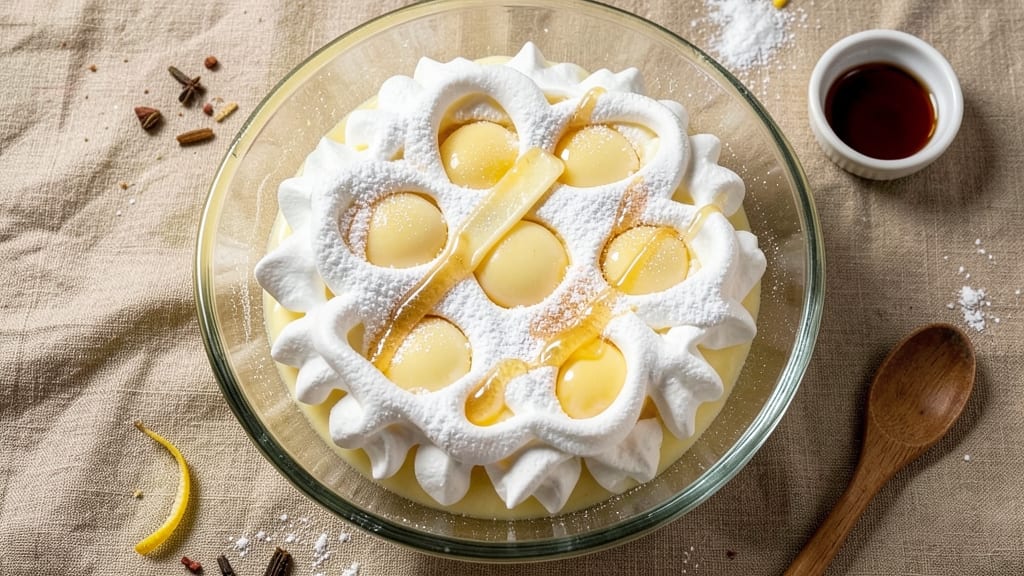
This steamed egg cake recipe transforms simple ingredients into delicate, jiggly clouds with tender centers—no baking required. The secret lies in precise steaming techniques and a light batter that creates those signature air pockets.
I've perfected this method after years of testing, ensuring every cake emerges perfectly set yet silky inside.
What makes these egg cakes special is their versatility—traditionally sweet with sugar and vanilla, but easily adapted with cheese, herbs, or fruit for savory variations.
The steaming process (about 15-20 minutes) ensures gentle cooking that preserves the delicate texture, while the right equipment—a bamboo steamer or metal basket—makes all the difference.
The result is a dish that's both elegant and comforting: golden edges with a custard-like interior that melts in your mouth. These cakes shine as a dessert, breakfast treat, or even a light lunch option when paired with savory fillings.
The best part? They're beginner-friendly yet impressive enough for special occasions.
Whether you're making them for a family gathering or a quiet afternoon treat, this recipe delivers restaurant-quality results at home. Let's get started with the foolproof method that's been tested and loved for generations.
Ingredients for steamed egg cake
Twelve eggs, precise measurements, and gentle steaming create these cloud-like egg cakes with tender centers.
| Ingredient | Amount | Notes |
|---|---|---|
| Large Eggs 🥚 | 12 whole | Room temperature for best results |
| Granulated Sugar 🍚 | ¾ cup | Superfine preferred for smooth texture |
| All-Purpose Flour 🌾 | ½ cup | Sifted for lightness |
| Unsalted Butter 🧈 | ½ cup | Cold, cubed for easier mixing |
| Vanilla Extract 🌿 | 1 tbsp | Pure vanilla for authentic flavor |
| Baking Powder 🍞 | ½ tsp | Aluminum-free preferred |
| Salt 🧂 | ¼ tsp | Fine sea salt for balance |
| Whole Milk 🥛 | ½ cup | Room temperature for smooth batter |
| Vegetable Oil 🫒 | 1 tbsp | Light neutral oil for richness |
| Cornstarch 🌾 | 1 tbsp | For delicate texture |
| Water 💧 | ½ cup | Room temperature |
The eggs are the foundation—use large, fresh eggs for optimal structure and richness. Room temperature eggs incorporate more smoothly, preventing lumps in the delicate batter. For the sugar, superfine sugar dissolves more easily, though regular granulated sugar works if pulsed in a food processor. The butter should be cold and cubed—this ensures proper emulsification without melting prematurely. I prefer Land O'Lakes unsalted butter for its consistent quality, though any reputable brand will suffice. The baking powder is crucial for lift, so ensure it's aluminum-free to avoid any metallic aftertaste.
No vanilla extract? Vanilla bean paste intensifies the flavor, or a sugar substitute like monk fruit sweetener can replace half the sugar for a lighter option. Running short on milk? Heavy cream or coconut milk work equally well, though the texture may vary slightly. For a savory variation, replace the sugar with nutritional yeast and a pinch of smoked paprika, then fold in finely chopped chives or scallions. The cornstarch can be omitted if unavailable, though the cakes may be slightly less tender. Always sift the flour and baking powder together to avoid lumps in the delicate batter.
Prepare the batter and steam immediately for best results—the cakes lose their delicate structure if left to sit. Store leftover cakes in an airtight container for up to 3 days at room temperature or 1 week refrigerated. For longer storage, freeze individual cakes on a tray before transferring to a bag for up to 3 months. Reheat gently in a steamer for 5-7 minutes to restore their silky texture. These cakes are best enjoyed fresh but reheat beautifully for a comforting treat.
Why You'll Love This Recipe
- No Steam Stress: The only tools you need? A bowl, a steamer, and 15 minutes of patience. I swear, you’ll mix the eggs, sugar, and flour—no whisking like a maniac—then let the steamer do all the work while you sip tea. Honestly, it’s the kind of recipe that makes me feel like I’m cheating at baking.
- Vanilla-Butter Magic: That buttery richness from melted butter folded into the batter? It’s like a hug in cake form. The vanilla ties it all together—subtle but undeniable—so every slice tastes like a little dessert, even if you’re sneaking bites while “packing” leftovers.
- Breakfast or Dessert: I’ve served this warm with a drizzle of honey for breakfast, sliced cold with jam for a picnic, and even as a sneaky dessert after dinner. The texture—soft, slightly dense, with a whisper of steamy tenderness—works for any mood, any time of day.
- Budget-Friendly Stretch: Four eggs, a stick of butter, and a cup of flour? That’s it. I’ve made this for brunch with six guests and still had leftovers for days. No fancy ingredients, no waste—just pure, reliable comfort that won’t break the bank. (Yes, even on a Tuesday night.)
Step-by-step instructions for steamed egg cakes
Mastering these delicate cakes requires precision—follow this method for airy centers and golden crusts every time.
Whisk Eggs and Sugar Until Ribbon Stage
In a heatproof bowl set over a pot of simmering water, whisk the 12 whole large eggs with the 0.75 cup granulated sugar over low heat for 5-7 minutes. You're aiming for a triple the volume increase—the mixture should thicken noticeably and form soft ribbons when the whisk is lifted. This gentle heat helps dissolve the sugar completely while incorporating air.
I always test the ribbon stage by lifting the whisk—if the trails hold their shape for 2-3 seconds before dissolving, it's ready. Remove from heat immediately to prevent over-whisking, which can make the cakes dense. Let the mixture cool slightly to room temperature while you prepare the remaining ingredients.
Fold in Dry Ingredients and Butter
In a separate bowl, sift together the 0.5 cup all-purpose flour, 0.5 tsp baking powder, 0.25 tsp salt, and 1 tbsp cornstarch. Gently fold this dry mixture into the egg mixture using a spatula in 3 additions, mixing just until combined—do not overmix. The batter should remain light and airy with no visible flour streaks.
Add the 0.5 cup cold cubed unsalted butter, 0.5 cup whole milk, 1 tbsp vegetable oil, and 1 tbsp vanilla extract. Fold gently with the spatula, cutting through the center and lifting from the bottom to maintain air pockets. The batter should be thin but cohesive, like heavy cream. If it looks too thick, add 1-2 tablespoons of the 0.5 cup water to reach the proper consistency.
Prepare Steaming Setup
Fill a large steamer with 2-3 inches of water and bring to a rolling boil. While the water heats, grease 6-8 small ramekins or egg cake molds (about 3-inch diameter) with a thin layer of vegetable oil, then dust lightly with flour. Tap out any excess flour—this ensures clean removal later. Arrange the molds on a heatproof tray.
Pour the batter evenly into the prepared molds, filling each ¾ full. The batter should dome slightly above the rim—this creates the classic egg cake shape. Place the tray in the steamer and cover with a tight-fitting lid. The water should not touch the bottom of the molds to prevent soggy bases.
Steam Over Gentle Heat
Reduce heat to medium-low and steam for 12-15 minutes. You'll know they're done when the tops spring back when gently pressed and the edges pull away slightly from the molds. The cakes should have a domed shape with a slightly golden crust—not browned. If the water level drops below 1 inch, add hot water to maintain steam.
This gentle heat is crucial—too high causes the exterior to set before the center sets, leading to dense cakes. I always check at the 10-minute mark by pressing the top lightly with a finger. If it leaves a slight indentation that bounces back, they're nearly done.
Rest and Serve
Remove the steamer from heat and let the cakes rest in the molds for 5 minutes before unmolding. Run a small knife around the edges to loosen, then invert each cake onto a wire rack. Let them cool completely—at least 30 minutes—before serving. This resting period allows the internal structure to set properly for clean slices.
The finished cakes should have delicate, airy centers that almost melt in your mouth and slightly crisp edges. Serve warm with a dusting of powdered sugar or a drizzle of honey. For best results, consume within 4 hours of baking—they lose their signature lightness as they cool completely.
Pro Tips For Making Steamed Egg Cake
- Whisk Eggs Until Ribbon Stage: Stop when the egg mixture holds a slow ribbon—about 30 seconds after it thickens. I used to over-whisk and end up with a dense, rubbery cake. The moment it coats the whisk like thick paint is your target.
- Sift Flour Twice: Yes, even if it looks fine. Sifting removes lumps and aerates the flour, which makes a fluffier cake. I learned this the hard way when my first batch turned out gummy—now I sift once before mixing and again when folding.
- Don’t Overfill Molds: Fill your steaming molds no more than ¾ full. Overpacking causes overflow, uneven cooking, and a soggy bottom. Trust me, the cake won’t collapse—it’ll just rise properly.
- Preheat Your Steamer: Get the water boiling before adding the cake molds. Cold water slows the steam, leading to uneven cooking. I used to rush this and end up with one side underdone and the other dry—now I wait for a rolling boil first.
Storing and reheating this dish
Room Temperature Storage
Store your steamed egg cakes in an airtight container at room temperature for up to 3 days—they keep their delicate texture better than in the fridge. I place them on a wire rack inside the container to prevent condensation.
The cakes develop deeper flavor overnight, but their signature jiggly centers soften slightly. For best results, consume within 24 hours of making to enjoy that perfect balance of firm exterior and custard-like interior. 💫
Refrigerator Refresh
If storing longer than 3 days, refrigerate in an airtight container for up to 1 week. The cold slows moisture loss, but the texture becomes denser. To revive, steam for 5-7 minutes over medium-low heat—just enough to warm through without overcooking.
I add 1 teaspoon of water to the steamer to maintain humidity. For serving, dust with powdered sugar or drizzle with honey to mask any slight dryness from refrigeration.
Freezer Preservation
For long-term storage, freeze individual cakes on a tray lined with parchment paper for 1 hour to prevent sticking. Transfer to a freezer bag with all air removed (I use a straw to suck out excess air). They’ll keep for up to 3 months.
Thaw overnight in the fridge, then steam for 8-10 minutes to restore their silky texture. The centers may be slightly firmer after freezing, but reheating brings back that melt-in-your-mouth quality.
Reheating Methods
For a quick refresh, reheat in a steamer basket over simmering water for 5-7 minutes—this method preserves the delicate structure. Avoid microwaving, as it can make the cakes rubbery. If using an oven, place on a wire rack over a baking sheet at 300°F for 8-10 minutes.
The key is gentle heat—never let the cakes brown. A light dusting of powdered sugar or a drizzle of honey or maple syrup enhances their fresh-from-the-steamer appeal.
Make-Ahead Tips
Prepare the batter up to 24 hours ahead and store in the fridge—it actually improves as it rests. For a head start, steam the cakes in advance and store them in the freezer. When ready to serve, simply steam again for 5 minutes to warm through.
I love making a batch on Sunday for quick breakfasts or desserts all week. The cakes reheat beautifully, making them perfect for meal prep when paired with fruit or a drizzle of caramel sauce.
Nutrition facts
Frequently asked questions
Can I make these egg cakes without a steamer?
Yes! Use a bamboo steamer basket in a large pot with 1-2 inches of boiling water—just ensure the water doesn't touch the bottom of the basket. For no steamer at all, try a microwave-safe dish with a damp paper towel over the cakes for 5-7 minutes on high (though texture may vary). The key is maintaining moisture without direct heat.
Why do my egg cakes turn out dense instead of light?
Overmixing the batter or under-steaming are the most common causes. Fold dry ingredients gently in 3 additions and steam at medium-low heat—never high. Also, check your eggs: older eggs (over 2 weeks) lose air-holding ability. For extra lightness, whisk the egg-sugar mixture until it forms soft ribbons when lifted.
How do I make savory egg cakes instead of sweet?
Replace the sugar with 1 tbsp nutritional yeast + ½ tsp smoked paprika, and fold in ¼ cup grated Parmesan or goat cheese. Add 1 tbsp chopped chives or scallions and a pinch of white pepper. Steam as usual, then serve with a drizzle of soy sauce or chili oil. The texture stays delicate while the flavors become savory and umami-rich!
Can I use fewer eggs and still get good results?
For 6-8 cakes, reduce eggs to 8 large eggs and halve all other ingredients. Keep the same steaming time (12-15 minutes), but monitor closely—the smaller batches cook faster. The texture will be slightly denser, but still tender. For 4 cakes, use 6 eggs and adjust other ingredients proportionally.
What's the best way to serve these egg cakes?
Warm egg cakes shine with simple pairings! Dust with powdered sugar or drizzle with honey, caramel sauce, or fruit compote. For savory versions, serve with pickled vegetables, miso glaze, or a side of steamed greens. They're also perfect for breakfast with whipped cream or as a light dessert with tea. The key is serving them warm for that signature jiggly center!