
Beverages
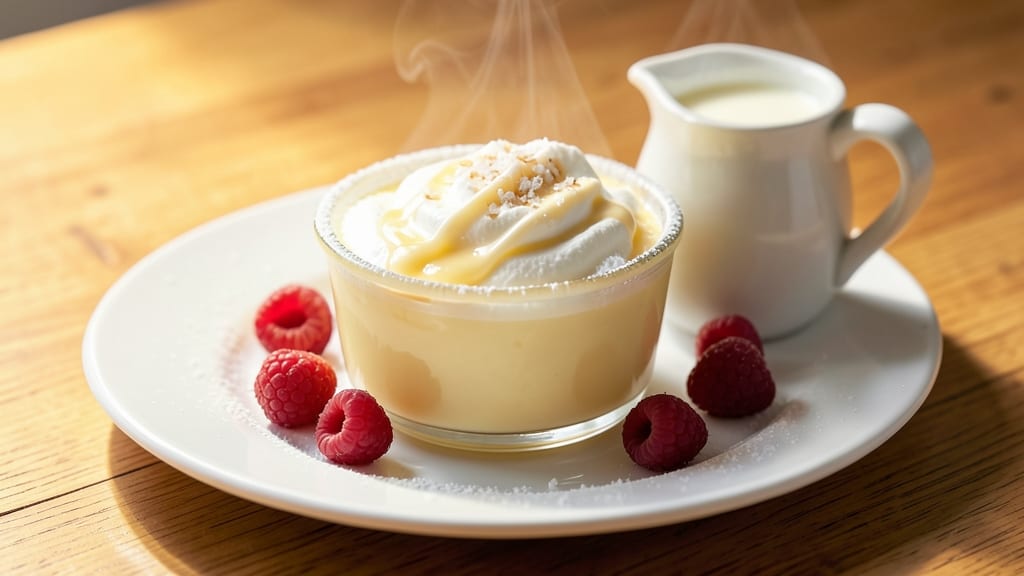
This steamed egg pudding delivers a luxurious balance of silky texture and golden crispness—perfect for breakfast or dessert. 💛 The secret lies in precise egg mixture preparation and gentle steaming, transforming simple ingredients into a restaurant-worthy dish.
I’ve refined this recipe over years to ensure it’s foolproof, whether you’re making the classic version or experimenting with flavors like matcha or chocolate.
The magic happens in the egg custard: a smooth blend of eggs, sugar, and milk that steams into tender, jiggly perfection. Unlike baked custards, this method preserves a delicate, almost wobbly center while developing a crisp top.
Traditional Japanese chawanmushi and British egg puddings share this technique, but this version is simplified for home cooks—no special equipment required.
By the end, you’ll have a dish that’s elegant enough for brunch but easy enough for weeknights. The golden crust contrasts beautifully with the velvety interior, and optional toppings like fruit compote or caramelized sugar add a touch of indulgence.
This recipe scales effortlessly, so you can serve it as a single indulgence or a crowd-pleasing centerpiece.
Ready to master the art of steamed egg pudding? Let’s get started—your taste buds will thank you.
Ingredients for steamed egg pudding
Eggs, cream, and precise technique create this restaurant-worthy steamed egg pudding with velvety interior and crisp golden top.
| Ingredient | Amount | Notes |
|---|---|---|
| Large Eggs 🥚 | 6 whole | Room temperature for even cooking |
| Heavy Cream 🥛 | ½ cup | Full-fat for optimal texture |
| Whole Milk 🥛 | ½ cup | Warmed to 80°F for smooth blend |
| Granulated Sugar 🍚 | ¼ cup | Superfine preferred for even dissolving |
| Unsalted Butter 🧈 | 2 tbsp | Cold, cubed for crisp top |
| Diamond Crystal Kosher Salt 🧂 | ½ tsp | Adjust to taste after steaming |
| White Vinegar 🍶 | 1 tbsp | Balances sweetness subtly |
| Vanilla Extract 🌿 | ½ tsp | Pure Madagascar preferred |
| Cornstarch 🌾 | 1 tbsp | For silky custard texture |
| Puffed Rice Cereal 🍚 | ¼ cup | For crisp topping layer |
| Fresh Dairy Butter 🧈 | 1 tbsp | For greasing ramekins |
The eggs are the foundation—use room-temperature ones for even cooking, as cold eggs create uneven textures. Pasture-raised eggs from specialty grocers like Whole Foods or local farms yield richer flavor, but store-bought large eggs work perfectly fine. Heavy cream and whole milk should be warmed to 80°F before blending to ensure a silky custard; microwave in 20-second bursts while stirring. For sugar, superfine granulated dissolves more easily, though regular sugar works if pulsed in a food processor first. The butter matters too—European-style butter with 82% fat content (like Plugrá) develops a superior crisp top.
No heavy cream? Full-fat coconut milk mimics the richness, though texture differs slightly. Substitute milk with almond milk only if using an extra 1 tbsp cornstarch to compensate for lower fat. For vinegar, lemon juice works in a pinch, though white vinegar's tang is ideal. The vanilla extract should be pure Madagascar bourbon—imitation extracts lack depth. If you're making matcha or chocolate versions, use high-quality matcha powder (like Ippodo) or unsweetened cocoa powder (not Dutch-processed, which alters acidity). The puffed rice cereal can be swapped for Japanese rice crackers (like Senbei) for an authentic touch, though they require more butter.
Prevent eggshells from falling into your custard by cracking them into a separate bowl first. Store uncooked custard mixtures in airtight containers for up to 2 days in the fridge, though texture may change slightly after reheating. Once steamed, puddings keep 3 days refrigerated or 1 month frozen—thaw overnight in the fridge. For serving, dust with powdered sugar or drizzle with caramelized honey (heat honey until golden, then cool). The crisp top is best enjoyed immediately, but reheating in a 350°F oven for 5 minutes restores its snap.
Why You'll Love This Recipe
- No Whisking Madness: I swear by this recipe because you’re basically just pouring ingredients into a bowl—no overmixing, no lumps, no stress. The eggs and cream blend together so smoothly, you’ll wonder why you ever feared custards.
- Silky Smooth Payoff: That perfect balance of creamy richness from the heavy cream and whole milk, with just the right amount of sweetness? It’s like dessert and breakfast had a baby, and honestly, who’s judging at 9 AM?
- Steam Bath Magic: Between us, this is my go-to for lazy Sundays or when I’m hosting—it’s effortless to scale up or down, and the steam bath (yes, just a bowl of boiling water) does all the work while I sip tea.
- Leftover Luxury: Make a big batch, and you’ve got a breakfast, snack, or dessert covered for days. The texture stays luscious even reheated, and I’ve been known to freeze portions for when I’m too tired to cook. (Guilty.)
Step-by-step instructions for steamed egg pudding with perfect texture
Master this delicate technique for velvety custard and a crackly rice topping every time.
🍳 Step 1: Warm Milk and Whisk Egg Mixture
In a medium saucepan, gently warm the 0.5 cup whole milk and 0.5 cup heavy cream over medium-low heat until reaching 80°F—just warm to the touch. Remove from heat and let sit for 2 minutes to stabilize temperature.
In a separate bowl, whisk together the 6 whole large eggs, 0.25 cup granulated sugar, 0.5 tsp Diamond Crystal kosher salt, 1 tbsp white vinegar, and 0.5 tsp vanilla extract until completely smooth. The vinegar prevents curdling by gently coagulating the eggs. Add the warmed dairy mixture in a slow stream while whisking continuously to temper the eggs evenly.
👨🍳 Step 2: Incorporate Cornstarch and Strain
Sift in the 1 tbsp cornstarch and whisk vigorously for 30 seconds until fully dissolved. This creates the silky texture by thickening the custard gently. Strain the mixture through a fine-mesh sieve into a clean bowl to remove any potential lumps or cooked egg bits that could make the pudding grainy.
Return the strained mixture to the saucepan and cook over low heat, stirring constantly with a silicone spatula, until it thickens to 170°F and coats the back of a spoon. You'll notice it go from runny to a pudding-like consistency—this is your target. Remove immediately when it reaches temperature to prevent overcooking.
🥘 Step 3: Prepare Ramekins and Assemble
Generously grease four 6-ounce ramekins with the 1 tbsp fresh dairy butter, coating the sides and bottom thoroughly. This prevents sticking and creates that signature golden edge. Divide the custard evenly among the ramekins, filling each about ¾ full—they'll puff slightly during steaming.
Sprinkle each ramekin with 1 tablespoon puffed rice cereal, pressing it gently into the custard surface. The cereal will absorb moisture and create that coveted crispy top. Cover each ramekin tightly with aluminum foil, then place them in a steamer basket over 1 inch of simmering water in a pot.
⏰ Step 4: Steam to Perfect Doneness
Bring the water to a gentle simmer—you should see small bubbles breaking the surface but not a rolling boil. Steam the puddings for 25-30 minutes until the custard is set but still slightly jiggly in the center. The cereal topping should be golden brown and crisp around the edges.
Test doneness by gently shaking a ramekin—if it wobbles slightly but doesn't spill, it's ready. Remove from the steamer and let cool for 5 minutes before inverting onto serving plates. The crisp topping will hold perfectly when cool, creating that satisfying contrast with the silky custard.
🔥 Step 5: Serve Warm with Optional Garnish
Run a knife around the edges to loosen, then invert each pudding onto individual plates. The crisp cereal topping should pop off cleanly, revealing the golden custard underneath. Serve immediately while still warm—this is when the texture is at its peak.
For presentation, dust with powdered sugar or add a dollop of whipped cream. The contrast between the crispy top and silky interior is what makes this classic dessert truly special. Leftovers can be refrigerated for up to 2 days, though they're best enjoyed fresh.
Pro Tips For Making Steamed Egg Pudding
- STEAM AT FULL BOIL: The second you lower the pudding into the steamer, the water should be rolling hard—no simmering, no half-hearted bubbles. I learned this the hard way after making a batch that came out undercooked because I was too busy chatting. Keep the lid slightly ajar for the first 2 minutes to let excess steam escape, then seal it tight. This guarantees even cooking without a gummy center.
- WHISK EGGS UNTIL THICK: Stop when the egg mixture leaves a visible trail on the whisk that holds its shape for 3-4 seconds. I used to whip just until combined, and the pudding would turn out dense and flat. The extra effort incorporates air, which is what makes this dish light and cloud-like. Don’t overdo it—just past the ribbon stage—but don’t skimp either.
- COOL THE MIXTURE FIRST: Let the egg-cream blend sit at room temp for 10 minutes before steaming. Cold ingredients shock the eggs into curdling when they hit the heat, and I’ve seen it happen more times than I’d like. Warm everything slightly—even the steamer basket—so the eggs behave. Trust me, your pudding will thank you with a silky texture.
- SWEETEN THE CREAM: Add the sugar directly to the heavy cream and warm it gently (just until tiny bubbles form at the edges) before mixing with the eggs. This dissolves the sugar completely and prevents graininess. I was skeptical—why bother?—but the difference in texture is noticeable. The pudding stays smooth, not cloyingly sweet.
Flavor customization for this dish
Classic Vanilla Twist
Start with the original recipe’s vanilla extract and elevate it by infusing the custard with 1 tsp vanilla bean paste instead of extract. Scrape the seeds from a split vanilla bean directly into the egg mixture for flecks of flavor.
For extra depth, add ½ tsp orange zest—it brightens the custard without overpowering. 🌿
Matcha Green Tea
Replace the vanilla with 1 tbsp high-quality matcha powder (like Ippodo) and reduce sugar to 0.2 cup to balance bitterness. Whisk the matcha into the warm dairy mixture before combining with eggs. Top with toasted sesame seeds and a drizzle of black sugar syrup for a Japanese-inspired finish. 🍵
Chocolate Indulgence
Add 2 tbsp unsweetened cocoa powder (not Dutch-processed) to the egg mixture, along with 1 tbsp cornstarch for extra richness. Fold in ¼ cup dark chocolate chunks (60% cocoa) before steaming. Garnish with whipped cream and raspberries for a decadent dessert. 🍫
Citrus Zest
Brighten the custard with 1 tbsp lemon or lime zest and 1 tsp juice—it cuts through the sweetness beautifully. For a tropical twist, add ½ tsp grated ginger to the custard. Serve with a honey-lime drizzle and toasted coconut flakes on top. 🍋
Spiced Chai
Infuse the custard with ½ tsp ground cardamom, ¼ tsp cinnamon, and pinch of nutmeg while warming the dairy. Top with a sprinkle of cinnamon sugar and a dollop of saffron-infused whipped cream for a warm, aromatic dessert. ✨
Savory Miso-Ginger
Skip the sugar and vanilla, replacing them with 1 tbsp white miso paste and 1 tsp grated ginger. Add 1 tbsp soy sauce and ½ tsp sesame oil to the custard. Serve with pickled ginger and scallions for a Japanese-inspired breakfast or appetizer. 🌶️
Nutrition facts
Frequently asked questions
Why does my steamed egg pudding turn out grainy?
Graininess usually happens when eggs aren't fully blended or lumps form during cooking. Always strain the custard through a fine-mesh sieve after mixing cornstarch, and whisk constantly over low heat until it reaches 170°F. For extra silkiness, whisk the eggs and sugar together for 2 minutes before adding warm dairy.
Can I make this in a regular oven instead of steaming?
Yes! Preheat oven to 325°F and bake ramekins in a water bath (place them in a baking dish filled with 1 inch hot water) for 35-40 minutes. The texture will be slightly denser than steamed versions, but still delicious. Use the same custard mixture and crisp topping technique.
How do I get the perfect crispy top without burning?
The key is using puffed rice cereal (or Japanese rice crackers) pressed firmly into the custard before steaming. For extra crispness, sprinkle with 1 tsp sugar on top before covering with foil. Steam over medium-low heat—too high heat burns the top before the custard sets. Remove when edges are golden but centers still jiggly.
What's the best way to reheat leftovers?
Steamed egg puddings are best enjoyed fresh, but you can reheat them gently. Wrap in a damp paper towel and microwave for 20-30 seconds (cover with another towel to prevent drying). For oven reheating, bake at 300°F for 10 minutes—this restores some crispness. Avoid high heat as it turns the custard rubbery.
Can I make this without ramekins?
Use small heatproof bowls or even silicone pudding molds. Line them with parchment paper for easy removal. For individual servings, try 4-ounce portions in mini muffin tins (steam for 15-20 minutes). The same custard and topping ratios apply—just adjust cooking time based on container size.