
Desserts
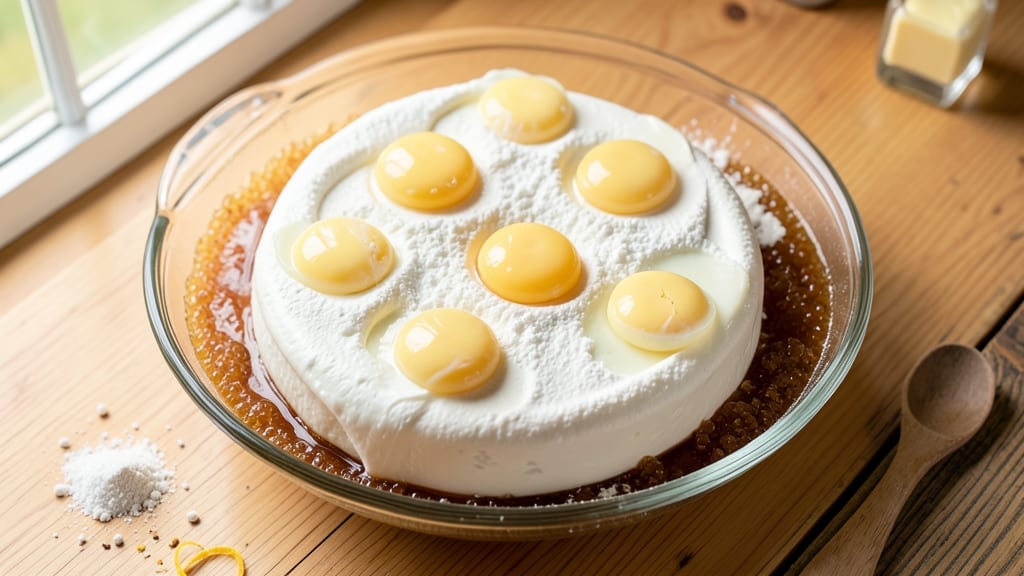
This steamed egg sponge cake delivers the perfect balance of light-as-air texture and moist yet firm bite that keeps it irresistible for hours. The secret lies in precise egg incorporation and gentle steaming, creating a delicate crumb that's neither dry nor gummy—just right.
I've perfected this recipe after years of testing, ensuring every slice maintains its signature tenderness without collapsing.
The beauty of this method is its simplicity: no baking required, just a steamer basket and basic ingredients that transform into something restaurant-worthy. The cake's vegetarian nature makes it versatile for any occasion, while the steaming process preserves moisture better than traditional baking.
What sets this apart is how the eggs create air pockets that stay stable, preventing that dreaded dense texture so common in sponge cakes.
What you'll achieve is a cake that's golden on the outside with a velvety interior that practically melts in your mouth. The gentle heat from steaming ensures even cooking throughout, eliminating the need for precise oven temperatures.
This is the kind of dessert that feels special enough for celebrations but simple enough for everyday indulgence.
Serve it plain dusted with powdered sugar, topped with fresh berries, or layered with whipped cream for a truly elegant finish. The recipe scales beautifully for gatherings, and leftovers stay fresh for days. Here's how to make it perfect every time.
Ingredients for steamed egg sponge cake
Nine essential ingredients transform into an ethereal sponge cake with restaurant-quality texture.
| Ingredient | Amount | Notes |
|---|---|---|
| Large Eggs 🥚 | 8 whole | Room temperature, separated yolks and whites |
| Granulated Sugar 🍚 | 1 ½ cups | Superfine preferred for even dissolving |
| Unsalted Butter 🧈 | ½ cup | Cold, cubed for even distribution |
| All-Purpose Flour 🌾 | 1 ¼ cups | Sifted, light as air |
| Baking Powder 🍞 | ½ tsp | Aluminum-free for delicate texture |
| Vanilla Extract 🌿 | 1 tsp | Pure Madagascar bourbon preferred |
| Powdered Sugar 🍚 | ¼ cup | For final dusting |
| Lemon Zest 🍋 | 1 tbsp | Freshly grated for brightness |
| Salt 🧂 | ¼ tsp | Fine sea salt for balance |
| Water 💧 | ½ cup | Room temperature for steaming |
The eggs are the foundation—room temperature is non-negotiable for proper incorporation. Pasture-raised eggs from Whole Foods or local farms yield superior texture, but any high-quality eggs work. Superfine sugar dissolves more evenly, but pulse regular granulated sugar in a food processor if needed. The butter should be cold and cubed—melting it prematurely risks dense crumbs. For flour, King Arthur brand is ideal due to its fine grind and consistent quality. Baking powder is critical here; Clabber Girl aluminum-free is my go-to for delicate textures. Vanilla extract should be pure bourbon—imitation extracts contain artificial flavors that disrupt the cake's delicate balance.
No vanilla extract? Almond extract at half the amount works in a pinch, though the flavor profile differs. Substitute powdered sugar with confectioners' sugar from a tightly sealed container to avoid clumping. For a citrus twist, orange zest replaces lemon but adjusts the flavor profile slightly. The water must be room temperature—cold water can shock the eggs. If you prefer a richer cake, add 1 tbsp melted butter to the batter. For a gluten-free version, replace flour with 1 cup gluten-free 1:1 baking flour plus 0.5 tsp xanthan gum. The lemon zest can be omitted if you dislike citrus notes, but it enhances the cake's brightness significantly.
This cake keeps beautifully for 3 days at room temperature, wrapped tightly in plastic. For longer storage, freeze slices between parchment paper for up to 3 months. Reheat slices at 200°F for 5 minutes to restore moisture. The steaming process ensures even cooking, but do not oversteam—the cake should be just set when the internal temperature reaches 205°F. For serving, dust with powdered sugar immediately before cutting to maintain that fresh-baked appearance. The cake's structure improves with resting, so allow it to cool completely before slicing for cleaner cuts.
Why You'll Love This Recipe
- I’ll be real: this recipe won’t break the bank. Eggs and flour are cheap staples, and the butter goes a long way. Plus, it keeps well in the fridge for days, so you’re not scrambling to bake something last-minute. Not the prettiest, but the taste makes up for it every time.
- No Fuss, No Fail: I swear by this recipe because it’s the kind of thing you can mix up while scrolling through your phone. Just eggs, sugar, butter, and flour—no fancy techniques, no waiting for ovens to heat. The steaming method means no risk of a dry cake, and honestly? The texture is so light it practically melts in your mouth.
- Butter-Sugar Magic: Here’s what sold me—that perfect balance of rich butter and sugar, but without being cloyingly sweet. The eggs give it a tender crumb, and the baking powder makes it rise just enough to feel special. It’s not overly complicated, but it tastes like you put in hours when you didn’t.
- Steamed for All Occasions: Between us, this cake is my go-to for breakfast, dessert, or even a quick snack. Serve it plain with tea, or slice it into squares for a no-bake dessert. It’s also the kind of thing that reheats beautifully—great for meal prep when you need something portable.
Step-by-step instructions for steamed egg sponge cake
Mastering this delicate sponge relies on precision—temperature, timing, and technique all matter.
Prepare the Egg Yolks and Butter Mixture
In a heatproof bowl, combine the 8 whole Large Eggs, 1.5 cups Granulated Sugar, and the 0.5 cup Unsalted Butter (cold and cubed). Place the bowl over a pot of simmering water, ensuring the bottom of the bowl doesn’t touch the water. Stir constantly with a wooden spoon or electric mixer on low speed for 5-7 minutes until the mixture reaches 160°F—it should triple in volume, become pale, and ribbon when the whisk is lifted.
This gentle heating process incorporates air and emulsifies the fat, creating the cake’s signature lightness. If the mixture curdles, reduce the heat immediately—it’s ready when it’s thick, glossy, and holds its shape when the whisk is raised. Remove from heat and let cool slightly to 110°F before proceeding.
Fold in Dry Ingredients with Precision
Sift together the 1.25 cups All-Purpose Flour, 0.5 tsp Baking Powder, 0.25 tsp Salt, and the 1 tbsp Lemon Zest in a separate bowl. Gradually fold this dry mixture into the egg-yolk mixture using a spatula, cutting through the center to maintain air incorporation. Fold just until combined—no more than 20 strokes—to avoid deflating the batter.
Add the 1 tsp Vanilla Extract last, mixing gently. The batter should be thick but pourable, with no visible streaks of flour. Overmixing develops gluten, which leads to a dense, chewy texture instead of the desired delicate crumb. Cover the bowl and refrigerate for 30 minutes to stabilize the structure.
Whip the Egg Whites to Stiff Peaks
In a clean, grease-free bowl, beat the egg whites (separated earlier) with an electric mixer on high speed until soft peaks form. Gradually add the 0.25 cup Powdered Sugar and continue beating until the meringue forms stiff, glossy peaks that hold their shape when the whisk is lifted. This step is critical—the meringue should be stable enough to hold its form but still light enough to fold seamlessly.
If the meringue is too soft, beat for another 30 seconds; if it’s too stiff, gently fold in 1 tablespoon of room-temperature water to loosen it slightly. The goal is a smooth, velvety texture that blends effortlessly with the yolk mixture.
Combine Meringue and Yolk Mixture
Using a spatula, gently fold one-third of the meringue into the yolk mixture to lighten it. Then, fold in the remaining meringue in two additions, cutting through the center and lifting from the bottom to preserve air pockets. The batter should be uniform in color, with no streaks of white. Stop folding as soon as the batter is fully combined—overmixing collapses the structure.
Transfer the batter to a greased and dusted 8-inch round cake pan (or individual ramekins for smaller portions). Tap the pan gently on the counter to release any air bubbles. The batter should rise slightly when left undisturbed—this confirms proper aeration.
Steam the Cake to Perfection
Place the pan in a steamer basket lined with a damp towel to prevent sticking. Bring 2 inches of water to a gentle simmer in the steamer—never a rolling boil, as this can cause the cake to collapse. Steam the cake for 40-45 minutes until the top springs back when touched lightly and a toothpick inserted into the center comes out clean.
I like to tent the cake loosely with foil after 20 minutes to prevent over-browning while ensuring even cooking. Let the cake cool in the pan for 10 minutes, then invert onto a wire rack to cool completely. The result should be a domed, golden-topped cake with a moist yet firm bite—no dryness, no gummy texture, just perfect balance.
Pro Tips For Making Steamed Egg Sponge Cake
- Whisk Eggs Until Ribbon Stage: Stop when the egg mixture holds a slow, thick ribbon off the whisk for 2 seconds—no need to overbeat or you’ll end up with a dense, rubbery cake. I learned this the hard way after making a batch that collapsed like a sad soufflé.
- Use Room-Temp Eggs: Cold eggs won’t incorporate properly with butter and sugar, leading to uneven texture. Pop them in a bowl of warm water for 10 minutes before cracking—your cake will rise more evenly and stay light.
- Don’t Overfill the Mold: Fill the steaming mold no more than ¾ full or the cake will spill over and steam unevenly. I used to pack it tight, thinking more batter meant more cake—turns out, less is more for a consistent crumb.
- Steam on Medium Heat: High heat = soggy bottoms; low heat = undercooked centers. Keep the water at a gentle simmer (small bubbles, not rolling) and adjust the heat halfway if needed. Your cake’s texture depends on steady, controlled steam.
Make-ahead tips for this dish
Batter Prep Ahead
Prepare the batter up to 24 hours in advance and store it in an airtight container in the refrigerator. The cold environment stabilizes the egg and flour mixture, preventing gluten development and keeping the structure intact.
When ready to steam, let the batter sit at room temperature for 30 minutes before proceeding to restore proper folding consistency. 💡
Steamer Setup
Assemble your steamer the night before if possible. Fill the pot with 2 inches of water and place it on the stove (cold). Cover with a lid to prevent dust and debris from settling.
When you're ready to steam, bring the water to a gentle simmer—this ensures your steamer is ready without preheating the batter. I keep a small towel nearby to dampen the steamer basket for easy release. ⏰
Individual Portions
For make-ahead individual servings, divide the batter into 4-6 ramekins (4-ounce size) and refrigerate uncovered for 1 hour. This allows the top to set slightly, preventing spreading during steaming. Steam these smaller portions for 25-30 minutes—they'll cook faster than the full cake.
Store the baked ramekins in an airtight container for up to 3 days at room temperature. 🍴
Storage Strategies
Once fully cooled, wrap the cake tightly in plastic wrap and place it in an airtight container with a damp paper towel to maintain moisture. This method keeps the cake fresh for 3 days at room temperature.
For longer storage, slice the cake and freeze individual portions between parchment paper for up to 3 months. Thaw at room temperature for 1 hour before serving. 💫
Reheating Tips
To restore moisture to slices, reheat them at 200°F for 5 minutes in the oven. For a quicker option, microwave slices on 50% power for 10 seconds—just enough to soften without drying.
I always dust reheated slices with a pinch of powdered sugar to revive that fresh-baked appearance. Never microwave without covering with a damp paper towel to prevent drying. ✨
Freezing Batter
For ultimate convenience, freeze the unbaked batter in 1-cup portions in airtight containers. Thaw overnight in the refrigerator before steaming. The texture remains just as light and airy when steamed from frozen.
Label containers with the date—frozen batter keeps for 2 months. This is my go-to strategy for last-minute gatherings when I don't have time to prep ahead. 🧊
Nutrition facts
Frequently asked questions
Why does this sponge cake need steaming instead of baking?
Steaming creates a moist, delicate texture without drying out the cake, which is perfect for this egg-based recipe. The gentle heat preserves the air pockets formed during folding, resulting in a lighter crumb than traditional baking. Plus, steaming eliminates the risk of overbaking or uneven cooking in the oven.
Can I make this cake without a steamer basket?
Yes! Use a metal colander or even a heatproof bowl with legs placed over a pot of simmering water. Just ensure the water doesn't touch the cake pan and maintain a gentle simmer—never a rolling boil. A lasagna pan with a rack also works well for even heat distribution.
What's the secret to getting the light, fluffy texture?
The key is threefold: room-temperature eggs (never cold), gentle folding of the meringue (no overmixing), and precise steaming time. The egg whites must reach stiff peaks before folding, and the yolk mixture should be warmed to 160°F while stirring constantly. Every fold counts—stop as soon as combined!
How do I know when the cake is fully cooked?
Look for three signs: the top should spring back when touched lightly, a toothpick inserted in the center should come out clean, and the internal temperature should reach 205°F. The cake will continue setting as it cools, so don't oversteam—40-45 minutes is perfect for an 8-inch pan.
Can I add fruit or chocolate to this recipe?
Fold in ½ cup chopped strawberries or chopped dark chocolate (60%) during the final meringue folding step. For maximum stability, use room-temperature fruit and fold gently to preserve air pockets. Citrus fruits like orange or lemon work beautifully too—just adjust the zest amount to taste.