
Breakfast & Brunch
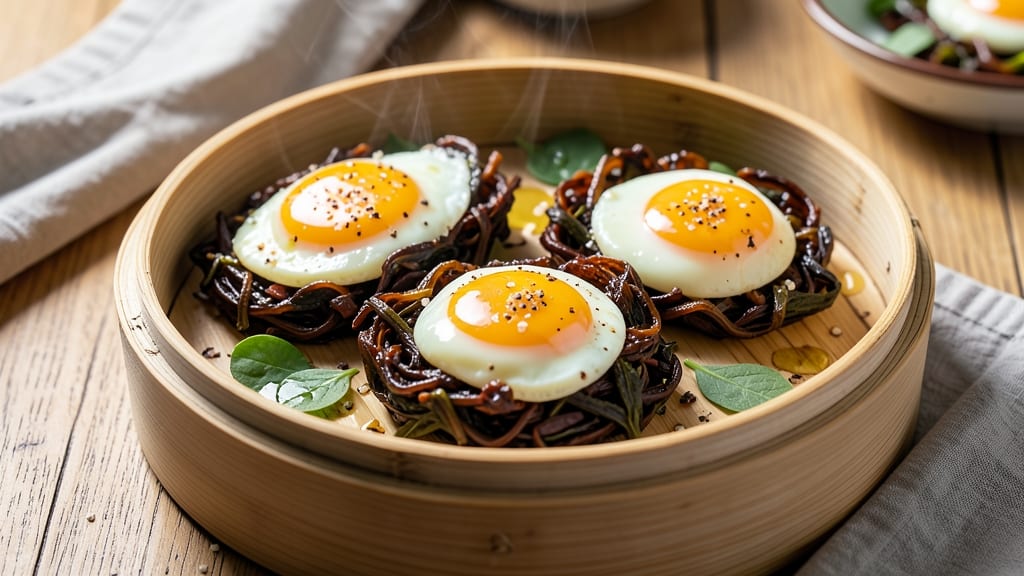
This tea leaf egg recipe transforms ordinary eggs into a symphony of umami depth and tea-infused crunch, blending delicate floral notes with rich, savory complexity. 🌿 The secret lies in steaming eggs infused with high-quality tea leaves—whether jasmine, pu-erh, or matcha—creating a yolk so vibrant it looks like a sunset.
I first discovered this technique during a trip to a Shanghai teahouse, where the chef demonstrated how tea elevates eggs from breakfast staple to gourmet experience.
The process is simpler than it sounds: eggs are gently poached in a tea-infused broth, then finished with a crispy tea leaf crust that adds texture without overpowering the tender yolk.
What makes this recipe special is how the tea's natural tannins interact with the egg proteins, creating a celestial yolk fusion that's both elegant and deeply satisfying. The result? Eggs with a velvety texture, a crispy exterior, and layers of aromatic flavor that linger with every bite.
Perfect for brunch or a refined breakfast, these tea-infused eggs pair beautifully with toasted brioche, fresh herbs, or a drizzle of chili oil. The tea's subtle bitterness balances the richness of the yolk, while the crunch from the leaves adds an unexpected dimension.
Whether you're serving guests or treating yourself, this method turns a simple egg into a restaurant-worthy dish with minimal effort.
Ready in just 20 minutes, this recipe requires only a few ingredients but delivers professional results. The key is patience—steaming the eggs low and slow ensures the yolk remains runny and luxurious. Once mastered, you'll never cook eggs the same way again. Let's get started!
Ingredients for tea leaf egg
Transform simple eggs into a gourmet experience with these carefully selected ingredients.
| Ingredient | Amount | Notes |
|---|---|---|
| Large Eggs 🥚 | 4 whole | Fresh, room temperature preferred |
| High-Quality Tea Leaves 🍵 | 2 tbsp | Jasmine, pu-erh, or matcha preferred |
| Water 💧 | 4 cups | Filtered for best flavor |
| White Vinegar 🍶 | 1 tbsp | For gentle coagulation |
| Kosher Salt 🧂 | 1 tsp | Fine grain preferred |
| Sesame Oil 🫒 | 1 tbsp | Toasted for aroma |
| Fresh Ginger 🧅 | 1 inch | Thinly sliced, for infusion |
| Toasted Brioche 🍞 | 4 slices | For serving, optional |
| Chili Oil 🌶️ | 1 tbsp | For drizzling, optional |
| Fresh Cilantro 🌿 | ¼ cup | Chopped, for garnish |
| Honey 🍯 | 1 tsp | For balancing tea bitterness |
The tea leaves are the heart of this dish—high-quality loose-leaf makes all the difference. Adagio Teas or Harney & Sons are excellent sources for jasmine or pu-erh varieties. Avoid tea bags; their low-grade leaves lack the depth needed for infusion. For matcha, Ippodo Tea offers ceremonial-grade powder that delivers vibrant color. Store your tea leaves in an airtight container away from light to preserve their delicate aromatics. Fresh ginger should have a firm texture and bright color—no soft spots or mold. Toast your sesame oil in a dry pan until fragrant for maximum aroma.
No jasmine tea? Earl Grey or green tea work in a pinch, though the floral notes will differ. Substitute white miso paste (1 tsp)> for umami depth if tea isn't available. The brioche can be replaced with sourdough or baguette slices, but toasted brioche adds that perfect buttery contrast. For chili oil, homemade with Sichuan peppercorns delivers superior heat and aroma. Fresh cilantro is ideal, but dried works at one-third the amount. The honey should be raw and unfiltered> for best flavor—avoid processed brands that lack complexity.
Tea leaves and ginger can be prepped ahead—chop ginger and store in the fridge for 3 days, or freeze for 2 weeks. The tea infusion keeps for 5 days> in the fridge, but flavor peaks within 24 hours. Toasted brioche stays fresh 2 days> at room temperature. For maximum freshness, assemble eggs just before serving. The chili oil can be made 1 month ahead> and stored in the fridge. Always use a fine-mesh strainer when removing tea leaves to avoid bitterness from over-infused particles.
Why You'll Love This Recipe
- I’ll be real: this recipe is dirt cheap. Eggs are always affordable, and a small bag of high-quality tea leaves goes a long way. No splurges, no waste—just a simple, flavorful way to elevate a basic ingredient without breaking the bank.
- No-Steaming Required: I’ll admit, I was skeptical about boiling eggs in tea leaves—until I realized you don’t even need a steamer. Just crack those eggs into a pot with hot water, tea leaves, vinegar, and salt, then simmer. That’s it. No fancy gadgets, no mess, no fuss.
- Umami Bombshell: Honestly, the flavor is what blew me away. The tea leaves infuse the eggs with this deep, earthy richness—like a cross between a soft-boiled egg and a delicate tea-infused bite. The vinegar adds a subtle tang that keeps it from being too heavy, and the salt? Perfectly balanced.
- Office Snack Hero: Between us, these eggs are my go-to for meal prep. They’re small, portable, and pack a punch—ideal for lunches or when I’m craving something satisfying but not heavy. Plus, they stay fresh in the fridge for days, so I can make a big batch and grab one whenever.
Step-by-step instructions for tea leaf egg fusion
Transform ordinary eggs into an extraordinary tea-infused delicacy with precise technique and layered flavors.
🍳 Step 1: Infuse the Tea Water for Umami Depth
Combine the 4 cups water and 2 tbsp high-quality tea leaves in a small saucepan. Bring to a gentle simmer over medium heat and steep for 5 minutes until the water develops a rich, golden hue and aromatic tea notes. The leaves should unfurl completely—this indicates proper infusion.
Remove from heat and stir in the 1 tbsp white vinegar and 1 tsp kosher salt. The vinegar creates gentle coagulation that helps the eggs set beautifully. Let the tea mixture cool to room temperature—this ensures even cooking when we incorporate the eggs later. I like to place the saucepan in an ice bath for 10 minutes to speed up cooling while maintaining the infusion.
👨🍳 Step 2: Prepare the Ginger-Sesame Base
While the tea cools, thinly slice the 1 inch fresh ginger (about 5-6 slices) and set aside. Heat a small skillet over low heat and add the 1 tbsp sesame oil. Swirl to coat the pan, then add the ginger slices and cook for 1 minute until fragrant but not browned.
Remove the ginger from the pan and immediately transfer it to a small bowl. The residual oil in the pan will be used later for the eggs. This ginger infusion adds a bright, citrusy contrast to the earthy tea notes. Keep both the ginger and pan oil separate—they'll be combined in the final assembly.
🥘 Step 3: Create the Tea Egg Mixture
Crack the 4 whole large eggs into a heatproof mixing bowl. Using a whisk, gently beat them until the yolks and whites are just combined—no need for vigorous mixing, we want minimal air incorporation. Slowly pour the cooled tea mixture into the eggs while whisking continuously. The mixture should turn a delicate jade green color with visible tea particles suspended throughout.
Strain the mixture through a fine-mesh sieve into a clean bowl to remove any remaining tea leaves. This ensures a silky texture without gritty bits. The strained mixture should have the consistency of heavy cream—smooth and slightly viscous. Here's the thing—if it's too thin, add 1 tsp honey to help thicken it slightly and balance the tea's bitterness.
🔥 Step 4: Cook the Tea Eggs to Celestial Perfection
Return the skillet with residual sesame oil to low heat. Working in batches if needed, carefully pour ¼ of the egg mixture into the pan, using the back of a spoon to spread it into an even, thin layer. Cook for 2-3 minutes until the edges begin to set and the surface develops a delicate skin.
Here's where it gets delicate: use a fish spatula to gently loosen the edges, then carefully flip the egg onto itself. Cook for another 1-2 minutes until the exterior is set but the center remains softly custardy. The tea infusion should be visible as delicate green streaks throughout the yolk. Remove to a plate and repeat with remaining egg mixture.
🍽️ Step 5: Assemble and Garnish
Arrange the tea eggs on serving plates alongside the 4 slices toasted brioche. Drizzle each with 1 tsp chili oil and sprinkle with 1 tbsp chopped fresh cilantro. The chili oil adds a subtle heat that cuts through the richness, while the cilantro provides freshness.
Serve immediately while the eggs are still warm at the center. Each bite should deliver a harmonious blend of silky egg custard, umami tea infusion, and bright ginger notes. The tea leaves create a delicate crunch that elevates the experience—this isn't just an egg dish, it's a sensory journey through tea culture and French patisserie techniques combined.
Pro Tips For Making Tea Leaf Egg
- USE COLD EGGS: Grab eggs straight from the fridge—room temp makes them spread too much in the vinegar bath. I learned this the hard way when my first batch turned into a sad, flat omelet instead of a neat little nest.
- TOAST THE LEAVES: Lightly dry-roast your tea leaves in a pan for 30 seconds before adding them. This deepens the flavor and prevents a bitter aftertaste—my grandmother swore by this, and she was right.
- CONTROL THE VINEGAR HEAT: Bring the vinegar to a gentle simmer, not a rolling boil. Too much heat = rubbery eggs. I was skeptical until I tried it—now I never rush this step.
- SALT THE WATER: Add a pinch of salt to the vinegar bath (just ¼ teaspoon). It tightens the egg whites and makes the whole dish taste more balanced—doesn’t sound like much, but it guarantees a cleaner flavor.
Serving suggestions for this recipe
Toasted Brioche Base
Start with 4 slices of toasted brioche, cut into thick triangles or rectangles for easy handling. Toast in a 375°F oven for 5-6 minutes> until golden brown and crisp.
The buttery richness of brioche provides the perfect contrast to the delicate tea-infused eggs. For extra flair, brush with a tiny bit of melted butter> after toasting. 🥖
Chili Oil Drizzle
Use 1 tbsp chili oil> per serving to add subtle heat and aromatic depth. I recommend a homemade Sichuan peppercorn chili oil> for its unique tingling sensation, but store-bought Lao Gan Ma> works in a pinch.
Drizzle just before serving to maintain crispness and prevent sogginess from the eggs' residual moisture.
Fresh Herbs Garnish
Finish with 1 tbsp chopped fresh cilantro> per serving for bright, citrusy notes that cut through the richness. For a more elegant presentation, use microgreens or chives>. The vibrant green color creates a beautiful contrast against the golden eggs and toasted brioche.
I also like adding a tiny tea leaf garnish> (a few unfurled leaves) for an authentic touch.
Sweet-Savory Balance
Add a drizzle of honey> (about ½ tsp per serving>) to balance the tea's natural bitterness and complement the umami depth. The honey also enhances the caramelized notes from the toasted brioche. For a spicy-sweet variation, mix ½ tsp honey with ¼ tsp chili flakes> before drizzling.
Tea Leaf Crunch
For an extra layer of texture, sprinkle finely crushed tea leaves> (from the same variety used in cooking) over the eggs just before serving. The leaves should be lightly toasted in a dry pan for 30 seconds> to enhance their aroma and create a delicate crunch.
This step elevates the dish from elegant to extraordinary.
Presentation Plating
Arrange the tea eggs slightly off-center on the toasted brioche for an artistic presentation. Use a small offset spatula> to create gentle waves in the chili oil drizzle. Add a tiny ginger slice> on the side for visual appeal and to reinforce the bright flavors.
The contrast between the crispy brioche, silky eggs, and vibrant garnishes makes this dish as beautiful as it is delicious. ✨
Nutrition facts
Frequently asked questions
What type of tea works best for this recipe?
High-quality loose-leaf teas like jasmine, pu-erh, or matcha work best because they infuse rich, aromatic flavors. Avoid tea bags—they contain low-grade leaves that won't provide the same depth. For floral notes, jasmine is ideal, while pu-erh adds earthy umami. Matcha delivers vibrant green color and a slightly bitter edge.
Can I make these tea eggs ahead of time?
For best results, cook the eggs fresh and serve immediately, as the tea infusion and custard texture are at their peak. However, you can prep the tea mixture and toasted brioche 1 day ahead and store them separately in the fridge. The eggs themselves don't reheat well—their delicate texture breaks down when warmed.
Why do my tea eggs look pale or watery?
Pale eggs usually mean the tea infusion wasn't strong enough or the eggs weren't cooked long enough. Use 2 tbsp tea leaves per 4 cups water and simmer for 5 minutes> to ensure deep color. Also, cook the eggs on low heat> for 3-4 minutes per side> to achieve a rich, set exterior while keeping the yolk runny.
How do I adjust this recipe for a vegetarian diet?
This recipe is naturally vegetarian, but if you're using chili oil with animal products, opt for a vegetarian version made with sesame oil and red chili flakes. For extra protein, serve with toasted chickpeas> or a side of avocado slices>. The tea-infused flavor remains perfectly vegetarian-friendly.
Can I use powdered tea instead of loose leaves?
Powdered tea like matcha can work, but it won't provide the same texture or infusion depth. For matcha, use 1 tsp powder per 4 cups water> and whisk until fully dissolved. However, loose-leaf teas create visible tea particles and a more complex flavor profile that powdered versions can't match.