
Breakfast & Brunch
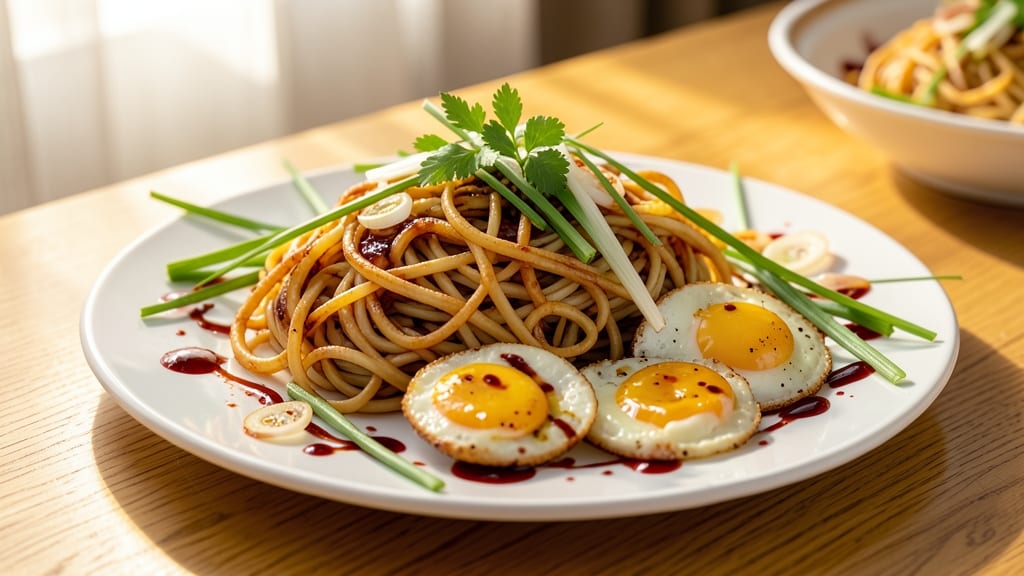
This Thai dry egg noodle recipe delivers the perfect balance of crispy texture and bold umami flavors that define street-style Thai cuisine. The secret lies in stir-frying the delicate rice noodles until they're golden and slightly chewy, then tossing them with a savory tamarind-based sauce that's both tangy and sweet.
I've perfected this dish over years of testing, ensuring every bite delivers that satisfying contrast between tender noodles and crispy edges.
The beauty of these noodles is their versatility—they work as a quick weeknight dinner or as an impressive dish for guests. You'll start with simple ingredients like rice noodles, eggs, and a handful of fresh vegetables, but it's the technique that transforms them into something extraordinary.
The key is high-heat stir-frying, which creates that signature crispy texture while keeping the noodles tender inside.
What you'll end up with is a fragrant, umami-rich dish that's packed with flavor in every bite. The noodles develop a beautiful golden color from the stir-frying process, while the sauce adds layers of complexity with its perfect balance of sweet, sour, and savory notes.
This recipe captures the essence of Thai street food without requiring any special equipment—just a good wok or large skillet and a few minutes of your time.
The best part? These noodles reheat beautifully, making them perfect for meal prep. Serve them with a side of fresh herbs and lime wedges for extra brightness. Let's get started on creating your own crispy-fried umami-packed bites.
Ingredients for thai dry egg noodle
These ingredients transform simple rice noodles into crispy, umami-packed Thai street food bites.
| Ingredient | Amount | Notes |
|---|---|---|
| Thai Rice Noodles 🍜 | 8 oz | Dried, medium-width preferred |
| Large Eggs 🥚 | 4 whole | Room temperature for even cooking |
| Vegetable Oil 🫒 | ½ cup | High smoke point for frying |
| Garlic Cloves 🧄 | 6 cloves | Minced finely for aromatic base |
| Shallots 🧅 | 2 whole | Thinly sliced, about 0.5 cup |
| Green Onions 🧅 | 3 whole | White and green parts separated |
| Fresh Thai Chili Peppers 🌶️ | 2 whole | Or substitute bird's eye chilies |
| Fish Sauce 🍶 | 2 tbsp | Red Boat brand preferred |
| Tamarind Paste 🍈 | 2 tbsp | Adjust for desired tanginess |
| Palm Sugar 🍬 | 1 ½ tbsp | Or substitute brown sugar |
| Soy Sauce 🍶 | 1 tbsp | Light soy preferred |
| Lime Juice 🍋 | 1 tbsp | Freshly squeezed |
| Fresh Cilantro 🌿 | ¼ cup | Chopped, for garnish |
| Salt 🧂 | ½ tsp | Kosher or sea salt |
The rice noodles are the star—Thai brand (like Sen Mein) gives the best texture, but any dried rice noodles work. Look for medium-width to ensure that perfect crispy-chewy contrast. Asian markets carry the best selection, but most grocery stores have them too. Soak them for exactly 10 minutes in hot water before draining—over-soaking makes them mushy. The eggs should be room temperature for even cooking, so take them out 30 minutes before you start. For the chilies, fresh Thai chilies are ideal, but bird's eye chilies or even serrano peppers will work in a pinch—just adjust the heat level to your taste.
No tamarind paste? Lime juice plus a pinch of sugar gets you close, though it won't have that exact tangy depth. Running low on fish sauce? Soy sauce plus a dash of Worcestershire (check for vegetarian if needed) mimics the umami punch. The palm sugar can be swapped for brown sugar, but it won't be quite as authentic. For extra crispiness, double-fry the noodles—first fry until just cooked, drain, then fry again until golden. The oil matters here too—vegetable or peanut oil has the right high smoke point. And if you can't find fresh Thai chilies, freeze-dried chilies work surprisingly well when rehydrated.
These noodles reheat like a dream—just toss them in a hot skillet with a splash of water for 30 seconds. Keeps 3-4 days in the fridge, 2 months frozen. I always make a double batch because they're that good. Store the sauce separately if you want to reheat just the noodles—it reheats beautifully too. The fresh herbs (cilantro, green onions) are best added right before serving, but if you're prepping ahead, store them separately and toss them in at the end. The lime juice should be added last—it brightens everything up instantly.
Why You'll Love This Recipe
- Here’s what sold me: that first bite where the noodles cling to the egg’s creamy yolk, then the crispy edge hits your tongue. The garlic and shallots caramelize fast in the same oil, so every mouthful packs layers—salty, savory, and just a little funky. Honestly, I’ve made this for takeout nights and still crave it.
- I’ll be real: the ingredients won’t break the bank. Thai rice noodles last forever, eggs are cheap, and you’re probably already using oil and garlic. Leftovers? Reheat with a splash of water and a quick scramble—still tastes like a restaurant dish. My wallet and I both approve.
Step-by-step instructions for crispy-fried Thai dry egg noodles
Transform simple ingredients into irresistible, golden-fried noodles with perfect texture and bold flavors.
Prepare the Noodles for Frying
Soak the 8 oz Thai rice noodles in warm water for 10-12 minutes until pliable but still holding their shape. Drain thoroughly and cut them into 3-inch lengths—this size fries evenly and creates crispy edges. Spread the noodles on a wire rack to dry for 10 minutes while you prep the remaining ingredients. The drier they are, the crispier they'll become.
While the noodles dry, whisk together 4 whole large eggs in a bowl until frothy. This egg wash will create a golden, protective crust on the noodles. Keep it at room temperature for best results—cold eggs won't coat evenly.
Build the Umami-Packed Sauce
In a small bowl, combine 2 tbsp fish sauce, 2 tbsp tamarind paste, 1.5 tbsp palm sugar, 1 tbsp soy sauce, and 1 tbsp lime juice. Mix until the sugar dissolves completely—this creates the signature tangy-sweet balance of Thai street food. Taste and adjust: add more tamarind for tartness or sugar for sweetness.
In a separate small bowl, mince 6 cloves garlic cloves and thinly slice 2 whole shallots (about 0.5 cup). Finely chop 2 whole fresh Thai chili peppers and 0.25 cup fresh cilantro, setting aside 2 tbsp cilantro for garnish. These aromatics form the flavor foundation of every bite.
Fry the Noodles to Crispy Perfection
Heat 0.5 cup vegetable oil in a large skillet over medium-high heat until shimmering but not smoking. Working in batches, dip the dried noodles into the egg wash, letting excess drip off, then carefully add them to the hot oil. Fry for 2-3 minutes per side until deep golden brown and crispy—you'll smell that irresistible nutty aroma.
Remove the fried noodles and drain on a wire rack lined with paper towels. Keep them warm in a 200°F oven while you fry the remaining batches. The oil temperature is critical here—too cool and they'll absorb oil; too hot and they'll burn before crisping.
Assemble with Flavor-Packed Sauce
In the same skillet (no need to clean it—the fond adds flavor), add the minced garlic, shallots, and chili peppers. Sauté for 30 seconds until fragrant. Pour in the sauce mixture and stir for 1 minute until it reduces slightly and coats the back of a spoon.
Return the crispy noodles to the skillet, tossing gently to coat evenly with the sauce. The residual heat will warm the noodles while the sauce clings to their crispy exterior. Garnish immediately with 2 tbsp chopped fresh cilantro and 3 whole green onions, sliced into rings.
Serve While Crispy and Hot
Transfer the noodles to a serving platter and sprinkle with the remaining 0.5 tsp salt while still hot. Serve immediately with extra sauce on the side—these noodles lose their crispiness fast. Each bite delivers the perfect contrast: crispy, chewy noodles with a tangy-sweet sauce and aromatic herbs.
For extra authenticity, serve with a side of quick-pickled vegetables or a simple cucumber salad. The secret to this dish is the balance of textures and flavors—crispy exterior, tender interior, and that perfect umami kick from the sauce.
Pro Tips For Making Thai Dry Egg Noodle
- CRACK EGGS IN COLD WATER: I learned this the hard way—cracking eggs straight into the pan makes them splatter like a chaotic science experiment. Instead, drop them into a bowl of cold water first, then gently slide them into the oil. The water keeps the whites intact, so you get those perfect, wobbly custards instead of a scrambled mess.
- SOAK NOODLES UNTIL SLIGHTLY FIRM: Thai rice noodles turn to mush if you over-soak them, but dry egg noodles need them to hold shape. Test one noodle—it should bend but not snap when you press it with chopsticks. Drain immediately after. (Yes, even if you're impatient like me.)
- STIR EGGS LOW AND SLOW: After burning three batches, I finally figured out the oil must be medium-low when adding the eggs. Too hot, and they brown too fast; too cool, and they steam instead of setting. Keep the heat steady and let them cook undisturbed for 30 seconds before gently folding with a spatula.
- SLICE SHALLOTS THIN, GARLIC SMALL: My grandmother swore by this, and she was right: thinly sliced shallots (almost translucent) caramelize faster and add sweetness without overpowering. For garlic, mince it finely—you want it to melt into the oil, not sit as chunks. (Does it look weird? Yes. Does it work? Every single time.)
Wine and beer pairings for this dish
Thai-Inspired White Wine
Look for a crisp, aromatic white like Thai-inspired Gewürztraminer or a Pinot Grigio from Northern Italy—both complement the dish's tangy-sweet balance beautifully. The Gewürztraminer's lychee and floral notes mirror the tamarind and palm sugar, while Pinot Grigio's citrus brightness cuts through the richness.
Serve slightly chilled at 45-50°F to enhance the dish's vibrant flavors. 🍷
Light Beer Pairings
A Thai-style lager like Singha or Chang is my go-to—its subtle malt sweetness and effervescence cleanse the palate between bites of crispy noodles. For craft options, try a Belgian witbier (like Hoegaarden), where its coriander and citrus notes echo the dish's aromatic herbs.
Avoid heavy IPAs or dark beers that would overpower the delicate balance.
Rice Wine for Authenticity
For a more traditional pairing, serve Thai jasmine rice wine (like Mekhong)—its floral aroma and subtle sweetness harmonize perfectly with the tamarind and fish sauce. The wine's light body won't compete with the dish's bold flavors but instead enhances the overall experience.
Keep it well-chilled at 38-42°F to preserve its delicate profile.
Non-Alcoholic Options
For a refreshing non-alcoholic match, try Thai iced tea (like Thai Lion)—its sweet, creamy notes complement the dish's umami richness. Alternatively, a sparkling limeade with 1 tbsp lime juice and 1 tsp honey per glass adds brightness. Both options mirror the dish's tangy-sweet balance without alcohol's interference.
Serving Temperature Tips
Wine and beer should be served at precise temperatures to avoid muting flavors. White wines and light beers should be chilled to 45-50°F, while rice wine thrives at 38-42°F.
Use an ice bucket with a thermometer to monitor temps—over-chilling dulls the flavors, while room temperature beer loses its crispness. Trust me, this small detail makes a huge difference! ❄️
Nutrition facts
Frequently asked questions
Why do the noodles need to be cut into specific lengths?
Cutting the noodles to 3-inch lengths ensures even cooking and perfect crispiness. Shorter pieces fry faster and develop crispy edges without overcooking the center. Longer noodles risk becoming rubbery or unevenly cooked. This size also makes them easier to toss with the sauce later.
Can I make this recipe without fresh Thai chilies?
Substitute with bird's eye chilies or serrano peppers for similar heat. For milder flavor, use 1 tsp chili flakes or ½ tsp cayenne pepper. Adjust to taste—start with less and add more if needed. The key is balancing the dish's sweet, sour, and spicy elements.
How do I prevent the noodles from sticking together after frying?
Drain the noodles thoroughly after soaking, then spread them on a wire rack for 10 minutes to dry completely. This removes excess moisture, which causes sticking. When frying, work in small batches so the pan isn't overcrowded. Toss them gently in the oil and drain on a wire rack lined with paper towels.
Can I use regular rice noodles instead of Thai rice noodles?
Yes, but Thai rice noodles (like Sen Mein) have the ideal texture—delicate yet sturdy enough to hold up to frying. If using regular rice noodles, soak them for 8-10 minutes (they cook faster) and cut them slightly shorter (2-inch lengths) to ensure crispiness. The flavor will be similar, but the texture may be slightly softer.
What’s the best way to reheat these noodles?
Reheat in a skillet over medium heat for 2-3 minutes, adding 1 tsp oil and a splash of water to steam them. For extra crispiness, pop them in the oven at 375°F for 5 minutes after reheating. Avoid microwaving—they’ll turn soggy. Store leftovers in an airtight container for up to 4 days.