
Breakfast & Brunch
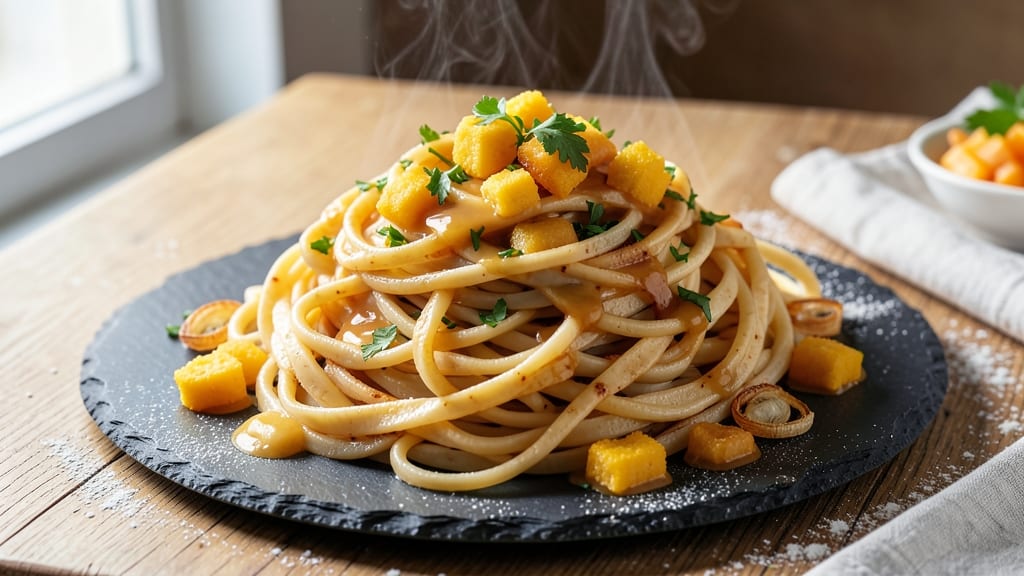
This thick egg noodle recipe delivers the kind of homestyle comfort that sticks to every bite—just like Grandma used to make. 💛 The secret lies in the dough: a perfect balance of eggs, flour, and water that creates noodles with a satisfying chew and rich flavor.
Unlike thin spaghetti, these hearty strands hold sauces beautifully, making them ideal for both classic dishes and creative twists.
What sets these noodles apart is their versatility. You can boil them for soups, stir-fry for quick weeknight meals, or even bake them into casseroles. The dough comes together in minutes with simple ingredients, but the results are anything but basic.
Hand-pulled or rolled thin, these noodles soak up flavors like a sponge while maintaining their signature texture.
Pair them with a creamy cheese sauce for an instant crowd-pleaser, or toss them with garlic butter and fresh herbs for a lighter option. The possibilities are endless, but the foundation—thick, egg-rich noodles—is what makes this recipe a staple in any kitchen.
Ready in under an hour, this dish is perfect for family dinners, potlucks, or even a cozy night in. The best part? You can customize the sauce, toppings, or cooking method to suit your taste. Let’s get started!
Ingredients for thick egg noodle
Four eggs, two cups flour, and a touch of love—this is all you need for Grandma-style noodles that hold sauce like magic.
| Ingredient | Amount | Notes |
|---|---|---|
| Large Eggs 🥚 | 4 whole | Room temperature for best mixing |
| All-Purpose Flour 🌾 | 2 ½ cups | High protein for chewy texture |
| Water 💧 | ½ cup | Lukewarm for smoother dough |
| Salt 🧂 | 1 tsp | Fine sea salt preferred |
| Unsalted Butter 🧈 | 2 tbsp | Cold, cubed for sauce |
| Sharp Cheddar Cheese 🧀 | 1 ½ cups | Shredded, block preferred |
| Heavy Cream 🥛 | ½ cup | Full-fat for richness |
| Garlic Cloves 🧄 | 2 cloves | Minced for sauce aroma |
| Fresh Parsley 🌿 | ¼ cup | Chopped, for garnish |
| Olive Oil 🫒 | 1 tbsp | For dough rolling |
| Black Pepper 🌶️ | ½ tsp | Freshly cracked |
| Nutmeg 🌿 | ¼ tsp | Freshly grated |
The eggs are non-negotiable here—room temperature means smoother dough with fewer lumps. Grab the largest eggs you can find at Whole Foods or your local grocery store's refrigerated section (they're usually fresher). Flour? King Arthur or Gold Medal brands make all the difference—they've got that extra protein for that perfect chewy bite. Pro tip: measure your flour by weight if you're feeling fancy (2.5 cups is roughly 320g), but the scoop-and-level method works just fine. And that water? Lukewarm is key—cold water makes tough noodles, and boiling water will cook your dough before it even hits the pot.
No sharp cheddar? Parmesan mixed with mild cheddar works in a pinch, but trust me on the full-fat version for that creamy sauce. The heavy cream can be swapped for half-and-half if you're watching calories, though it'll be slightly lighter. Garlic powder won't cut it here—fresh minced garlic is what gives that restaurant-quality aroma. And if you're out of parsley, basil or chives will do the trick for garnish. For the dough, olive oil on your rolling pin prevents sticking like a dream—no fancy equipment needed, just a good coat of oil and a steady hand. Want extra flavor? Add a pinch of smoked paprika to the dough for a subtle kick.
These noodles are at their best fresh, but you can prep the dough 1 day ahead—wrap tightly in plastic and refrigerate. The sauce? 3 days max in the fridge, though it reheats beautifully. For freezing, portion the sauce into ice cube trays—thaw and microwave for quick meals. The dough itself? Freeze between parchment paper for up to 3 months. Just let it thaw in the fridge overnight before rolling. And here's a secret: undercook the noodles by 1 minute before tossing with sauce—they'll finish cooking in the heat, and you'll get that perfect al dente bite every time.
Why You'll Love This Recipe
- Four-Ingredient Magic: I swear by this recipe because it’s literally flour, eggs, water, and salt—plus butter for the win. No fancy pantry items, no measuring cups that never seem to fit right. Just crack, mix, knead, and roll. Honestly, if you can boil water, you can make these.
- Butter-Kissed Richness: That egg-to-flour ratio? It’s what makes them ridiculously tender with a chewy bite—like fresh pasta but without the fuss. Toss them in butter after cooking, and suddenly you’ve got something that tastes like a restaurant’s handmade tagliatelle.
- Lunchbox to Dinner Party: Between us, these noodles are my go-to for everything: a quick stir-fry on weeknights, a hearty soup for meal prep, or even a fancy-looking dish when company drops by. Freeze half the batch, and you’ve got a backup for when you’re too tired to cook.
- Budget-Friendly Staple: A dozen eggs and a bag of flour stretch forever—this recipe feeds four for under $3. Leftovers? Reheat in butter or sauce, and they’re just as good the next day. (Yes, even on a Tuesday night.) No food waste, no guilt. Just pure, satisfying pasta.
Step-by-step instructions for homestyle cheese noodles
Here's how to make rich, cheesy egg noodles that stay al dente and cling to every bite!
👨🍳 Step 1: Make the Dough and Knead Until Silky
In a large mixing bowl, combine the 4 whole Large Eggs and 0.5 cup Water. Whisk vigorously for 2 minutes until fully emulsified and pale yellow—you'll see the mixture thicken noticeably. This step is crucial for developing the noodles' signature chewiness.
Gradually add the 2.5 cups All-Purpose Flour and 1 tsp Salt while mixing with a wooden spoon. Once combined, turn the dough onto a lightly floured surface and knead for 8-10 minutes until smooth and elastic. I press down firmly with the heel of my hand and fold—this develops gluten for that perfect chewy texture. The dough should feel slightly tacky but not sticky when you handle it.
🥘 Step 2: Rest and Roll the Dough Thin
Wrap the dough tightly in plastic wrap and let it rest for 30 minutes at room temperature. This resting period relaxes the gluten, making it easier to roll out evenly. After resting, divide the dough into 4 equal portions—this makes handling much easier.
On a clean surface, roll each portion into a ⅛-inch thick rectangle using a rolling pin. I like to roll from the center outward, rotating the dough frequently for even thickness. If it sticks, dust lightly with flour—but don't overdo it or the noodles will taste bland. The goal is thin, delicate strands that cook perfectly in minutes.
🍳 Step 3: Cook the Noodles Al Dente
Bring a large pot of water to a rolling boil and add 1 tablespoon Olive Oil to prevent sticking. Add the rolled dough rectangles and cook for 2-3 minutes until they float to the surface. This means they're perfectly cooked—don't overcook or they'll turn mushy!
Use a slotted spoon to remove the noodles and transfer them to a bowl of ice water for 1 minute to stop the cooking process. Drain well and toss with 1 tbsp Olive Oil to prevent sticking. The noodles should be tender but still hold their shape when pressed between fingers—this is key for that satisfying bite.
🔥 Step 4: Make the Creamy Cheese Sauce
In a large skillet, melt the 2 tbsp Unsalted Butter over medium heat. Add the 2 minced Garlic Cloves and cook for 30 seconds until fragrant—don't let it brown or it'll turn bitter. Pour in the 0.5 cup Heavy Cream and let it simmer for 2 minutes until slightly thickened.
Reduce heat to low and gradually add the 1.5 cups Sharp Cheddar Cheese, stirring constantly until fully melted. Season with 0.5 tsp Black Pepper and 0.25 tsp Nutmeg, then stir in the cooked noodles. Let everything heat through for 1-2 minutes—the residual heat from the noodles will help melt any remaining cheese.
🍽️ Step 5: Serve with Fresh Parsley
Transfer the noodles to serving plates and garnish with 0.25 cup chopped Fresh Parsley. The bright green color contrasts beautifully with the creamy cheese sauce, and it adds a fresh finish. Serve immediately while the noodles are still hot and the sauce is silky—this dish doesn't wait!
Each bite should deliver that perfect combination of chewy noodles, rich cheese sauce, and subtle nutmeg warmth. The sauce should cling to every strand without being too heavy. If it's too thick, stir in a splash of pasta water to loosen it to your desired consistency. Enjoy with a simple green salad or crusty bread to soak up every last bit!
Pro Tips For Making Thick Egg Noodle
- USE COLD EGGS: Room-temperature eggs make dough sticky and hard to handle—trust me, I’ve fought that battle. Pop them in the fridge for 15 minutes first, then crack them straight over the flour pile. The cold yolk will temper the dough better, and you’ll avoid that frustrating, gluey mess.
- KNEAD JUST UNTIL SMOOTH: Overworking the dough makes noodles tough and chewy. Stop as soon as it pulls away from the bowl and looks silky, not rubbery. I used to go all out, thinking more kneading = better texture, but this dough only needs 5-7 minutes max—no need to turn it into a workout.
- REST THE DOUGH: Skip this, and your noodles will turn out dense and uneven. Wrap the dough in plastic and let it sit for at least 30 minutes (up to 2 hours). The gluten relaxes, the texture improves, and rolling it out becomes a breeze—no more fighting a stubborn lump.
- SALT THE WATER STRONGLY: The pasta water is where flavor lives, so don’t skimp. Use about 1½ tablespoons of salt per quart of water—yes, even if you’re adding butter later. I learned this the hard way when my noodles tasted bland no matter how much seasoning I added after cooking. Taste the water; it should be like the sea.
Creative variations of this thick egg noodle
Hand-Pulled Lo Mein Style
Transform these noodles into classic Chinese-style lo mein by cutting the rolled dough into ¼-inch wide strips with kitchen shears or a sharp knife. Stir-fry with 2 tbsp sesame oil, 3 minced garlic cloves, and 1 tbsp ginger over high heat for 2 minutes.
Add 1 lb sliced chicken breast and 1 bell pepper (julienned), then toss with the noodles. Finish with 3 tbsp soy sauce, 1 tbsp oyster sauce, and 1 tsp sugar—the egg richness pairs perfectly with the wok hei flavor. 🌶️
German Spätzle Twist
For a Swabian Spätzle variation, skip rolling and press the dough through a Spätzle maker or the tines of a fork into boiling water. The noodles will form irregular, rustic shapes that cling to sauces beautifully.
Toss with caramelized onions, crispy bacon bits, and a bechamel sauce (butter, flour, milk) for a hearty dish. Top with fried eggs for a brunch masterpiece—this version is a crowd-pleaser at family gatherings. 🍳
Baked Casserole Version
Turn these noodles into a one-dish wonder by layering them in a 9x13-inch baking dish with 1 cup marinara sauce, 1 lb Italian sausage, and 1 cup mozzarella. Bake at 375°F for 25 minutes until bubbly.
The egg noodles absorb the sauce while staying tender—no mushy texture here! Add roasted cherry tomatoes and fresh basil on top before serving. Perfect for meal prep—just reheat and enjoy. ⏰
Vegan Egg Substitute
Replace eggs with a flaxseed mix: combine 4 tbsp ground flaxseed with 10 tbsp water and let sit for 5 minutes to thicken. Add 1 tbsp nutritional yeast for an eggy flavor. The dough will be slightly denser but still chewy.
Pair with cashew cheese sauce (blend 1 cup soaked cashews, ½ cup water, 1 tbsp lemon juice, and ½ tsp turmeric) for a plant-based version that’s just as rich. 🌱
Sweet Breakfast Noodles
Swap the cheese sauce for a cinnamon-sugar glaze: melt 2 tbsp butter, stir in ½ cup brown sugar, 1 tsp cinnamon, and 1 tbsp vanilla extract. Toss with the noodles and top with sliced apples and chopped pecans.
Serve warm with a scoop of vanilla ice cream—this sweet twist is a fun brunch surprise. The egg noodles hold up perfectly to the syrup without getting soggy. 🍎
Nutrition facts
Frequently asked questions
Why do your egg noodles come out thicker than store-bought?
The extra thickness comes from the high egg content and proper kneading technique. 4 eggs in 2.5 cups flour create a rich, elastic dough that holds its shape beautifully. Unlike thin spaghetti, these ⅛-inch thick noodles hold sauce like a sponge while maintaining a satisfying chew. The secret is kneading for 8-10 minutes to develop gluten properly.
Can I make these noodles without a rolling pin?
If you don't have a rolling pin, use a bottle or wine glass to press the dough. Roll from the center outward, rotating frequently for even thickness. For extra rustic texture, press the dough through a fork or Spätzle maker instead of rolling. The noodles will have irregular edges but still cook perfectly.
How do I prevent the noodles from sticking together?
Add 1 tablespoon olive oil to the boiling water and toss the cooked noodles with another 1 tablespoon olive oil before serving. For storage, spread them on a baking sheet to cool completely before refrigerating. The oil creates a protective layer that keeps strands separate. Never rinse with water—it removes the starch that helps sauces cling!
What's the best way to reheat leftover egg noodles?
For best results, reheat in a skillet with 1 tablespoon butter over medium-low heat for 3-4 minutes, stirring occasionally. Add a splash of water or pasta water to prevent drying. Microwave reheating works too—cover with a damp paper towel and heat for 45-60 seconds. The residual moisture from the sauce helps maintain that perfect al dente texture.
Can I make these noodles gluten-free?
Yes, but you'll need a 1:1 gluten-free flour blend> with xanthan gum. Replace the all-purpose flour with 2.5 cups gluten-free blend and add ½ teaspoon xanthan gum. The dough will be more delicate, so handle it gently when rolling. For best results, use a rice flour or chickpea flour blend>—they mimic the chewy texture of wheat flour better than almond flour.