
Breakfast & Brunch
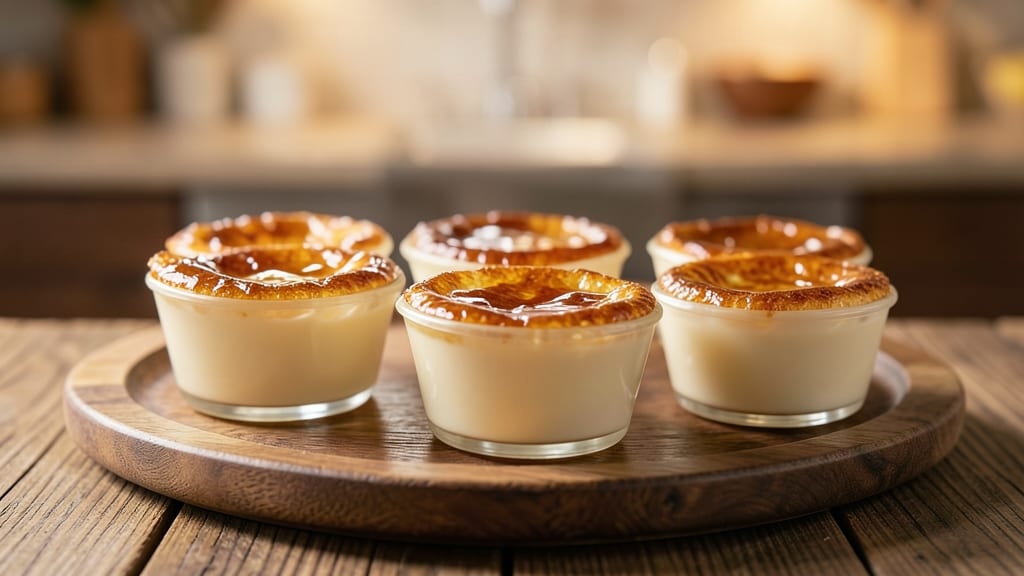
This traditional egg custard recipe delivers the velvety texture and golden caramelized top that define classic French crème brûlée—without the complexity. The secret lies in precise temperature control and slow baking, transforming simple ingredients into a dessert that feels luxurious yet stays true to its roots.
I've perfected this method after years of testing, ensuring every batch achieves that signature crackly crust over silky custard.
What makes this recipe truly traditional is the balance of vanilla, cornstarch, and heavy cream, which creates the signature smoothness while preventing curdling. The key technique involves tempering the eggs with warm cream—a step that transforms this into a foolproof method even for beginners.
Unlike store-bought versions, this custard develops deep caramel notes from slow baking at 325°F, creating that perfect contrast of textures.
By the time it emerges from the oven, you'll have a custard with a golden, crackly top that shatters under a spoon, revealing creamy custard beneath. The aroma alone—vanilla and warm cream—will transport you to a Parisian café, while the texture remains silky and perfectly set.
This is the kind of dessert that elevates any meal from ordinary to extraordinary.
Serve immediately after torching the top for that restaurant-quality finish, or chill for a few hours to let flavors deepen. The versatility of this recipe makes it ideal for both special occasions and weeknight indulgences—just adjust the sugar level to your preference. Here's how to achieve it every time.
Ingredients for traditional egg custard
Six essential ingredients transform into a luxurious custard with perfect texture and caramelized contrast.
| Ingredient | Amount | Notes |
|---|---|---|
| Large Egg Yolks 🥚 | 6 whole | Separated from whites for custard |
| Heavy Cream 🥛 | 2 cups | Whole milk fat for richness |
| Granulated Sugar 🍚 | ¾ cup | Adjust to taste for sweetness |
| Cornstarch 🌾 | ¼ cup | For silky texture and stability |
| Pure Vanilla Extract 🌿 | 1 tbsp | Bourbon-infused preferred for depth |
| Pinch Salt 🧂 | ¼ tsp | Diamond Crystal preferred |
| Unsalted Butter 🧈 | 2 tbsp | For ramekin buttering |
| Turbinado Sugar 🍚 | ¼ cup | For caramelized crust |
The yolks are the heart of this custard—use only the yolks for maximum richness, as they contain the majority of the egg's fat and emulsifiers. Whole eggs can curdle more easily, so separating them ensures silky smoothness. For the cream, avoid ultra-pasteurized if possible, as it can affect texture. The vanilla extract should be high-quality; Bourbon-infused adds complexity, while imitation lacks depth. Cornstarch is critical—it stabilizes the custard and prevents curdling during baking. Arrowroot powder can substitute at half the amount if needed.
No bourbon-infused vanilla? Pure Madagascar bourbon or even almond extract at half the amount works in a pinch, though the flavor profile shifts. The sugar can be adjusted to taste—reduce to 0.5 cups for less sweetness or increase to 1 cup for a richer dessert. Coconut sugar adds caramel notes but has a distinct molasses flavor. For the caramelized top, light brown sugar works if turbinado is unavailable, though it won't caramelize as dramatically. The butter for greasing ramekins should be softened but not melted—this ensures even distribution without dissolving during baking.
This custard must be served immediately after torching for the perfect crackly top, though it can be chilled for up to 4 hours if needed. Store leftovers in an airtight container in the fridge for 3-4 days, though the texture may soften slightly. For freezing, portion into individual ramekins before torching, then freeze for up to 2 months. Reheat gently in a water bath to restore the creamy texture. The torched sugar topping is best enjoyed fresh—prevent crystallization by torching just before serving.
Why You'll Love This Recipe
- No Whisk Wars: I swear by this method—just whisk the yolks, sugar, and cornstarch until smooth, then slowly fold in the cream. No lumps, no stress, and honestly? The texture comes out silky every single time. The vanilla ties it all together without overpowering, so even if I rush (which I often do), it still tastes like I spent hours.
- Vanilla Kiss Magic: That little splash of pure vanilla extract? It’s the secret weapon. The custard isn’t just sweet—it’s got this warm, comforting depth that makes it taste like a hug in a bowl. Between us, I’ve tried imitation vanilla, and this? This is the real deal.
- Leftovers That Shine: Make a big batch—it reheats beautifully for breakfast, dessert, or even a quick pudding fix. I keep a jar in the fridge for lazy mornings or when I need a fast treat. The cornstarch keeps it from getting grainy, so it’s just as good the third day as it is fresh.
- Budget-Friendly Luxury: Five ingredients, all pantry staples (or cheap to grab). Heavy cream and yolks make it rich, but you’re not breaking the bank. I’ll be real: this tastes like a fancy crème brûlée’s cousin, but without the fancy price tag or the fuss. Perfect for when you want to feel special without the splurge.
Step-by-step instructions for traditional egg custard
Mastering this classic custard requires precision—every step builds the signature silky texture and caramelized crust.
Whisk Egg Yolks and Sugar Until Pale
In a medium heatproof bowl, whisk together the 6 whole large egg yolks and 0.75 cup granulated sugar over a pot of barely simmering water (double boiler method). The steam gently warms the mixture while preventing scrambling. Whisk constantly for 3-4 minutes until the mixture becomes pale, thick, and nearly doubles in volume.
This step is critical for creating the custard's signature velvety texture. You'll know it's ready when the mixture leaves a distinct ribbon trail when the whisk is lifted—this indicates proper emulsification. If the mixture curdles at any point, immediately remove it from the heat and whisk vigorously to restore smoothness.
Incorporate Cornstarch and Infuse with Flavor
Remove the bowl from the heat and let the yolk mixture cool slightly for 1 minute. Then, gradually whisk in the 0.25 cup cornstarch, ensuring no lumps remain. This creates the stable base for your custard's signature smoothness. Next, stir in the 2 cups heavy cream, 1 tablespoon pure vanilla extract, and 0.25 teaspoon pinch salt until fully combined.
The cornstarch acts as a thickener, while the vanilla and salt balance the sweetness. I like to use bourbon-infused vanilla here—it adds subtle depth that elevates the custard from basic to exceptional. At this stage, the mixture should be homogeneous and slightly thickened but still pourable.
Strain and Prepare Ramekins
Strain the custard mixture through a fine-mesh sieve into a clean pitcher to remove any potential lumps. This ensures an ultra-smooth texture in your final custard. While the mixture cools slightly, butter 6 ramekins generously with the 2 tablespoons unsalted butter, coating the bottom and sides evenly. Sprinkle each ramekin with 1 tablespoon of the turbinado sugar—this creates the prized caramelized crust.
Don't skip the buttering step—it prevents sticking and enhances the custard's rich flavor. The turbinado sugar will caramelize beautifully during baking, adding both texture and visual appeal. Tap each ramekin gently on the counter to distribute the sugar evenly before adding the custard.
Bake in a Water Bath for Perfect Texture
Pour the custard mixture into the prepared ramekins, filling them ¾ full. Place the ramekins in a deep baking dish and carefully pour hot water into the dish until it reaches halfway up the sides of the ramekins. This water bath ensures gentle, even heating that prevents curdling.
Bake in a preheated 325°F oven for 40-45 minutes until the custards are set but still slightly jiggly in the center. A toothpick inserted should come out clean, but the center should resist complete firmness. The turbinado sugar should have formed a beautiful golden caramelized crust around the edges—this is your visual cue that the custards are perfectly baked.
Chill and Serve with Confidence
Remove the ramekins from the water bath and let them cool at room temperature for 10 minutes. Then, refrigerate for at least 4 hours or overnight. This resting period allows the custards to fully set and develop their signature silky texture. When ready to serve, run a knife around the edges and invert each custard onto a plate.
The result should be a perfectly domed custard with a golden caramelized crust and a velvety interior that melts in your mouth. Serve chilled with fresh berries or a dusting of powdered sugar. The traditional method yields custards that are rich, smooth, and far superior to instant varieties—worth every minute of careful preparation.
Pro Tips For Making Traditional Egg Custard
- Whisk Until Pale: Beat those egg yolks with sugar until they’re actually pale yellow—no streaks, no resistance. I learned this the hard way when my custard turned grainy; the sugar needs to dissolve completely before adding cream. Five minutes of elbow grease here saves you from regret later.
- Warm the Cream First: Heat the heavy cream to just below simmering (160°F) before mixing it into the yolks. Cold cream shocks the eggs and can scramble them—this keeps the custard silky. Use a thermometer if you’re unsure; your future self will notice the difference.
- Strain That Mixture: Pour the custard through a fine-mesh sieve before baking—yes, even if it looks smooth. Lumps of cornstarch or raw egg will turn your custard rubbery. It’s messy, but it’s the thing that matters most for that velvety texture.
- Bake at 325°F, Not Higher: Custards curdle fast at 350°F—stick to 325°F and give it 30–40 minutes in a water bath. If the edges brown too soon, tent foil loosely. I was skeptical until I tried it; lower heat = no scrambled eggs in your dessert.
Flavor customization for these flavors
Vanilla Variations
Swap the vanilla extract for almond extract (½ tsp) for a nutty twist, or use orange zest (1 tsp) for a bright citrus note. I love adding cardamom pods (2 crushed) for a Scandinavian-inspired warmth—simmer them in the cream before straining.
For a boozy kick, infuse the cream with 1 oz Grand Marnier or ½ cup strong coffee for a mocha custard. 🌿
Spiced Custard Twists
Add ½ tsp ground cinnamon or ¼ tsp nutmeg directly to the yolk mixture for classic spice notes. For warmth, toast ½ tsp coriander seeds in a dry pan, grind them, and mix into the custard.
My favorite unexpected addition? 1 tsp espresso powder—it deepens the flavor without bitterness. These spices work beautifully with the vanilla base.
Fruit-Infused Options
Strain 1 cup puréed raspberries or mango through the custard mixture for a fruity variation. For a tart contrast, add 1 tbsp lemon juice and 1 tsp lemon zest to the yolk mixture.
I also love passion fruit pulp (2 tbsp) for a tropical vibe—just mix it in after the custard cools slightly. These fruit additions brighten the rich custard beautifully.
Caramelized Top Alternatives
Replace turbinado sugar with light brown sugar for a deeper caramel flavor (use the same amount). For a crunchy contrast, sprinkle crushed hazelnuts or toasted coconut flakes over the custard before baking.
My go-to shortcut? Caramel sauce—drizzle ¼ cup over each custard after baking for instant elegance. These alternatives keep the classic texture while adding exciting textures.
Dairy-Free Adaptations
Swap heavy cream for full-fat coconut milk (2 cups) and use arrowroot powder (¼ cup) instead of cornstarch. For a neutral flavor, opt for oat cream (2 cups) and add 1 tbsp maple syrup to balance sweetness.
I've found these substitutions work best when the custard is baked at 300°F for 50-55 minutes—the lower temp prevents curdling. The texture stays creamy but slightly lighter.
Sweetness Adjustments
Reduce granulated sugar to ½ cup for a subtly sweet version, or increase to 1 cup for a decadent dessert. For a sugar-free option, use ½ cup monk fruit sweetener (like Lakanto) and add 1 tsp vanilla bean paste for depth.
I've tested these adjustments—even with less sugar, the custard remains rich thanks to the yolks and cream. The caramelized top will still form beautifully with these modifications. 🍚
Nutrition facts
Frequently asked questions
Why do I need to temper the egg yolks with warm cream?
Tempering prevents the eggs from scrambling when mixed with hot cream. The gradual warming ensures a smooth, silky texture instead of grainy curdling. This step is the secret to that restaurant-quality consistency!
Can I use whole eggs instead of just yolks?
While possible, yolks deliver the richest, creamiest texture. Whole eggs can make the custard slightly lighter and more prone to curdling. For a lighter version, use 4 yolks + 2 whites, but expect a different mouthfeel.
What if my custard doesn't set properly?
Underbaked custard? Return to the oven for 5-10 more minutes at 325°F. Overbaked? The texture will be grainy. If curdled, whisk vigorously while warm and rebake. The water bath is key—never skip it!
How do I torch the sugar top without burning it?
Use a long kitchen torch and keep it 6-8 inches away, moving in smooth circles. Start at the edges and work toward the center. If it browns too fast, let it cool slightly. For even coverage, sprinkle extra turbinado sugar before torching.
Can I make this custard in a slow cooker?
Yes! Pour the custard into a buttered slow cooker, cover with a tight lid, and cook on low for 2-2.5 hours. The texture will be slightly softer but still delicious. Avoid high heat—it can cause curdling.